Flowers
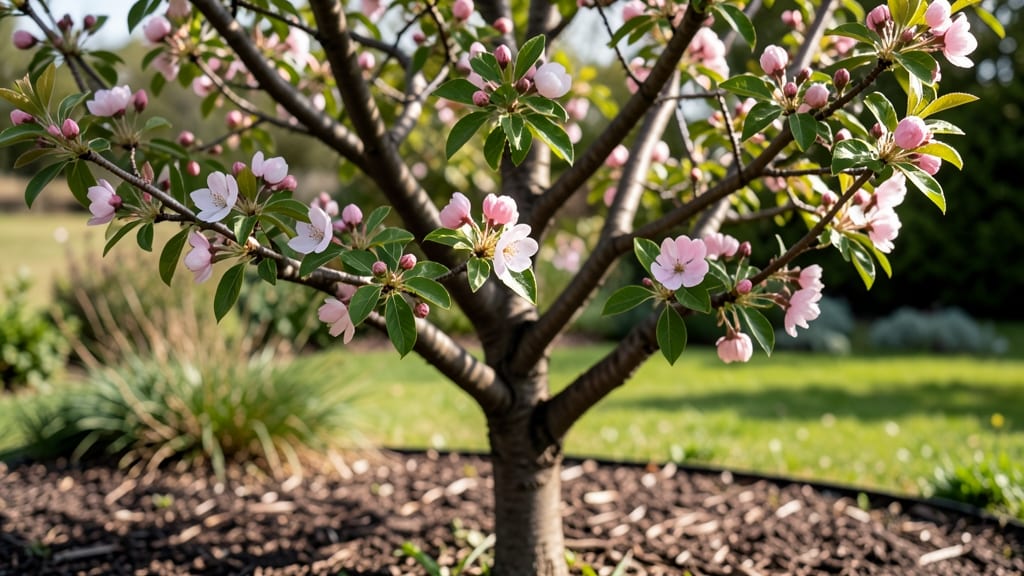
Those delicate Prunus persica flowers—peach blossoms—are the most breathtaking signal that spring has truly arrived. I still remember the first time I watched my tree burst into pink perfection after years of struggling with sparse blooms, and I knew this was the secret to growing peaches that actually fruit.
The trick isn't complicated: it's about timing, soil, and a few simple pruning habits that most gardeners overlook.
You don't need a fancy orchard setup—just well-draining soil, full sun, and a sharp pruner to shape the tree in late winter. The real magic happens when you encourage strong branch structure early, because peach trees bloom on last year's growth.
I've seen trees with hundreds of flowers after just two seasons of proper care, and the fruit that follows is sweeter than anything from the store. The key is balancing water (never soggy roots) with just enough stress to trigger flowering.
By summer, you'll have clusters of blossoms that fill the air with a honeyed fragrance, followed by tender peaches ripening in late July. Even if you don't get fruit, the blooms alone are worth it—imagine walking past a tree heavy with pink and white flowers that bees can't resist.
The best part? Once established, these trees need almost no extra work to keep flowering year after year.
Whether you're growing in a backyard or a large container, the same principles apply. We'll cover everything from choosing the right variety for your climate to hand-pollinating if your tree is a bit shy. Let's get those blossoms blooming like crazy—your future peach cobbler will thank you.
📚 In This Guide
- What you need
- Instructions
- Tips and common mistakes
- Wrapping up and next steps
What you need
- ● Peach Tree Seedlings or Bare-Root Saplings: Choose disease-resistant varieties like Prunus persica ‘Redhaven’ or ‘Elberta’ (1-3 plants for small gardens, 5+ for larger spaces).
- ● Well-Draining Soil: Mix 1 part native soil with 1 part compost and 1 part perlite/sand (5-10 gallons per plant).
- ● Organic Fertilizer: Slow-release 10-10-10 or composted manure (1 lb per plant at planting).
- ● Mulch: Wood chips or straw (2-3 inches thick to retain moisture).
- ● Garden Trowel or Shovel (for digging holes 12-18 inches deep).
- ● Pruning Shears (sterilized with rubbing alcohol).
- ● Watering Can or Hose with Soaker Nozzle (gentle watering is key!).
- ● pH Test Kit (ideal soil pH: 6.0–7.0 for peach trees).
- ● Garden Gloves (to protect hands from thorns).
- ● Drip Irrigation System (automates watering for consistent blooms).
- ● Tree Guards (protects young trunks from pests).
- ● Epsom Salt (1 tbsp/month in water for magnesium boost).
- ● Sunlight Meter (ensure 6+ hours of direct sun daily).
How to cultivate Prunus persica flowers for reliable year-round blooms
Here's the straightforward approach I've used to keep peach blossoms thriving indoors and outdoors alike.
Select the Right Variety and Planting Location
Choose a dwarf peach tree variety like 'Bonanza' or 'Redhaven' if you're growing in containers, as they're better suited for controlled environments. These varieties bloom reliably even when pruned correctly. For outdoor planting, select a site with full sun exposure (6-8 hours daily) and well-draining soil—peach trees hate soggy roots.
If you're growing indoors, position your tree near a south-facing window where it can receive the most sunlight. You'll notice the leaves will stay a vibrant green and the branches won't stretch excessively toward the light. For outdoor planting, avoid low-lying areas where cold air settles, as peach blossoms are frost-sensitive.
Prepare Soil and Plant at the Correct Time
Mix the soil with compost or organic matter to improve drainage and fertility. Peach trees prefer slightly acidic soil with a pH between 6.0 and 7.0. If you're planting in containers, use a well-draining potting mix designed for fruit trees. Amend the soil with 1-2 inches of compost before planting to provide essential nutrients for flowering.
Plant your peach tree in early spring, after the last frost date in your area. This timing ensures the roots have enough time to establish before the tree enters its active growing phase. If you're growing indoors, plant in late winter so the tree has time to adjust before the growing season begins. Water deeply after planting to help settle the soil around the roots.
Prune and Fertilize for Continuous Blooms
Prune your peach tree in late winter or early spring before new growth begins. Remove any dead, diseased, or crossing branches to improve airflow and sunlight penetration. Cut back any suckers growing from the base of the tree to redirect energy to flowering. Aim to shape the tree into an open vase form, which encourages more blooms and better fruit production.
Fertilize your peach tree in early spring with a balanced, slow-release fertilizer. Use a formula with equal parts nitrogen, phosphorus, and potassium, such as a 10-10-10 blend. Apply the fertilizer according to the package instructions, usually about ¼ to ½ pound per 100 square feet of soil. Water the tree thoroughly after applying fertilizer to help it absorb into the soil.
Water and Protect Blooms for Year-Round Success
Water your peach tree deeply once a week, providing about 1-2 inches of water per week. Adjust the frequency based on rainfall and soil moisture—peach trees are drought-tolerant once established but need consistent moisture during flowering and fruiting. You'll know the tree is getting enough water when the top 2-3 inches of soil feel slightly damp.
To protect blooms from frost or late-season cold snaps, cover the tree with a frost cloth or row cover when temperatures drop below 32°F. Remove the cover during the day to allow sunlight and airflow. If you're growing indoors, keep the tree away from drafts and cold windows to prevent flower drop. Watch for signs of stress like wilting leaves or bud drop, which may indicate temperature or watering issues.
Maintain and Harvest for Next Season’s Blooms
Monitor your peach tree throughout the growing season for pests like aphids or peach tree borers. Treat infestations early with horticultural oil or insecticidal soap to prevent damage. Remove any fallen leaves or fruit to reduce disease risk and keep the area around the tree clean. Mulch the base of the tree with 2-3 inches of organic mulch to retain moisture and regulate soil temperature.
After harvesting peaches in late summer, prune the tree again to remove any dead wood and shape it for the next season. This second pruning encourages new growth and prepares the tree for another round of blooms. If you're growing indoors, bring the tree inside before the first frost and reduce watering slightly during its dormant period in winter. You'll see fresh blooms in early spring, ready for another growing season.
Tips & tricks for perfect Prunus persica blooms
Here's what nobody tells you about keeping peach blossoms thriving year after year without the fuss.
Sunlight Strategy: In Step 1, when positioning your tree, remember that south-facing windows provide the most consistent light. If you notice leaves stretching toward the light or turning pale, rotate the pot every few days to encourage even growth. For outdoor trees, supplement natural light with a grow light during winter months if you're in a cooler climate—this helps maintain the flowering cycle.
Soil Preparation Insight: When amending soil with 1-2 inches of compost in Step 2, don't just add it to the surface. Work it into the top 6-8 inches of soil to create a nutrient-rich zone where roots can access what they need. I've found that mixing in a handful of worm castings at planting time gives an extra boost to early blooming. The slightly acidic pH (6.0-7.0) is crucial—test your soil and adjust with sulfur if needed.
Pruning Precision: During Step 3's late winter pruning, focus on creating an open vase shape by removing branches that grow inward. This isn't just about aesthetics—it's about maximizing sunlight penetration to all parts of the tree. Cut back any branches that cross or rub against each other, as these wounds can become entry points for disease. Remember, you're not just pruning for shape, but for future bloom production.
Frost Protection Secret: When protecting blooms from temperatures below 32°F in Step 4, don't just cover the tree—the entire root zone needs protection too. Place a layer of straw or leaves around the base before applying frost cloth. For container trees, move them to a sheltered location like a garage or under an eave. I've seen trees survive temperatures down to 20°F with this extra protection, while uncovered trees can lose all their buds.
Pro Tips for Prunus Persica Flower
- Here's what nobody tells you about keeping peach blossoms thriving year after year without the fuss.
- Sunlight Strategy: In Step 1, when positioning your tree, remember that south-facing windows provide the most consist...
- Soil Preparation Insight: When amending soil with 1-2 inches of compost in Step 2, don't just add it to the surface. ...
Frequently asked questions
Got questions about Prunus persica (peach tree) flowers? You’re not alone!
Here are answers to the most common queries—from timing to troubleshooting—so you can grow these stunning blooms with confidence.
When do Prunus persica flowers bloom?
Prunus persica flowers typically bloom in early spring (March–April in most U.S. zones), just before or with the leaves. Some varieties may rebloom lightly in summer with proper care. Cold stratification (chilling) triggers blooms—ensure your tree gets 400–800 hours below 45°F (7°C) annually for consistent flowers.
Why aren’t my peach tree flowers opening?
Missing blooms? Check these fixes:
- Insufficient chilling: Move potted trees to a cooler garage or fridge (35–45°F/2–7°C) for 6–8 weeks if your climate lacks winter chill.
- Over-fertilizing: Too much nitrogen = lush leaves, few flowers. Use a balanced 10-10-10 fertilizer in early spring instead.
- Stress: Drought or transplant shock can delay blooms. Water deeply 1–2 times/week (adjust for clay/sandy soil).
Pro tip: If flowers bud but drop, it’s often due to late frost. Cover blooms with frost cloth if frost is forecasted.
Can I grow Prunus persica flowers indoors?
Yes! Dwarf varieties like ‘Bonanza’ or ‘Redhaven’ (grafted on Nemaguard rootstock) thrive in large containers (15+ gallons). Place near a south-facing window or under grow lights (12–14 hours/day). Mimic outdoor conditions with:
- Cool winter dormancy (50–60°F/10–15°C).
- Well-draining soil (cactus/succulent mix + perlite).
- Outdoor exposure in summer (balcony/patio).
Warning: Indoor trees may skip blooms without proper chilling. Use a refrigerator chilling trick for 6–8 weeks in winter.
Do peach tree flowers attract pollinators?
Prunus persica flowers are a magnet for bees, butterflies, and hummingbirds—especially their pink, fragrant blooms. To boost pollinator visits:
- Plant near companion flowers like lavender, rosemary, or catmint.
- Avoid pesticides (neonicotinoids are toxic to bees).
- Leave some wilted flowers for bees to forage.
Bonus: Peach blossoms support native pollinator ecosystems, making your garden a biodiversity hotspot!
What’s a low-maintenance alternative to Prunus persica flowers?
If peach trees feel high-maintenance, try these zero-fuss, flower-packed alternatives:
Plant
Bloom Time
Care Level
Cerasus × ‘Kanzan’ (Flowering Cherry)
Late spring
(Drought-tolerant, pest-resistant)
Prunus mume (Japanese Apricot)
Winter–early spring
(Thrives in partial shade)
Lagerstroemia ‘Natchez’ (Crape Myrtle)
Summer
(Drought-proof, no pruning needed)
Pro tip: For edible flowers, try Prunus armeniaca (apricot) or Malus domestica (apple blossoms)—both are pollinator-friendly and fruit-bearing!
Wrapping up and next steps
The Prunus persica flower brings a burst of delicate beauty and effortless charm to any garden—proving that stunning blooms don’t require high-maintenance care! 🌸 With the right soil, sunlight, and a sprinkle of patience, you can enjoy year-round color and even fresh peaches.
Whether you’re a seasoned gardener or a curious beginner, this guide makes growing peach blossoms simple and rewarding.
Ready to bloom with confidence? Start by planting your tree in the next sunny spot in your yard—your future floral masterpiece is just a shovel’s throw away! 🌱