Flowers
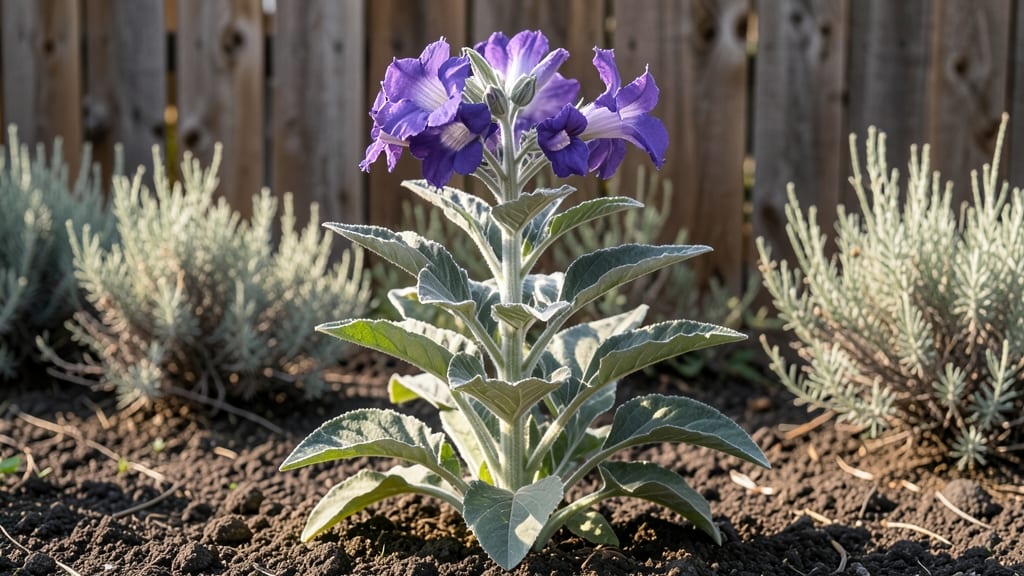
The purple datura flower brings eerie, otherworldly beauty to moonlit gardens—its trumpet-shaped blooms glow under artificial light and pair stunningly with silver foliage or deep burgundy accents. I’ve used them in cottage-style borders where their dramatic silhouettes create a hauntingly romantic effect, especially when backlit by string lights.
The trade-off? Their striking allure comes with serious toxicity warnings—every pet owner should know the risks before planting.
These flowers thrive in full sun to partial shade, making them perfect for hot, dry climates where they’ll reward you with summer-to-fall blooms that last until frost. Pair them with drought-tolerant companions like lavender or Russian sage to create a low-maintenance, high-impact display.
Just keep them away from children and pets—the sap and seeds contain dangerous alkaloids that can cause hallucinations or worse.
For a whimsical garden vibe, try them in containers near seating areas where their glowing purple trumpets catch evening light. The contrast of their fuzzy, moon-like blooms against dark foliage or gravel mulch creates instant drama. Just remember: beauty comes with caution—these flowers are as dangerous as they are dramatic.
If you love bold, statement-making plants but need safer alternatives, consider planting datura in cutting gardens or behind fences where curious hands can’t reach. Their unique shape and luminous color make them worth the extra precautions for the right location.
📚 In This Guide
- What you need
- Instructions
- Tips and common mistakes
- Wrapping up and next steps
What you need
- ● Purple Datura Seeds – 5–10 seeds (soak in warm water for 24 hours to improve germination). Note: Handle with gloves!
- ● Well-draining soil – Mix 60% cactus/succulent soil + 30% perlite + 10% coarse sand (avoid heavy clay).
- ● 6-inch pots or seed trays – 2–3 units (with drainage holes).
- ● Sunlight access – Full sun (6+ hours daily) or a grow light for indoor setups.
- ● Watering can with a fine rose nozzle – For gentle hydration (avoid soggy soil).
- ● Gloves & long sleeves – Mandatory when handling plants, seeds, or soil.
- ● Pruning shears – Sharp, sterilized tools for trimming (if needed).
- ● Humidity dome or plastic wrap – Helps retain moisture during germination (remove once sprouts appear).
- ● Slow-release fertilizer (e.g., 5-10-5 NPK ratio) – Use sparingly (1 tsp per pot every 4–6 weeks).
- ● Pest control (neem oil or insecticidal soap) – For aphids or spider mites (rare but possible).
- ● Label markers – To track plant stages (critical for toxic species!).
- ● Child/pet-proofing barriers – Secure fencing or locked containers if growing outdoors.
Step-by-step guide to cultivating purple datura flowers
This striking night-blooming beauty thrives with bold care—here’s how to grow it safely and spectacularly.
🌱 Step 1: Select and Prepare the Planting Site
Purple datura (Datura wrightii) demands full sun—at least 6-8 hours daily—to produce its iconic trumpet-shaped blooms. Choose a spot sheltered from strong winds, as the plants can topple easily. Native to arid regions, datura tolerates poor, well-draining soil but grows best in sandy loam with a pH of 6.0-7.5. If your soil is heavy clay, amend it with 2-3 inches of coarse sand or perlite to prevent root rot.
Here’s the thing—datura spreads aggressively. Plant it at least 10 feet away from other garden areas to avoid unwanted colonization. I like to contain it in a large raised bed lined with landscape fabric if space is limited. The roots grow deep, so dig a hole twice as wide as the root ball but no deeper than the container’s base.
💧 Step 2: Plant and Establish the Young Specimen
Transplant your datura in early spring, after the last frost, when soil temperatures reach 60°F or warmer. Handle the plant gently—datura’s stems are brittle, and rough treatment can snap them. Place the root ball in the hole, ensuring the top of the root flare sits level with the soil surface. Backfill with native soil, pressing lightly to remove air pockets.
Water deeply right after planting—about 1-2 gallons per plant—to encourage root establishment. After that, water sparingly. Datura is drought-tolerant once established, but young plants need 1 inch of water per week during the first 30 days. Overwatering leads to root rot, which is fatal. You’ll know it’s thriving when new leaves emerge bright green and slightly waxy within 2-3 weeks.
☀️ Step 3: Maintain for Optimal Growth and Blooms
Fertilize lightly once a month during the growing season with a balanced 10-10-10 fertilizer, using ½ the recommended dose. Datura doesn’t need rich soil—too much nitrogen promotes foliage over flowers. I skip fertilizer entirely in the last 6 weeks of summer to encourage blooming. The plant’s large, fuzzy leaves will turn yellow if overfed, signaling stress.
Deadhead spent blooms weekly to redirect energy into new flowers. Snip the faded blooms with clean pruners at the base of the stem. Avoid pruning the main stems—datura blooms on new growth, and aggressive pruning can stunt flowering. Mulch around the base with 2-3 inches of straw or wood chips to retain moisture and suppress weeds, but keep mulch 6 inches away from the stem to prevent rot.
✂️ Step 4: Handle with Caution—Harvesting and Toxicity
Datura’s toxic beauty requires respect. All parts of the plant—leaves, seeds, and flowers—contain tropane alkaloids, which can cause hallucinations, seizures, or even death if ingested. Wear gloves when handling, and wash hands thoroughly afterward. Store harvested blooms in a sealed container away from children and pets.
Harvest blooms in the late afternoon when they’re fully open but still vibrant. Cut stems at a 45-degree angle just above a leaf node to encourage branching. Dry flowers upside-down in a dark, well-ventilated area for 7-10 days. Once dry, store them in a paper envelope in a cool, dry place. You’ll notice the blooms darken slightly as they cure—this is normal and enhances their long-lasting color.
⏰ Step 5: Overwintering and Long-Term Care
In USDA Zones 8-11, datura is perennial and will return each year. In colder climates, dig up the tubers in late fall before the first frost, trim the foliage, and store them in dry peat moss in a cool, dark place (around 40°F). Replant in early spring when soil warms. If left in the ground, mulch heavily with 4-6 inches of straw to protect roots from freezing.
Real talk: Datura self-seeds prolifically. If you’re not careful, you’ll end up with volunteer plants popping up everywhere next year. Pull seedlings early—before they reach 6 inches tall—to prevent them from establishing. The plant’s spiky seed pods are a dead giveaway for unwanted sprouts.
Tips & tricks for perfect purple datura cultivation
These insights will help you coax the most dramatic blooms from your datura while avoiding its pitfalls.
Sunlight Strategy: The 6-8 hours of daily sun requirement is non-negotiable for those signature trumpet-shaped blooms. I’ve found that morning sun (when temperatures are cooler) followed by afternoon shade in extreme heat zones actually produces more vibrant flowers. If your garden gets intense afternoon sun, consider providing light afternoon shade during peak summer months—this prevents leaf scorch while maintaining bloom production.
Soil Science: That sandy loam preference isn’t just about drainage—it’s about aeration. Compacted soil restricts root growth, and datura’s deep taproots need space to establish. If amending with 2-3 inches of coarse sand or perlite seems like overkill, try mixing in 20% perlite by volume instead. The key is creating pockets of air around the roots while maintaining that slightly alkaline pH of 6.0-7.5. Test your soil before planting—datura shows stress through yellowing leaves when pH drifts below 6.0.
Watering Wisdom: The critical 30-day establishment period with 1 inch of water weekly is where most growers go wrong. I’ve seen datura plants wilt dramatically after heavy watering because their roots can’t keep up. Instead of watering on a schedule, check soil moisture by inserting your finger 2 inches deep—water only when it feels completely dry. Once established, datura’s drought tolerance becomes remarkable, but that first month is delicate. The bright green, slightly waxy leaves you’re aiming for in 2-3 weeks are your confirmation that you’ve got the water balance right.
Pruning Precision: When deadheading those spent blooms weekly, focus on the stem base where the bloom meets the plant. Cutting too high can create unsightly stubs, while cutting too low risks damaging the new growth. I use clean pruners and make a clean cut at a 45-degree angle just above a leaf node—this encourages branching and more blooms. The most important rule is to never prune the main stems, as datura produces flowers on new growth from these stems only. Aggressive pruning can actually reduce your bloom count significantly.
Pro Tips for Purple Datura Flower
- These insights will help you coax the most dramatic blooms from your datura while avoiding its pitfalls.
- Sunlight Strategy: The 6-8 hours of daily sun requirement is non-negotiable for those signature trumpet-shaped blooms.
- Soil Science: That sandy loam preference isn’t just about drainage—it’s about aeration.
Frequently asked questions
Got questions about the purple datura flower? You're not alone—this striking but dangerous beauty sparks curiosity (and caution!). Below, we tackle the most common queries about growing, handling, and appreciating these moonlit blooms safely.
Is the purple datura flower legal to grow?
The legality of Datura stramonium (purple datura) varies by state/country. In the U.S., it’s restricted in some areas (e.g., California) due to its psychoactive and toxic properties. Always check local regulations before planting. When in doubt, opt for non-toxic alternatives like Datura wrightii (sacred datura), which has lower toxicity but still requires caution.
How long does it take for purple datura flowers to bloom?
Purple datura flowers typically bloom 60–90 days after sowing seeds, depending on climate and growing conditions. Start seeds indoors 4–6 weeks early in warm zones (USDA 9–11) or wait until spring in cooler areas. Pro tip: Deadhead spent blooms to encourage a second flush of flowers, though this may reduce seed production.
What are the signs of datura poisoning in pets or humans?
All parts of the purple datura are highly toxic, containing tropane alkaloids. Symptoms include:
- Dilated pupils, blurred vision, or hallucinations
- Dry mouth, rapid heartbeat, or confusion
- Seizures or coma in severe cases
Can I use purple datura flowers in arrangements or crafts?
Yes! But with extreme caution. Wear gloves when handling, and avoid crushing the flowers (inhaling spores can irritate lungs). For arrangements, pair them with non-toxic flowers like statice or echinacea to dilute their visual impact. Never use them in edible projects—opt for non-toxic alternatives like black dahlias or purple coneflowers for safe decor.
Why do my datura flowers keep wilting or dropping?
Datura thrives in full sun and well-draining soil. Wilting often signals:
- Underwatering: Datura loves dry conditions—overwatering causes root rot.
- Heat stress: In extreme heat (above 90°F), provide afternoon shade.
- Pests like aphids or spider mites: Spray with neem oil if you spot them.
Wrapping up and next steps
The purple datura flower is a mesmerizing yet dangerous beauty—its ethereal allure comes with critical warnings about toxicity and responsible handling. Whether you’re captivated by its moonlit charm or intrigued by its folklore, always prioritize safety and respect its potent nature.
Ready to explore further? Dive into ethical gardening resources or consult local botanical experts to deepen your appreciation—without compromising safety. 🌙✨