Flowers
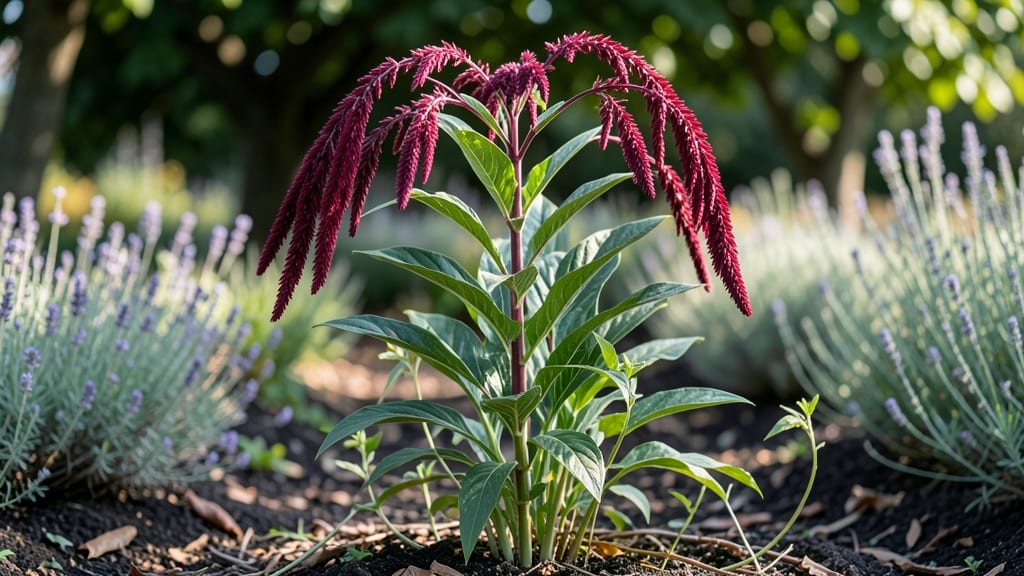
Red amaranth flowers bring fiery drama to gardens with their 5-foot-tall spikes and pollinator magnet reputation. I planted my first batch last summer after seeing them transform a bare corner into a buzzing, bee-filled spectacle by August.
The deep red plumes stand out against any backdrop, and the plants thrive even when I forget to water them—just don’t let them dry out completely in summer heat.
These flowers demand little but deliver big: full sun, well-draining soil, and 3-4 inches of water weekly once established. Start seeds indoors 6-8 weeks before last frost or sow directly after soil warms, as they dislike transplanting.
The secret to their bold color? Avoid over-fertilizing—too much nitrogen makes them flop instead of stand tall. My first attempt had a few leggy plants, but the second batch grew straight and sturdy with just compost-rich soil.
By mid-summer, you’ll have towering blooms that last until frost, attracting bees, butterflies, and even hummingbirds. The dried flowers hold their shape beautifully for winter arrangements, too. If you love low-maintenance, high-impact plants that double as a pollinator buffet, these are your new favorites. Ready to grow them?
Works in borders, cutting gardens, or as dramatic back-of-bed accents. Just give them space—they’ll reward you with months of color and a garden that hums with life. Here’s how to make them thrive in your yard.
📚 In This Guide
- What you need
- Instructions
- Tips and common mistakes
- Wrapping up and next steps
What you need
- ● Red amaranth seeds: 10–20 seeds (organic, non-GMO preferred for best results). Look for varieties like ‘Love Lies Bleeding’ or ‘Bloodleaf’ for bold red hues.
- ● Well-draining potting mix: 2–3 gallons (sterilized to prevent disease). Mix in perlite or vermiculite for aeration.
- ● Containers or garden bed: Containers: 5–7 inch pots (1–2 plants per pot) with drainage holes.
- ● Garden bed: Full sun (6+ hours/day) and loose, fertile soil (amend with compost if needed).
- ● Watering can or hose: With a gentle spray nozzle for consistent moisture.
- ● Fertilizer: Balanced 10-10-10 or organic options like fish emulsion (apply lightly every 4–6 weeks).
- ● Pruning shears: Sharp, sterilized shears for trimming dead blooms or shaping plants.
- ○ Stakes or trellis (optional): For tall varieties like ‘Hopi Red Dye’ (1–2 stakes per plant).
- ● Floral wire or tape: For arranging cut stems in bouquets.
- ● Dried flower preservative: Glycerin-based spray to extend vase life (2–3 sprays per arrangement).
- ● Art supplies: For crafts—think pressed flowers, dye-making (roots/stems), or mixed-media art.
- ● Pollinator-friendly companions: Plant nearby herbs (basil, dill) or flowers (marigolds, zinnias) to attract bees and butterflies.
Step-by-Step guide to growing stunning red amaranth flowers
Here’s how to cultivate these striking, drought-tolerant blooms that thrive in full sun.
🌱 Step 1: Choose the Right Location and Prepare the Soil
Red amaranth loves full sun—plant where your garden receives at least 6-8 hours of direct sunlight daily. These plants tolerate poor soil, but they’ll reward you with richer colors and stronger stems if you amend the bed with 2-3 inches of compost before planting. Work the compost into the top 12 inches of soil to loosen it and improve drainage.
Here’s the thing—amaranth roots run deep, so avoid areas with compacted clay. If your soil drains slowly, mix in sand or perlite to prevent waterlogging. The ideal planting time is after the last frost date when soil temperatures reach at least 60°F. You’ll know you’ve picked the right spot when your plants grow tall and sturdy instead of leggy.
🌿 Step 2: Plant Seeds Directly in the Garden
Sow seeds ½ inch deep and 12-18 inches apart—they won’t tolerate transplanting well, so skip the seedling stage. Plant 2-3 seeds per hole and thin to the strongest seedling once they reach 3-4 inches tall. I like to plant them in small groups of 3-4 to create dramatic clusters of color.
Water the soil deeply after planting to encourage roots to grow downward. Avoid wetting the foliage, as this can invite fungal diseases. You’ll see first true leaves emerge in 7-10 days—that’s your signal the seeds have sprouted successfully. If germination takes longer, keep the soil consistently moist but not soggy.
☀️ Step 3: Provide Consistent Water and Fertilizer
Once seedlings are established, water deeply once a week—amaranth is drought-tolerant, but 1 inch of water per week keeps the blooms vibrant. Let the soil dry out between waterings to prevent root rot. I find that morning watering works best, as it gives foliage time to dry before evening.
Fertilize lightly with a balanced, water-soluble fertilizer (like 10-10-10) once a month during the growing season. Too much nitrogen will produce lush leaves at the expense of flowers. You’ll know you’re on track when your plants grow 2-3 feet tall in just 6-8 weeks and develop plume-like flower heads that sway in the breeze.
✂️ Step 4: Encourage Full, Bushy Growth and Deadhead Regularly
Pinch back the top set of leaves when plants are 6-8 inches tall to encourage branching and a fuller shape. This step is crucial—without it, amaranth grows tall but sparse. You’ll see multiple side shoots emerge within 2-3 weeks, creating a lush, bushy plant.
Deadhead spent blooms by snipping off the entire flower stalk at the base. This redirects the plant’s energy into producing new, vibrant flowers instead of going dormant. I do this every 2-3 weeks during peak bloom season. Your garden will stay colorful longer, and pollinators will keep visiting.
🪴 Step 5: Harvest and Preserve for Long-Lasting Beauty
Cut stems when flower plumes are fully open but still firm—this is their peak display. Hold the stem at the base and snip with clean shears to avoid damaging the plant. You can harvest individual stems for bouquets or cut the whole plant at the base for a dramatic arrangement.
To dry amaranth for winter arrangements, hang inverted stems in a dark, dry place for 1-2 weeks. The plumes will retain their rich color and texture. Real talk: dried amaranth makes stunning, long-lasting bouquets that last through the holidays. Store dried stems in paper bags to preserve their beauty.
Tips & tricks for growing stunning red amaranth flowers
A few strategic moves will help you avoid common pitfalls and maximize the bold, architectural beauty of these drought-tolerant plants.
Soil Preparation Secret: While red amaranth thrives in poor soil, don't skip the compost amendment in Step 1—those 2-3 inches of compost create the perfect balance of nutrients without overwhelming the plant. I've seen amaranth grow twice as tall when planted in amended soil versus unamended. The key is working the compost into the top 12 inches, not just surface-level mixing. This ensures deep-rooted plants get the nutrients they need throughout their growth cycle.
Planting Precision: The 12-18 inch spacing in Step 2 might seem generous, but trust me on this—crowding leads to weak stems and poor airflow, which invites fungal diseases. I recommend planting in small groups of 3-4 plants rather than single rows. This creates natural clusters that look stunning in garden arrangements while maintaining proper spacing. For larger displays, consider planting in loose grids rather than tight rows.
Watering Wisdom: The once-weekly deep watering in Step 3 works perfectly when your soil drains well, but if you notice wilting despite this schedule, your soil might be compacting. Amaranth roots need that downward growth space—if they can't penetrate deeply, they'll struggle to access moisture. Try the finger test: after watering, stick your finger 2 inches down. If it's dry by morning, increase to twice-weekly watering until roots establish better.
Deadheading Timing: Those 2-3 week intervals for deadheading in Step 4 might feel frequent, but here's what nobody tells you—amaranth produces flowers continuously from the base up. By removing spent blooms every 2-3 weeks, you're encouraging the plant to focus its energy on new growth rather than seed production. This keeps your plants flowering for weeks longer than if you let them go dormant naturally.
Pro Tips for Red Amaranth Flower
- A few strategic moves will help you avoid common pitfalls and maximize the bold, architectural beauty of these drought-tolerant plants.
- Soil Preparation Secret: While red amaranth thrives in poor soil, don't skip the compost amendment in Step 1—those 2-3 inches of compost create the perfect balance of nutrients without overwhelming the plant.
- Planting Precision: The 12-18 inch spacing in Step 2 might seem generous, but trust me on this—crowding leads to weak stems and poor airflow, which invites fungal diseases.
Frequently asked questions
about red amaranth flowers—because growing these vibrant beauties is easier (and more rewarding!) when you know the answers upfront.How do I encourage red amaranth flowers to bloom?
Red amaranth flowers thrive with full sun (6+ hours daily) and well-draining soil. Pinch back young plants to encourage bushier growth, and avoid over-fertilizing—too much nitrogen can delay blooms. Deadhead spent flowers to promote continuous blooming, especially in warm climates. Pro tip: These plants often self-seed, so let some seeds mature for next year’s show!
When is the best time to plant red amaranth?
Start seeds indoors 4–6 weeks before your last frost or sow directly after soil warms to 50°F (10°C). In warm climates, plant in spring or early summer for summer-to-fall blooms. Red amaranth is heat-tolerant, so it’s perfect for late-season gardens. Fun fact: Some varieties, like Hidcote, bloom prolifically even in short seasons!
Are red amaranth flowers good for pollinators?
These flowers are a pollinator powerhouse, attracting bees, butterflies, and hummingbirds with their nectar-rich blooms. Their long-lasting flowers provide late-season sustenance when other plants fade. For extra appeal, plant near native perennials like coneflowers or black-eyed Susans. Bonus: The seeds are also a bird buffet in winter!
What can I do if my red amaranth isn’t flowering?
Check for these common issues:
- Not enough light: Move to a sunnier spot.
- Overcrowding: Thin plants to 12–18" apart.
- Poor soil: Amend with compost for better drainage.
- Pests/disease: Inspect for aphids or fungal spots.
Can I use red amaranth flowers in arrangements or cooking?
Yes! Their deep red blooms add drama to bouquets (they last 7–10 days cut). For cooking, use young leaves like spinach or toast seeds for a nutty snack. Caution: Mature seeds can be hard—roast or grind them first. Pair with herbs like thyme for a unique garnish. Pro tip: Dried flowers make stunning potpourri or wreaths!
Wrapping up and next steps
The red amaranth flower isn’t just a stunning addition to your garden—it’s a powerhouse for pollinators, drought-resistant beauty, and easy-care gardening. Whether you’re drawn to its vibrant blooms or its eco-friendly benefits, this plant proves that bold choices can be both rewarding and responsible. 🌸
Ready to bring some red amaranth magic to your outdoor space? Start small—plant a few seeds or a single pot—and watch your garden transform into a buzzing, colorful haven. Happy gardening! 🌱