
Shrubs
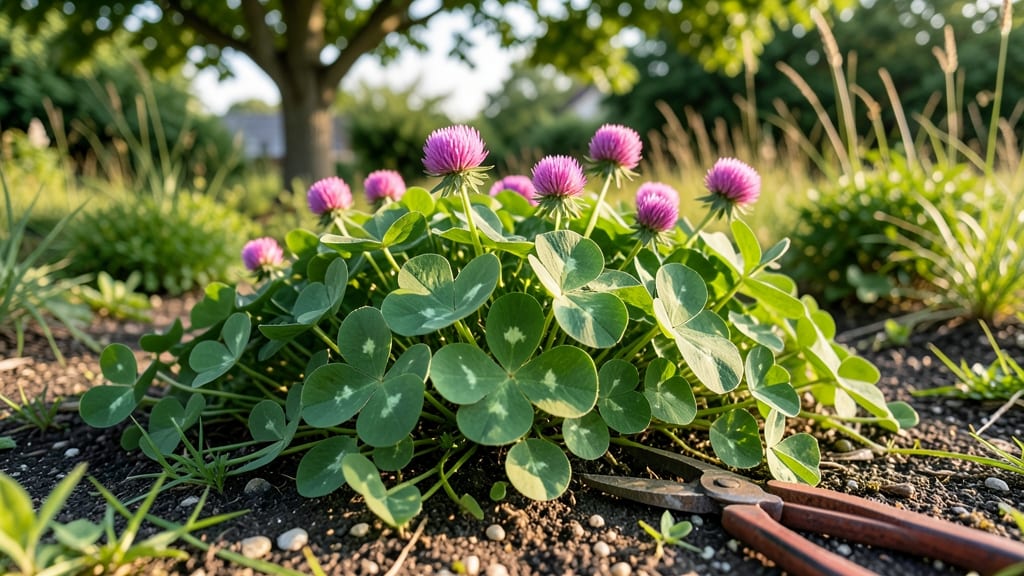
The red flowered clover turns any garden into a buzzing, blooming paradise with its stunning purple blossoms that dance in the breeze. 🌸 I’ll never forget the first time I scattered seeds along my meadow-style border—within weeks, the ground transformed into a sea of vibrant color that hummed with bees and butterflies.
This isn’t just a plant; it’s a living tapestry that works as hard as it looks, thriving in sun or partial shade with almost no effort.
What makes red flowered clover a game-changer for garden design? It’s the low-maintenance superstar that blooms from late spring through summer, offering seasonal interest without demanding attention. Pair it with lavender for a fragrant border, or let it spill over edges for a wildflower meadow feel.
The deep purple blooms contrast beautifully with silver foliage or bright greens, creating a striking visual punch in any landscape.
You’ll love how it attracts pollinators like a magnet—bees, butterflies, and even hummingbirds can’t resist its nectar. The flowers also self-seed, so once established, your garden keeps getting more vibrant year after year.
Perfect for borders, wildflower gardens, or as a ground cover that stays lush and colorful, red flowered clover is the easy way to add drama and life to your outdoor space.
Whether you’re designing a pollinator-friendly haven or just want to brighten up a shady corner, this clover delivers effortless beauty. Let’s bring that buzzing, blooming magic to your garden—no green thumb required.
📚 In This Guide
- What you need
- Instructions
- Tips and common mistakes
- Wrapping up and next steps
What you need
- ● Red Flowered Clover Seeds – 1 lb (or 100+ seeds for small patches). Look for organic, non-GMO varieties for best results.
- ● Well-draining soil – Mix topsoil with compost (ratio: 3 parts soil, 1 part compost) for optimal growth.
- ● Sunlight access – A spot with full sun (6+ hours/day) or partial shade (4-6 hours).
- ● Water source – A garden hose or watering can with a fine spray nozzle.
- ● Hand trowel or garden fork (for planting seeds).
- ● Garden rake (to loosen soil).
- ● Mulch (straw or wood chips) to retain moisture.
- ● Organic fertilizer (low-nitrogen, like 10-10-10) for established plants.
- ● Wait for spring or early fall planting (avoid frost!).
- ● Check local regulations—some areas restrict clover due to its nitrogen-fixing properties.
- ● Ensure no weeds compete for space (clover thrives in open areas!).
Step-by-Step guide to growing stunning red flowered clover
Here's how to cultivate this vibrant pollinator magnet with minimal fuss.
🌱 Step 1: Choose the Perfect Planting Spot
Red flowered clover thrives in full sun to partial shade—at least 6 hours of sunlight daily—but tolerates dappled shade in hotter climates. I always scout locations where the soil stays moist but drains well, like near established shrubs or along garden edges. Avoid low spots where water pools after rain.
Test your spot by pressing your finger 1 inch deep into the soil. If it feels compacted or clay-heavy, mix in 2 inches of compost to improve drainage. Red clover's roots need air, not soggy conditions. A slightly acidic to neutral soil (pH 6.0-7.0) works best—you can test this with a simple soil kit from your garden center.
🌿 Step 2: Prepare the Soil and Plant
Break up the soil to a depth of 4-6 inches, removing any weeds or grass that might compete with your clover. I like to loosen the soil in 12-inch diameter circles for each plant, creating a cozy nest for roots to spread. Sprinkle 1/2 cup of 5-10-5 fertilizer (or organic equivalent) into each circle and mix it in lightly—this gives your clover a slow-release nutrient boost.
Plant seeds 1/4 inch deep and 6 inches apart in rows 12 inches apart for a lush, continuous bloom. Press the soil gently around the seeds but don't pack it down—you want the soil to stay loose for easy root penetration. Water lightly to settle the soil, then wait for germination. You'll see tiny green sprouts in 7-14 days—don't be tempted to water again until the soil feels dry 1 inch down.
☀️ Step 3: Maintain for Continuous Blooms
Once established, red flowered clover is drought-tolerant but looks best with 1 inch of water per week during dry spells. Water deeply at the base in the morning to encourage deep root growth and reduce fungal risks. I always check the soil with my finger—if it feels dry, it's time to water.
Deadhead spent blooms occasionally to encourage more flowers, but don't go overboard—clover relies on self-seeding for next year's show. If you notice leaves yellowing, it's often a sign of too much water or poor drainage. Cut back affected stems to encourage fresh growth. This hardy plant rarely needs pruning, but a light trim after the first flush of blooms keeps the patch tidy.
🐝 Step 4: Enjoy the Pollinator Party
Here's where it gets fun—the real magic happens when bees, butterflies, and hummingbirds discover your clover. The vibrant purple blooms attract pollinators like crazy, and you'll see them visiting from early spring through fall. To keep the action going, avoid pesticides entirely—even "organic" sprays can harm beneficial insects.
For a natural look, let the plant spread gradually—it self-seeds readily and will naturalize over time. If you want to control its spread, cut back stems to 2 inches tall in late fall. This keeps the area tidy while preserving the plant's ability to regrow. Your red flowered clover will reward you with color and life for years to come.
Tips & tricks for perfect red flowered clover
Here's what nobody tells you about growing this pollinator favorite—details that'll make all the difference between a patchy garden and a vibrant, buzzing oasis.
Sunlight Secret: While red flowered clover tolerates partial shade, the 6 hours of sunlight daily mentioned in Step 1 is non-negotiable for those signature purple blooms. I've seen clover in shadier spots produce leaves but barely any flowers—it's worth moving your plants if they're not getting enough light. Morning sun is especially important as it helps prevent fungal issues from evening moisture.
Soil Prep Game-Changer: When breaking up soil to that 4-6 inch depth in Step 2, don't just scratch the surface—aim for a loose, crumbly texture throughout. I like to use a broadfork to loosen the soil without disturbing the deeper layers too much. This creates ideal conditions for those 12-inch diameter circles where roots can spread freely. Pro tip: Mix in a handful of sand if your soil feels particularly dense.
Watering Wisdom: The 1 inch of water per week guideline in Step 3 is perfect, but timing matters just as much. Water in the morning so leaves have all day to dry, which prevents fungal diseases. I've seen clover patches develop powdery mildew when watered late in the day—trust me, you don't want that ruining your pollinator party. And remember, once established, these plants are tough—they'll tell you when they're thirsty by wilting slightly.
Pollinator Perk: To maximize those buzzing visitors, let some blooms go to seed naturally. The seed heads provide food for birds and other wildlife long after the flowers fade. I always leave at least one corner of my clover patch completely wild—it becomes a mini ecosystem that benefits the whole garden. Just don't let it spread too aggressively into your lawn if you're not ready for that!
Pro Tips for Red Flowered Clover
- Here's what nobody tells you about growing this pollinator favorite—details that'll make all the difference between a patchy garden and a vibrant, buzzing oasis.
- Sunlight Secret: While red flowered clover tolerates partial shade, the 6 hours of sunlight daily mentioned in Step 1 is non-negotiable for those signature purple blooms.
- Soil Prep Game-Changer: When breaking up soil to that 4-6 inch depth in Step 2, don't just scratch the surface—aim for a loose, crumbly texture throughout.
Frequently asked questions
Got questions about red-flowered clover? You’re not alone!
Whether you’re curious about care, blooming habits, or pollinator benefits, we’ve got answers. Dive into these common queries to make the most of your vibrant purple patches.
When does red-flowered clover bloom, and how long do the flowers last?
Red-flowered clover typically blooms from late spring to early fall, with peak flowering in summer. Its vibrant purple flowers last about 2–4 weeks per bloom cycle, but the plant often produces multiple flushes if conditions (sunlight, water) are ideal. Deadhead spent blooms to encourage reblooming!
Does red-flowered clover attract bees and butterflies?
Absolutely!
This clover is a magnet for pollinators, including bees, butterflies, and even hummingbirds. Its nectar-rich flowers provide essential fuel for these creatures, making it a must-have for pollinator gardens. Plant it in sunny spots for maximum buzzing activity!
How do I keep red-flowered clover from spreading too aggressively?
While red-flowered clover is not as invasive as white clover, it can self-seed. To control spread:
- Mow or trim before seed heads form (late summer).
- Plant in contained beds with borders or mulch.
- Hand-pull seedlings if they pop up where you don’t want them.
How much water does red-flowered clover need?
This hardy plant is drought-tolerant once established (after 1–2 years). Water deeply 1–2 times per week during the first growing season, then reduce to occasional watering in dry spells. Overwatering can lead to root rot, so well-draining soil is key!
Can I grow red-flowered clover in containers or small gardens?
Yes! Red-flowered clover thrives in containers, window boxes, or small gardens as long as it gets:
- Full sun (6+ hours/day).
- Well-draining soil (mix in compost).
- Moderate watering (avoid soggy roots).
What can I plant alongside red-flowered clover for a pollinator-friendly garden?
Pair it with complementary pollinator plants like:
- Lavender (drought-loving & fragrant).
- Coneflowers (long bloom season).
- Bee balm (bright red/pink blooms).
- Yarrow (tough and colorful).
Wrapping up and next steps
Red flowered clover isn’t just a burst of vibrant purple—it’s a pollinator powerhouse that brings life to your garden while requiring minimal effort. Whether you’re a seasoned gardener or just starting, these hardy blooms prove that beauty and sustainability go hand in hand. 🌸
Ready to transform your outdoor space? Start small—plant a patch of red flowered clover this spring and watch as your garden becomes a buzzing hub for bees, butterflies, and hummingbirds. Your next step: Grab some seeds, pick a sunny spot, and let nature do the rest!