Flowers
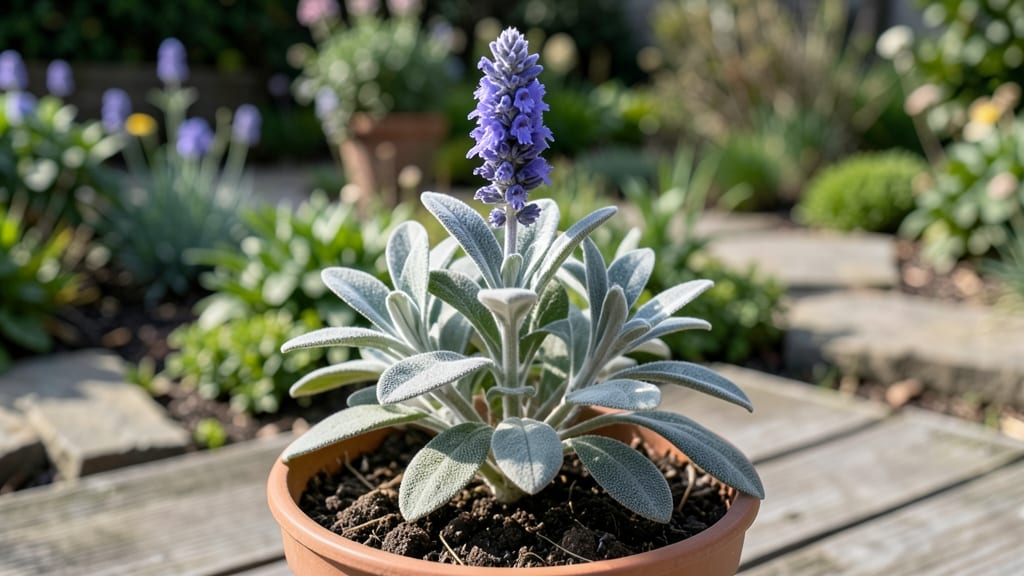
Combining sage and flowers creates a garden that smells as good as it looks. 🌿 The aromatic leaves and vibrant blooms attract pollinators while offering year-round interest—sage’s silvery foliage contrasts beautifully with annuals and perennials.
My favorite design pairs purple salvia with silver sage, creating a striking visual while keeping maintenance simple.
This combo thrives in full sun and well-draining soil, making it perfect for borders, containers, or pollinator patches. Sage’s drought tolerance means less watering, while flowers add bursts of color from spring through fall. The result? A low-maintenance garden that hums with bees and butterflies all season long.
You’ll love how the sage’s piney scent lingers in the air, especially when brushed by passing pollinators. Pair it with lavender, coneflowers, or black-eyed Susans for a fragrant, textured display that keeps blooming until frost. The best part? This design works in small spaces or large landscapes alike.
Start with a few sage plants as anchors, then fill gaps with seasonal flowers for continuous color. The contrast of sage’s silvery leaves against bright blooms creates visual drama, while the fragrance makes every stroll through the garden a sensory treat. Ready to design your own fragrant haven?
📚 In This Guide
- What you need
- Instructions
- Tips and common mistakes
- Wrapping up and next steps
What you need
- ● Sage plants: 3–5 Salvia officinalis (common sage) plants (perennial, drought-tolerant)
- ● 1–2 Salvia nemorosa (pink/white sage) plants (for taller varieties)
- ● Flowering plants (pollinator-friendly): 5–7 Lavender plants (e.g., English or Spanish lavender)
- ● 3–5 Coneflowers (Echinacea) (purple/pink/yellow blooms)
- ● 3–5 Black-eyed Susans (Rudbeckia) (golden-yellow flowers)
- ● 3–5 Bee balm (Monarda) (fragrant, hummingbird magnet)
- ○ Optional: Yarrow (Achillea) or Catmint (Nepeta) for extra texture
- ● Soil: 1–2 bags of well-draining potting mix or native soil amended with compost (avoid heavy clay)
- ● Mulch: 1–2 bags of organic mulch (e.g., straw or shredded bark) to retain moisture
- ● Basic gardening tools: Trowel or hand shovel
- ● Garden gloves (to protect your hands!)
- ● Pruners (for trimming sage and deadheading flowers)
- ● Watering can or hose with a gentle spray nozzle
- ○ Optional (but helpful!): Soil pH tester (ideal pH for sage: 6.0–7.0)
- ● Organic fertilizer (low-nitrogen, like 5-10-5)
- ● Drip irrigation kit (for low-maintenance watering)
- ● Decorative stones or pebbles (to enhance aesthetics)
- ● Location: A sunny spot (6+ hours of direct sunlight daily) with good airflow
- ● 🌡️ Spacing: Plant sage 18–24 inches apart and flowers 12–18 inches apart for optimal growth.
- ● ✨ Companion planting: Sage pairs beautifully with rosemary, thyme, and marigolds to repel pests naturally.
- ● 🔥 Drought prep: Sage thrives in dry conditions—group it with other drought-tolerant plants like lavender.
Step-by-Step instructions for designing a sage and flower pollinator garden
Here's how to create a fragrant, buzzing garden that thrives all year.
🌱 Step 1: Choose the Right Sage Varieties and Flower Companions
Start with purple sage and golden sage for their drought tolerance and fragrance. Pair them with lavender, catmint, and coneflowers—these flowers attract pollinators while complementing sage’s silvery foliage. I like to mix perennial flowers like black-eyed Susans with annuals such as marigolds for continuous color.
Plant sage in clusters of 3-5 plants spaced 18-24 inches apart to create a fragrant hedge. Flowers should be placed around the edges or in gaps between sage plants to avoid competition. The key is balancing sun-loving herbs with pollinator favorites that thrive in similar conditions.
☀️ Step 2: Select the Perfect Sunny Location
This garden needs full sun (6+ hours daily)—sage and most pollinator flowers wilt without it. I scout my yard for the sunniest spot, then mark the area with stakes to visualize the layout. If your space gets afternoon shade, opt for shade-tolerant flowers like salvia or Russian sage instead.
Test the soil by digging a 6-inch hole—if it feels dry and crumbly, you’re good. If it’s compacted or waterlogged, amend with 2 inches of compost before planting. Sage handles poor soil, but flowers like coneflowers need well-draining, nutrient-rich dirt to thrive.
💧 Step 3: Plant Sage and Flowers with Pollinator Needs in Mind
Dig holes twice as wide as the root ball but only as deep. Place sage plants 1 inch deeper than their container level—this encourages strong root growth. For flowers, follow the spacing on the plant tags (usually 12-24 inches apart), but don’t crowd them near sage’s roots.
Water deeply right after planting to settle the soil, then once a week for the first month. Mulch with 2 inches of shredded bark to retain moisture and suppress weeds. Here’s the thing—pollinators need water too, so add a shallow dish of water with pebbles or plant bee-friendly grasses near the garden.
✂️ Step 4: Maintain for Year-Round Beauty and Pollinator Traffic
Prune sage after flowering to keep it bushy—cut back one-third of the plant in early spring. For flowers, deadhead spent blooms weekly to encourage more flowers. I also shear back overgrown coneflowers in late summer to prevent flopping.
Fertilize lightly once in spring with balanced 10-10-10—too much nitrogen makes sage leggy. Watch for aphids on flowers or whiteflies on sage and blast them off with water if you see them. A healthy garden means fewer pests and more pollinators!
🪴 Step 5: Extend the Season with Fragrance and Structure
Add winter interest with ornamental grasses like fountain grass or evergreen shrubs like boxwood. These provide structure when sage turns brown. In fall, let some flowers go to seed—they’ll feed birds and provide next year’s pollinators.
Rotate flowers every few years to keep the garden fresh. Swap out annuals like zinnias for new varieties, and divide overgrown perennials in spring. This keeps the garden vibrant, fragrant, and buzzing from spring to frost!
Tips & tricks for perfect sage and flower pollinator gardens
Here’s what I’ve learned after years of creating buzzing, fragrant gardens that keep pollinators coming back.
Plant Placement Matters: In Step 1, when arranging your sage clusters of 3-5 plants spaced 18-24 inches apart, place them slightly deeper than their container level—this encourages stronger root growth. For flowers, I’ve found that positioning them around the edges or in gaps between sage plants prevents competition for sunlight and water, which keeps everything thriving.
Soil Prep Secret: Before planting in Step 2, dig that 6-inch hole to test your soil—if it’s compacted, amend with 2 inches of compost. Here’s the thing: Sage is forgiving, but flowers like coneflowers need well-draining, nutrient-rich dirt. I’ve seen gardens fail when people skip this step, so don’t overlook it!
Pollinator Water Station: In Step 3, when you’re setting up your garden, add a shallow dish of water with pebbles or plant bee-friendly grasses near the garden. Pollinators need water too, and this simple addition makes your garden a true haven. I’ve watched bees and butterflies flock to these stations on hot days!
Pruning Timing: The instructions say to prune sage after flowering in Step 4, but I’ve found that cutting back one-third of the plant in early spring gives it a fresh start. For flowers, deadheading weekly keeps them blooming, and shearing back overgrown coneflowers in late summer prevents flopping—trust me, it makes a difference!
Pro Tips for Sage And Flowers
- Here’s what I’ve learned after years of creating buzzing, fragrant gardens that keep pollinators coming back.
- Plant Placement Matters: In Step 1, when arranging your sage clusters of 3-5 plants spaced 18-24 inches apart, place them slightly deeper than their container level—this encourages stronger root growth.
- Soil Prep Secret: Before planting in Step 2, dig that 6-inch hole to test your soil—if it’s compacted, amend with 2 inches of compost.
Frequently asked questions
What’s the best time of year to plant sage and flowers together?
For most climates, late spring or early fall is ideal—when soil is warm but not scorching. Perennial sage thrives in cooler months, while annual flowers (like marigolds or zinnias) can handle spring planting. Pro tip: If planting in summer, water deeply and mulch to retain moisture!
Which flowers pair best with sage to attract pollinators?
Sage pairs beautifully with lavender, bee balm, coneflowers, and alyssum—all pollinator magnets! Avoid heavy feeders like petunias, which compete for nutrients. Bonus: Mix in thyme or rosemary for a Mediterranean-inspired, drought-resistant combo.
How often should I water a sage and flower garden?
Sage is drought-tolerant once established, but flowers need consistent moisture. Water deeply 2–3 times per week in dry spells, aiming for 1–1.5 inches of water total. Mulch with straw or wood chips to lock in moisture and deter weeds.
Can I grow sage and flowers in containers?
Use large pots (12+ inches deep) with drainage holes and a well-draining mix (like cactus/succulent soil). Pair sage with compact flowers like nasturtiums or dwarf marigolds. Warning: Containers dry out faster—check soil moisture daily in hot weather!
How do I keep pests away from my sage and flowers?
Sage naturally deters many pests, but aphids or spider mites may still appear. Spray with neem oil or introduce ladybugs. For flowers, remove damaged leaves and avoid overwatering. Prevention tip: Plant garlic chives or basil nearby for extra pest control!
Wrapping up and next steps
Creating a sage and flower garden is a rewarding way to invite pollinators, fill your space with fragrance, and enjoy year-round beauty—without the fuss! 🌿 Whether you're a beginner or seasoned gardener, this fragrant haven offers low-maintenance charm and ecological benefits.
Start small, experiment with textures and scents, and watch your garden thrive.
Ready to transform your outdoor space? Pick one plant to add this weekend—your bees, butterflies, and future self will thank you! 🐝✨