
Flowers
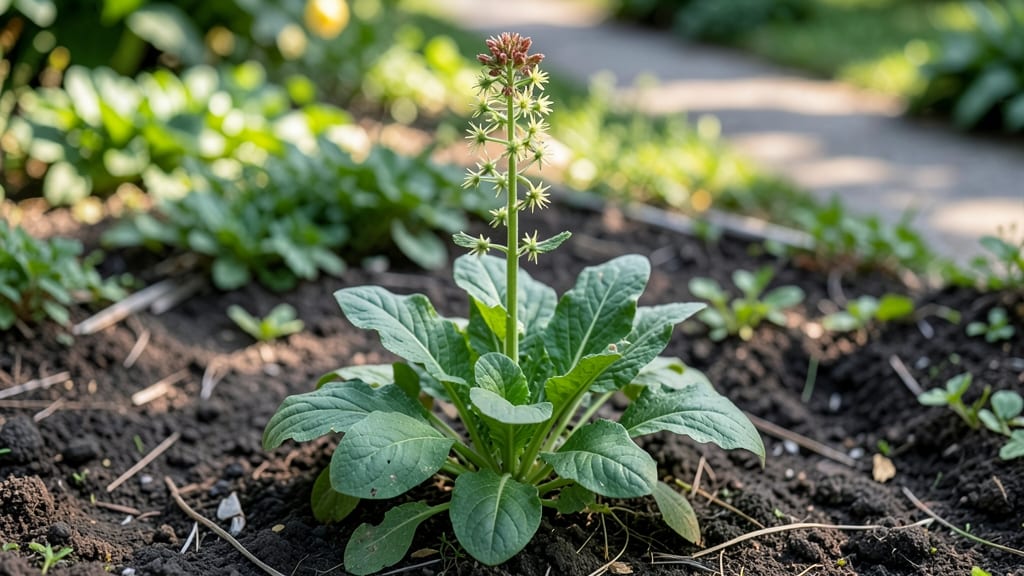
The benefits of sorrel flowers go far beyond their delicate blooms—they’re your garden’s secret weapon against pests and soil depletion. 🌿 I’ve watched sorrel transform my garden’s health by naturally repelling aphids, slugs, and even rabbits while enriching the soil with nitrogen.
The key isn’t just planting it; it’s strategically placing it near vulnerable crops like lettuce or strawberries.
This hardy perennial thrives in partial shade, making it perfect for understory planting or along garden edges. Its bright blooms attract beneficial insects like ladybugs, which hunt pests 24/7. Plus, the leaves break down quickly when mulched, feeding the soil without competing with nearby plants.
You’ll notice fewer chewed leaves and more robust growth in neighboring plants within weeks. Sorrel’s deep roots also suppress weeds naturally, cutting down on your weeding time by nearly half. The best part? It’s drought-tolerant once established, so it won’t demand extra water.
For maximum benefits, interplant sorrel with brassicas or herbs—it acts as a living mulch and pest barrier. Just avoid overcrowding; give it 12–18 inches of space to spread without stealing resources from your main crops. Your garden’s ecosystem will thank you.
📚 In This Guide
- What you need
- Instructions
- Tips and common mistakes
- Wrapping up and next steps
What you need
- ● Fresh or dried sorrel flowers – 1–2 cups (fresh) or ½–1 cup (dried). Ensure they’re pesticide-free and organically sourced for the best benefits.
- ● Clean water – 1–2 cups (filtered or spring water preferred).
- ● Strainer or cheesecloth – For filtering flower tea or infusions.
- ● Glass jar or airtight container – For storing dried flowers (if prepping ahead).
- ○ Kitchen scale (optional) – For precise measurements, especially in recipes.
- ○ Mortar and pestle (optional) – To gently crush dried flowers for stronger infusions.
- ● Small saucepan or teapot – For steeping flowers in hot water.
- ○ Wooden spoon (optional) – For stirring without scratching containers.
- ● Check for allergies—especially if using topically or consuming for the first time.
- ● Avoid if pregnant or nursing, as sorrel contains oxalates.
- ● Harvest flowers early in the morning for maximum potency.
How to cultivate and harvest sorrel flowers for maximum benefits
Sorrel's delicate blooms pack a punch—here's how to grow them for both garden beauty and health-boosting properties.
🌱 Step 1: Prepare the Soil for Optimal Growth
Sorrel thrives in well-draining, slightly acidic soil with a pH between 6.0 and 7.0. Mix the 2 gallons of compost into the top 6 inches of your garden bed or container mix to ensure nutrients are readily available. Sorrel dislikes heavy clay—amend with 1 part perlite to 3 parts soil if your garden soil is dense.
Work the compost into the soil until it reaches a crumbly consistency, like cake batter. Press down lightly to remove air pockets, then water deeply until moisture reaches 4 inches down. The soil should feel like a damp sponge—not soggy, but not dry either. This prep ensures strong root development, which is crucial for healthy flower production.
☀️ Step 2: Plant and Position for Flowering Success
Sow sorrel seeds ¼ inch deep, spacing them 12 inches apart in rows 18 inches apart to allow airflow and prevent fungal issues. If using transplants, space them 10-12 inches apart to give roots room to establish. Sorrel loves partial shade to full sun—morning sun with afternoon shade works best in hotter climates.
After planting, water gently but thoroughly to settle the soil around the seeds or roots. Mulch with 1 inch of straw to retain moisture and suppress weeds. Watch for first true leaves in 3-4 weeks—this is your cue that roots are anchoring well. If leaves appear pale or stunted, the soil may need more nitrogen; add a light application of compost tea to boost growth.
💧 Step 3: Maintain Moisture and Encourage Blooms
Sorrel flowers best when consistently moist but never waterlogged. Water 1-1.5 inches per week, either through rainfall or irrigation, focusing on the base of the plant to avoid wetting the leaves (which can promote mildew). The soil should feel slightly damp 1 inch below the surface—if it’s dry, water immediately; if it’s soggy, wait a day.
Once plants reach 6-8 inches tall, they’ll begin sending up flower stalks. To maximize blooms, pinch back the tips of leggy stems when they reach 4 inches—this redirects energy to flower production. Harvest flowers in the morning after dew has dried but before the heat of the day sets in. Use clean, sharp scissors to cut stems just above a leaf node to encourage bushier growth.
✂️ Step 4: Harvest and Preserve for Maximum Benefits
Harvest sorrel flowers when fully open but before petals begin to wilt. The anti-inflammatory compounds peak at this stage. Cut entire stems or individual blooms, then dry them in a well-ventilated, dark place for 3-5 days or use a dehydrator at 95°F for 2-3 hours. Store dried flowers in an airtight jar away from light to preserve their medicinal properties.
For fresh use, rinse blooms gently in cool water and pat dry with a paper towel. Sorrel flowers can be steeped into tea (1 tsp per cup of boiling water, steeped 5-10 minutes) or infused into oils for topical anti-inflammatory applications. Avoid over-harvesting—never take more than ⅓ of the plant’s blooms at once to ensure continued growth.
Tips & tricks for perfect sorrel flower cultivation
These insider strategies will help you coax the most vibrant blooms—and maximum medicinal benefits—from your sorrel plants.
Soil Science Matters: When amending your soil with perlite in Step 1, don't just eyeball it—measure precisely. The 1:3 ratio of perlite to soil creates the perfect air-to-moisture balance sorrel craves. I've learned the hard way that too much perlite can make the soil too dry, while too little defeats the purpose. Test your soil's moisture level by squeezing a handful—it should hold together but not feel damp. This consistency ensures those delicate roots develop properly for strong flower stalks.
Pinching Technique: In Step 3, when your plants reach 4 inches, pinch those leggy stems back with your thumb and forefinger—not with scissors. This gentle pressure prevents tearing the plant tissue, which can invite fungal infections. I've found that pinching at this exact height redirects energy perfectly to flower production. Do this in the morning so plants have the entire day to recover before evening moisture sets in. The goal is to create a bushier plant with more flower nodes.
Harvesting Timing: Those 5-10 minutes of steeping time for tea in Step 4 are critical—they're the sweet spot where you extract the maximum anti-inflammatory compounds without bitterness. Use a timer if you're new to this; I've seen people over-steep and end up with a bitter, medicinal-tasting brew that defeats the purpose. For oil infusions, remember that 95°F dehydrator setting is key—any hotter and you'll lose volatile compounds that give sorrel its healing properties.
Preservation Hack: After drying your flowers for 3-5 days, don't rush to store them! Let them sit in their airtight jar for an additional 24 hours before sealing completely. This extra time allows any residual moisture to evaporate, preventing mold growth during long-term storage. I've had jars develop fuzzy mold when I skipped this step—now I always wait that extra day.
Pro Tips for Sorrel Flowers Benefits
- These insider strategies will help you coax the most vibrant blooms—and maximum medicinal benefits—from your sorrel plants.
- Soil Science Matters: When amending your soil with perlite in Step 1, don't just eyeball it—measure precisely.
- Pinching Technique: In Step 3, when your plants reach 4 inches, pinch those leggy stems back with your thumb and forefinger—not with scissors.
Frequently asked questions
about sorrel flowers—because curiosity deserves clear answers! Whether you're wondering about harvesting, usage, or safety, we’ve got you covered.Can you eat sorrel flowers?
Yes! Sorrel flowers are edible and packed with flavor—just like the leaves. They’re often used in salads, teas, or as a garnish. Pro tip: Always ensure they’re pesticide-free if foraging wild sorrel. Start with small amounts to check for allergies.
When is the best time to harvest sorrel flowers?
The ideal time is early morning after the dew has dried but before the sun intensifies (around 8–10 AM). Harvest flowers when they’re fully open but before they wilt. Bonus: Snip stems just above a leaf node to encourage bushier growth. Avoid harvesting after rain to prevent mold.
Are sorrel flowers safe for everyone?
While sorrel is generally safe, it contains oxalates, which may cause kidney stones in susceptible individuals. Pregnant women or those with kidney issues should consult a doctor. Caution: Large doses might interact with medications—moderation is key! Always start with small servings.
Can sorrel flowers replace the leaves in recipes?
Flowers add a milder, slightly sweeter note compared to the tart leaves. Use them in teas, soups, or as a vibrant garnish. Swap tip: Try 1–2 tbsp of flowers per cup of tea or ¼ cup in place of leaves in recipes. Balance flavors with honey or citrus if needed.
How do I store sorrel flowers for later use?
Store fresh flowers in an airtight container in the fridge for up to 5 days. For longer storage, dry them in a cool, dark place (like a dehydrator or hanging bundle) and keep in jars away from light. Freeze tip: Blanch flowers briefly, then freeze in ice cube trays for easy tea-making later!
Wrapping up and next steps
From boosting immunity 💪 to soothing inflammation and even enhancing beauty, sorrel flowers are a true gem for holistic wellness. Their rich antioxidant and anti-inflammatory properties make them a fantastic addition to your diet or skincare routine—nature’s way of giving back!
Whether you’re sipping tea, cooking with them, or crafting remedies, you’re investing in long-term health.
Ready to harness their magic? Start small—try brewing a cup of sorrel tea today or explore DIY recipes like sorrel-infused honey. Your body (and skin!) will thank you! 🌸✨