
Flowers
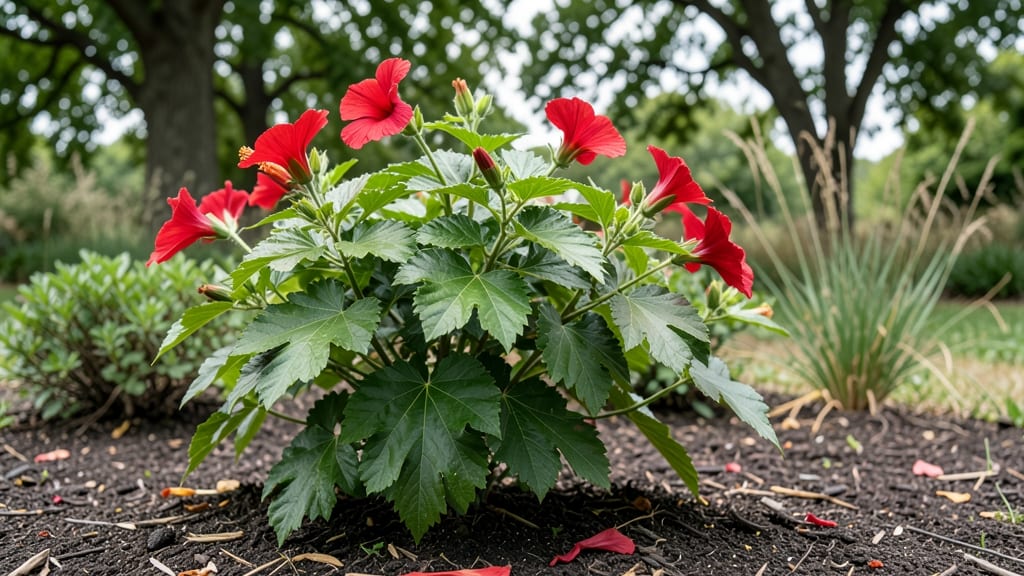
Growing sorrel hibiscus means vibrant blooms that last from spring through fall—and maybe even winter in the right climate. 🌸 I’ve watched mine thrive in containers on my porch, where the bright flowers draw hummingbirds while needing almost no extra attention.
The key lies in mimicking its natural tropical habits: warm soil, consistent moisture, and a little shade from midday sun.
This plant is a low-maintenance superstar for borders or pots, loving well-draining soil with a touch of compost. It tolerates heat and humidity beautifully, making it perfect for zones 9-11, though you can grow it as an annual elsewhere.
Just avoid soggy roots—drainage is everything—and you’ll see those bold, saucer-shaped blooms return week after week.
Pruning spent flowers encourages more blooms, and a light fertilizer boost in spring keeps growth lush. Pests rarely bother it, but watch for aphids if you’re growing near other plants. The result? A year-round splash of color that outshines many fussier flowers.
Works as a standalone specimen, mixed in borders, or even in containers—just give it space to stretch. Let’s get those roots settled so you can enjoy the show!
📚 In This Guide
- What you need
- Instructions
- Tips and common mistakes
- Wrapping up and next steps
What you need
- ● Sorrel hibiscus seeds: 10–20 seeds (or 2–3 young plants from a nursery). Opt for organic, non-GMO seeds for best results.
- ● Well-draining potting mix or garden soil: 5–10 gallons (for containers) or amended garden soil (for in-ground planting). Mix in compost for nutrient-rich soil!
- ○ Containers (optional but helpful): 5–7 gallon pots with drainage holes (if growing in pots) or a sunny garden bed (6+ hours of sunlight daily).
- ● Slow-release fertilizer: 1–2 cups of balanced 10-10-10 or organic compost tea to kickstart growth.
- ● Mulch: Straw or shredded leaves (2–3 inches) to retain moisture and suppress weeds.
- ● Hand trowel or small shovel for planting seeds or seedlings.
- ● Watering can or hose with a gentle spray nozzle (sorrel hibiscus loves consistent moisture!).
- ● Pruning shears (for trimming dead leaves or shaping plants as they grow).
- ○ Support stakes or trellis (optional): Tall varieties (like ‘Roselle’) may need stakes for climbing.
- ○ pH testing kit (optional): Sorrel hibiscus thrives in slightly acidic soil (pH 6.0–6.8). Adjust with lime or sulfur if needed.
- ● 🌡️ Climate note: Sorrel hibiscus grows best in USDA Zones 7–11. In cooler zones, start seeds indoors 6–8 weeks before the last frost.
- ● ✨ Soil prep: If your soil is heavy clay, mix in perlite or coconut coir to improve drainage.
- ● 💧 Watering: Keep soil consistently moist (but not soggy) during the growing season. Drought-tolerant once established!
Step-by-step guide to cultivating sorrel and hibiscus for continuous blooms
Here’s how I grow both vibrant sorrel and showy hibiscus with minimal effort—just follow these clear steps.
🌱 Step 1: Choose the Right Varieties and Planting Sites
Sorrel thrives in partial shade with moist, well-draining soil, while hibiscus demands full sun and rich, slightly acidic soil (pH 6.0-6.5). I plant sorrel in containers or shaded garden beds, while hibiscus gets a sunny spot with afternoon shade in hot climates. Both dislike soggy roots, so amend heavy soil with compost to improve drainage.
For hibiscus, select dwarf varieties like 'Luna Red' if space is limited—they still produce stunning blooms but stay manageable. Sorrel, on the other hand, spreads aggressively, so contain it in pots if you prefer tidy growth. Plant both in spring after the last frost for best establishment.
☀️ Step 2: Establish Optimal Light and Watering Routines
Hibiscus needs 6+ hours of direct sunlight daily—no compromise here. Move potted hibiscus outdoors in spring but bring them inside before temperatures drop below 50°F. Sorrel, meanwhile, tolerates 3-4 hours of morning sun and thrives in dappled shade. Watch for yellowing leaves on hibiscus; that’s a sign it’s getting too much heat without enough water.
Water hibiscus deeply 2-3 times per week, keeping soil consistently moist but not waterlogged. Sorrel prefers even moisture—let the top inch dry out between waterings to prevent fungal issues. Mulch both plants with 2-3 inches of organic mulch (like shredded bark) to retain moisture and suppress weeds. This step saves me hours of weeding and watering later.
💧 Step 3: Fertilize for Lush Growth and Abundant Blooms
Feed hibiscus with a balanced liquid fertilizer (10-10-10) every 2 weeks during growing season, then switch to a low-phosphorus formula (like 8-3-9) in late summer to encourage more blooms. Sorrel, being a leafy green, benefits from organic compost tea or a low-nitrogen fertilizer (5-5-5) monthly. Over-fertilizing sorrel leads to leggy growth—stick to light applications.
I also top-dress both plants with aged compost in early spring to replenish nutrients. Hibiscus loves a boost of Epsom salt (1 tablespoon per gallon of water) monthly for vibrant blooms, but skip it for sorrel—it’s not needed. Always water thoroughly after fertilizing to prevent root burn.
✂️ Step 4: Prune and Deadhead for Year-Round Production
Prune hibiscus after flowering seasons (late winter or early spring) to shape the plant and encourage new growth. Cut back leggy stems by one-third to promote bushier habits. Sorrel, meanwhile, benefits from regular harvesting—pinch back outer leaves to encourage tender regrowth. Don’t let sorrel bolt; harvest leaves before they turn bitter.
Deadhead hibiscus blooms as they fade to redirect energy into new flowers. I also remove any yellowing or diseased leaves immediately to keep plants healthy. For hibiscus, prune again in mid-summer to control size and shape. Sorrel’s vigorous growth means I harvest it weekly, which keeps it compact and flavorful.
🌿 Step 5: Overwinter for Next Year’s Growth
Hibiscus needs winter protection if temperatures drop below 30°F. Move potted hibiscus indoors near a south-facing window or use a grow light to supplement 12-14 hours of light daily. Reduce watering but keep soil slightly moist. Sorrel, being cold-hardy, can stay outdoors in USDA zones 5-10 with a thick mulch layer (4-6 inches) to insulate roots.
In spring, resume fertilizing and pruning as usual. Hibiscus will reward you with fresh blooms by mid-summer if cared for properly. Sorrel, meanwhile, will bounce back quickly after winter, ready for another season of harvests. This step ensures both plants return stronger every year.
Tips & tricks for perfect sorrel and hibiscus cultivation
Real talk: These two plants have completely different needs, so I'm going to save you the headache I went through by sharing what nobody tells you about keeping them both thriving.
Lighting Strategy: For hibiscus, that 6+ hours of direct sunlight is non-negotiable—if you're in a high-rise apartment, consider a south-facing window with supplemental grow lights. I've seen hibiscus leaves burn when moved from shade to full sun too quickly, so introduce them gradually over 7-10 days. Sorrel, meanwhile, will actually appreciate some afternoon shade in hot climates—this prevents the leaves from turning bitter.
Soil Science: The pH difference between these plants is crucial: hibiscus thrives at 6.0-6.5 while sorrel is more adaptable but still prefers slightly acidic soil. Test your soil before planting—if it's too alkaline, amend with peat moss or pine needles. I've found that adding 1 tablespoon of sulfur per square foot can help lower pH for hibiscus, but sorrel won't need this adjustment. The compost recommendation in Step 1 is your best friend here—it improves both drainage and nutrient content simultaneously.
Watering Wisdom: The 2-3 times per week watering for hibiscus might seem like a lot, but it's essential for those deep roots. I've learned to check moisture by sticking my finger 2 inches into the soil—if it's dry, that's your cue. For sorrel, that top inch drying out between waterings prevents fungal issues while still keeping the soil moist enough for tender leaves. Pro tip: Use a moisture meter for hibiscus—it's the only way to get consistent results with deep watering.
Fertilizer Finesse: That 10-10-10 fertilizer every 2 weeks for hibiscus might seem aggressive, but it's exactly what these tropical plants need during their growing season. I've found that applying it in the morning gives the roots time to absorb nutrients before the heat of the day. For sorrel, the 5-5-5 monthly application is perfect—any more nitrogen and you'll get tough, stringy leaves instead of the tender ones we want. And that 1 tablespoon of Epsom salt per gallon for hibiscus? It's a game-changer for vibrant blooms, but remember to flush the soil after 3-4 applications to prevent salt buildup.
Pro Tips for Sorrel Hibiscus Flower
- Real talk: These two plants have completely different needs, so I'm going to save you the headache I went through by sharing what nobody tells you about keeping them both thriving.
- Lighting Strategy: For hibiscus, that 6+ hours of direct sunlight is non-negotiable—if you're in a high-rise apartment, consider a south-facing window with supplemental grow lights.
- Soil Science: The pH difference between these plants is crucial: hibiscus thrives at 6.0-6.5 while sorrel is more adaptable but still prefers slightly acidic soil.
Frequently asked questions
Got questions about growing and using sorrel hibiscus flowers? You’re not alone—this vibrant plant has plenty of surprises! Here are some of the most common queries, answered in a flash.
How long does it take for sorrel hibiscus to flower?
With the right care, you’ll see those stunning Hibiscus sabdariffa blooms in 4–6 months from seed, or even sooner if you start with young plants. Warmth and consistent moisture speed things up—just imagine those bright flowers popping up like clockwork!
Can I grow sorrel hibiscus indoors?
Place it near a sunny window (south-facing is ideal) or under grow lights for 6+ hours daily. Use a well-draining pot and keep soil moist. Just watch for pests—indoor plants can attract spider mites faster than you’d think!
What’s the difference between sorrel hibiscus and regular hibiscus?
Sorrel hibiscus
(Hibiscus sabdariffa) is edible—its leaves are tangy, and its calyces (the “flowers”) are used in teas and jams. Regular hibiscus (like Hibiscus rosa-sinensis) is purely ornamental. Plus, sorrel hibiscus thrives in tropical climates and is drought-tolerant once established.
Why aren’t my sorrel hibiscus flowers opening?
Check these fixes:
- Light: Needs full sun (6+ hours)—move it if shaded.
- Water: Too much or too little stresses the plant. Aim for consistent moisture.
- Nutrients: Feed with balanced fertilizer every 4–6 weeks.
- Age: Young plants may take time—patience is key!
Can I use sorrel hibiscus leaves like spinach?
Yes! The leaves and stems are packed with vitamin C and oxalates (so moderation is key). Use them raw in salads (mildly tart) or cooked like spinach—just blanch to reduce oxalic acid. Pro tip: Harvest leaves before flowering for the best flavor!
Does sorrel hibiscus survive winter?
In USDA Zones 9–11, it’s perennial and thrives year-round. In cooler climates (Zones 7–8), grow it as an annual or overwinter indoors. Mulch heavily if trying to protect it—frost will kill it, but you can regrow from seeds next spring!
Wrapping up and next steps
Growing sorrel hibiscus is a rewarding journey that brings vibrant blooms and luscious leaves to your garden with minimal effort! Whether you're a seasoned gardener or just starting, this hardy plant thrives in diverse conditions, offering year-round harvests of beauty and utility.
Embrace the joy of nurturing this versatile plant and watch it flourish—your green space (and taste buds!) will thank you.
Ready to dive deeper? Start small—plant a few seeds or cuttings this week, and let your sorrel hibiscus adventure begin! 🌱 For more tips, explore companion plants or creative ways to use its leaves and flowers in your kitchen or crafts.