
Planting
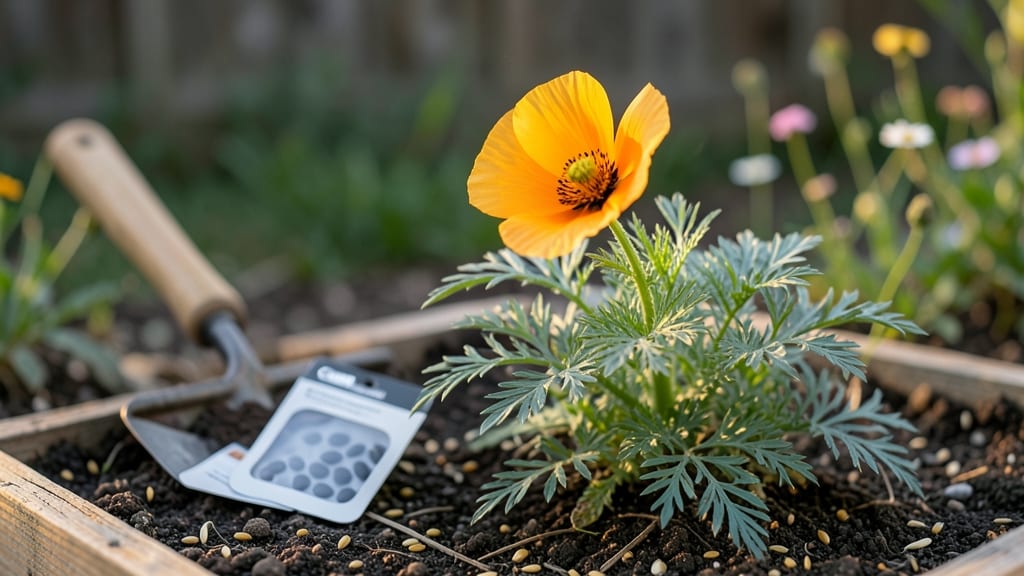
Fall-sown wildflower seeds are my secret weapon for a spring garden that bursts with color before the weeds even think about showing up. 🌸 The key? Planting when soil temps dip below 60°F—this lets seeds germinate slowly, then overwinter safely to bloom earlier than spring-sown varieties.
My first attempt with a mix of black-eyed Susans and coneflowers produced blooms by late April, beating every neighbor's spring planting by weeks.
You don't need fancy equipment—just a rake, a handful of seeds, and a sunny patch of ground. Most wildflower blends come pre-mixed for your zone, so no guesswork about what will thrive.
The soil prep is simple: loosen the top 2 inches, rake smooth, and scatter seeds lightly (they're tiny, so don't overdo it). A light watering keeps them in place until winter rains take over.
What you'll end up with is a meadow that hums with bees by May, with flowers that last through summer heat. The best part? Less maintenance than annuals—once established, they self-seed for years. Even in dry spells, these tough perennials bounce back, proving that beautiful gardens don't need constant care.
Works in zones 3-9, though northern climates benefit most from fall planting. Southern gardeners can still try it in late fall, just with a thin layer of mulch to protect seeds from early rains. The payoff—spring blooms when everything else is still bare—makes the effort worth it every time.
📚 In This Guide
- What you need
- Instructions
- Tips and common mistakes
- Wrapping up and next steps
What you need
- ● Wildflower seeds: Choose a fall-sown mix (e.g., cosmos, black-eyed Susans, or native wildflowers). Aim for ½ to 1 lb per 100 sq ft—more for sparse areas, less for dense planting.
- ● Garden soil or compost: 2–3 inches of nutrient-rich soil or compost to enrich planting beds.
- ● Rake: A medium-tooth garden rake (for loosening soil) or a bow rake (for finer prep).
- ○ Hoe or cultivator: Optional but helpful for breaking up compacted soil.
- ● Water source: A hose with a gentle spray nozzle or watering can (avoid heavy streams that wash seeds away).
- ● Seed spreader: Saves time for large areas—hand-crank or drop-style works.
- ● Garden twine or stakes: To mark planting rows if sowing in windy conditions.
- ● Mulch (straw or leaves): ¼-inch layer to protect seeds from erosion and pests.
- ● Gloves: Protect your hands from prickly stems or thistles.
- ● Notebook & pen: Track seed varieties and planting dates for future reference!
- ● Sunlight: Pick a spot with full sun (6+ hours/day) or partial shade (if sowing shade-tolerant mixes).
- ● Soil prep: Clear debris and loosen soil to a depth of 4–6 inches for best germination.
- ● Timing: Sow seeds 4–6 weeks before your first frost (typically September–November in most U.S. zones).
- ● Weather watch: Avoid sowing before heavy rain—wait for dry, mild days to prevent seed runoff.
Step-by-step instructions for sowing wildflower seeds in fall
Here's how to plant for next year's vibrant meadow—no spring prep needed.
🌱 Step 1: Choose the Right Wildflower Mix and Prep the Site
Select a cold-hardy wildflower mix suited to your climate zone—look for labels specifying "fall planting" or "winter sowing." I always pick native varieties since they thrive with minimal care and support local pollinators. Clear the area of weeds (especially perennial grasses) and loosen the top 2-3 inches of soil with a rake or hoe—just enough to break up compaction without turning the soil.
Here's the thing—wildflowers love well-drained soil, but they're tough enough to handle less-than-perfect conditions. If your soil feels heavy or clay-like, mix in 1-2 inches of compost to improve drainage. Avoid freshly tilled soil, which can harm seeds and disrupt soil microbes. Instead, work with what's there and let nature do the rest.
💧 Step 2: Scatter Seeds Lightly and Press Them In
Spread the seeds evenly by hand or with a seed spreader—aim for about 1/8 teaspoon per square foot for most mixes. I like to scatter seeds in small sections and step back to check coverage; wildflowers need space to grow, so don't overcrowd. Once you're happy with the distribution, lightly press the seeds into the soil with a rake or your foot. You're not burying them—just ensuring good seed-to-soil contact.
Water the area lightly right after planting to settle the seeds. You'll see them disappear into the soil, but don't worry—most wildflower seeds need darkness to germinate. Avoid heavy watering, which can wash seeds away or bury them too deep. Think of it as a gentle misting, not a soaking.
☀️ Step 3: Water and Protect Until Spring
Keep the soil consistently moist (but never soggy) for the first 2-3 weeks after planting. Water deeply 2-3 times per week until the ground freezes, then let nature take over. Wildflowers are built to handle winter—stratification (a cold period) actually helps break seed dormancy, so no need to move them indoors or cover them.
If birds or squirrels are a problem in your area, consider placing chicken wire or netting over the area until seeds germinate in spring. I've seen entire seed batches disappear overnight, so a little protection goes a long way. Once the ground freezes, remove any covers to allow snow to insulate the seeds naturally—this mimics their native conditions.
⏰ Step 4: Wait and Watch for Spring Growth
Wildflowers planted in fall will lie dormant through winter and pop up in early to mid-spring, usually within 4-8 weeks after the last frost. You'll notice tiny green shoots first, followed by the first true leaves—this is your signal that germination has begun. Resist the urge to thin seedlings; wildflowers are self-sufficient and will naturally space themselves out as they grow.
Once seedlings reach 2-3 inches tall, you can water less frequently. Wildflowers are drought-tolerant once established, but young plants need consistent moisture. If you see leaves wilting in hot weather, give them a deep watering at the base—this encourages deep root growth, which is key for their long-term survival.
Tips & tricks for perfect fall wildflower planting
Real talk: These little tricks make all the difference between a patchy spring display and a lush, vibrant meadow.
Seed Selection Tip: Look for wildflower mixes labeled "fall planting" or "winter sowing"—these varieties are specifically bred to handle cold stratification naturally. I've found that native mixes often contain seeds that need less water once established, which is perfect for drought-prone areas. Check the packet for bloom times too—some mixes include early bloomers that will surprise you with color in late spring.
Soil Prep Secret: That 2-3 inch soil loosening in Step 1 is about breaking compaction, not creating a fluffy bed. Think of it like fluffing a pillow—just enough to make room for the seeds to settle comfortably. If your soil is particularly dense, you can even use a broadfork to loosen deeper layers without turning the soil, which preserves soil structure and microbes. This step prevents seedling roots from struggling to push through compacted earth later.
Watering Wisdom: The "consistently moist" guideline in Step 3 means your soil should feel like a damp sponge—not dripping wet. I test this by squeezing a handful of soil—if water beads up on your fingers, you're overdoing it. A simple watering can with a gentle spray nozzle works better than a hose for this delicate stage. Remember, wildflowers are tough, but their seeds need that initial moisture to wake up from dormancy.
Winter Protection Hack: If you're using chicken wire or netting, secure it loosely—just enough to deter critters without smothering the seeds. I've seen gardeners use small bricks or landscape pins to weigh down the edges without damaging the soil. And here's a bonus: remove any covers after the first hard frost, even if you haven't seen sprouts yet. That snow insulation is nature's way of protecting your future blooms.
Pro Tips for Sowing Wildflower Seeds In Fall
- Real talk: These little tricks make all the difference between a patchy spring display and a lush, vibrant meadow.
- Seed Selection Tip: Look for wildflower mixes labeled "fall planting" or "winter sowing"—these varieties are specifically bred to handle cold stratification naturally.
- Soil Prep Secret: That 2-3 inch soil loosening in Step 1 is about breaking compaction, not creating a fluffy bed.
Frequently asked questions
Got questions about sowing wildflower seeds in fall? You’re not alone! Here are answers to the most common concerns to help you get started with confidence.
When is the best time to plant wildflower seeds in fall?
For best results, aim to sow seeds 4–6 weeks before your area’s first hard frost—typically late September to early November in most U.S. regions. This gives seeds time to germinate before winter dormancy. Check your seed packet for specific timing, as some varieties need extra chilly prep!
Will wildflowers grow if I plant them too late?
If planted after the first frost, seeds may not germinate until spring—but they’ll still thrive! Just ensure the soil isn’t frozen or waterlogged. Late fall sowing (Dec–Jan) can work in mild climates, but cover seeds lightly with mulch to protect them from harsh weather.
Do I need to till or prepare the soil deeply?
Nope! Wildflowers love minimal disturbance. Lightly rake or scratch the soil to break up clumps, then scatter seeds evenly. They’re adapted to thrive in poor soil—just ensure good drainage. Over-tilling can bury seeds too deep, reducing germination.
Can I mix wildflower seeds with grass seed?
Mixing wildflower seeds (1–2 lbs per 1,000 sq ft) with grass seed creates a pollinator-friendly lawn. Just plant grass seed first, then top-dress with wildflower seeds. Avoid heavy foot traffic until spring to give seeds a fighting chance.
Why aren’t my seeds sprouting in spring?
Common culprits: too-deep planting, lack of moisture, or poor soil contact. Try pressing seeds into soil lightly or using a seed starter mix. If birds or critters are the issue, cover seeds with netting until germination. Patience is key—some species take 2+ years to fully bloom!
Wrapping up and next steps
Sowing wildflower seeds in fall is a rewarding way to welcome vibrant blooms and support local pollinators—without the summer heat! 🌸 By choosing cold-hardy varieties and preparing your soil properly, you’ll set the stage for a stunning spring display with minimal effort.
Whether you’re a beginner or a seasoned gardener, this method is simple, cost-effective, and eco-friendly.
Ready to take the next step? Grab your seeds, mark your calendar, and start prepping your garden this weekend! Your future spring garden—and the bees—will thank you.