Planting
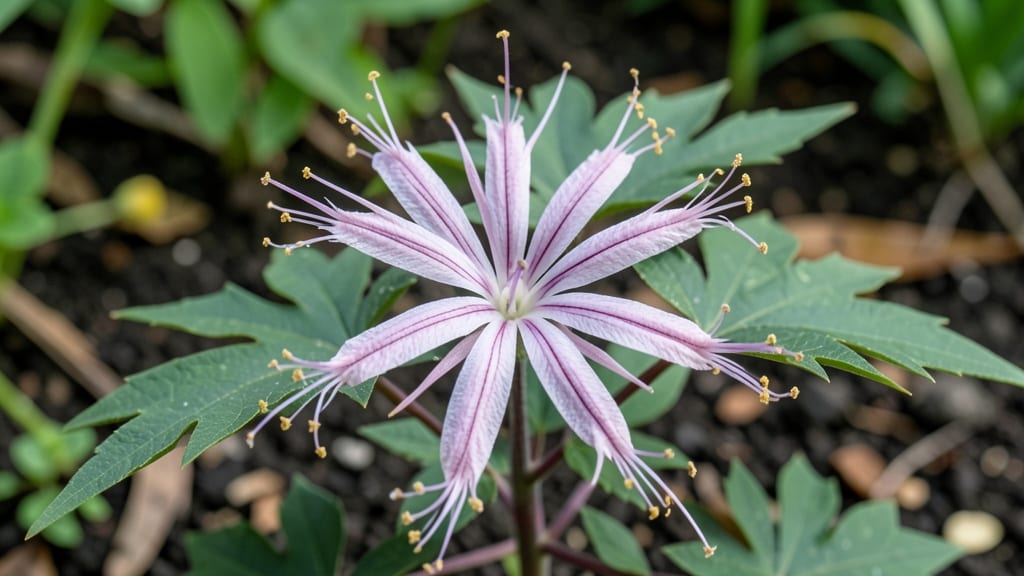
The spider flower plant (Cleome hassleriana) brings drama to summer gardens with its towering spikes and wild, purple blooms that hummingbirds can't resist. 🌿 I remember the first time I saw one in a neighbor’s yard—it looked like a purple explosion against the green, and I knew I had to grow it myself.
The secret to its success lies in its love of sun, well-draining soil, and a hands-off approach once established.
This plant thrives in full sun and average garden soil, though it tolerates poor conditions better than most. Water it deeply but infrequently—overwatering is the biggest mistake beginners make.
Once it reaches 4-6 feet tall, it becomes a magnet for pollinators, with flowers that open from the bottom up, creating a stunning vertical display.
You’ll love how effortlessly it blooms from mid-summer until frost, with minimal care required. The only real challenge is preventing it from flopping in windy spots—staking or planting near a fence solves that.
By late summer, your garden will buzz with hummingbirds and bees, all drawn to its nectar-rich blooms.
Perfect for cottage gardens, pollinator-friendly spaces, or as a dramatic backdrop for perennials. Once you grow one, you’ll want to add more—it’s that irresistible. Let’s get those seeds in the ground!
📚 In This Guide
- What you need
- Instructions
- Tips and common mistakes
- Wrapping up and next steps
What you need
- ● Spider flower seeds: 1–2 packets (50–100 seeds each). Choose heirloom varieties like ‘Violet Queen’ or ‘Pink Queen’ for vibrant blooms!
- ● Well-draining potting mix: 1–2 bags (10–20 quarts). Blend garden soil with perlite or sand (1:1 ratio) for optimal airflow.
- ● Containers or garden bed: For containers: 5–10-inch pots (1–2 per plant) with drainage holes.
- ● For in-ground planting: Full-sun spot (6+ hours/day) with loose, fertile soil.
- ● Fertilizer: Balanced 10-10-10 or slow-release granular fertilizer (1 lb per 10 sq ft).
- ● Watering can or hose: With a gentle spray nozzle for delicate seedlings.
- ○ Gloves (optional but recommended—those seed pods can be sticky!).
- ● Trowel for transplanting seedlings.
- ● Pruning shears to deadhead spent blooms (encourages more flowers!).
- ● Mulch (straw or shredded bark) to retain moisture and suppress weeds.
- ● Hummingbird feeder (place nearby to attract pollinators!).
- ● Plant stakes or cages (if your variety grows tall—up to 5 feet!).
- ● Dried flower preservative (if you want to save seeds for next year!).
Step-by-step instructions for growing spider flower plants
Here's how to cultivate these striking perennials with minimal fuss.
🌱 Step 1: Choose the Perfect Planting Location
Spider flower (Cleome hassleriana) thrives in full sun—at least 6-8 hours daily—but tolerates partial shade in hotter climates. I always pick a spot with good airflow to prevent powdery mildew, which can plague crowded plants. The soil should drain well; spider flowers despise soggy roots. If your garden has heavy clay, amend with 2-3 inches of compost to improve drainage before planting.
Watch for bright purple flower spikes in neighboring plants—this signals a location with enough sunlight for your spider flowers. Avoid low-lying areas where cold air settles, as these plants prefer warmth and won't survive frost.
☀️ Step 2: Prepare Soil and Plant Seeds or Transplants
Spider flowers grow best in well-draining, slightly alkaline soil with a pH between 6.0-7.5. If your soil is acidic, add 1 cup of dolomitic lime per 100 square feet a month before planting. Mix in 2-3 inches of compost to enrich the soil—this boosts early growth and flowering.
For seeds, sow them ¼ inch deep after the last frost when soil temperatures reach 60°F or warmer. Space seeds 12-18 inches apart—crowding leads to leggy stems and fewer blooms. If using transplants, dig holes twice as wide as the root ball and place them at the same depth they were growing before. Water deeply right after planting to settle the soil.
💧 Step 3: Water and Fertilize for Strong Growth
Spider flowers are drought-tolerant once established, but young plants need consistent moisture. Water 1-2 inches per week, aiming for the soil rather than the leaves to prevent fungal diseases. You'll know they're thirsty when the leaves start to wilt slightly—this is their way of telling you it's time to water.
Fertilize lightly with a balanced 10-10-10 fertilizer when you see the first true leaves appear. Too much nitrogen leads to lush foliage but fewer flowers. I like to side-dress with ½ cup of compost every 4-6 weeks during the growing season to keep them blooming. Stop fertilizing in late summer to encourage strong stems for winter.
✂️ Step 4: Prune and Deadhead for Continuous Blooms
Spider flowers self-seed aggressively, so I deadhead spent blooms by pinching off the seed pods as they form. This redirects energy into producing more flowers instead of seeds. Prune leggy stems back by ⅓ in early summer to encourage bushier growth—just watch for the first set of true leaves to guide your cuts.
In late fall, cut back the entire plant to 6 inches tall. This prevents flopping and makes cleanup easier. Mulch around the base with 2-3 inches of straw to protect roots from freezing temperatures. Spider flowers are tender perennials in colder zones, so they'll need winter protection unless you live in USDA zones 9-11.
🪴 Step 5: Encourage Hummingbirds with Strategic Planting
To lure hummingbirds, plant spider flowers near other nectar-rich blooms like bee balm, salvia, or columbine. Their unique, spider-like flowers and long, tubular shapes make them irresistible to these birds. I always place a few pots near a window or seating area so I can watch them feed.
Leave some seed pods on the plant if you want next year's crop—birds love the seeds too. If you prefer tidier gardens, collect seeds before they ripen and store them in a cool, dry place for planting next spring. Just remember, spider flowers grow 3-5 feet tall, so give them space or they'll tower over your garden beds.
Tips & tricks for perfect spider flower plant growth
Here's what I've learned after growing these dramatic bloomers for years—simple secrets that make all the difference.
Sunlight Strategy: Those 6-8 hours of full sun are non-negotiable for vibrant blooms, but I've found that morning sun with afternoon shade works surprisingly well in hotter climates. The key is avoiding the harsh midday sun when temperatures exceed 85°F—this prevents leaf scorch while still giving them enough light to thrive. Watch for leaves curling at the edges as your first warning sign of too much heat.
Soil Science: The 6.0-7.5 pH range is crucial, but don't stress about perfect numbers. I've grown them successfully in 7.0-7.3 without testing—just mix in that 2-3 inches of compost and 1 cup of dolomitic lime per 100 square feet as directed. The compost does double duty by improving drainage while adding nutrients. Pro tip: If your soil is sandy, add 10% coconut coir to help retain moisture for young plants.
Watering Wisdom: The 1-2 inches per week guideline works, but timing matters more than quantity. Water deeply in the morning so leaves dry quickly—this prevents fungal issues. I've seen spider flowers wilt dramatically by afternoon only to perk up after watering, which is normal. The slight wilting is their way of signaling thirst, not distress. Just don't let them stay wilted overnight.
Pruning Precision: When you're pruning those leggy stems back by ⅓ in early summer, focus on cutting just above a leaf node where new growth will emerge. I always make clean cuts with sharp pruners to avoid tearing the stems. For winter cleanup, don't cut back too aggressively—leave 4-6 inches of stem to protect the crown from cold temperatures, especially in zones 8 and below.
Pro Tips for Spider Flower Plant
- Here's what I've learned after growing these dramatic bloomers for years—simple secrets that make all the difference.
- Sunlight Strategy: Those 6-8 hours of full sun are non-negotiable for vibrant blooms, but I've found that morning sun with afternoon shade works surprisingly well in hotter climates.
- Soil Science: The 6.0-7.5 pH range is crucial, but don't stress about perfect numbers.
Frequently asked questions
Got questions about growing and caring for spider flower plants? You’re not alone! Here are some of the most common queries—plus expert answers to keep your Cleome hassleriana thriving with those stunning purple blooms.
How fast does a spider flower plant grow?
Spider flowers are fast growers! From seed, they can reach 3–5 feet tall in just 60–90 days under ideal conditions. With plenty of sun and water, expect rapid vertical growth—perfect for filling gaps in your garden quickly.
Do spider flowers really attract hummingbirds?
Absolutely!
Their tubular, nectar-rich blooms are a hummingbird magnet. Plant them near seating areas or windows to enjoy up-close visits. Bonus: Bees and butterflies love them too, making this a pollinator powerhouse.
Why aren’t my spider flowers blooming?
Lack of blooms often signals over-fertilizing (too much nitrogen = leafy growth, no flowers) or insufficient sun (they need 6+ hours daily). Try deadheading spent blooms and switching to a low-nitrogen, high-phosphorus fertilizer to encourage flowers.
Can spider flowers survive winter?
Nope—these annuals die back in frost. However, they self-seed aggressively, so you’ll likely get volunteer plants next spring. In colder zones, save seeds indoors or plant fresh ones each year for a fresh display.
What’s a good alternative if I don’t have a sunny spot?
If your garden lacks full sun, try cleome ‘Pink Queen’ (tolerates partial shade) or salvia varieties like ‘May Night,’ which thrive in 4–6 hours of sun. For hummingbird-friendly shade lovers, fuchsia or columbine are great swaps.
Wrapping up and next steps
The spider flower plant is a stunning, low-maintenance addition to any garden, offering vibrant purple blooms that attract hummingbirds and add a touch of whimsy to your outdoor space.
Whether you're a seasoned gardener or just starting out, its resilience and beauty make it a perfect choice for bringing color and life to your landscape.
Ready to bring some magic to your garden? Start by gathering your supplies and choosing the perfect spot—then watch as these enchanting blooms transform your yard into a hummingbird haven! 🌸🐦