
Flowers
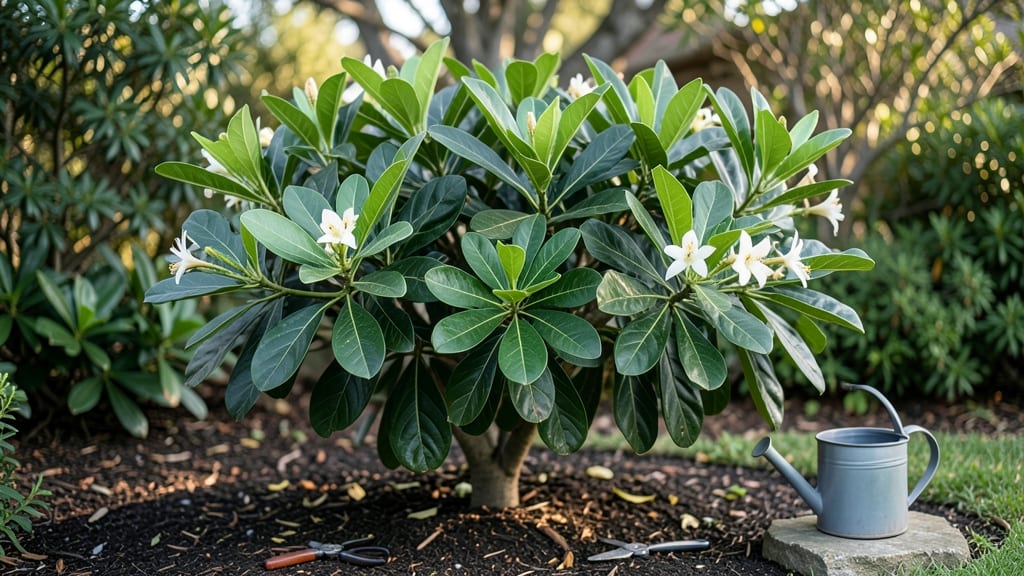
Growing star fruit flowers in containers lets you bring this tropical beauty home—even in cooler climates. 🌿 I’ve watched my own star fruit tree burst into fragrant white blossoms every spring, and the process is simpler than you’d think.
The key is mimicking its native tropical conditions: warm temperatures, well-draining soil, and bright, indirect light.
You’ll need a 15-20 gallon container with drainage holes, a mix of potting soil and perlite for aeration, and a location that stays above 60°F. Star fruit trees are slow to mature but reward patience with glossy, star-shaped fruit and delicate, fragrant flowers.
The first blooms typically appear after 3-5 years, but container-grown trees can flower sooner with proper care.
Encouraging flowering means keeping your tree well-watered but not soggy, fertilizing lightly with citrus-specific nutrients, and pruning to maintain an open shape. The real magic happens in late spring when the scented white flowers appear—each one a promise of the tangy fruit to come.
Just be patient; these trees take time, but the payoff is worth it.
Common challenges include bud drop from temperature swings or overwatering, and occasional pests like scale. But with the right balance, your star fruit tree will thrive in containers for decades. Here’s how to set it up for success from the start.
📚 In This Guide
- What you need
- Instructions
- Tips and common mistakes
- Wrapping up and next steps
What you need
- ● Star fruit plant (Averrhoa carambola) – A healthy, young sapling (4–6 inches tall) from a nursery or online supplier. Tip: Choose a variety like 'Arka Amrit' or 'Crimson' for vibrant blooms!
- ● Container – A 5-gallon pot or larger (18+ inches deep) with drainage holes. Pro tip: Terracotta or fabric pots work best for airflow!
- ● Well-draining potting mix – A blend of 60% cactus/succulent mix, 30% perlite, and 10% compost to mimic tropical soil.
- ● Slow-release fertilizer – A balanced 10-10-10 NPK or citrus-specific fertilizer to kickstart growth.
- ● Organic mulch – Pine bark or coconut coir (1–2 inches) to retain moisture and regulate temperature.
- ● Watering can with a fine rose – For gentle, deep hydration without disturbing roots.
- ● Pruning shears – For trimming dead leaves or shaping the plant as it grows.
- ● pH testing kit – To ensure soil pH stays between 5.5–6.5 (slightly acidic).
- ○ Humidity dome or tray – Optional but helpful for tropical climates or dry indoor spaces.
- ● Epsom salt (magnesium sulfate) – A teaspoon per gallon of water monthly for extra blooms!
- ● Support stake or trellis – If your variety grows tall (e.g., 'Arka Haritima'), a 3–4 ft stake helps.
Step-by-step guide for cultivating star fruit flowers in containers
Here's how to coax vibrant blooms from your star fruit tree—even in limited space.
🌱 Step 1: Select and Prepare the Right Container
Star fruit thrives in 10-15 gallon containers with drainage holes—no exceptions. I use unglazed terra cotta because it breathes and prevents root rot, which star fruit trees hate. Fill the bottom 2 inches with coarse gravel or perlite to create a drainage layer that prevents soggy roots.
Next, add a 3-inch layer of well-draining cactus/succulent mix—this mimics the tree's native rocky soil. Star fruit roots need oxygen, so compacted soil will strangle them. Tap the pot gently to settle the layers without crushing the mix. The goal is a fluffy, airy foundation that mimics tropical forest understory conditions.
☀️ Step 2: Plant and Position for Maximum Light
Dig a hole twice as wide as the root ball but only as deep as the top of the root flare. Star fruit trees despise being buried too deep—this causes stem rot and poor air circulation. Gently remove the tree from its nursery pot and tease the roots outward if they're circling.
Position your container in full sun—star fruit needs 6-8 hours of direct sunlight daily. A south-facing patio or balcony works best. If you're in a hot climate, provide afternoon shade to prevent leaf scorch. Watch for yellowing leaves—this is your first sign of too much sun or improper watering.
💧 Step 3: Water Deeply but Infrequently
Star fruit trees drought-tolerant once established, but young plants need consistent moisture. Water deeply every 7-10 days until water runs freely from the drainage holes. The top 2 inches of soil should feel completely dry before watering again—stick your finger in to check.
Here's the thing—overwatering kills star fruit trees faster than underwatering. I use a moisture meter to verify soil conditions. If the meter shows dry but not bone-dry, wait one more day. Fertilize every 4-6 weeks with a balanced 10-10-10 formula during growing season to encourage flowering.
✂️ Step 4: Prune for Airflow and Flower Stimulation
Prune late winter or early spring before new growth begins. Remove any dead, diseased, or crossing branches first—this prevents fungal infections. Then, cut back overly long branches by one-third to encourage bushier growth and more flowers.
Star fruit flowers appear on new wood, so never prune after flowering season. You'll see small white blossoms forming in clusters—these will develop into star-shaped fruit if pollinated. Thin crowded branches to improve airflow, which reduces humidity-related diseases like anthracnose that can ruin your blooms.
🌿 Step 5: Monitor for Pests and Adjust Care
Check leaves weekly for scale insects or aphids—common pests that suck sap and weaken flowering. Wipe leaves with neem oil solution (1 tsp per quart of water) if you spot sticky residue or tiny crawling bugs. Star fruit trees are sensitive to chemical sprays, so organic methods work best.
Adjust care based on seasonal changes: reduce watering in winter (the tree enters dormancy) and increase fertilization in spring to boost flowering. If your tree isn't blooming after a year, it may need more sunlight or a winter chill period (some varieties need 50-60°F nights to trigger flowers).
Tips & tricks for growing star fruit flowers in containers
Real talk: container-growing star fruit flowers requires precision—not just guesswork. These tricks will help you avoid the most common pitfalls and maximize your chances of those stunning white blossoms.
Container Material Matters: While unglazed terra cotta is ideal for its breathability, plastic containers work too—just add extra drainage holes if they don't come with them. The key is ensuring your 10-15 gallon container has proper drainage. I've seen star fruit trees in decorative pots with no holes develop root rot within months. If you must use a decorative container, place it inside a cache pot with gravel at the bottom to catch excess water.
Light Optimization Strategy: Those 6-8 hours of direct sunlight are non-negotiable, but here's the secret: rotate your container quarter-turn every 2-3 weeks. This prevents lopsided growth and ensures even sun exposure. In apartments with limited space, consider a south-facing window with a reflective surface behind the plant—this can effectively double the light exposure your tree receives.
Pruning Precision: When you're cutting back those overly long branches by one-third during late winter pruning, focus on removing branches that are growing inward or crossing each other. These create shaded areas that prevent flowering. I like to make my cuts just above a leaf node where new growth will emerge—this encourages bushier growth and more flower sites. Use sharp, sterilized pruners to prevent disease transmission.
Winter Chill Hack: If your star fruit tree isn't blooming after a year, it might need that 50-60°F nighttime chill period. Here's how to simulate it: move your container to a cool garage or basement during winter nights (but protect from freezing temps). Just 4-6 weeks of these cooler nights can trigger the flowering response. Monitor your tree closely during this period—it's entering dormancy and needs less water.
Pro Tips for Star Fruit Flower
- Real talk: container-growing star fruit flowers requires precision—not just guesswork.
- Container Material Matters: While unglazed terra cotta is ideal for its breathability, plastic containers work too—just add extra drainage holes if they don't come with them.
- Light Optimization Strategy: Those 6-8 hours of direct sunlight are non-negotiable, but here's the secret: rotate your container quarter-turn every 2-3 weeks.
Frequently asked questions
Got questions about nurturing star fruit flower blooms? You’re not alone—these tropical beauties can be tricky! Here are answers to the most common queries to help you grow lush, fragrant flowers with ease.
How long does it take for a star fruit tree to flower?
A young star fruit tree (Averrhoa carambola) typically takes 3–5 years to produce flowers and fruit when grown from seed. Grafted trees may bloom sooner—sometimes within 1–2 years—but patience is key! Ensure your tree gets full sun, well-draining soil, and regular watering to speed up the process. Cold snaps or poor care can delay flowering, so keep it cozy in USDA Zones 10–12 or grow it in containers indoors during winter.
Can star fruit flowers survive cold weather?
Star fruit flowers are highly sensitive to frost and will die if exposed to temperatures below 32°F (0°C). If you live in a cooler climate, grow your tree in a large pot and move it indoors before winter. A sunny windowsill or greenhouse works well. For outdoor plants, mulch the base to insulate roots and consider frost cloth for extra protection. Pro tip: Monitor local forecasts and act fast—even a light freeze can damage blooms!
What do I do if my star fruit tree isn’t flowering?
No flowers? Don’t panic! Common culprits include insufficient sunlight (6+ hours of direct sun daily), nutrient deficiencies (especially phosphorus and potassium), or immature trees. Try these fixes:
- Boost sunlight: Move potted trees to a sunnier spot or supplement with grow lights.
- Fertilize wisely: Use a balanced tropical plant fertilizer (e.g., 10-10-10) in spring and summer.
- Check watering: Overwatering stresses roots—let soil dry slightly between waterings.
- Prune strategically: Trim leggy growth to encourage bushier, flower-producing branches.
Can I grow star fruit flowers indoors?
Star fruit trees thrive indoors with the right setup. Choose a large container (15+ gallons) with drainage holes and use a light, airy potting mix (like cactus soil blended with perlite). Place near a south- or west-facing window or under grow lights (12–14 hours/day). Keep humidity high (mist leaves or use a pebble tray) and maintain 70–85°F temperatures. With patience, you’ll enjoy fragrant blooms—and eventually fruit—year-round!
Are star fruit flowers edible, and how do I use them?
Yes! While the flowers are edible and prized in Southeast Asian cuisine for their tart, citrusy flavor, they’re best used fresh. Here’s how:
- Garnish: Float petals in drinks (like thai iced tea) or top salads.
- Stir-fries: Toss petals into tom yum soup or green curry for a floral kick.
- Infusions: Steep flowers in honey or vinegar for homemade syrups or dressings.
Wrapping up and next steps
Growing star fruit flower in containers is a rewarding journey that brings a touch of the tropics to your space—even if you don’t have a sprawling garden! 🌺 With the right balance of sunlight, well-draining soil, and patience, you’ll soon be greeted by fragrant blossoms and sweet fruit.
Whether you’re a beginner or a seasoned gardener, this guide has given you all the tools to succeed.
Now that you’re armed with knowledge, why not take the next step? Start with a single plant, experiment with different containers, or even share your progress with fellow plant enthusiasts.
Your star fruit flower could be the start of a beautiful, edible garden adventure—go ahead and plant that seed! 🌱