
Container Gardens
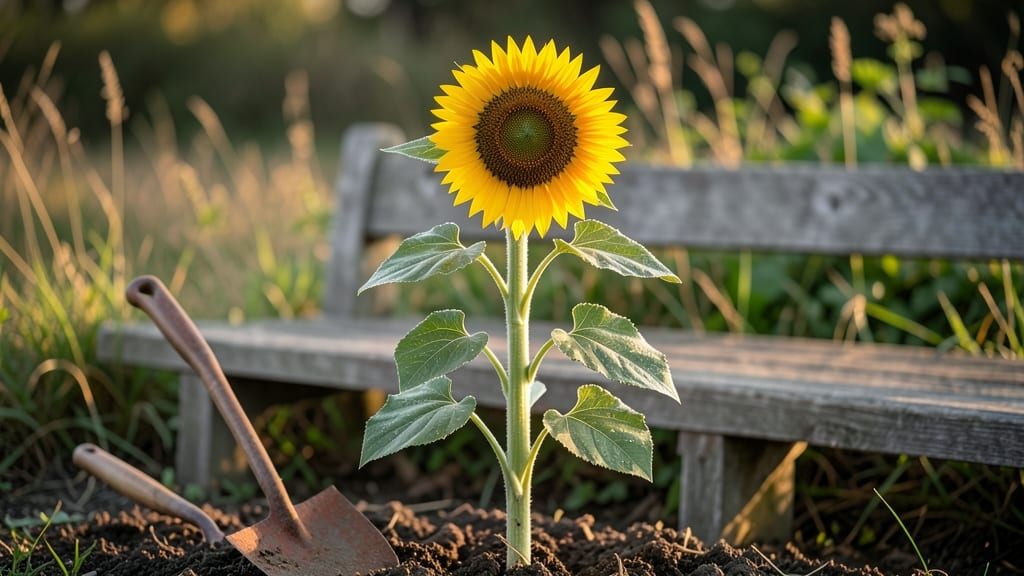
The sunflower growing conditions that turn floppy stems into towering giants start with one non-negotiable rule: six to eight hours of direct sunlight daily.
I learned this the hard way when my first batch of sunflowers leaned toward the fence like drunkards—until I moved them to the sunniest spot in my yard. That single shift transformed them into the golden sentinels I’d always dreamed of.
Beyond sunlight, sunflowers are surprisingly forgiving. They thrive in well-draining soil—even poor-quality dirt works as long as it’s not soggy—and tolerate a wide range of temperatures, from cool spring mornings to 90-degree afternoons. The real secret? Spacing.
Give them 12-24 inches apart (depending on variety) to prevent overcrowding, which leads to weak stems and fewer blooms. My Russian Mammoths now stand 10 feet tall because I gave them room to stretch.
Watering is where most beginners stumble. Sunflowers hate wet feet but need deep watering once a week—more in extreme heat. The key is to let the top inch of soil dry out between waterings; this prevents fungal diseases while keeping roots happy.
Within 60 days, you’ll see those iconic faces popping up, their petals radiating warmth like tiny suns.
Pests? Mostly just squirrels eyeing your seeds. A light mulch around the base deters rodents, and companion planting with marigolds keeps aphids away. The payoff? A dramatic, sun-drenched centerpiece that lasts from summer through fall. Ready to grow your own skyline?
📚 In This Guide
- What you need
- Instructions
- Tips and common mistakes
- Wrapping up and next steps
What you need
- ● Sunflower seeds: Choose container-friendly varieties like ‘Teddy Bear’ (12–18" tall) or ‘Moulin Rouge’ (4–5’ tall) for pots.
- ● Quantity: 3–5 seeds per 5-gallon container (or 1 seed per 12" spacing in beds).
- ● Containers (if applicable): Minimum 5-gallon size per plant (deeper for tall varieties).
- ● Drainage holes are a must—no soggy roots!
- ● Lightweight materials like fabric grow bags or plastic pots work well.
- ● Potting mix: Well-draining, nutrient-rich mix (e.g., 60% potting soil + 30% compost + 10% perlite/sand).
- ● Avoid garden soil—it compacts in containers!
- ● Fertilizer: Balanced fertilizer (10-10-10) or slow-release granules (follow package rates).
- ○ Optional: Liquid seaweed extract for a growth boost.
- ● Hand trowel or small shovel for planting.
- ● Watering can with a gentle spray nozzle (sunflowers hate wet leaves!).
- ● Stakes or tomato cages (for tall varieties in containers).
- ● Mulch (straw or shredded leaves) to retain moisture.
- ○ Optional but helpful: pH test kit (ideal range: 6.0–7.5).
- ● Epsom salt (for magnesium-rich soil).
- ● Row covers (to protect young seedlings from pests).
How to optimize sunflower growing conditions for maximum height and blooms
Sunflowers thrive when you give them exactly what they crave—space, warmth, and relentless sunlight. Here’s how to create the perfect environment for plants that could reach your roofline.
Choose the Right Location with Full Sun Exposure
Sunflowers demand at least 6-8 hours of direct sunlight daily, but 8+ hours yields the tallest stems and largest blooms. A south-facing spot receives the most intense morning light, which is ideal—sunflowers grow fastest when warmed by the sun’s early rays. Avoid planting near trees or structures that cast shade, even for part of the day.
Test your spot by observing it for a week. If shadows linger past noon, supplement with a reflective surface (like white plastic sheeting) to bounce light onto the plants. You’ll know you’ve picked well when the leaves stay vibrant green, not yellowing or stretching toward light.
Prepare Soil for Nutrient-Rich Growth
Sunflowers grow best in well-draining, slightly acidic to neutral soil (pH 6.0-7.5). Before planting, amend the soil with 2-3 inches of compost to boost organic matter—this improves drainage while retaining moisture. Avoid heavy clay or sandy soil unless you mix in equal parts compost and perlite to balance texture.
Work the amendments into the top 12 inches of soil using a garden fork. Sunflowers have deep taproots, so loose, aerated soil prevents roots from struggling. Press the soil lightly after amending to create a firm base for young seedlings.
Plant at the Correct Depth and Spacing
Sow seeds ½ inch deep and 6 inches apart in rows spaced 18-24 inches apart. Crowding stresses plants, leading to weak stems and fewer blooms. If you’re growing giant varieties, space them 24 inches apart to accommodate their towering growth.
Thin seedlings to the recommended spacing once they reach 3-4 inches tall, snipping weaker stems at the base with clean shears. This ensures stronger roots for the remaining plants. Water deeply after thinning to help roots recover.
Water Deeply but Infrequently
Sunflowers are drought-tolerant once established, but deep, infrequent watering encourages strong root development. Water 1-2 inches per week, delivering moisture directly to the soil (not the leaves) to prevent fungal diseases like powdery mildew.
Check moisture by sticking your finger 2 inches into the soil—if it feels dry, it’s time to water. Overwatering leads to weak stems that snap in wind or rain. Mulch with 2-3 inches of straw to retain moisture and suppress weeds.
Provide Support for Tall Varieties
If you’re growing 10-foot giants, stake them early to prevent toppling. Install 3-4 foot stakes at planting and tie the main stem loosely with soft cloth or plant ties as it grows. Avoid tight bindings—the stems need room to thicken.
For windy areas, consider trellising or planting in clusters where stems can lean against each other for support. You’ll notice taller, straighter stems when they’re properly supported, especially after heavy rain or storms.
Tips & tricks for perfect sunflower growing conditions
Sunflowers don't just grow—they reach for the sky, and the difference between a modest plant and a towering giant often comes down to these key details.
Light Optimization: While the instructions specify 6-8 hours of sunlight, I've found that positioning your plants slightly west of true south captures more afternoon sun, which is when sunflowers grow most vigorously. For containers, rotate them weekly to ensure even exposure—this prevents lopsided stems that lean toward the light source. The morning sun warms the plants, but afternoon rays fuel their rapid vertical growth.
Soil Preparation Secret: The 2-3 inches of compost recommendation is perfect, but I take it further by adding a handful of bone meal to the planting hole at sowing time. This provides a slow-release phosphorus boost that sunflowers crave for strong root development and bloom production. The key is mixing it thoroughly with the native soil so it doesn't create a concentrated nutrient zone that could burn tender roots.
Spacing Strategy: When planting giant varieties at 24 inches apart, I create a slight depression around each planting hole to catch water during irrigation. This localized watering technique ensures moisture reaches the deep taproots without creating soggy conditions between plants. The 6-inch spacing between regular varieties creates just enough competition to strengthen stems while allowing sufficient airflow to prevent fungal diseases.
Pro Tips for Sunflower Growing Conditions
- Sunflowers don't just grow—they reach for the sky, and the difference between a modest plant and a towering giant often comes down to these key details.
- Light Optimization: While the instructions specify 6-8 hours of sunlight, I've found that positioning your plants slightly west of true south captures more afternoon sun, which is when sunflowers grow most vigorously.
- Soil Preparation Secret: The 2-3 inches of compost recommendation is perfect, but I take it further by adding a handful of bone meal to the planting hole at sowing time.
Frequently asked questions
Got questions about growing sunflowers?
You’re not alone! Here are answers to the most common queries—from soil prep to troubleshooting—so you can cultivate those stunning blooms with confidence.
How much sun do sunflowers really need?
Sunflowers thrive in full sun (6–8+ hours daily). While they tolerate partial shade, expect smaller blooms or weaker stems. If growing in containers, place them in the sunniest spot—even a balcony facing south or west works! Pro tip: Rotate pots weekly for even growth.
When is the best time to plant sunflowers?
Sunflowers are hardy annuals—plant after the last frost when soil temps hit 50°F (10°C). For warm climates, start in early spring; cooler zones may wait until late spring. Fun fact: Some varieties (like ‘Moulin Rouge’) bloom in just 60–70 days!
How often should I water sunflowers?
Water deeply 1–2 times per week, soaking the root zone (first 6–12 inches). Avoid wetting leaves to prevent mildew. Once established, sunflowers are drought-tolerant, but consistent moisture (not soggy soil!) ensures tall, sturdy stems. Drip irrigation is ideal for containers.
Why are my sunflower leaves turning yellow or spotted?
Yellow leaves often signal overwatering or nutrient deficiency (like nitrogen). Spots? Likely powdery mildew—improve airflow, space plants 12–18 inches apart, and spray with neem oil. Pests like aphids can also cause stress—blast them off with water or use insecticidal soap.
Can I grow sunflowers in containers, and what size pot do I need?
Use pots at least 12–18 inches deep (bigger = taller blooms). Dwarf varieties (like ‘Teddy Bear’) thrive in 5-gallon containers, while giants need 20+ gallons. Ensure drainage holes and a well-draining mix (50% potting soil, 50% perlite/sand).
Do sunflowers need fertilizer, and what’s the best type?
Sunflowers are light feeders. Use a balanced 10-10-10 fertilizer at planting, then top-dress with compost mid-season. Avoid high-nitrogen blends—it promotes foliage over flowers! Organic option: Fish emulsion or worm castings work wonders.
Wrapping up and next steps
Growing sunflowers is a rewarding journey that thrives on sunlight, patience, and a little know-how—and you’ve got all the tools to succeed! With the right soil, spacing, and care, you’ll soon be basking in the joy of towering, vibrant blooms that brighten any space. 🌻
Ready to dive in? Start by gathering your supplies, then pick a sunny spot in your container or garden. Plant those seeds, nurture them with love, and watch your sunflowers reach for the sky—you’ve got this!
Need extra inspiration? Tag us in your sunflower-growing adventures—we’d love to see your progress!