
Companion Plants
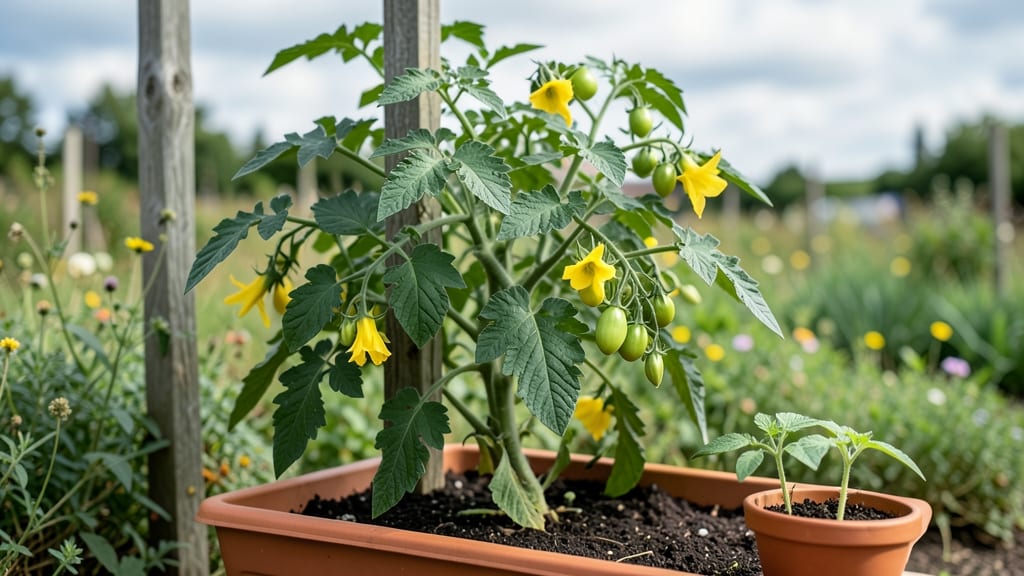
Growing tomato plants in flower pots means fresh vine-ripened tomatoes on your balcony—no backyard required. 🌱 I learned the hard way that not all pots are equal, and my first attempt with a tiny 5-gallon container left me with sad, stunted plants.
The right container size and soil mix make all the difference between a handful of tomatoes and a bounty that rivals your neighbor's garden.
You’ll need 5-gallon minimum containers for each plant (bigger is better for heavy producers), with drainage holes to prevent root rot. A lightweight material like fabric or plastic works well, but avoid cheap plastic that warms up too fast in summer.
The soil should be a mix of potting soil and compost—tomatoes love to dig, so loose, well-draining soil keeps roots happy and prevents blossom end rot.
Place your pots where they’ll get 6-8 hours of direct sun daily, and water deeply when the top inch of soil feels dry. A slow-release fertilizer or diluted liquid feed every 2-3 weeks keeps plants thriving.
With proper support—like stakes or cages—your tomatoes will climb, saving space and making harvesting easier. The first ripe tomato tastes like victory after all that effort.
Even in small spaces, you can grow 3-4 plants on a balcony, producing enough for salads, sauces, and sandwiches all season. The key is consistency: watch for pests like aphids, and prune regularly to encourage airflow.
By mid-summer, you’ll be the envy of your block with tomatoes so fresh, they’ll taste like summer itself.
📚 In This Guide
- What you need
- Instructions
- Tips and common mistakes
- Wrapping up and next steps
What you need
- ● Flower pots: 5-gallon containers (or larger) with drainage holes—at least 2 per plant for better stability.
- ● High-quality potting mix: Lightweight, well-draining soil (avoid garden soil). Look for a blend labeled for vegetables or container gardening.
- ● Tomato seedlings or seeds: Choose determinate varieties (bush-type) for pots—e.g., 'Tiny Tim,' 'Patio,' or 'Balcony Red'.
- ● Fertilizer: Balanced, water-soluble fertilizer (e.g., 10-10-10) or tomato-specific food for container plants.
- ● Support system: Small stakes, cages, or trellises (for indeterminate varieties).
- ● Mulch: Straw or shredded leaves to retain moisture and regulate soil temperature.
- ● Gloves & trowel for planting.
- ● Watering can or hose with a gentle spray nozzle.
- ○ pH test kit (optional but helpful—tomatoes thrive in 6.0–6.8 pH).
- ○ Drip irrigation or self-watering pot (optional, for consistent moisture).
- ● Pruning shears for trimming suckers (if growing indeterminate varieties).
How to grow thriving tomato plants in flower pots
Here’s how to turn your balcony into a productive tomato garden—no yard needed.
🪴 Step 1: Choose the Right Containers and Soil Mix
Flower pots need to hold at least 5 gallons per plant—smaller pots stunt root growth and lead to stressed plants. I use terra cotta pots because they breathe and help prevent soggy roots, but any container with drainage holes works. Fill the bottom 2 inches with gravel or broken pottery to improve drainage.
Next, mix 2 parts potting soil with 1 part compost and 1 part perlite for aeration. This blend drains well but holds enough moisture for deep-rooted tomatoes. Fill the pot to 1 inch below the rim, leaving room for watering. Tap the pot gently to settle the soil without compacting it—roots need air, not a brick-like base.
🌱 Step 2: Plant Transplants or Start Seeds Early
For transplants, dig a hole twice as wide as the root ball and place the plant so the top of the root ball sits ½ inch below the soil surface. This ensures stability and prevents stem rot. Gently firm the soil around the roots and water deeply to settle everything.
If starting from seed, sow 2-3 seeds per pot at a depth of ¼ inch and cover lightly. Keep the soil moist (not soggy) at 70-80°F until germination, which takes 7-14 days. Once seedlings emerge, thin to the strongest one per pot. Here’s the thing—don’t rush transplanting. Wait until the nighttime temperatures stay above 50°F to avoid shock.
☀️ Step 3: Position for Maximum Sun and Support
Tomatoes need 6-8 hours of direct sun daily—a south-facing balcony is ideal. If shade is an issue, use a reflective surface (like white walls) to bounce extra light onto the plants. I also install a tomato cage or sturdy stakes at planting time to support vines as they grow. Weak stems snap easily under fruit weight.
Rotate the pots a quarter turn weekly so plants grow straight toward the light, not lopsided. Watch for yellowing leaves—this often means too little light. If you see leggy growth (long, thin stems), move the pot closer to the sun or supplement with a grow light for 14-16 hours daily.
💧 Step 4: Water Deeply and Feed Regularly
Water once a week (more in extreme heat) but deeply—until water runs out the drainage holes. Shallow watering encourages weak roots. I check moisture by sticking my finger 1 inch into the soil; if it’s dry, it’s time to water. Avoid wetting the leaves to prevent fungal diseases like blight.
Feed every 2 weeks with a balanced liquid fertilizer (10-10-10 or 5-5-5) diluted to half strength. This keeps plants producing fruit instead of just leaves. Real talk: over-fertilizing causes lush foliage but few tomatoes. Follow the package rates—more isn’t better here.
✂️ Step 5: Prune and Harvest for Continuous Yields
Pinch off suckers (the small shoots that grow between the main stem and branches) to direct energy to fruit production. Prune early in the morning when plants are turgid and cuts heal faster. Remove any yellow or diseased leaves immediately to keep the plant healthy.
Harvest tomatoes when they’re fully colored and slightly soft to the touch. Pick regularly—ripe tomatoes encourage more production. Store them at room temperature (not in the fridge) to preserve flavor. With proper care, your balcony tomatoes will keep producing throughout the season, giving you fresh harvests without stepping into a garden.
Tips & tricks for perfect balcony tomato harvests
Balcony gardening doesn't have to be hit-or-miss—these practical tips will help you grow tomatoes that rival your garden center's best. Between us, I've learned these the hard way after watching plants struggle in pots.
Container Size Matters: That 5-gallon minimum isn't just a suggestion—it's non-negotiable for tomato roots. I've seen plants in 3-gallon pots produce fruit, but they're always stressed and yield poorly. If you're working with limited space, consider growing smaller varieties like 'Tiny Tim' or 'Patio Princess' instead of stretching your plants' roots. The deeper the pot, the better—roots grow downward for stability and water access.
Soil Mix Secrets: The 2:1:1 ratio of potting soil, compost, and perlite is perfect, but here's what nobody tells you: sterilize your soil mix first. Microwave a small batch in a microwave-safe container for 2 minutes to kill fungus gnats and other pests. For larger batches, bake at 200°F for 30 minutes. This prevents problems before they start. Also, add a handful of worm castings to your mix—they're packed with nutrients and beneficial microbes that help roots absorb water.
Lighting Hacks: Those 6-8 hours of direct sun are critical, but what if your balcony gets afternoon shade? Place a white plastic milk crate or reflective sheet on the north side of your pots to bounce extra light onto the plants. For evening shade, I've had success with a simple LED grow light on a timer—just 2-3 hours in the evening can make a huge difference during cloudy periods. The key is maintaining that 14-16 hour light cycle when natural light falls short.
Watering Wisdom: The finger test for moisture works, but here's a pro move: use a moisture meter for your pots. These $10 tools give you precise readings and prevent over/under-watering. I check mine every morning before watering—if it's below 30% moisture at 1 inch deep, that's your cue. For the deep watering technique, let the water run until it comes out the bottom holes, then wait 10 minutes before checking again. This ensures water reaches all the roots without running straight through.
Pro Tips for Tomato Plants In Flower Pots
- Balcony gardening doesn't have to be hit-or-miss—these practical tips will help you grow tomatoes that rival your garden center's best.
- Container Size Matters: That 5-gallon minimum isn't just a suggestion—it's non-negotiable for tomato roots.
- Soil Mix Secrets: The 2:1:1 ratio of potting soil, compost, and perlite is perfect, but here's what nobody tells you: sterilize your soil mix first.
Frequently asked questions
Got questions about growing tomatoes in flower pots? You’re not alone! Here are some of the most common queries—and their easy, practical answers to help you grow like a pro.
What’s the best temperature range for tomato plants in pots?
Tomatoes thrive in warmth, so aim for daytime temps between 70–85°F (21–29°C) and nights above 55°F (13°C). If temps drop below 50°F (10°C), growth slows, and flowers may drop. Use black pots to absorb heat or move containers to sunnier spots in cooler months. Pro tip: A clear plastic tunnel over pots can extend your season in chilly climates!
How often should I water potted tomato plants?
Potted tomatoes need consistent moisture—water when the top 1–2 inches (2.5–5 cm) of soil feels dry. In hot weather, that could mean daily watering, while cooler months may require every 2–3 days. Morning watering is best to prevent fungal issues. Use pots with drainage holes and a self-watering system (like a saucer with pebbles) to avoid soggy roots. Pro tip: Mulch with straw to retain moisture!
Can I grow tomato plants in pots year-round, or do they need a break?
With the right setup, yes! Tomatoes are perennial in warm climates (Zones 10–11), but in cooler areas, they’ll go dormant in winter. If you’re in a short-season zone, prune back the plant after harvest, reduce watering, and move it to a cool, bright spot (like a garage). In spring, trim dead growth and fertilize to restart growth. Pro tip: Overwintering works best for determinate varieties (bush tomatoes).
Why aren’t my potted tomato flowers turning into fruit?
Blossom drop is common but fixable! Causes include:
- Temperature stress: Tomatoes need consistent warmth (below 55°F/13°C or above 95°F/35°C can halt fruiting).
- Lack of pollination: Gently shake the plant or use a small brush to transfer pollen if bees aren’t visiting.
- Over/under-watering: Dry soil or waterlogged roots can cause flowers to fall.
- Nutrient deficiency: Add a balanced fertilizer (like 10-10-10) or compost tea for a boost.
What are the best flower pot alternatives for tomatoes?
Not all pots are equal! Opt for containers with:
- At least 5 gallons (18L) per plant (bigger = more harvests).
- Drainage holes to prevent root rot.
- Lightweight materials like fabric grow bags, plastic barrels, or wooden half-barrels for easy moving.
- Sturdy bases—tomatoes get top-heavy! Add sandbags or a cinder block for stability.
How do I keep pests away from my potted tomatoes?
Pests like aphids, hornworms, and whiteflies love tomatoes! Try these organic defenses:
- Neem oil spray (weekly preventative).
- Companion planting with basil, marigolds, or nasturtiums.
- Handpick pests (hornworms are easy to spot!).
- Yellow sticky traps for flies.
- Beneficial insects like ladybugs or parasitic wasps.
Wrapping up and next steps
Growing tomato plants in flower pots isn’t just a trend—it’s a delicious, rewarding way to enjoy fresh produce year-round, even in small spaces! With the right companion plants, proper care, and a little creativity, your balcony can become a thriving mini-farm.
Whether you’re a seasoned gardener or just starting, every seed planted is a step toward a tastier, greener future.
Ready to harvest the fruits of your labor? 🌱 Start small—pick a variety of tomatoes that suits your space and climate, then expand your garden with bold flavors and vibrant blooms. Happy planting!