Flowers
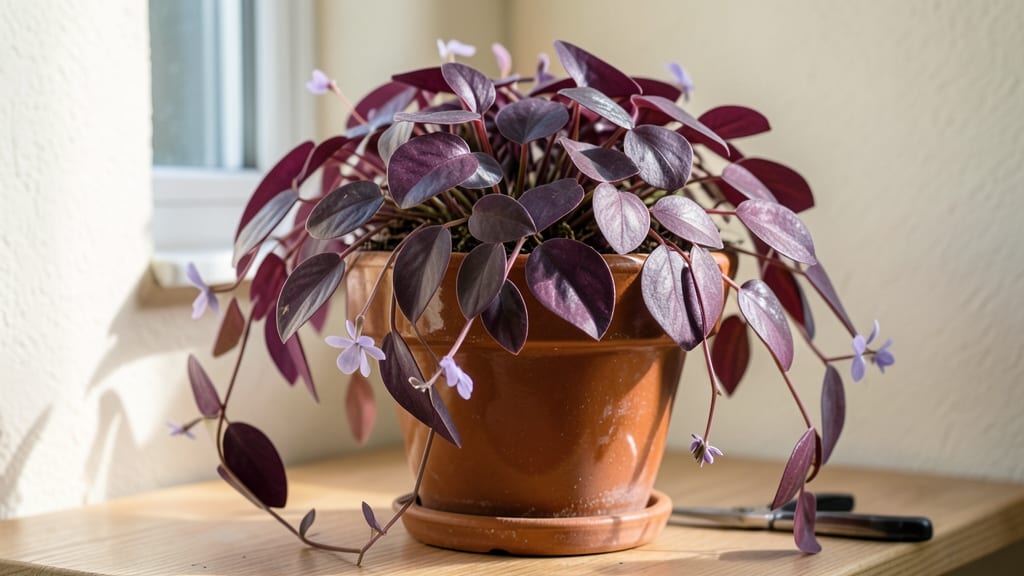
Tradescantia pallida flowers might seem like a rare sight, but with the right approach, you can coax those delicate blooms into your home—though I’ll admit, I used to think they were a myth until I tried these tricks. 🌿 The key lies in balancing light, humidity, and pruning to encourage flowering, not just lush foliage.
Most growers focus on the striking purple leaves, but the tiny white or pink flowers add a surprising charm when they appear.
This plant thrives in bright, indirect light but can handle morning sun—just avoid harsh afternoon rays that scorch its leaves. Well-draining soil prevents root rot, and a slightly humid environment (like a bathroom or kitchen) helps trigger blooming.
The secret weapon? Pruning regularly to encourage new growth, which is when flowers tend to pop up. Even my first attempt produced a few blooms after a hard trim.
You’ll end up with a cascading plant that’s perfect for hanging baskets or trailing over shelves, its variegated leaves creating a stunning contrast. The flowers may be fleeting, but they’re worth the effort—plus, the plant stays compact and vibrant with proper care.
Once you master the balance, you’ll have a low-maintenance beauty that blooms reliably.
Works equally well indoors near sunny windows or outdoors in shaded spots, making it versatile for any space. Let’s get those flowers blooming!
📚 In This Guide
- What you need
- Instructions
- Tips and common mistakes
- Wrapping up and next steps
What you need
- ● Tradescantia pallida plant: A healthy, variegated cutting or mature plant (check local nurseries or online plant shops for verified sources).
- ● Well-draining potting mix: A blend of cactus/succulent soil (60%) and perlite or pumice (40%) to prevent root rot. 1 gallon (3.8L) per 6-inch (15cm) pot is ideal.
- ● Containers: Terracotta or fabric pots with drainage holes (4–6 inches in diameter for cuttings, larger for mature plants). Pro tip: 💡 Terracotta helps regulate moisture!
- ● Watering can with a narrow spout: For precise hydration without oversaturating the soil.
- ● Sharp pruning shears or scissors: Sterilized to avoid disease (70% isopropyl alcohol wipe works great).
- ○ Rooting hormone (optional but helpful): A gel or powder to boost propagation success (e.g., Clonex or Dyna-Gro).
- ● Grow lights: LED full-spectrum bulbs (12–16 hours/day) for low-light setups.
- ● Humidity tray: A shallow tray with pebbles and water to increase moisture levels (great for humidity-loving Tradescantia).
- ● Slow-release fertilizer: A balanced 10-10-10 or organic option (e.g., fish emulsion) for nutrient boosts.
- ● Moss pole or trellis: If you want your Tradescantia pallida to climb and showcase its trailing beauty!
- ● Spray bottle: For gentle misting to maintain humidity during propagation.
Step-by-step instructions for cultivating Tradescantia pallida's stunning variegation
Here’s how to coax those signature purple stems and striking variegated leaves from your Tradescantia Pallida.
🌱 Step 1: Select and Prepare the Right Growing Medium
Tradescantia Pallida thrives in a well-draining mix that prevents soggy roots. Use a blend of 50% peat-based potting mix and 50% perlite or coarse sand to mimic its natural, fast-draining environment. I like to add a handful of orchid bark for extra aeration—this plant hates sitting in wet soil.
Fill your container (6-8 inches deep works best) with the mix, leaving about 1 inch of space at the top. Tap the pot gently to settle the soil, but don’t pack it down—Tradescantia roots need room to breathe. The ideal texture should feel light and airy, like a damp sponge, not dense or clumpy.
☀️ Step 2: Position for Bright, Indirect Light
This variegated variety craves bright, indirect light to maintain its stunning purple stems and vibrant leaf patterns. Place it near an east-facing window or within 3-5 feet of a south-facing window. Direct afternoon sun can scorch the delicate variegation, so if your plant starts looking pale or bleached, it’s getting too much intensity.
Watch for these cues: Deep purple stems and rich variegated leaves mean it’s happy. If the stems turn green or the leaves lose their contrast, move it to a slightly shadier spot. A grow light on a timer (14-16 hours daily) works well if natural light is limited.
💧 Step 3: Water When the Top 1-2 Inches Feel Dry
Overwatering is the #1 killer of Tradescantia Pallida. Stick your finger 1-2 inches into the soil—if it feels dry, it’s time to water. When you do water, soak the soil thoroughly until water runs out the drainage holes, then empty the saucer to prevent root rot. This plant stores water in its stems, so it’s better to underwater slightly than drown it.
Here’s the thing—this variety is drought-tolerant once established. You’ll notice the leaves pucker slightly when thirsty, but they bounce back quickly after a drink. If the soil stays wet for more than 2-3 days, you’ve gone too far. Adjust your watering schedule based on your home’s humidity—dry air means more frequent watering.
✂️ Step 4: Prune and Propagate for Full, Bushy Growth
Regular pruning keeps your Tradescantia Pallida lush and encourages more of those show-stopping purple stems. Use clean scissors to snip just above a leaf node (where leaves grow) whenever stems get leggy or overgrown. I like to prune in early spring to refresh the plant and again in summer to maintain shape—this also gives you free cuttings for propagation.
To propagate, place the 3-4 inch cuttings in water or directly into fresh potting mix. Roots form in 1-2 weeks if kept in bright, indirect light. The new plants inherit the stunning variegation, so you’ll end up with multiple vibrant specimens. Don’t skip this step—it’s how you get that full, cascading look!
🪴 Step 5: Rotate and Fertilize for Long-Term Vibrancy
Rotate your plant quarter turn weekly so it grows evenly toward the light. You’ll see it lean toward windows otherwise, and those purple stems will get uneven. Every 4-6 weeks during spring and summer, feed with a balanced liquid fertilizer (diluted to half strength) to support its lush growth and vibrant colors.
Real talk: This plant rewards consistent care with dramatic color. The more you maintain its light and water needs, the richer the purple stems and variegation become. In winter, cut back on watering and fertilizing—it’s naturally semi-dormant then, and overfeeding can cause weak growth. Watch for new growth in spring as your signal to ramp up care again.
Tips & tricks for growing Tradescantia pallida with stunning variegation
Here's what I learned after years of growing this showstopper—and how to avoid the mistakes that ruin those gorgeous purple stems.
Soil Mix Matters: The 50-50 blend of peat-based mix and perlite is non-negotiable for preventing root rot, but here's the thing: if you're using regular potting soil, you're already setting yourself up for failure. The orchid bark addition is optional but makes a world of difference—it creates tiny air pockets that mimic the plant's natural habitat. I've seen plants in dense soil develop yellowing leaves within weeks from poor drainage.
Light Positioning Secrets: That 3-5 feet from a south-facing window isn't just a suggestion—it's a science. Too close and you'll bleach out the variegation, too far and the stems will stretch green and leggy. I've found that placing the plant on a rotating tray (yes, they exist!) and turning it weekly gives even more dramatic purple stems. The 14-16 hour grow light timer is your backup plan for winter months when natural light drops.
Watering Wisdom: The 1-2 inch dry test is perfect, but here's what nobody tells you—your finger should feel like it's testing a damp sponge, not a wet washcloth. I've ruined multiple plants by thinking "dry" meant "bone dry" when it actually meant "slightly moist." The 2-3 day wet soil rule is your safety net—if you're watering more often than that, you're overdoing it. In winter, I cut back to every 7-10 days and watch the leaves pucker as my signal to water.
Pruning Payoff: Those 3-4 inch cuttings for propagation might seem small, but they're the secret to bushier growth. Here's my trick: when pruning, always cut just above a leaf node where you can see a tiny bump forming. These nodes are where new growth emerges, and cutting above them encourages the plant to branch out. I've propagated entire collections from just a few strategic cuts—it's how you get that lush, cascading look without buying new plants.
Pro Tips for Tradescantia Pallida Flower
- Here's what I learned after years of growing this showstopper—and how to avoid the mistakes that ruin those gorgeous purple stems.
- Soil Mix Matters: The 50-50 blend of peat-based mix and perlite is non-negotiable for preventing root rot, but here's the thing: if you're using regular potting soil, you're already setting yourself up for failure.
- Light Positioning Secrets: That 3-5 feet from a south-facing window isn't just a suggestion—it's a science.
Frequently asked questions
about Tradescantia pallida flowers—because even the most stunning plants come with curious minds! Here’s what growers ask most often:Does Tradescantia pallida actually produce flowers?
Yes! While it’s prized for its striking purple-streaked foliage, Tradescantia pallida can bloom with delicate, three-petaled flowers in shades of pink or lavender—especially under ideal conditions. Flowers appear in spring/summer but are often short-lived. Focus on care to encourage both foliage and blooms!
How long does it take for Tradescantia pallida to flower?
Patience is key! Most growers see flowers after 1–2 years of consistent care, provided the plant is mature (at least 12–18 inches tall). Younger plants prioritize leaf growth. Boost light exposure and fertilizer (like a balanced 10-10-10) to speed things up—just don’t overdo it!
Why isn’t my Tradescantia pallida flowering?
Common culprits include:
- Low light: Place it in bright, indirect light (east/west windows or grow lights).
- Lack of dormancy: Mimic winter’s rest with cooler temps (55–65°F) and reduced watering.
- Over-fertilizing: Too much nitrogen = lush leaves, fewer flowers. Use a low-nitrogen bloom booster in spring.
Pro tip: Prune leggy stems to encourage bushier growth—more foliage often means more flower buds!
Can I propagate Tradescantia pallida from cuttings while it’s flowering?
Flowering or not, Tradescantia pallida propagates easily from stem cuttings. Snip a 4–6 inch section below a node, remove lower leaves, and root in water or moist soil. Bonus: New plants may even sport flowers if the parent plant is healthy. Just avoid cutting during peak bloom to preserve energy!
Are there non-flowering varieties of Tradescantia pallida?
Not exactly—all Tradescantia pallida can flower, but some cultivars (like ‘Purple Heart’) focus more on foliage. If you love the look but want zero flowers, try Tradescantia sillamontana (a non-flowering hybrid) or prune buds off your pallida to redirect energy to leaves. Warning: Flowering is part of its charm—many growers keep it for the process!
Wrapping up and next steps
Growing Tradescantia pallida with its stunning variegation and occasional flowers is a rewarding journey for any plant enthusiast! 🌿 With the right care—bright indirect light, well-draining soil, and consistent moisture—you’ll unlock its full potential.
Whether you’re a beginner or a seasoned gardener, this vibrant plant adds a pop of color to any space.
Ready to take the next step? Experiment with propagation to expand your collection or share cuttings with fellow plant lovers. Happy growing—your green thumb will thank you! 🌸