
Flowers
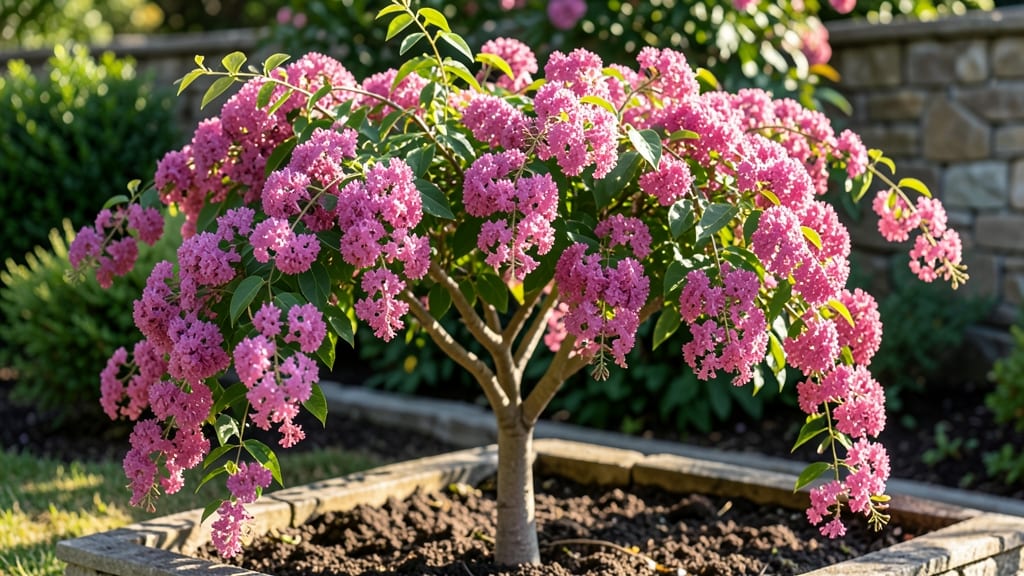
A weeping tree with pink flowers turns any shaded garden into a dreamy, romantic retreat. 🌸 I remember the first time I saw a weeping cherry arching over a Japanese garden—its cascading branches draped with delicate blossoms created a living canopy that felt like stepping into a painting.
The soft pink hues glow even in dappled shade, making it the star of any woodland-inspired space.
These trees thrive where others struggle, flourishing in partial shade with minimal fuss. Varieties like the Weeping Cherry or Royal Raindrops Crabapple grow 15-25 feet tall but stay proportionally wide, perfect for small yards or as focal points near patios.
Their graceful habit and seasonal interest—spring blooms, summer foliage, and autumn color—keep them stunning year-round.
Imagine this tree framing a seating area, its branches creating a natural umbrella for late-afternoon shade. Pair it with hostas, ferns, or shade-loving perennials to extend the dreamy vibe, and add a stone path winding beneath its branches for that classic cottage-garden feel.
The result? A space that feels both wild and carefully curated.
They’re low-maintenance too—just prune to shape in late winter and watch them reward you with weeks of fragrant pink blooms. Whether you’re designing a new garden or refreshing an old one, this tree delivers drama without the upkeep of high-maintenance varieties.
Let’s make your garden the envy of the neighborhood.
📚 In This Guide
- What you need
- Instructions
- Tips and common mistakes
- Wrapping up and next steps
What you need
- ● Weeping tree with pink flowers: 1 sapling (3–5 ft tall) or seedling (if starting from seed)
- ● Verify species: Cercis canadensis ‘Lavender Twist’ (Redbud), Lagerstroemia ‘Natchez’ (Crape Myrtle), or Chionanthus ‘Big Red’ (Fringe Tree) for weeping pink blooms.
- ● Soil: 2–3 cubic yards of well-draining, slightly acidic soil (pH 6.0–7.0)
- ● Organic compost (1–2 bags) for nutrient-rich planting
- ● Fertilizer: Balanced slow-release fertilizer (10-10-10, 10 lbs) or organic options like bone meal or fish emulsion.
- ● Gardening gloves (1 pair) for protection
- ● Shovel or trowel (for planting)
- ○ Wheelbarrow (optional, for soil transport)
- ● Watering can or hose with adjustable nozzle (for gentle watering)
- ● Mulch (2–3 bags of shredded bark or pine straw)
- ● Stakes and garden twine (if supporting young trees)
- ● Sunlight: Full sun to partial shade (6+ hours of sunlight daily for optimal blooms).
- ● Space: Minimum 15–20 ft diameter for mature growth (check species-specific needs).
- ● Climate: Hardy in USDA Zones 4–9 (verify for your region).
- ● Water source: Easy access for deep watering 2–3 times per week during the first year.
- ● Tree guard (to protect young trunks from pests)
- ● Slow-release watering system (drip irrigation for convenience)
- ● Pruning shears (for shaping after planting)
- ● Soil pH test kit (to monitor and adjust acidity)
How to cultivate a stunning weeping tree with pink flowers
Here's my foolproof approach to growing a graceful, flowering tree that thrives in shade.
🌱 Step 1: Select the Right Species and Planting Site
Not all weeping trees produce pink flowers, so choose wisely. Japanese cherry (Prunus serrulata 'Kanzan') or weeping crabapple (Malus spp.) are classic picks. These varieties handle partial shade beautifully while delivering those showstopping blooms. Look for young trees with a well-established weeping habit—avoid leggy specimens that’ll need years to fill out.
Site selection matters most. Your tree needs 6-8 hours of filtered light daily—think dappled sunlight through taller trees. Avoid dense shade where it’ll stretch awkwardly. The soil should drain well but retain moisture; amend heavy clay with 2-3 inches of compost before planting. I always test soil pH—aim for 6.0-7.0—since acidic soil can stunt flower production.
☀️ Step 2: Plant for Optimal Growth and Bloom Potential
Dig a hole twice as wide as the root ball but no deeper. This encourages roots to spread horizontally rather than sink too far. Gently loosen any circling roots with your fingers—tangled roots strangle growth. Place the tree so the top of the root ball sits 1-2 inches above ground level; settling will occur over time.
Backfill with native soil mixed with 1 part compost to improve structure. Water deeply as you fill, tamping lightly to eliminate air pockets. Create a 2-inch-high berm around the outer edge to direct water toward roots. Mulch with 3 inches of shredded bark, keeping it 6 inches away from the trunk to prevent rot. This keeps roots cool and conserves moisture—critical for establishing blooms.
💧 Step 3: Water and Fertilize for First-Year Establishment
Water twice weekly for the first month, then taper to once weekly unless rainfall exceeds 1 inch. Overwatering suffocates roots, while underwatering causes stress that delays flowering. You’ll know it’s right when the soil feels moist 2 inches down but not soggy. Use a 5-gallon watering can to soak the root zone thoroughly—surface watering wastes resources.
Fertilize lightly in spring with 10-10-10 at ½ the recommended rate—too much nitrogen promotes leafy growth at the expense of flowers. I skip fall feeding entirely; the tree needs to harden off. By late summer, you should see new growth with leaf buds forming—this signals successful establishment. If leaves yellow, you’re overwatering; if they curl, it’s underwatering or too much sun.
✂️ Step 4: Prune Strategically to Encourage Floral Display
Prune immediately after flowering (late spring) to avoid cutting off next year’s blooms. Remove dead, crossing, or inward-growing branches first—these compete for energy. Thin the canopy by 20-30% to improve airflow, which reduces disease risk. Never shear weeping branches; this destroys their natural shape. Use clean, sharp pruners and seal cuts larger than ½ inch with pruning sealant.
Watch for suckers at the base—these divert energy from the main canopy. Snip them off at ground level. In winter, remove any weak, damaged, or diseased wood before buds swell. A properly pruned tree will develop a fuller canopy with more flower clusters each season. If you see sparse blooms, it’s often a sign of over-pruning or poor nutrition.
🌿 Step 5: Maintain Long-Term Health for Continuous Blooms
Mulch annually in early spring with 2-3 inches of fresh bark, pulling old mulch away from the trunk. This prevents voles and weeds while maintaining soil temperature. Monitor for aphids or scale—common pests on weeping trees. Spray with neem oil at the first sign of infestation; it’s organic and effective. Avoid chemical sprays, which can harm beneficial insects.
Every 3-4 years, fertilize in early spring with slow-release 10-10-10. Test soil annually—pH drifts over time, and a drop below 6.0 reduces flower production. If your tree stops blooming, check for root bound conditions (circling roots) or compacted soil. Loosen roots gently if needed, and amend with compost and perlite to improve aeration. With proper care, your weeping tree will reward you with dramatic pink blooms for decades.
Tips & tricks for perfect weeping trees with stunning pink blooms
These game-changing insights will help you transform your shaded garden into a breathtaking floral display with minimal effort.
Species Selection Insight: When choosing your tree, prioritize the 'Kanzan' Japanese cherry or weeping crabapple varieties—they're specifically bred for those coveted pink blooms. I've seen gardeners overlook the subtle difference between weeping willow varieties that produce yellow flowers instead of pink. Look for nursery tags or ask staff to confirm the specific cultivar before purchasing. The right species makes all the difference in achieving that dramatic pink canopy you're dreaming of.
Lighting Strategy: The 6-8 hours of filtered light mentioned in Step 1 is non-negotiable for consistent blooming. I recommend positioning your tree where it receives morning sun and afternoon shade—this prevents leaf scorching while maximizing flower production. If your garden only offers partial shade, supplement with a grow light during the tree's dormant winter months. This light boost can significantly increase next year's bloom quantity, especially in northern climates where winter days are shortest.
Root Establishment Technique: During planting, don't just loosen the circling roots—actually trim them with clean shears if they're tightly wrapped. I've seen roots circling so tightly they actually cut into the main root structure. After trimming, make small vertical cuts along the outer edge of the root ball to encourage outward growth. This simple technique can double your tree's root system development in the first growing season, leading to more robust flowering within 2-3 years.
Pruning Precision: When thinning the canopy by 20-30% in Step 4, focus on removing branches that are growing directly upward or inward. These vertical growths compete with the natural weeping habit and often produce fewer flowers. I like to visualize the tree's ideal shape before making cuts—imagine a graceful arch rather than a dense ball. The goal is to create an open framework that allows light to penetrate to the inner branches, where many flower buds form.
Pro Tips for Weeping Tree With Pink Flowers
- These game-changing insights will help you transform your shaded garden into a breathtaking floral display with minimal effort.
- Species Selection Insight: When choosing your tree, prioritize the 'Kanzan' Japanese cherry or weeping crabapple varieties—they're specifically bred for those coveted pink blooms.
- Lighting Strategy: The 6-8 hours of filtered light mentioned in Step 1 is non-negotiable for consistent blooming.
Frequently asked questions
Got questions about nurturing your weeping tree with pink flowers?
Here are some of the most common ones—plus expert tips to keep your garden stunning!
What’s the best way to prune a weeping tree with pink flowers to encourage more blooms?
Prune in late winter or early spring (before buds swell) to shape the tree and remove dead branches. Focus on thinning out dense areas to improve airflow—this reduces disease risk and encourages vibrant blooms. Avoid heavy pruning in fall, as it can stress the tree before winter. Pro tip: Use sterilized tools to prevent infections!
How often should I water a weeping tree with pink flowers, especially during drought?
Water deeply 1-2 times per week during dry spells, ensuring the soil stays moist but not soggy. Young trees need more frequent watering (every 3-4 days), while mature ones thrive with 1-1.5 inches of water weekly. Mulch the base to retain moisture—just keep mulch 3-4 inches away from the trunk.
Can a weeping tree with pink flowers survive harsh winters, and how do I protect it?
Most varieties tolerate USDA zones 6-9, but young trees benefit from wrapping the trunk with burlap or tree guard to prevent sunscald. In extreme cold (<20°F), add a layer of mulch (4-6 inches) around the base. Avoid heavy snow buildup—gently brush it off branches to prevent breakage.
Are there alternatives to weeping trees with pink flowers for small gardens?
Yes! Consider dwarf varieties like the Weeping Cherry (Prunus subhirtella ‘Pendula’) or Japanese Maple (Acer palmatum ‘Crimson Queen’) for compact spaces. For fragrant options, try Weeping Forsythia (Forsythia × intermedia ‘Spectabilis’). All offer stunning pink blooms and fit tight landscapes.
Why aren’t my weeping tree’s pink flowers as vibrant this year?
Dull blooms often signal nutrient deficiencies (try a balanced fertilizer in early spring) or overcrowded roots. Check for pests (like spider mites) or fungal issues (yellow leaves = possible powdery mildew). Ensure it gets 6+ hours of sunlight daily—partial shade can reduce bloom intensity.
| Quick Fixes for Common Issues |
|---|
|
Yellow leaves? Overwatering or nutrient lack—adjust watering and fertilize. No blooms? Prune in winter and ensure full sun exposure. Pests? Spray with neem oil or introduce beneficial insects. |
Wrapping up and next steps
The weeping tree with pink flowers isn’t just a stunning addition to your garden—it’s a statement of natural elegance and serene beauty. With its cascading branches and delicate blooms, this tree transforms any shaded space into a tranquil retreat, offering both shade and spectacle year-round.
Whether you’re a seasoned gardener or just starting out, this tree is a rewarding choice that will bring joy for decades.
Ready to bring this dreamy tree to life? Start by researching local nurseries or trusted online sellers to find the perfect specimen for your garden. Then, roll up your sleeves and create a space where nature’s artistry can truly shine! 🌸✨