
Flowers
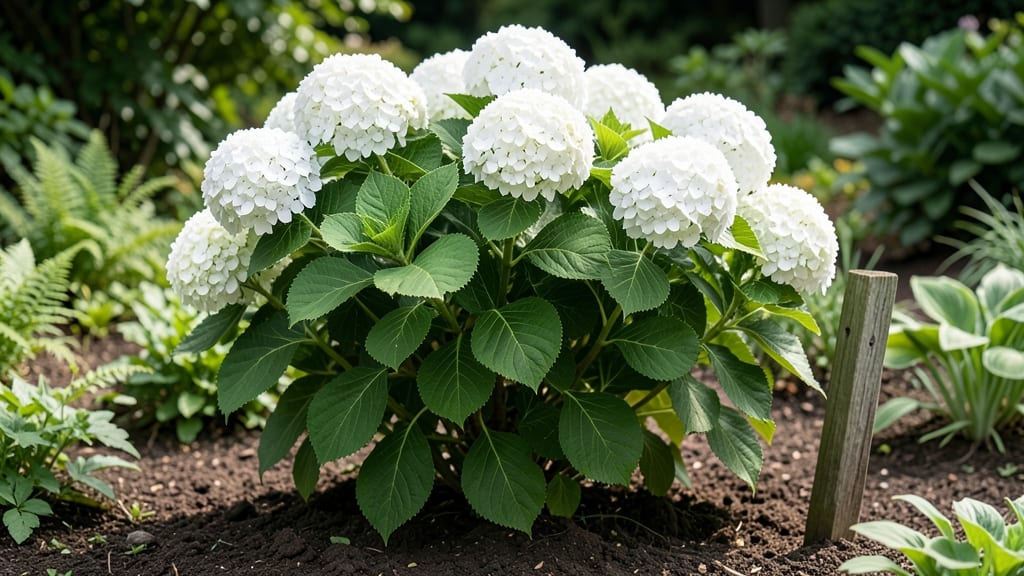
A white puffy flower bush transforms your garden into a dreamy Pacific Northwest retreat. 🌿 These frosty-resilient beauties—like hydrangeas or abutilon—bring soft, cloud-like blooms that dance in the breeze, even after light frosts.
I’ve seen them turn winter gardens into ethereal white canvases, their petals catching morning dew like tiny snowflakes.
Their charm isn’t just in looks—it’s in how they work in your space. Plant them along borders for a romantic edge, or cluster three together as a cottage-garden focal point.
They thrive in partial shade, making them perfect for under trees or near patios where full sun might scorch other plants. Plus, their late-summer to fall blooming season keeps your garden lively when many others fade.
Pair them with ferns for texture or lavender for fragrance, and watch how they soften hard lines in your yard. The result? A garden that feels like a storybook—whimsical, inviting, and uniquely yours. Let’s talk placement and styling next.
Whether you’re framing a path or creating a standalone statement, these bushes bring effortless elegance. Their ability to bounce back after frost means you’ll enjoy their puffy charms for years, even in our rainy, cool climate. Ready to add some dreamy drama?
📚 In This Guide
- What you need
- Instructions
- Tips and common mistakes
- Wrapping up and next steps
What you need
- ● 1–3 nursery-grown plants (3–4 ft tall, bare-root or potted; check local frost hardiness zones—USDA Zones 3–9 for best results).
- ● High-quality, well-draining soil (amend garden soil with 3–5 gallons of compost or 1 part peat moss + 1 part perlite if clay-heavy).
- ● Organic mulch (3–4 inches of shredded bark, pine straw, or straw to protect roots in winter).
- ● Slow-release fertilizer (10–10–10 or balanced 5–10–5; 1–2 lbs per bush at planting time).
- ● Watering can or hose with a gentle spray nozzle (1–2 gallons per plant during dry spells).
- ● Garden trowel or shovel (for digging holes 2x wider and as deep as the root ball).
- ● Gloves (heavy-duty for digging, lightweight for pruning).
- ● Pruning shears (sharp, bypass-style for clean cuts; sterilize with rubbing alcohol between plants).
- ○ Staking supplies (optional): 3–4 bamboo stakes (2–3 ft tall) + twine or plant ties (for young, top-heavy bushes).
- ○ Frost cloth or row covers (optional) (for Zone 3–4 gardeners to protect new growth in late spring/early fall).
- ● Sunlight & space: Full sun to partial shade (6+ hours of sun for Spiraea; morning sun + afternoon shade for Hydrangea).
- ● 3–6 ft of spacing between plants (check mature size—some Spiraea varieties spread wider!).
Step-by-Step guide to growing a frost-resilient white flowering bush
Here's how to cultivate a stunning white blooming shrub that thrives in cool climates.
🌱 Step 1: Choose the Right Variety for Your Climate
For the Pacific Northwest's chilly springs and damp winters, opt for Hydrangea arborescens 'Annabelle' or Weigela florida 'Wine and Roses'—both produce abundant white puffy blooms and tolerate frost down to 10°F. These varieties also handle the region's frequent rain without struggling with fungal issues.
Check your specific microclimate—sheltered spots near foundations often stay 5-10°F warmer than exposed areas. If your yard gets late frosts after blooms appear, select Weigela—it blooms later and handles cold better than hydrangeas. Always buy from reputable nurseries that source plants grown in similar climates.
☀️ Step 2: Select and Prepare the Planting Site
Find a location with morning sun and afternoon shade—this protects blooms from afternoon heat while giving enough light for strong growth. The soil should drain well but retain moisture; amend heavy clay with 2 inches of compost mixed into the top 12 inches of soil.
Dig a hole twice as wide as the root ball but only as deep. This encourages roots to spread horizontally rather than settling too low. Water the hole thoroughly before planting to prevent air pockets. For best results, plant in early spring when soil is workable but frost danger has passed.
💧 Step 3: Plant and Establish the Bush
Remove the plant from its container and gently loosen roots if they're circling. Place it in the hole so the top of the root ball sits 1 inch above ground level—this prevents rot during heavy rains. Backfill with native soil mixed with 1 part compost, tamping lightly as you go.
Water deeply immediately after planting to eliminate air gaps. Mulch with 2-3 inches of shredded bark around the base (but not touching the stem) to regulate soil temperature and conserve moisture. Keep soil consistently moist for the first 4-6 weeks—this helps roots establish before summer heat arrives.
✂️ Step 4: Prune for Health and Abundant Blooms
Prune immediately after flowering in late summer to shape the bush and encourage next year's blooms. Remove 1/3 of the oldest stems at the base to rejuvenate growth. For hydrangeas, cut back stems that flowered this year by half their height—this stimulates next season's flower clusters.
Weigela bushes bloom on new wood, so prune in early spring before buds swell. Trim back any dead or crossing branches first, then shape the plant by cutting just above outward-facing buds. Avoid heavy pruning in fall—new growth won't harden off before winter.
🌿 Step 5: Maintain Through Seasons
Water deeply once weekly during the first growing season, then reduce to every 10-14 days once established. These bushes handle drought better than overwatering—yellow leaves signal soggy roots. Apply a balanced 10-10-10 fertilizer in early spring and again after flowering to support blooms.
Watch for aphids on new growth—spray with water to dislodge them or use neem oil if infestations persist. In winter, remove any mulch pulled away from the base by wind, then add a 2-inch layer of fresh mulch in early spring to protect roots as temperatures warm.
Tips & tricks for perfect white puffy flower bushes
Real talk: These tips will help you avoid the most common mistakes that turn beautiful blooms into sad, underperforming shrubs.
Microclimate Mastery: That 5-10°F temperature difference between exposed and sheltered spots matters more than you might think. If your yard gets late frosts, Weigela is your best bet—it blooms later when frost danger has passed. I've seen hydrangeas get frost-nipped in sheltered spots that were actually warmer than exposed areas. Always plant in the coolest part of your yard for best results.
Root Ball Placement: The 1-inch elevation above ground level in Step 3 isn't just about preventing rot—it's about airflow. That small gap keeps water from pooling against the stem during our rainy Pacific Northwest winters. I learned this the hard way when my first plant developed crown rot after heavy rains. Pro tip: Use a small handful of gravel at the bottom of the hole to create that drainage gap before adding soil.
Pruning Precision: When you're cutting back hydrangea stems by half their height in late summer, aim for just above a leaf node where new growth emerges. I've seen people cut too close to the base, which removes next year's blooms entirely. For Weigela, those outward-facing buds are your guide—cut just above them to encourage bushy growth. And remember: Always use sharp pruners to avoid crushing stems, which can invite disease.
Watering Wisdom: That first 4-6 weeks of consistent moisture is critical, but don't drown your plant. I recommend using a moisture meter to check soil moisture—aim for slightly damp but not soggy. Our region's heavy clay soils can hold too much moisture, leading to root rot. If you notice yellow leaves, it's often a sign of overwatering rather than underwatering.
Pro Tips for White Puffy Flower Bush
- Real talk: These tips will help you avoid the most common mistakes that turn beautiful blooms into sad, underperforming shrubs.
- Microclimate Mastery: That 5-10°F temperature difference between exposed and sheltered spots matters more than you might think.
- Root Ball Placement: The 1-inch elevation above ground level in Step 3 isn't just about preventing rot—it's about airflow.
Frequently asked questions
Got questions about your white puffy flower bush? You’re not alone! Here are answers to the most common queries from gardeners in the Pacific Northwest and beyond.
What’s the best time to plant a white puffy flower bush in the PNW?
Plant your bush in early spring (March–April) or fall (September–October) for optimal root establishment. Avoid extreme heat or frost—PNW’s mild winters make fall planting ideal, while spring gives roots time to settle before summer droughts.
How cold can this bush handle? Is it truly frost-resistant?
Yes! Most white puffy bloomers (like Deutzia or Spiraea) thrive in USDA Zones 4–8, enduring temps down to -20°F. Mulch heavily in winter for extra protection, especially in exposed areas. Young plants may need winter wraps until established.
Why aren’t my white flowers blooming? Troubleshooting tips?
Check these fixes:
- Sunlight: Ensure 4–6 hours of sun daily (partial shade works too).
- Pruning: Trim after blooming to encourage new growth.
- Soil: Amend heavy clay or sandy soil with compost for nutrients.
- Age: Young bushes (under 3 years) may take time to bloom.
What are low-maintenance alternatives to white puffy blooms?
If you want easy-care PNW-friendly white bloomers, try:
- Heuchera (coral bells) – White veined leaves + subtle flowers.
- Lavender – Drought-tolerant, fragrant, and pollinator-friendly.
- Japanese Anemone – Late-summer white blooms with minimal fuss.
- Dwarf Lilac – Compact, fragrant, and deer-resistant.
Are white puffy flower bushes deer-resistant?
Not always! While some varieties (like Spiraea) are less appealing, deer may nibble if hungry. Use deer repellent sprays or plant near deer-deterrents like Russian Sage or Lamb’s Ear. Physical barriers (fencing) work best for young plants.
Wrapping up and next steps
Ready to transform your Pacific Northwest garden into a dreamy, frost-resistant paradise? The white puffy flower bush isn’t just a stunning addition—it’s a low-maintenance, resilient superstar that thrives where others falter.
Whether you’re drawn to its delicate blooms, hardy nature, or pollinator-friendly charm, this plant is your ticket to year-round beauty with minimal effort.
Now’s the perfect time to take action! 🌱 Start by choosing your favorite variety, gather your supplies, and follow the steps to plant with confidence. Before you know it, your garden will be buzzing with life—and you’ll be the envy of the neighborhood. Happy gardening!