
Flowers
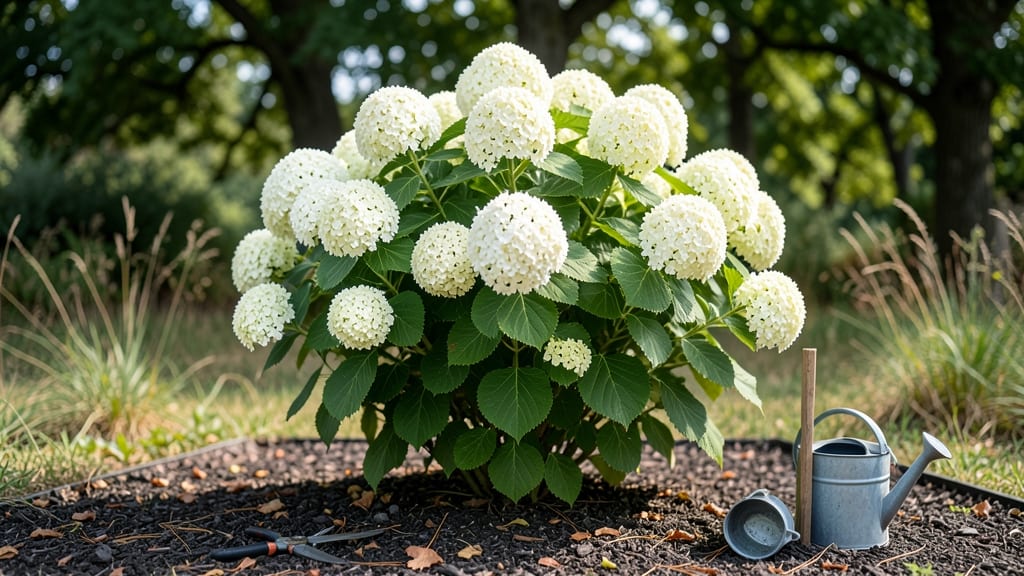
Growing white snowball flowers (Viburnum opulus 'Roseum') in your Pacific Northwest garden means frost-proof blooms that turn heads every spring. 🌿 I’ve watched mine thrive through our damp winters and rainy summers—once you nail the right spot, they practically grow themselves.
The secret isn’t complicated: it’s about matching their love of moist, well-draining soil and partial shade to keep those iconic snowball clusters coming back year after year.
You’ll need a sunny-to-part-shady location (think dappled light under trees) and soil that stays consistently moist but never soggy. These shrubs spread 6-8 feet wide, so give them room or plan to prune regularly.
The best time to plant is in early spring or fall, when the roots can establish before summer heat or winter frost hits. Mulch helps retain moisture and protects roots—just keep it a few inches away from the trunk.
By late spring, you’ll be rewarded with 3-inch white flower clusters that smell lightly sweet and attract bees. The foliage turns a soft yellow in fall, adding another season of interest.
Prune right after flowering to shape the shrub and encourage next year’s blooms—just avoid heavy cuts in late summer, or you’ll sacrifice next spring’s display.
Common pests like aphids or spider mites are rare but can stress the plant. A strong spray of water usually clears them up. For diseases, ensure good airflow and avoid overhead watering.
With the right care, these shrubs live 20+ years, becoming a frost-resistant backbone of your garden that even beginners can master.
📚 In This Guide
- What you need
- Instructions
- Tips and common mistakes
- Wrapping up and next steps
What you need
- ● White snowball flower plants: 1-3 bare-root or potted plants (choose established 1-2 year olds for faster growth).
- ● Well-draining soil: Mix of native soil, compost (30% organic matter), and perlite (10%) for aeration.
- ● Mulch: 2-3 inches of wood chips or shredded bark to retain moisture and insulate roots.
- ● Slow-release fertilizer: 10-10-10 or organic options like composted manure (apply in early spring).
- ● Support structure: A sturdy trellis, arbor, or fence (6-8 feet tall) for climbing varieties.
- ● Garden trowel or spade
- ● Pruning shears (sterilized with rubbing alcohol)
- ● Watering can or hose with a gentle spray nozzle
- ○ Gloves (optional but recommended for thorny stems)
- ● pH testing kit (ideal soil pH: 5.0–6.5)
- ● Drip irrigation system for consistent moisture
- ● Epsom salt (1 tbsp/month in water) for magnesium boost
- ● Fungicide (like neem oil) to prevent powdery mildew in humid PNW summers
- ● Decorative stones or pebbles for a polished garden bed
Step-by-step instructions for planting white snowball flowers in the Pacific Northwest
Here's how to establish these hardy climbers with minimal fuss—perfect for your cool, damp climate.
🌱 Step 1: Choose the Right Location and Prepare the Soil
White snowball flowers (Viburnum opulus) thrive in partial shade to full sun but appreciate afternoon shade in hotter inland PNW areas. Select a spot where they’ll receive at least 4-6 hours of morning sunlight—this prevents leaf scorch while satisfying their light needs. Avoid low-lying areas where cold air pools, as these plants handle frost well but prefer good air circulation.
Amend the soil with 3-4 inches of compost mixed into the top 12 inches of native soil. These plants tolerate a range of soil types but grow best in moist, well-draining soil with a pH between 5.0 and 7.0. If your soil is heavy clay, add sand or perlite to improve drainage. Test drainage by digging a 12-inch hole, filling it with water, and checking if it drains within 24 hours. Slow drainage means you need to improve soil structure.
🪴 Step 2: Plant Bare-Root or Container-Grown Plants at the Right Time
For the Pacific Northwest, early spring (March-April) or fall (September-October) are ideal planting times. Avoid transplanting during extreme heat or frost. If using bare-root plants, soak the roots in lukewarm water for 1-2 hours before planting to rehydrate them. For container-grown plants, water thoroughly 24 hours before transplanting to reduce shock.
Dig a hole twice as wide as the root ball but no deeper. Position the plant so the top of the root ball sits 1-2 inches above ground level—this prevents rot in heavy winter rains. Gently loosen the roots if they’re circling in a container, then place the plant in the hole. Backfill with native soil mixed with compost, tamping lightly to remove air pockets. Water deeply to settle the soil and eliminate gaps.
☀️ Step 3: Provide Support and Water Consistently for Establishment
White snowball flowers are climbing shrubs that need 6-8 feet of vertical support, such as a trellis, fence, or sturdy arbor. Install support immediately after planting to avoid disturbing roots later. Use flexible ties or soft cloth strips to secure the main stems—avoid wire or anything that can cut into the bark as the plant grows.
Water deeply once a week during the first growing season, providing 1-1.5 gallons per plant to encourage deep root growth. Check soil moisture by sticking your finger 2 inches into the soil—if it feels dry, water again. Mulch around the base with 2-3 inches of organic mulch (like shredded bark) to retain moisture, regulate soil temperature, and suppress weeds. Keep mulch 6 inches away from the stem to prevent rot.
✂️ Step 4: Prune for Shape and Health in Late Winter or Early Spring
Pruning encourages dense foliage and abundant blooms while maintaining the climbing habit. Wait until late winter or early spring, just before new growth begins, to prune. Remove dead, diseased, or crossing branches first, cutting back to a healthy bud or lateral stem. Thin out overcrowded branches to improve airflow, aiming for an open, vase-like shape that allows sunlight to reach inner growth.
To encourage flowering, cut back last year’s flower clusters to a strong lateral bud in early spring. Avoid heavy pruning—never remove more than one-third of the plant’s foliage in a single season. After pruning, apply a balanced fertilizer (10-10-10) around the base to support new growth. Water thoroughly after fertilizing to prevent root burn.
⏰ Step 5: Monitor for Pests and Adjust Care as the Plant Matures
White snowball flowers are generally pest- and disease-resistant, but watch for aphids, spider mites, or scale in hot, dry summers. Treat infestations early with neem oil or insecticidal soap, applying in the early morning or evening to avoid harming beneficial insects. If fungal issues like powdery mildew appear (common in humid PNW summers), improve airflow by pruning and apply copper fungicide as needed.
Mature plants require minimal watering once established but benefit from deep watering during prolonged dry spells. In the Pacific Northwest’s mild winters, these plants rarely need extra protection, but young plants may benefit from a thick layer of mulch (4-6 inches) to insulate roots during freezing temperatures. Fertilize lightly in early spring with a slow-release fertilizer to maintain vigor without encouraging excessive leafy growth at the expense of flowers.
Tips & tricks for perfect white snowball flower establishment
A few strategic moves will help your white snowball flowers thrive in the Pacific Northwest's unique climate—avoiding the common pitfalls that trip up even experienced gardeners.
Soil Preparation Secret: When amending your soil with 3-4 inches of compost, work it into the top 12 inches of native soil to create a nutrient-rich zone where roots can spread. I've found that adding a handful of mycorrhizal fungi to the planting hole can dramatically improve root development—these beneficial fungi form symbiotic relationships with plant roots, enhancing nutrient uptake. This is especially helpful in the PNW's acidic soils where nutrients can be locked away.
Timing is Everything: The 1-2 hour soak for bare-root plants is non-negotiable—it rehydrates the roots and reduces transplant shock. For container-grown plants, that 24-hour pre-transplant watering ensures the root ball stays intact during removal. Here's what I do differently: I add a splash of seaweed extract to the water during both soaking and pre-transplant watering. The natural hormones in seaweed help reduce stress and promote faster establishment.
Support System Strategy: Installing that 6-8 foot support immediately after planting prevents root disturbance later, but here's the part nobody mentions: use galvanized metal stakes as temporary supports during the first growing season. These provide sturdy anchoring while the main trellis or arbor is being constructed. The stakes should be placed 12-18 inches away from the plant to avoid root damage, with flexible ties securing the main stems at 45-degree angles to encourage strong branching.
Pruning Precision: When you're cutting back last year's flower clusters to a strong lateral bud in early spring, look for buds that are facing outward rather than inward. These will produce branches that grow away from the center, creating that beautiful open vase shape. I also recommend sterilizing your pruning shears with rubbing alcohol between cuts—this prevents spreading any potential fungal spores that might be hiding in the plant's crevices.
Pro Tips for White Snowball Flowers
- A few strategic moves will help your white snowball flowers thrive in the Pacific Northwest's unique climate—avoiding the common pitfalls that trip up even experienced gardeners.
- Soil Preparation Secret: When amending your soil with 3-4 inches of compost, work it into the top 12 inches of native soil to create a nutrient-rich zone where roots can spread.
- Timing is Everything: The 1-2 hour soak for bare-root plants is non-negotiable—it rehydrates the roots and reduces transplant shock.
Frequently asked questions
Got questions about growing white snowball flowers in the Pacific Northwest? You’re in the right place! Here are some of the most common queries—and their answers—to help you cultivate these stunning climbers with confidence.
When is the best time to plant white snowball flowers in my region?
Plant them in early spring (March–April) or early fall (September–October) for optimal root establishment. The Pacific Northwest’s mild winters make fall planting ideal—just ensure the soil isn’t frozen. Avoid planting in late summer heat, as young roots struggle to adapt.
Are white snowball flowers truly frost-resistant? What’s the secret?
Yes! These hardy beauties thrive in USDA Zones 3–8 and tolerate light frosts. Their secret? Deep roots and thick stems. Mulch heavily in winter (3–4 inches of wood chips or straw) to insulate roots. Young plants may need winter protection, but mature vines bounce back effortlessly.
How do I encourage my white snowball flowers to climb higher?
Provide a strong trellis, arbor, or fence (at least 8–10 feet tall) and gently tie the vines to the support with soft twine or plant ties as they grow. Prune leggy growth in early spring to redirect energy upward. Deadhead spent blooms to prolong flowering and prevent seed production.
What pests or diseases should I watch for, and how do I treat them?
Common issues include:
- Japanese beetles: Handpick or use neem oil.
- Powdery mildew: Improve airflow; spray with baking soda solution (1 tsp baking soda + 1 quart water).
- Root rot: Avoid overwatering; ensure well-draining soil.
Prevention is key—mulch properly and water at the base of the plant to keep foliage dry.
Can I grow white snowball flowers in containers? What’s the best setup?
Yes, but they need large pots (15+ gallons) with drainage holes and a well-draining potting mix. Choose a fast-growing trellis (like a tomato cage or obelisk) and fertilize monthly with a balanced 10-10-10 formula. Containers dry out faster—water deeply 2–3 times per week in summer.
How long does it take for white snowball flowers to bloom after planting?
Patience pays off! First-year plants focus on root growth and may produce small, sparse blooms. Full, dramatic blooms typically appear 2–3 years after planting. For faster results, buy established 1–2 year old plants from nurseries.
Wrapping up and next steps
Growing white snowball flowers in the Pacific Northwest is a rewarding journey that brings elegance and resilience to your garden.
These frost-resistant beauties thrive with minimal fuss, offering stunning blooms year after year—perfect for climbers, borders, or even container gardens. Now that you’re equipped with the right knowledge, why not take the next step?
- Plant one this season! Choose a sunny spot, gather your supplies, and let nature do the rest.
- Share the love: Snap a photo of your flourishing snowball flowers and tag us—we’d love to see your progress!
Happy gardening—your future blooms will thank you! 🌸✨