
Container Gardens
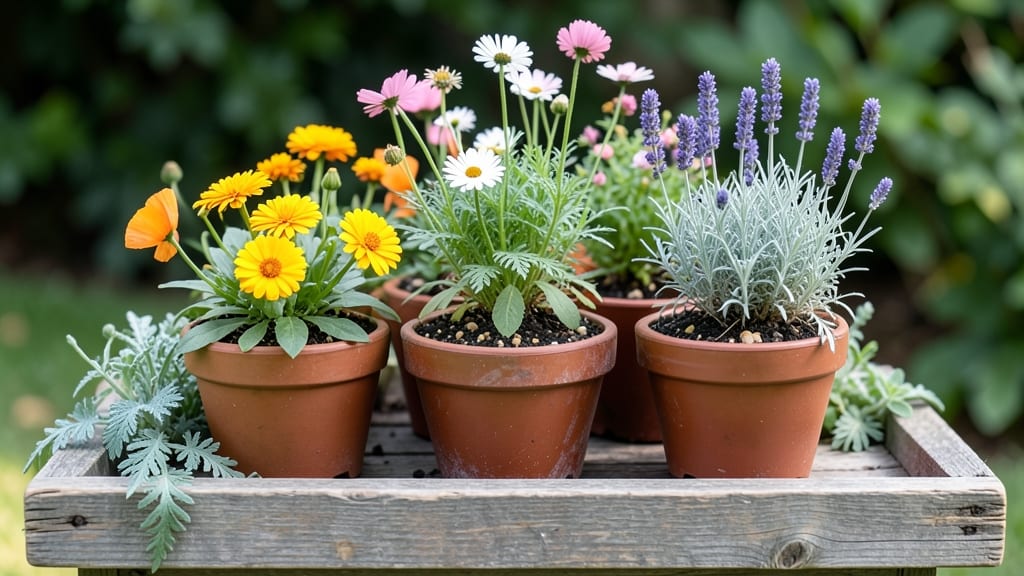
Your balcony or patio could become a buzzing pollinator paradise this summer. 🌸 Wildflower mix in pots transforms even the smallest spaces into vibrant havens for bees, butterflies, and hummingbirds while keeping your garden colorful year-round.
I’ve filled everything from hanging baskets to whiskey barrels with these mixes, and the results never fail to impress—both for the wildlife and for the cheerful blooms that last from spring until frost.
The beauty of containerized wildflowers is that you don’t need a big yard or fancy equipment. A 5-gallon pot works for small mixes, while 10-15 gallon containers let you grow taller varieties like coneflowers or black-eyed Susans.
Choose lightweight containers for easy moving if you need to protect them from winter freezes, and opt for deep pots if you’re growing tap-rooted flowers like foxglove or columbine. The key is well-draining soil mixed with compost to keep roots happy without soggy messes.
By mid-summer, you’ll have a nonstop floral display that changes colors with the seasons—think bright purples and yellows in June, soft pinks and whites in August, and late-season golds and reds that feed migrating birds. The best part?
These pots require minimal upkeep: water when the top inch of soil feels dry, deadhead spent blooms to encourage more flowers, and fertilize lightly once a month. Even in urban areas, your little oasis will attract pollinators and make neighbors stop to admire the show.
This approach works for urban balconies, rooftop gardens, or even windowsills—just match your container size to your space and the flowers you choose. Whether you’re a beginner or a seasoned gardener, wildflowers in pots prove that beauty and biodiversity can thrive anywhere, with almost no effort.
Let’s get those seeds planted and turn your space into a living tapestry of color and life.
📚 In This Guide
- What you need
- Instructions
- Tips and common mistakes
- Wrapping up and next steps
What you need
- ● Wildflower seed mix: 1–2 lbs (or as needed for your pot size). Choose a native wildflower blend suited to your climate (e.g., Black-eyed Susan, Coneflower, or Poppy mixes).
- ● Containers: At least 1–2 pots (8–12 inches in diameter for small pots, 12+ inches for larger displays). Ensure pots have drainage holes.
- ● Potting soil: 1–2 bags of high-quality, well-draining container mix (avoid garden soil—it compacts!). Look for blends labeled for flowers or succulents.
- ● Watering can or hose: With a gentle spray nozzle for even moisture.
- ○ Gloves (optional but recommended): To protect hands from soil and seeds.
- ● Trowel or small shovel: For mixing soil and planting seeds.
- ○ Mulch or pebbles: (Optional) To retain moisture and suppress weeds. Use organic mulch like straw or inorganic options like gravel.
- ○ Plant labels: (Optional) To track varieties if mixing multiple wildflower types.
- ○ Fertilizer: (Optional) A slow-release, low-nitrogen fertilizer (e.g., 5-10-5 ratio) to support blooms. Apply sparingly—wildflowers thrive in lean soil!
- ○ Sunlight tracker: (Optional) To monitor pot placement for 6+ hours of sunlight daily.
- ● 💡 Seed depth: Lightly press seeds into the top ¼ inch of soil—most wildflowers need light to germinate!
- ● 🌡️ Watering: Keep soil consistently moist (not soggy) until seeds sprout, then water deeply 1–2 times per week.
- ● 🎯 Pot placement: Group pots together to create a pollinator-friendly cluster—butterflies and bees love it!
Step-by-Step guide to creating a thriving wildflower pot garden
Here's how to transform containers into a buzzing pollinator haven—simple, stunning, and packed with seasonal blooms.
🪴 Step 1: Choose and Prepare the Right Containers
Select pots with drainage holes—wildflowers despise soggy roots. I prefer 10-12 inch diameter containers for this project (they hold the 4 gallons of mix we'll use). Terra cotta breathes best, but any material works if it drains well. Place a 2-inch layer of coarse gravel at the bottom before adding soil—this prevents clogging and ensures water flows freely.
Here's the thing—wildflower mixes contain seeds of varying sizes. Some need light to germinate, while others prefer darkness. To accommodate both, I scatter half the wildflower mix over the top of the soil after planting. The rest goes in the prepared 4 gallons of well-draining potting mix mixed with 1 cup of perlite. This blend prevents compaction, which is critical for wildflower roots that spread shallowly.
🌱 Step 2: Plant and Layer for Season-Long Blooms
Fill each container with the prepared mix, leaving 1 inch of space at the rim for watering. Press down gently—just enough to remove air pockets, but don't compact. Now, scatter the remaining half of the wildflower mix evenly over the surface. These seeds need light to sprout, so don't bury them. Lightly press them into the soil so they make contact but stay exposed.
Water gently but thoroughly until moisture reaches 2 inches deep. You'll see some seeds wash away—that's normal. The key is to keep the soil consistently moist for the first 2-3 weeks while germination occurs. After that, wildflowers are remarkably drought-tolerant once established. I like to use a spray bottle for the first few days to avoid disturbing the tiny seeds.
☀️ Step 3: Position for Sun and Pollinator Success
Wildflowers thrive in full sun (6+ hours daily), but they'll tolerate 4-6 hours if you choose heat-tolerant varieties like black-eyed Susan or coneflower. Place pots where they'll receive morning sun, which reduces water stress. I position mine on a south-facing patio where they get afternoon shade during summer's peak heat.
Real talk: The first blooms might appear in 6-8 weeks, but don't be discouraged if it takes longer. Some seeds need cold stratification (a winter chill) to germinate. If your area has mild winters, you might see spring and fall blooms the first year, with summer blooms the following year. The mix of annuals and perennials in the seed blend ensures continuous color.
💧 Step 4: Water and Maintain for Year-Round Beauty
After the initial 2-3 week germination period, reduce watering to once weekly unless your area experiences 10+ days of dry heat. Wildflowers in pots dry out faster than in-ground plants. I check by sticking my finger 1 inch deep—if it feels dry, that's your cue. Overwatering is the fastest way to kill these hardy plants, so let the soil dry between waterings.
Deadhead spent blooms to encourage more flowers, but don't go overboard—some seed heads provide winter interest and food for birds. I leave 20-30% of the flowers to self-seed, which creates a natural, evolving display. By late summer, you'll likely see volunteer seedlings popping up—these are the plants that will return year after year.
✂️ Step 5: Divide and Refresh for Next Season
By late fall or early spring, you'll notice some plants crowding the pot. This is normal—wildflowers spread aggressively. When pots feel root-bound (roots circling the edges), divide the clumps and share with neighbors or replant in fresh mix. I refresh half the pots each year to maintain vigor. Simply remove the top 3 inches of soil, add 1 inch of compost, and mix it in before topping with fresh wildflower mix.
This is the moment that matters: Your pots will become a pollinator magnet. You'll see bees, butterflies, and hummingbirds visiting within weeks of the first blooms. The secret? Diversity. A good wildflower mix contains 50+ species, ensuring something blooms from early spring to late fall. Even in winter, the seed heads provide texture and interest.
Tips & tricks for perfect wildflower mix in pots
Here's what nobody tells you—these details turn good containers into thriving pollinator paradises.
Layering Strategy: The two-part planting method in Step 1 is your secret weapon. When mixing the 4 gallons of well-draining potting mix with 1 cup of perlite, add a handful of coarse sand too—this creates even better drainage for shallow wildflower roots. The top-dressed seeds will catch morning sun while the buried seeds stay protected from drying winds, giving you two germination paths working simultaneously.
Germination Timing: Don't rush those first 2-3 weeks of consistent moisture in Step 2. I've seen seeds take up to 4 weeks to appear if your climate is cooler—patience pays off. Use a clear plastic bag loosely draped over each pot (like a mini greenhouse) for the first week to maintain humidity without smothering the seeds. Remove it once you see the first sprouts.
Sunlight Optimization: The 6+ hours of full sun in Step 3 is non-negotiable, but here's the pro move: rotate your pots every 2-3 weeks so all sides get equal exposure. This prevents lopsided growth and ensures even blooming. South-facing patios work best, but if you're limited to west-facing spots, use reflective surfaces like light-colored walls to bounce extra sunlight onto your pots.
Pollinator Magnet: To accelerate the bee and butterfly visits, add a small dish of water with pebbles near each pot by 6-8 weeks (when first blooms appear). The insects will stop by for drinks before discovering your flowers. I've seen monarch butterflies arrive within 24 hours of adding this simple water station—it's like throwing a welcome party for pollinators.
Pro Tips for Wildflower Mix In Pots
- Here's what nobody tells you—these details turn good containers into thriving pollinator paradises.
- Layering Strategy: The two-part planting method in Step 1 is your secret weapon.
- Germination Timing: Don't rush those first 2-3 weeks of consistent moisture in Step 2.
Frequently asked questions
Got questions about growing a wildflower mix in pots? You’re not alone! Here are some of the most common queries—and their easy answers—to help you create a thriving pollinator paradise without the guesswork.
Can I grow wildflowers in pots year-round?
Most wildflower mixes thrive in pots during spring and summer, but with the right care, you can extend their life into fall. Choose perennial varieties (like coneflowers or black-eyed Susans) for longer blooms. In winter, let the pots rest or move them to a sheltered spot—just keep them slightly moist and frost-free.
How often should I water potted wildflowers?
Water when the top inch of soil feels dry—usually 2–3 times per week in hot weather, but less in cooler months. Pots dry out faster than garden beds, so morning watering prevents evaporation. Avoid soggy soil (drainage is key!) and let excess water escape. Pro tip: Group pots together to create a microclimate that retains moisture.
Will potted wildflowers still attract bees and butterflies?
Wildflowers in pots provide just as much nectar as garden beds—just ensure your mix includes bee-friendly varieties like lavender, cosmos, or milkweed. Place pots near seating areas or windows for easy viewing. Bonus: Hanging pots add vertical interest and attract fluttering pollinators at eye level.
What do I do if my wildflowers look leggy or sparse?
Leggy or sparse growth often means your wildflowers need more light (6+ hours of sun daily) or thinning. Snip back overcrowded stems to encourage bushier growth. If soil nutrients are depleted, add a balanced, slow-release fertilizer (like 10-10-10) in spring. Deadheading spent blooms also prompts new flowers and keeps pots looking fresh.
Can I use regular potting soil for wildflowers?
Yes, but amend it for better drainage and pollinator appeal. Mix in perlite or sand (20%) to prevent compaction, and add a handful of worm castings for nutrients. Avoid heavy garden soil—it retains too much moisture and can suffocate roots. For a budget-friendly hack, blend coco coir with compost for a lightweight, breathable medium.
Are there low-maintenance wildflower mixes for pots?
Look for pre-mixed “self-seeding” or “pollinator-friendly” blends labeled for containers. Brands like American Meadows or Burpee offer easy-care options with drought-tolerant species (e.g., sunflowers, zinnias). These mixes rebloom yearly with minimal deadheading and thrive in smaller pots (5+ inches deep). Perfect for beginners!
Wrapping up and next steps
Transforming your space into a pollinator paradise with wildflower mixes in pots is easier—and more rewarding—than you think! 🌸 Whether you’re a seasoned gardener or just starting, these vibrant blooms bring color, life, and ecological benefits to any balcony, patio, or windowsill.
With the right mix of native seeds, proper care, and a little creativity, you’ll enjoy year-round beauty while supporting bees, butterflies, and hummingbirds.
Ready to dive in? Start small—pick a sunny spot, grab a pot, and let nature do the rest! 🌱 Review the essentials or visit your local nursery to find the perfect wildflower mix for your climate. Happy planting!