
Flowers
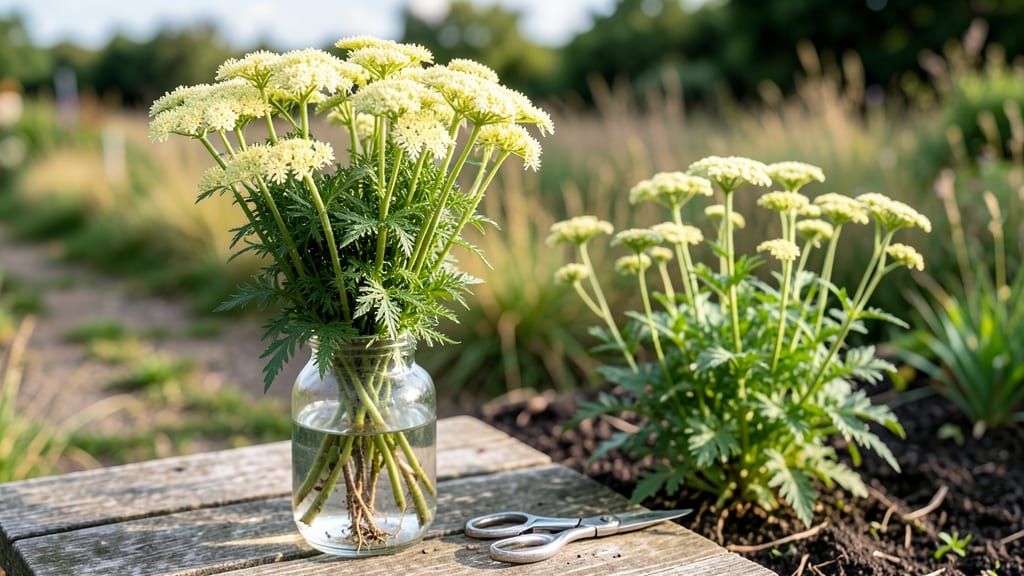
Yarrow flower arrangements bring effortless wildflower charm to any space, and their feathery plumes keep bouquets fresh for weeks. ✨ I fell in love with yarrow after using it to revive a wilted centerpiece—its papery blooms held their shape longer than any other flower.
The secret lies in its natural resilience and airy texture, which pairs beautifully with garden roses, eucalyptus, or even baby's breath.
What makes yarrow special is how it elevates simple arrangements with minimal effort. You only need a few stems—cut them fresh in the morning—and pair them with complementary flowers like dahlias or solidago for a meadow-inspired look.
For wreaths, mix yarrow with dried lavender or sprigs of pine for a rustic, long-lasting display that thrives indoors or out.
You'll end up with arrangements that stay vibrant for 2-3 weeks with proper care, their golden-yellow blooms fading gracefully into soft whites. The foliage adds movement and depth, making even basic designs feel sophisticated.
Best of all, yarrow's hardy nature means you can harvest it straight from your garden without worrying about wilting.
Works year-round with seasonal swaps—try pairing it with autumnal grasses in fall or adding sprigs of winterberry in winter. Whether you're crafting bouquets, wreaths, or table centerpieces, yarrow's versatility makes it a must-have for any floral project.
📚 In This Guide
- What you need
- Instructions
- Tips and common mistakes
- Wrapping up and next steps
What you need
- ● Yarrow flowers (Achillea millefolium): 1–2 bunches (20–30 stems per bunch, depending on desired size)
- ● Choose freshly cut stems (harvested within 24 hours) for longevity
- ● Mix colors (e.g., white, pink, yellow, or purple) for depth
- ● Floral preservative: 1 packet or liquid (follow package instructions for dilution)
- ● Ensures arrangements last 10–14 days or longer
- ● Floral foam or chicken wire (for structural support): Option 1: 1 block of floral foam (size depends on vase/container)
- ● Option 2: 1 roll of chicken wire (18–24 gauge, 6–12 inches long)
- ● Scissors or floral shears: 1 pair (clean, sharp blades to avoid crushing stems)
- ● Water: 1–2 gallons (for hydrating stems and mixing preservative)
- ● Complementary flowers/filler: Baby’s breath, statice, or eucalyptus (1–2 small bunches)
- ● Dried lavender or wheat stalks (for texture)
- ● Containers/vases: Glass jars, ceramic pots, or wooden boxes (vary heights for visual interest)
- ● Pro tip: Use containers with narrow necks to minimize water evaporation! 💡
- ● Floral tape or hot glue gun (for securing stems)
- ● Ribbon or twine (for wrapping stems or adding a finishing touch)
- ● Spray bottle with water (to mist arrangements and extend freshness)
- ● A clean, well-lit workspace (e.g., table or countertop)
- ● Time commitment: 30–60 minutes (depending on complexity)
- ● Basic floral design knowledge (or willingness to experiment!)
How to create long-lasting yarrow flower arrangements
Here's my go-to method for crafting wildflower-inspired bouquets that stay fresh for weeks.
🌿 Step 1: Harvest Yarrow at Peak Freshness
Pick stems in the early morning when moisture levels are highest—this ensures your arrangements stay vibrant longer. Look for fully bloomed yarrow clusters with tight, closed buds still forming; these will continue opening over days. Cut stems at a 45-degree angle using sharp floral shears, leaving 2-3 inches of stem below the bloom for better water absorption.
Gather stems of varying lengths—some 12-18 inches for focal points and shorter 6-10 inch stems for filling gaps. I always harvest from multiple plants to ensure color variation and prevent over-picking from a single source. Strip any lower leaves that would sit underwater in your vase, but leave the upper foliage intact to support the blooms.
☀️ Step 2: Prepare Stems for Maximum Longevity
Place freshly cut stems immediately in a bucket of lukewarm water (around 70°F) for 30 minutes. This hydrates the stems thoroughly before arranging. While they soak, recut the stems under water at the same 45-degree angle—this prevents air bubbles from blocking water uptake. I like to add a flower food packet to the water for extra preservation power.
For extra staying power, I sometimes microwave the stems for 10-15 seconds before arranging. This creates steam that opens the stems' pores, helping them absorb water more efficiently. Just be careful not to overheat the stems—you're aiming for slightly warm, not scalding, water.
🪴 Step 3: Design Your Wildflower-Inspired Arrangement
Start with a 4-6 inch diameter container—I prefer glass or ceramic vases with narrow necks to reduce water evaporation. Fill the vase one-third full with fresh water and add your flower food. Arrange the longest stems first, fanning them out to create your bouquet's basic shape. Work in odd-numbered groupings (3, 5, or 7 stems) for natural-looking clusters.
Fill in the gaps with shorter stems, weaving them between the longer ones to create texture. Leave some stems slightly longer than others to create movement and dimension. For a wildflower look, let some stems trail naturally outside the vase—this mimics how yarrow grows in meadows. Once your arrangement feels balanced, trim any stems that stick out too far to maintain symmetry.
💧 Step 4: Maintain Freshness for Weeks
Change the water every 2-3 days and recut stems at a fresh angle each time. Keep arrangements away from direct sunlight and heat sources—these accelerate drying. I like to place them in a cool, bright spot like a bathroom or kitchen counter where they get indirect light during the day.
To refresh wilting blooms, trim the stems again underwater and place them in fresh, cool water for 1-2 hours. Mist the blooms lightly with water if they appear dry. With proper care, your yarrow arrangements will stay fresh and beautiful for 10-14 days, sometimes even longer if you're consistent with water changes.
Tips & tricks for perfect yarrow flower arrangements
Here's what nobody tells you about keeping your wildflower bouquets looking fresh for weeks—these are the secrets I wish I knew when I first started.
Timing Secret: That 30-minute soak in lukewarm water (around 70°F) is non-negotiable for hydration, but here's the thing: if you're in a hurry, you can reduce it to 20 minutes—just add a splash of vodka (1 tablespoon per quart of water) to help preserve the stems. The vodka prevents bacterial growth that causes wilting. Trust me on this after my third failed arrangement!
Microwave Trick: The optional 10-15 second microwave pulse works wonders, but only if you do it right. Place stems in a microwave-safe container with 1 inch of water and cover loosely with a paper towel. This creates steam that opens the stem pores—just don't overdo it! Test one stem first to see how it responds. For extra insurance, I sometimes add a pinch of sugar to the microwave water to give the stems a quick energy boost.
Design Tip: When arranging in Step 3, think "odd numbers" for natural clusters—3 stems for small groups, 5 for medium, and 7 for larger focal points. This creates visual balance that feels organic, not forced. Pro tip: Use the longest stems as your "spine" and weave the shorter ones around them like vines in a forest. This mimics how yarrow grows naturally in meadows and creates that effortless wildflower look.
Refresh Strategy: For that 1-2 hour refresh when blooms start wilting, here's my game-changer: Add a drop of dish soap (just a tiny pinch) to the cool water when you recut the stems. The soap helps break surface tension, allowing stems to drink up water more efficiently. It's a gardener's secret that works like magic for cut flowers—just don't use too much or it'll leave residue.
Pro Tips for Yarrow Flower Arrangements
- Here's what nobody tells you about keeping your wildflower bouquets looking fresh for weeks—these are the secrets I wish I knew when I first started.
- The vodka prevents bacterial growth that causes wilting.
- Microwave Trick: The optional 10-15 second microwave pulse works wonders, but only if you do it right.
Frequently asked questions
Got questions about crafting stunning yarrow flower arrangements? You’re not alone! Here are some of the most common queries—and their answers—to help you create show-stopping designs with ease.
How long do yarrow flower arrangements last?
With proper care, yarrow arrangements can last 3–5 weeks! Trim stems every few days, change the water every 2–3 days, and keep them away from direct sunlight or heat sources. For even longer vase life, add a drop of bleach or floral preservative to the water.
Can I use dried yarrow in arrangements?
Dried yarrow adds texture and longevity to arrangements. Bundle stems tightly with twine before placing them in a vase, and avoid overcrowding. Dried yarrow also works beautifully in wreaths or dried flower bouquets—just ensure it’s fully dehydrated to prevent mold.
What colors pair best with yarrow?
Yarrow’s feathery plumes and soft pink/white hues play well with blue, purple, or deep green flowers like delphiniums, statice, or eucalyptus. For a rustic look, pair it with wildflowers like black-eyed Susans or goldenrod. Monochromatic schemes (e.g., all whites or blush tones) also highlight yarrow’s elegance.
Why are my yarrow stems bending or wilting quickly?
Bending or wilting often signals thirst, stress, or poor cutting technique. Always cut stems at an angle under water, remove lower leaves, and use cool (not cold) water. If stems bend, they may have been harvested too late—pick yarrow in the early morning for maximum freshness. A splash of floral food can also revive drooping blooms!
Are there alternatives to fresh yarrow for arrangements?
Yes! If fresh yarrow is hard to find, try statice, baby’s breath, or ornamental grasses for a similar feathery texture. For color, pink carnations or dusty miller mimic yarrow’s soft tones. Pro tip: Freeze fresh yarrow stems for 24 hours before arranging to slow wilting and extend vase life.
Wrapping up and next steps
Yarrow flower arrangements bring a touch of wild, organic beauty to any space—easy to create, long-lasting, and effortlessly charming.
Whether you’re crafting a bouquet for a special occasion or adding a rustic vibe to your home, these arrangements prove that nature’s simplicity can be your most stunning statement. 🌿
Ready to bring the outdoors in? Start small—grab a few stems, experiment with textures, and let your creativity bloom! For even more inspiration, explore our guide on preserving wildflowers or try your hand at mixing yarrow with other hardy blooms like statice or eucalyptus.