
Flowers
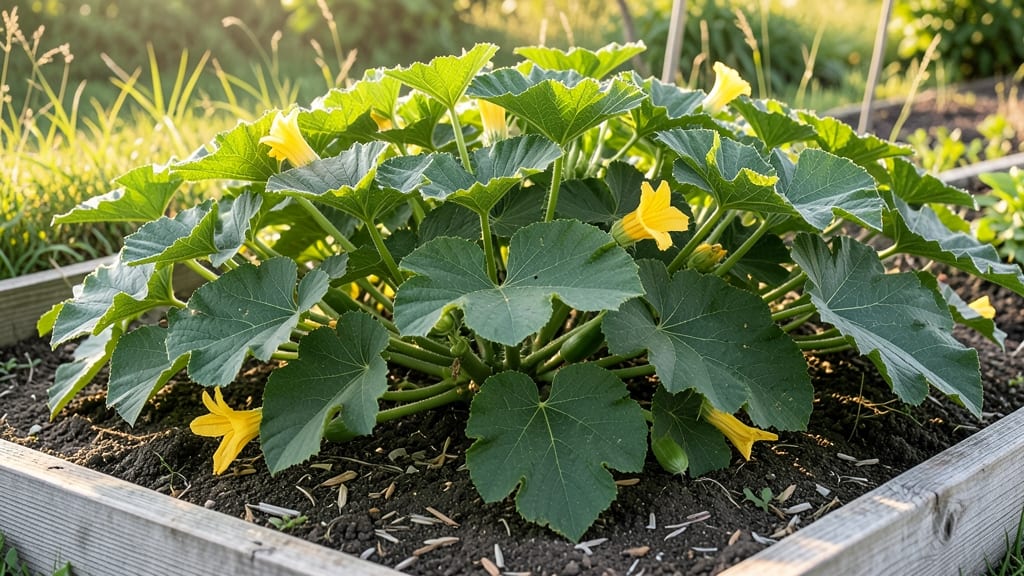
When zucchini flowers burst open in season, they're not just pretty—they're edible and packed with a delicate citrus zing that transforms summer dishes. 🌸 I remember the first time I tasted them fresh from the vine, still dusted with morning dew, and realized how much I'd been missing.
These blooms appear in late spring to early summer in most zones, with the timing shifting slightly north to south.
The flowers are directly tied to your harvest: every bloom that gets pollinated becomes a zucchini. Healthy plants produce 50-100 flowers per season, but only about 10% actually set fruit.
The key to maximizing both blooms and harvests lies in soil fertility—rich, well-draining soil with plenty of phosphorus encourages prolific flowering, while consistent moisture keeps them coming.
You'll know you're on the right track when your plants burst into color, with male flowers appearing first (they have long stems) followed by female flowers (with tiny zucchini bumps at their base). The best part?
You can eat the male flowers raw in salads or battered and fried, while female flowers make stunning garnishes or delicate tempura. The flavor? A bright, almost lemony tang that elevates any dish.
For northern gardeners, watch for first frost dates—flowers may appear as early as May in Zone 7 but wait until July in Zone 4. Southern gardeners can expect blooms year-round in mild climates, though summer heat may reduce flowering.
The secret to continuous blooms? Prune aggressively after fruit sets to encourage new growth, and always harvest zucchini when small to keep the plant producing.
📚 In This Guide
- What you need
- Instructions
- Tips and common mistakes
- Wrapping up and next steps
What you need
- ● Fresh zucchini flowers – 2–4 blooms per person (pick in the morning for peak freshness). Look for fully open, vibrant yellow flowers with no wilting or browning.
- ● Organic olive oil or butter – 2–3 tbsp (for frying or sautéing). Use high-quality, flavorful options like extra-virgin olive oil for that je ne sais quoi.
- ● Salt and pepper – To taste (don’t skimp—these blooms deserve flavor!).
- ○ Fresh herbs – Optional but recommended: basil, thyme, or parsley (1–2 sprigs) for a fragrant touch.
- ● Lemon zest or juice – ½ tsp zest or 1 tbsp juice (to enhance that bright citrus note!).
- ● Sharp kitchen shears or small knife – For gently trimming stems and removing pistils (if desired).
- ● Mixing bowl – Medium-sized for rinsing or marinating flowers.
- ● Paper towels – To pat blooms dry (wet petals won’t crisp up well!).
- ● Skillet or frying pan – Small to medium (8–10 inches) for shallow frying.
- ● Tongs or slotted spoon – For carefully lifting fried flowers.
- ● Paper towels or cooling rack – To drain excess oil.
- ● Parchment paper – For lining pans if baking or roasting instead of frying.
- ● Honey or balsamic glaze – 1 tsp (drizzle for a sweet-savory twist!).
- ● Crushed nuts or seeds – 1 tbsp (e.g., pine nuts or sesame seeds) for texture.
- ● Edible flowers – Nasturtium or violets (for garnishing and extra color!).
- ● Garden gloves – If foraging to protect your hands from prickly stems.
How to harvest and use zucchini flowers in season
Here's how to turn those delicate blooms into edible treasures—simple steps for flavorful results.
🌿 Step 1: Identify and Select the Right Flowers
Zucchini flowers appear in early summer when plants are 4-6 weeks old and actively growing. Look for fully open male flowers—they have a long stem and no bulb at the base, while female flowers have a tiny zucchini forming behind the bloom. Male flowers are more tender and sweeter, perfect for harvesting.
Pick flowers in the morning after dew has dried but before the heat of the day. Gently grasp the stem near the base and twist—don’t cut—so you don’t damage the plant. You’ll want 4-6 flowers per serving, depending on how you plan to use them.
💧 Step 2: Clean and Prep for Immediate Use
Rinse flowers under cool water to remove dirt or pesticides, then pat dry with a clean towel or paper towel. Handle them gently—petals bruise easily. Remove any wilted or damaged petals, but leave the stamens and pistils intact for texture and flavor.
Here’s the thing—zucchini flowers don’t store well, so use them within hours of picking. If you can’t cook them immediately, refrigerate in a paper towel-lined container for up to 24 hours, but they’ll lose some crispness. For best results, work with them fresh.
☀️ Step 3: Cook or Use Raw in Simple Dishes
For lightly cooked flowers, dip them in flour or cornmeal, then fry in hot oil (350°F) for 1-2 minutes until golden. They’ll puff up slightly and develop a delicate crunch. Drain on a paper towel and serve immediately with a sprinkle of salt and lemon zest—that citrus zing complements their natural sweetness.
Raw, they add a bright, floral crunch to salads or pasta dishes. Toss whole flowers into cold salads with arugula, shaved fennel, and a light vinaigrette, or stuff them with cheese and herbs for a gourmet appetizer. Just be sure to remove any thick stems, which can be tough.
✂️ Step 4: Preserve Excess Blooms (If You’re Lucky)
If you’ve harvested more than you can use right away, freeze the petals for later. Remove petals from the flower, lay them flat on a parchment-lined tray, and freeze for 2 hours. Transfer to a ziplock bag and store for up to 3 months. Thaw in the fridge before using in cooked dishes—they’ll lose their crispness but retain flavor.
For a preserved citrus twist, infuse the petals in simple syrup (equal parts sugar and water, simmered until dissolved). Let the mixture cool, then store in the fridge for up to 2 weeks. Use a few drops to brighten cocktails, desserts, or even savory sauces.
Tips & tricks for perfect zucchini flower prep
Working with edible flowers takes patience—here's how to handle them like a pro without losing that delicate charm.
Harvesting Tip: Male zucchini flowers open just once in the morning, so harvest them immediately after they bloom. I've found that picking between 8-10 AM gives you the most tender petals—any later and they start to wilt faster. The key is to twist the stem gently rather than cutting it, which prevents damaging the plant's energy flow for future blooms.
Frying Technique: For that perfect golden crunch at 350°F, use a deep fryer or heavy pot with enough oil to submerge the flowers halfway. The 1-2 minute fry time is critical—any longer and they'll turn rubbery. I like to fry them in small batches to maintain consistent heat. A slotted spoon helps drain excess oil while keeping those delicate petals intact.
Storage Wisdom: That 24-hour fridge window is tight, so work with what you have. I've learned to prioritize cooking the freshest flowers first—they're at their peak when you can hear a satisfying crunch when you bite into them. If you must refrigerate, place a paper towel between layers in your container to absorb any excess moisture that could make petals soggy.
Preservation Hack: When freezing petals for that 3-month storage, lay them out completely flat on parchment—don't stack them. I use a second sheet of parchment on top to prevent sticking, then slide them into bags. This single step makes all the difference when you're ready to use them later in cooked dishes.
Pro Tips for Zucchini Flowers In Season
- Working with edible flowers takes patience—here's how to handle them like a pro without losing that delicate charm.
- Harvesting Tip: Male zucchini flowers open just once in the morning, so harvest them immediately after they bloom.
- Frying Technique: For that perfect golden crunch at 350°F, use a deep fryer or heavy pot with enough oil to submerge the flowers halfway.
Frequently asked questions
When is the best time to pick zucchini flowers?
Harvest zucchini flowers in the morning after the dew dries but before the sun intensifies (around 8–10 AM). Pick them when fully open but before they wilt—usually 1–2 days after blooming. Use sharp scissors or pruners to avoid damaging the plant. Pro tip: Check flowers daily; they close by midday and may drop petals overnight!
Can you eat zucchini flowers raw or do they need cooking?
Both! Raw petals add a delicate citrusy crunch to salads (like a peppery arugula), but cooking enhances their flavor. Lightly sauté in butter for 1–2 minutes or batter/fry for a crispy tempura-style treat. Warning: Remove the stamen (the yellow center) and pistil (thick base) before eating—they’re bitter!
What if my zucchini flowers keep falling off before I can pick them?
This usually happens due to heat stress, overwatering, or pests. Keep plants in partial shade during peak sun (10 AM–4 PM), water at the base (not leaves), and inspect for aphids or squash bugs. Quick fix: Handpick pests or spray with neem oil. Also, ensure your zucchini plant gets 1–2 inches of water weekly—consistency is key!
Are there any substitutes for zucchini flowers if I can’t find them?
For a similar bright, floral note, try:
- Squash blossoms (any summer squash variety)
- Violet or pansy flowers (mildly sweet, edible)
- Daylily petals (remove orange stamens)
- Zucchini “squash” (fruit) puree (for texture in dishes)
How long do zucchini flowers last after picking?
Fresh-picked flowers stay crisp for 1–2 days in the fridge (wrap loosely in a paper towel). For longer storage, blanch (dip in boiling water for 10 seconds) and freeze in ice cube trays with water or oil. Freezing tip: Thaw quickly under cold water before using to preserve texture!
Wrapping up and next steps
Zucchini flowers in season aren’t just a stunning sight—they’re a culinary treasure brimming with delicate citrusy notes and surprising versatility! Whether you’re foraging, growing your own, or simply exploring new flavors, these edible blooms open up a world of gourmet possibilities.
From frying to stuffing or garnishing, their unique charm adds a fresh, elegant touch to any dish.
Ready to dive in? Start by harvesting or sourcing your first batch, then experiment with a simple recipe—like this crispy fried zucchini flower guide—to taste their magic for yourself. Happy cooking! 🌸🍽️