
Flowers
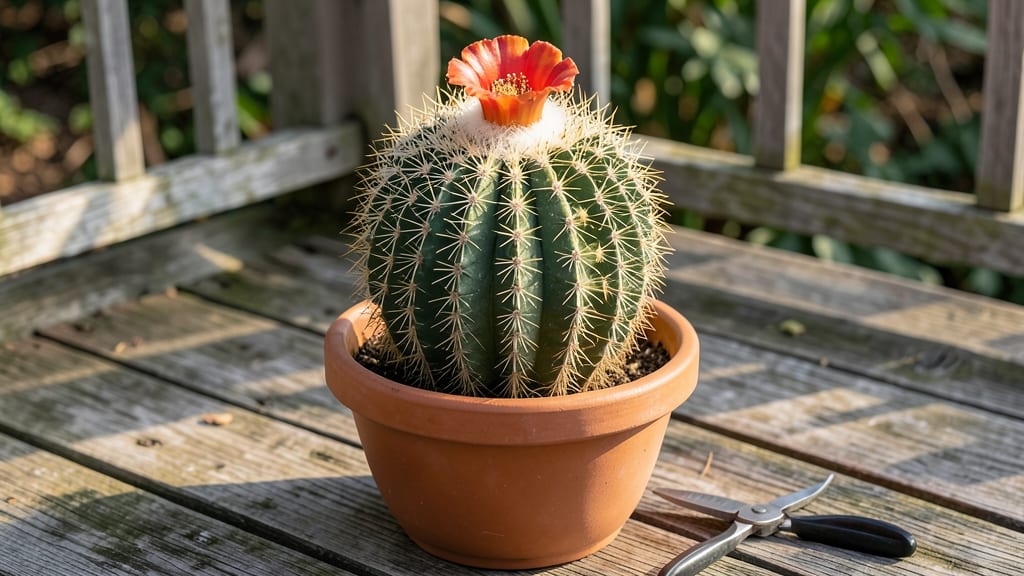
Arizona cactus with flowers don't just survive the desert—they thrive and burst into color when given the right conditions. 🌵 I've watched saguaros unfurl brilliant white blooms at dusk and prickly pears explode with magenta flowers that hummingbirds can't resist.
The key isn't just about watering less; it's about mimicking the desert's natural rhythms.
These plants need full sun (at least 6 hours daily), well-draining soil (think 50% gravel or coarse sand), and deep but infrequent watering—once every 2-4 weeks once established. My barrel cactus, for example, flowers every spring after I stop watering it completely in late fall.
The trick is patience: most flowering cacti take 3-5 years to bloom reliably, but the wait transforms your yard into a desert oasis.
You'll end up with striking vertical accents (saguaro flowers can reach 3 feet tall!), edible fruit (prickly pear pads), and pollinator magnets that outshine any annual.
The scent of night-blooming cactus flowers—like jasmine mixed with honey—is unforgettable. Plus, they require zero summer watering once mature, making them the ultimate low-maintenance star.
Perfect for rock gardens, xeriscapes, or even container growing—just use terracotta pots with drainage holes. The only challenge? Protecting blooms from late frosts (below 28°F) or overzealous neighbors who mistake them for weeds.
But once established, these plants need almost no care beyond occasional pruning of offsets. Let's get yours flowering!
📚 In This Guide
- What you need
- Instructions
- Tips and common mistakes
- Wrapping up and next steps
What you need
- ● Cactus soil mix: 5 gallons of well-draining cactus/succulent soil (avoid garden soil—it retains too much moisture!)
- ● Pot or container: 1–2 terracotta or ceramic pots (6–12 inches in diameter, with drainage holes)
- ○ Optional: A shallow tray or saucer for catching excess water
- ● Cactus or seed: A flowering Arizona native cactus like Saguaro (Carnegiea gigantea), Barrel Cactus (Ferocactus spp.), or Prickly Pear (Opuntia spp.) (check local nurseries for species suited to your zone).
- ● Gloves: A pair of thick gardening gloves (cactus spines are no joke!)
- ● Trowel or small shovel: For gentle soil handling (avoid metal—it can damage roots).
- ● Watering can or spray bottle: With a narrow spout to avoid overwatering.
- ● Pebbles or gravel: 1–2 cups for drainage layer at the pot’s bottom.
- ○ Optional: pH testing kit (to ensure soil is slightly acidic to neutral, pH 6.0–7.0)
- ● Slow-release fertilizer (like 10-10-10 for cacti, used sparingly)
- ● Location: Full sun exposure (6+ hours daily) and protection from frost (most Arizona cacti thrive in USDA zones 9–11).
- ● Water: Minimal and infrequent—wait until soil is completely dry before watering (overwatering kills cacti!).
- ● Patience: Some cacti (like Saguaro) take years to bloom—enjoy the journey! 🌸
How to cultivate and care for Arizona cactus that bloom year-round
Here's my foolproof method for growing vibrant, blooming Arizona cacti that thrive in desert conditions.
🪴 Step 1: Select the Right Cactus Variety and Container
Choose a native Arizona species like the saguaro (Carnegiea gigantea) or prickly pear (Opuntia spp.) for reliable blooming. These varieties naturally adapt to the 100-110°F desert heat and low humidity conditions. Use a terracotta pot with drainage holes—it mimics the well-draining mineral soil of the Sonoran Desert.
Size matters: a 5-7 gallon pot gives roots room to spread while preventing waterlogging. I always add a 2-inch layer of coarse gravel at the bottom to improve drainage. This prevents root rot, which is the #1 killer of container-grown cacti in Arizona's intense summers.
☀️ Step 2: Replicate Desert Conditions with Light and Soil
Place your cactus in full sun—at least 6-8 hours daily—mimicking the harsh desert sunlight. A south-facing window or outdoor exposure works best. If indoors, supplement with a grow light positioned 12-18 inches away for 14 hours daily during winter's shorter days.
Use a cactus/succulent mix with 50% mineral grit (like perlite or pumice) to replicate the rocky desert soil. I blend 2 parts potting soil with 1 part coarse sand and 1 part gravel for perfect drainage. The mix should feel gritty and dry out quickly between waterings—this prevents fungal issues common in Arizona's monsoon season.
💧 Step 3: Water Sparingly and Only When Necessary
Water only when the soil is completely dry—stick your finger 2 inches deep. If it feels dry, water deeply until it runs out the drainage holes. In summer, this might mean every 2-3 weeks; in winter, once a month is often enough. Overwatering is the fastest way to kill a cactus, especially in Arizona's heat.
I always water in the early morning to allow excess moisture to evaporate before evening humidity sets in. During monsoon season (July-September), reduce watering by half—too much moisture triggers rot. Watch for yellowing or mushy stems as signs of overwatering.
✂️ Step 4: Encourage Blooming with Strategic Care
Most Arizona cacti bloom in spring or summer after a period of dormancy. To trigger flowers, reduce watering in late fall and move pots to a cooler (50-60°F) spot for 4-6 weeks. This mimics the desert's winter chill period, which signals the plant to bloom.
After blooming, fertilize lightly with a balanced 10-10-10 fertilizer diluted to half strength in early spring. I use just 1 teaspoon per gallon of water—too much fertilizer burns roots. Deadhead spent flowers to redirect energy to new growth, but leave seed pods if you want more plants.
🌿 Step 5: Protect from Pests and Extreme Conditions
Arizona cacti face few pests, but mealybugs and scale can appear. Wipe stems with a 70% isopropyl alcohol solution if you spot cottony white clusters. For severe infestations, I spray with neem oil (1 tsp per quart of water) every 7 days until pests disappear.
During 110°F+ heatwaves, move pots to partial shade to prevent sunburn. Watch for bleached or wrinkled patches—these indicate heat stress. In winter, protect from freezing temps by moving indoors or covering with burlap if temperatures drop below 25°F. Most Arizona natives survive down to 15°F, but flowers may drop if shocked.
Tips & tricks for perfect Arizona desert cactus blooms
Real talk: Growing cacti that actually bloom takes more finesse than most gardeners realize. Here's what nobody tells you about keeping those vibrant flowers coming back.
Light Exposure Secret: The 6-8 hours of daily sunlight in Step 2 isn't just about intensity—it's about consistency. Place your cactus where it gets morning sun (6am-12pm) and afternoon shade (12pm-6pm) during summer's peak 110°F+ heatwaves. I've seen saguaros completely bleached from direct midday sun—they recover, but lose their deep green color and potential blooms. Rotate your pots every few weeks so all sides get equal light exposure, which prevents lopsided growth and ensures even flowering potential.
Soil Science: That 50% mineral grit in your soil mix isn't just for drainage—it's the key to preventing fungal issues during Arizona's monsoon season. When mixing your 2:1:1 ratio (soil:sand:gravel), I add a handful of crushed granite to the bottom third of the pot. This creates a capillary break that stops water from pooling at the roots while still allowing excess moisture to evaporate. The gritty texture also mimics the natural desert environment where these cacti evolved to thrive with minimal water.
Watering Psychology: The "only when soil is completely dry" rule in Step 3 is harder to follow than it sounds. I've learned to water only after the top 2 inches AND the next 2 inches below feel bone-dry—this prevents surface moisture from sitting on the roots. For summer watering every 2-3 weeks, I set a reminder on my phone for the same day each week to check. If you're unsure, under-water slightly—cacti store moisture in their stems, but they can't recover from rot once it starts.
Bloom Trigger Hack: That 4-6 week cool period in Step 4 (50-60°F) is your secret weapon for consistent blooming. I move my cacti to an unheated garage during winter nights when temps drop below 60°F. The temperature swing between day and night is what signals the plant to produce flowers. If you live in a mild climate where winter temps stay above 60°F, try placing pots near a window with cold drafts or use a small fan to create airflow differences that mimic desert conditions.
Pro Tips for Arizona Cactus With Flowers
- Real talk: Growing cacti that actually bloom takes more finesse than most gardeners realize.
- Light Exposure Secret: The 6-8 hours of daily sunlight in Step 2 isn't just about intensity—it's about consistency.
- Soil Science: That 50% mineral grit in your soil mix isn't just for drainage—it's the key to preventing fungal issues during Arizona's monsoon season.
Frequently asked questions
Got questions about Arizona’s stunning flowering cacti? You’re not alone! Here are some of the most common inquiries—plus straightforward answers to help you grow, care for, or simply admire these desert beauties.
When do Arizona cacti with flowers bloom?
Arizona’s flowering cacti typically bloom in spring and summer (March–June), but some varieties, like the Saguaro or Prickly Pear, may produce flowers year-round in ideal conditions. Night-blooming cereus cacti often open after dark—check for fragrant, white or pink flowers around dusk!
How often should I water flowering cacti in Arizona’s heat?
Overwatering is the #1 killer! Most Arizona cacti thrive on deep but infrequent watering—every 2–4 weeks during monsoon season (July–September) and monthly or less in winter. Let soil dry completely between waterings. Pro tip: Use a moisture meter to avoid guesswork!
Can I grow flowering cacti in containers? What’s the best soil?
Use a cactus/succulent mix with 60% inorganic material (perlite, pumice) to prevent root rot. Containers need drainage holes and a shallow depth—terracotta pots work great. Avoid garden soil; it retains too much moisture. Bonus: Elevate pots to improve airflow!
Why isn’t my cactus flowering? Troubleshooting tips.
Lack of blooms often signals stress. Check these fixes:
- Light: Ensure 6+ hours of direct sun daily (south-facing windows or grow lights).
- Age: Many cacti need 3–5 years to flower—patience pays off!
- Fertilizer: Use a low-nitrogen, high-phosphorus formula (like 5-10-10) in spring.
- Temperature shock: Some cacti (e.g., Barrel Cactus) need a cool winter (40–50°F) to trigger blooms.
Still no flowers? It might be a species-specific quirk—research your cactus’s native habitat!
Are flowering cacti safe for pollinators like bees and hummingbirds?
Yes! Many Arizona cacti, like the Organ Pipe Cactus and Cholla, produce nectar-rich flowers that attract pollinators. Hummingbirds love red or orange blooms (e.g., Prickly Pear), while bees adore white or yellow flowers. Planting tip: Group cacti with other native flowers (like desert marigolds) to create a pollinator paradise!
Wrapping up and next steps
Arizona’s cacti with flowers are a testament to the desert’s resilience and beauty—proving that even in arid conditions, life thrives in vibrant, stunning ways. 🌵✨ Whether you’re a gardener, nature enthusiast, or simply someone who appreciates unique flora, these blooming cacti offer endless inspiration.
Now that you’re armed with knowledge about their care, varieties, and quirks, why not take the next step?
Ready to bring desert magic to your garden? Start small by planting a Saguaro or Barrel Cactus in your yard—or even in a sunny pot! Research local nurseries, join a plant-loving community, or plan a trip to Arizona’s wildflower hotspots to see these beauties in person. The desert’s blooms are waiting for you!