Flowers
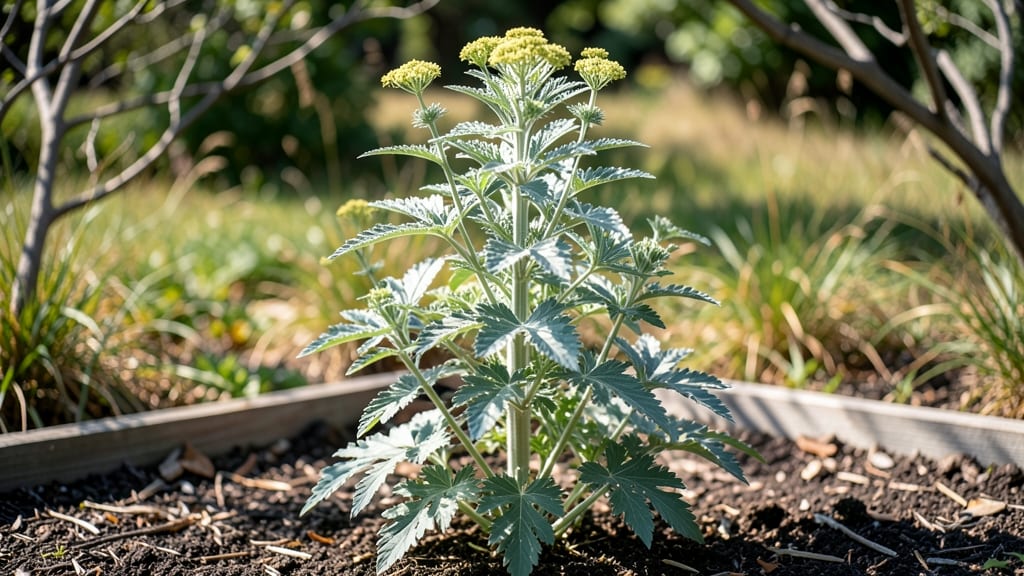
Growing Artemisia vulgaris flowers means adding a hardy, fragrant perennial to your garden that thrives with almost no fuss. 🌿 I’ve watched this silvery-green shrub go from a scraggly transplant to a bushy, drought-resistant beauty in just two seasons—its delicate yellow blooms attract pollinators while its leaves release a citrusy aroma when crushed.
The key? Understanding its love for sun, well-draining soil, and minimal interference once established.
This plant is a drought-tolerant champion, making it perfect for low-maintenance gardens or rocky slopes where other perennials struggle. You’ll need full sun (at least 6 hours daily) and soil that drains quickly—sandy loam or amended clay works best.
Water lightly after planting, then let nature take over; overwatering is the fastest way to kill it. Prune back in early spring to encourage bushier growth, and deadhead spent flowers to prompt more blooms through summer.
What you’ll love most is how versatile it is—use it as a border plant, in pollinator gardens, or even as a culinary herb (sparingly, as it’s potent). The silvery foliage adds texture year-round, and its medicinal properties (like digestive aid) make it a functional beauty.
With the right care, you’ll have fragrant blooms from late summer through fall, and sometimes even into winter in milder climates.
Fair warning: It can spread aggressively in ideal conditions, so contain it with roots barriers if needed. But once established, it’s nearly impossible to kill—perfect for gardeners who want beauty without the fuss. Ready to grow yours?
📚 In This Guide
- What you need
- Instructions
- Tips and common mistakes
- Wrapping up and next steps
What you need
- ● Artemisia vulgaris seeds or nursery-grown plants – 3–5 plants (for a full display) or 1–2 plants (for containers). Choose organic, non-GMO seeds if possible.
- ● Well-draining potting mix – 10–15 lbs (for containers) or amend garden soil with compost (1 part compost to 3 parts soil). Artemisia hates soggy roots!
- ○ Containers (optional but handy) – 5–7 gallon pots with drainage holes (if growing indoors or in small spaces). Terracotta works best!
- ● Organic fertilizer – Balanced 10-10-10 or low-nitrogen fertilizer (e.g., fish emulsion). Avoid over-fertilizing—mugwort thrives in lean soil.
- ● Gloves – Mugwort can irritate sensitive skin! (Nitrile or cotton gloves work well.)
- ● Trowel or small shovel – For planting seeds or transplanting.
- ● Watering can or hose with a gentle spray nozzle – Keep soil moist but not waterlogged.
- ● Pruning shears – To shape plants and encourage bushier growth.
- ● Sunlight access – Full sun (6+ hours/day) is a must. A south-facing window or grow lights work for indoor setups.
- ○ Mulch (optional) – Straw or wood chips to retain moisture and suppress weeds.
- ● 🌡️ Hardiness: Artemisia vulgaris is perennial in USDA Zones 3–9. In colder climates, mulch heavily in winter.
- ● ✨ Soil pH: Prefers neutral to slightly alkaline (6.0–7.5). Test your soil if unsure!
- ● 🔥 Propagation hack: Divide mature plants in early spring for free, ready-to-grow cuttings.
Step-by-step guide for cultivating Artemisia vulgaris flowers
Here’s how I’ve mastered growing this hardy perennial—fragrant, drought-tolerant, and perfect for borders or dried arrangements.
🌱 Step 1: Select and Prepare the Planting Site
Artemisia vulgaris thrives in full sun with at least 6-8 hours of direct light daily. Choose a spot with well-draining soil—it despises soggy roots. If your soil is heavy clay, amend it with 2-3 inches of compost mixed into the top 12 inches to improve aeration and fertility.
I always test the soil pH before planting—Artemisia prefers a slightly alkaline range of 7.0-7.5. If your soil is acidic, add a handful of crushed limestone per square foot to adjust it. The plant’s silvery foliage will look dull if the pH is off, so don’t skip this step.
🪴 Step 2: Plant Divided Roots or Seeds at the Right Time
For fastest results, plant divided roots in early spring or late summer when temperatures are mild. Dig a hole twice as wide as the root ball but only as deep as the container it came in. This prevents burying the crown too deeply, which can cause rot.
If starting from seed, sow in late fall for natural stratification or early spring after the last frost. Press seeds just ¼ inch deep—they need light to germinate. Keep the soil consistently moist until sprouts appear, which can take 2-4 weeks. Thin seedlings to 12-18 inches apart for mature plants to ensure good airflow and prevent fungal issues.
☀️ Step 3: Establish Watering and Maintenance Routines
Once established, Artemisia is remarkably drought-tolerant, but young plants need 1 inch of water weekly during the first growing season. Water deeply at the base to encourage strong root development—avoid overhead watering, which can promote mildew on the silvery foliage.
After the first year, reduce watering to every 2-3 weeks unless your region experiences prolonged dry spells. The plant’s deep roots will signal its needs—wilting leaves mean it’s time to water, but yellowing indicates overwatering. Mulch with 2 inches of organic mulch (like straw or shredded bark) to retain moisture and suppress weeds without smothering the plant.
✂️ Step 4: Prune for Shape and Encourage Flowering
Prune Artemisia in early spring before new growth begins to shape the plant and remove any dead or damaged stems. Cut back by one-third to encourage bushier growth. Avoid heavy pruning in fall, as the plant relies on its foliage for winter protection.
To promote flowering, deadhead spent blooms regularly throughout the season. The tiny yellow flowers appear in late summer and add a delicate contrast to the silvery leaves. If you’re growing Artemisia for its fragrance, avoid cutting back too aggressively—some foliage sacrifice ensures a fuller, more aromatic plant.
⏰ Step 5: Overwinter and Propagate for Year-Round Growth
Artemisia vulgaris is hardy down to USDA Zone 4, but in colder regions, mulch heavily with 4-6 inches of straw or leaves to protect the crown. In mild climates, it may stay green year-round, but in harsh winters, expect dieback—new growth emerges in spring.
Divide mature plants every 3-4 years in early spring to rejuvenate growth. Dig up the clump, separate the roots, and replant sections immediately. This also prevents overcrowding, which can reduce flowering. Propagate easily by taking 4-inch stem cuttings in summer, rooting them in moist sand, and transplanting once rooted.
Tips & tricks for perfect Artemisia vulgaris flower cultivation
These game-changing insights will help you cultivate Artemisia vulgaris flowers that stay fragrant and flourish year after year.
Light and Location Mastery: Artemisia vulgaris demands that 6-8 hours of full sun daily—no compromise! If your garden spot gets less than that, consider growing it in a large container and moving it to a sunny patio or balcony during peak sunlight hours. I've seen Artemisia thrive in containers with southern exposure, even in urban settings where ground space is limited. The silvery foliage will tell you when it's happy—bright and vibrant means perfect light!
Soil Science Secret: The secret to vibrant Artemisia lies in that slightly alkaline soil (pH 7.0-7.5). Don't guess—use a simple soil test kit from your garden center. If your soil tests acidic, add crushed limestone gradually (about 1 pound per 100 square feet) and retest in 2-3 months. I learned this the hard way when my first batch of Artemisia looked lackluster—turns out the soil was too acidic! The difference after adjusting the pH was dramatic.
Watering Wisdom: Those 1 inch of water weekly for young plants might seem straightforward, but timing matters. Water in the early morning to allow foliage to dry completely before evening—this prevents fungal issues that can ruin your silvery beauty. For established plants, let the soil dry completely between waterings. I've seen Artemisia survive weeks without water once established, but the key is that gradual transition from regular watering to drought tolerance.
Pruning Precision: When you cut back by one-third in early spring, aim for clean cuts just above a leaf node. This encourages bushier growth and prevents woody stems. For flowering varieties, deadhead spent blooms regularly to redirect energy to new growth. I've found that pruning with sharp, sterilized shears (dipped in rubbing alcohol) prevents disease transmission between cuts. The plant's natural fragrance intensifies after proper pruning!
Pro Tips for Artemisia Vulgaris Flower
- These game-changing insights will help you cultivate Artemisia vulgaris flowers that stay fragrant and flourish year after year.
- Light and Location Mastery: Artemisia vulgaris demands that 6-8 hours of full sun daily—no compromise!
- Soil Science Secret: The secret to vibrant Artemisia lies in that slightly alkaline soil (pH 7.0-7.5).
Frequently asked questions
Got questions about growing Artemisia vulgaris (mugwort)?
Here are answers to the most common ones to help you cultivate this fragrant perennial with confidence!
When is the best time to plant Artemisia vulgaris?
The ideal time to plant mugwort is in early spring or late summer. This timing allows the roots to establish before winter or summer stress. If planting in containers, you can also start seeds indoors 6-8 weeks before the last frost for an earlier bloom.
How long does it take for Artemisia vulgaris to flower?
With proper care, mugwort typically blooms within 60-90 days after planting. However, established perennials may flower earlier in the season, often between July and September. Patience is key—young plants focus on root growth first!
Can I grow Artemisia vulgaris indoors?
While mugwort thrives outdoors, you can grow it indoors in a sunny spot with a large pot (at least 12 inches deep). Ensure it gets 6+ hours of sunlight daily or supplement with grow lights. Expect slower growth compared to outdoor conditions.
Are there any pests or diseases I should watch for?
Mugwort is generally pest-resistant, but watch for aphids, spider mites, or powdery mildew in humid conditions. Improve airflow, avoid overhead watering, and treat issues early with insecticidal soap or neem oil. Healthy soil and spacing reduce most problems!
What can I do if my Artemisia vulgaris isn’t flowering?
Non-flowering mugwort often lacks sunlight, nutrients, or maturity. Try moving it to a sunnier spot, fertilizing lightly with a balanced formula, or dividing overcrowded clumps. If young, give it another season—some varieties take 2+ years to bloom!
Wrapping up and next steps
From its hardy resilience to its fragrant charm, Artemisia vulgaris is a standout perennial that rewards gardeners with minimal effort and maximal beauty.
Whether you’re drawn to its silvery foliage, pest-repelling properties, or drought tolerance, this versatile plant is a must-have for any garden—even beginners can thrive with it! 🌿
Ready to transform your outdoor space? Start small—plant a few stems in a sunny spot this season and watch your garden flourish with low-maintenance elegance. Happy growing! 🌱