
Flowers
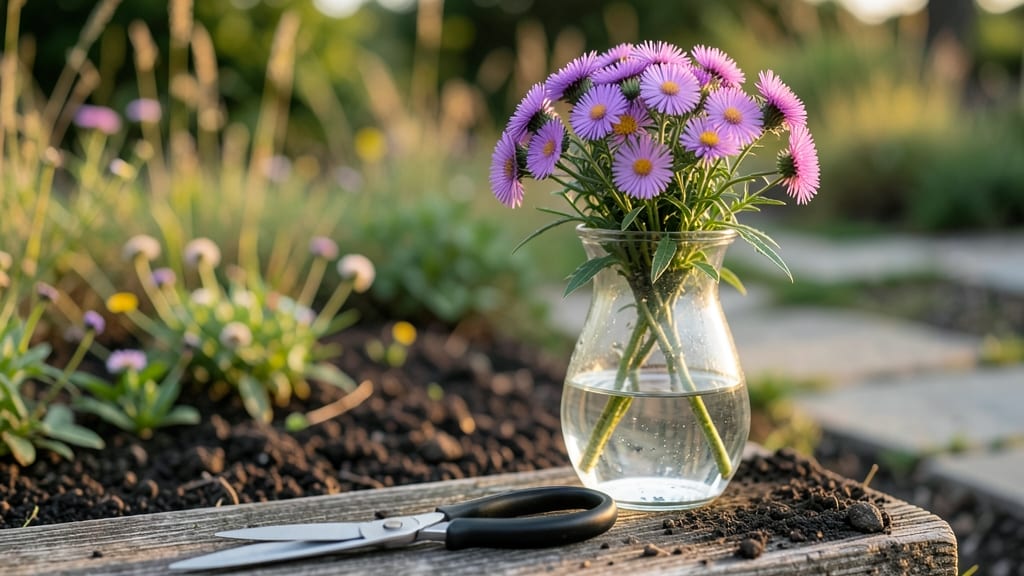
Growing asters for cut flowers is the secret to 7-day vase life that makes every bouquet look fresh from the field. 🌸 I learned this after struggling with wilting blooms that lasted only days—until I adjusted my growing and harvesting approach.
The difference between sad, droopy stems and stems that stay crisp for a week comes down to how you nurture them from soil to vase.
Asters thrive in full sun and well-draining soil, but their real magic happens in how you prune and harvest. Start with healthy plants in 6-inch pots or spaced 12 inches apart in garden beds.
Deadhead regularly to encourage more blooms, and always cut stems in the early morning when they’re fully hydrated. This simple routine turns a single plant into a steady supply of long-lasting cut flowers.
What you’ll end up with is a steady harvest from summer through fall, with stems that stay vibrant in water for a full week.
The key is harvesting at the right stage—when buds are just starting to open—and giving them a fresh cut under water to prevent air bubbles from blocking their thirst. Your bouquets will look like they were just picked, not yesterday’s leftovers.
This method works for both garden beds and containers, making it perfect for small spaces or urban gardens. Whether you’re growing for personal enjoyment or selling at a market, the same principles apply. Let’s get those stems standing tall in your vase for days on end.
📚 In This Guide
- What you need
- Instructions
- Tips and common mistakes
- Wrapping up and next steps
What you need
- ● Fresh aster flowers: 1 bunch (preferably with long, sturdy stems—look for blooms that are just starting to open for maximum longevity).
- ● Sharp floral shears or pruning scissors: 1 pair (clean, sterilized blades to prevent bacterial growth).
- ● Clean, room-temperature water: 1-2 gallons (use filtered or distilled water for best results).
- ● Vase or floral container: 1 (choose a size that accommodates ⅔ of the stems—not too cramped).
- ○ Floral preservative: 1 packet or liquid (optional but highly recommended for extending vase life).
- ● Baking soda: ¼ teaspoon (adds to water to balance pH and reduce bacteria).
- ● White vinegar or bleach: 1 teaspoon (sterilizes water—use sparingly).
- ● Floral food sticks: 1-2 (alternative to liquid preservatives).
- ● Decorative accents: Gravel, pebbles, or floral foam (for aesthetic or functional support).
Step-by-step guide to harvesting and extending aster blooms
Here's how to get vibrant, long-lasting aster cut flowers that stay fresh for days.
🌿 Step 1: Choose the Right Time for Cutting
Harvest asters when buds are just starting to open—about halfway to full bloom. This ensures they'll continue opening in your vase, creating a stunning display. Early morning is ideal because the stems are fully hydrated and the flowers are at their freshest.
Use clean, sharp pruning shears to make a 45-degree cut about 6 inches from the base. This angle increases water uptake and prevents the stems from sitting flat in the vase, which can block water flow. Avoid cutting when the flowers are fully open—they'll wilt faster once removed from the plant.
💧 Step 2: Prepare Stems for Maximum Freshness
Place cut asters immediately in a bucket of lukewarm water (around 100°F) for 30 minutes. This shock treatment opens the stem pores, allowing better water absorption. I like to add a pinch of bleach or floral preservative to the water to prevent bacterial growth, which can shorten vase life.
After soaking, trim the stems again under water to remove any damaged or air-filled sections. This step is crucial—it ensures the stems can drink up water efficiently. You'll see a noticeable difference in how quickly the flowers perk up compared to stems that aren't prepped this way.
☀️ Step 3: Create the Perfect Vase Setup
Fill a clean vase with room-temperature water and add 2 tablespoons of floral preservative (or a mix of 1 tablespoon sugar and 1 tablespoon bleach). The preservative feeds the flowers and keeps the water clean. Arrange the stems loosely in the vase—don't overcrowd them, as this can lead to mold and bacteria buildup.
Place the vase in a spot with indirect light—direct sunlight can cause the flowers to wilt faster. A cool room (around 65-70°F) will also help extend their life. Change the water every 2-3 days and trim the stems by ½ inch each time to encourage fresh water uptake.
✂️ Step 4: Maintain Blooms for Long-Lasting Beauty
Watch for any leaves that fall below the waterline and remove them immediately. Submerged foliage rots in water, which can spread to the stems and shorten the flowers' lifespan. Also, keep an eye out for any buds that start to wilt—snip them off to prevent them from affecting the rest of the arrangement.
Here's the trick I swear by: Add a fresh splash of preservative to the water every 48 hours. This keeps the flowers hydrated and disease-free. With this care, your asters will stay vibrant and fresh for at least a week, sometimes even longer if you're lucky. Real talk: a little extra effort at the start makes all the difference in how long they last.
Tips & tricks for perfect aster cut flowers
Here's what nobody tells you about keeping your aster blooms fresh and stunning for days.
Timing is Everything: Harvest your asters in the early morning when buds are just starting to open—this is when they're at their peak freshness. I've learned this the hard way after cutting fully bloomed flowers that wilted within 24 hours. That 30-minute lukewarm water soak (around 100°F) is non-negotiable—it's what opens those stem pores for maximum water absorption. Trust me, you'll notice the difference immediately in how perky your stems stay.
Cutting Technique Matters: That 45-degree angle cut isn't just for show—it increases the surface area for water uptake. I always make my second trim under water in Step 2 to remove any air bubbles that could block hydration. This might seem like a small detail, but it's what makes the difference between flowers that last a week and ones that wilt in days.
Preservative Power: The 2 tablespoons of floral preservative (or sugar/bleach mix) isn't just optional—it's the secret weapon. I add a fresh splash every 48 hours because this keeps bacteria at bay and feeds the flowers. You'll see the stems stay crisp and the blooms remain vibrant much longer. Don't skip this step if you want that restaurant-quality vase life.
Environmental Control: Keep your vase in indirect light and maintain that cool 65-70°F room temperature. Direct sunlight acts like a heat lamp and will wilt your flowers in hours. I've ruined beautiful arrangements by placing them in sunny windows—don't make my mistake! That 2-3 day water change schedule keeps everything fresh without overworking you.
Pro Tips for Aster Cut Flowers
- Here's what nobody tells you about keeping your aster blooms fresh and stunning for days.
- Timing is Everything: Harvest your asters in the early morning when buds are just starting to open—this is when they're at their peak freshness.
- Cutting Technique Matters: That 45-degree angle cut isn't just for show—it increases the surface area for water uptake.
Frequently asked questions
Got questions about keeping your aster cut flowers fresh and vibrant? We’ve got answers!
Whether you’re a first-time flower arranger or a seasoned pro, these common queries will help you master the art of long-lasting aster blooms.
How long do aster cut flowers last in a vase?
With the right care, aster cut flowers can last 7–14 days—sometimes even longer! The key is fresh water, clean vases, and trimming stems every 2–3 days. For maximum longevity, change the water every other day and store them in a cool spot away from direct sunlight or heat sources like radiators.
What’s the best way to prepare aster stems before arranging?
Start by trimming 1–2 inches off the stems at a 45-degree angle with sharp scissors or pruners. This opens the stem’s pores, allowing it to absorb water better. Remove any leaves that’ll sit below the waterline to prevent bacterial growth. For extra freshness, give the stems a quick shock treatment by placing them in lukewarm water for 1–2 hours before arranging.
Can I use tap water for my aster flowers?
Yes, but filtered or distilled water is ideal—it’s free of chlorine and minerals that can clog stems. If you must use tap water, let it sit out for 24 hours to allow chlorine to evaporate. For a boost, add a flower food packet (or a homemade mix of 1 tsp sugar + 1 tsp bleach per quart of water) to extend vase life and keep blooms vibrant.
What should I do if my aster flowers wilt or droop?
Wilting asters often signal thirst, bacterial buildup, or ethylene gas. First, check the water level—top it off if needed. Trim stems again at an angle and recut any mushy or slimy parts. Move the vase to a cooler, shaded spot and avoid placing near fruits (which release ethylene, a natural aging hormone). If blooms still look sad, try a revival soak: Trim stems, place in fresh water with flower food, and let them rest for 4–6 hours.
Are there alternatives to traditional vases for aster flowers?
Asters thrive in unconventional containers like mason jars, hollowed-out fruits (like pineapples or coconuts), or even repurposed bottles. Just ensure the container is clean and can hold enough water to cover the stems. For a rustic look, try a bucket or teapot—just add a floral preservative to the water. Pro tip: Group odd numbers of stems (3, 5, or 7) for a natural, balanced arrangement!
Wrapping up and next steps
Aster cut flowers are a game-changer for long-lasting bouquets—no more wilting in days!
By following the simple 7-day trick of fresh cuts, warm water, and floral food, you’ll enjoy vibrant blooms that keep their charm for weeks. 🌸 Whether you’re a gardener, florist, or DIY enthusiast, these tips make flower care effortless and rewarding.
Ready to elevate your floral game? Grab a pair of sharp scissors, a vase, and give it a try—your arrangements (and future bouquets) will thank you! Now’s the time to experiment and share the magic of long-lasting asters with someone special.