
Flowers
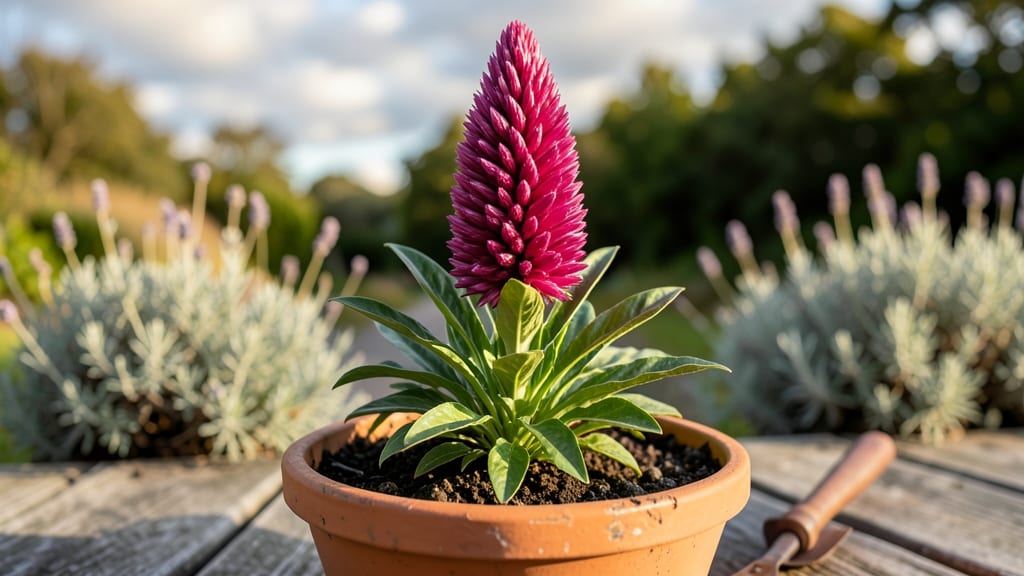
Caring for celosia flowers means unlocking those fiery plumes that turn summer gardens into living art. 🌿 I’ve grown celosia for years—from crimson velvets to golden plumes—and the secret isn’t complicated: they love heat, hate soggy roots, and reward patience with blooms that last from midsummer until frost.
The first time I saw my celosia stand tall in August while other flowers wilted, I knew I’d found my go-to heat-proof annual.
Start with well-draining soil and full sun—celosia thrives where others fade. Water only when the top inch feels dry (overwatering is their #1 enemy), and pinch back leggy stems early to encourage bushier, fuller blooms.
The key is balance: enough moisture to keep them happy, but never soaking their roots. In containers, they’ll bloom even more prolifically since their roots stay warm and dry.
You’ll end up with plants that look like they’re on fire, their plumes glowing in every shade from deep burgundy to sunny yellow. Deadhead spent blooms to keep them producing, and watch as new flowers burst open all season.
Even in humidity, celosia stays vibrant—unlike many tropical flowers that droop when the air gets thick. With the right care, you’ll have cut flowers that last weeks in vases, their bold colors brightening any room.
Works just as well in garden beds, containers, or even as a striking indoor plant with enough light. Once you try celosia, you’ll wonder why you didn’t grow them sooner—they’re the heat-loving superstars of the summer garden.
📚 In This Guide
- What you need
- Instructions
- Tips and common mistakes
- Wrapping up and next steps
What you need
- ● Celosia plants: Start with healthy seedlings (available at nurseries or online) or seeds (choose Celosia argentea for classic plumes or Celosia cristata for cockscomb varieties). Quantity: 3–5 plants for a small garden bed or 10+ for a vibrant border.
- ○ Well-draining potting mix: A blend of peat moss, perlite, and compost (ratio: 40% peat, 30% perlite, 30% compost). Optional: Add 1 tbsp of worm castings per gallon for extra nutrients.
- ● Containers or garden bed: For pots: 6–8" diameter containers with drainage holes (1 plant per pot). Material: Terracotta, fabric, or plastic.
- ● For in-ground planting: A sunny spot with 6+ hours of direct light and loose, fertile soil.
- ● Fertilizer: A balanced, water-soluble fertilizer (10-10-10 or 20-20-20) or slow-release granules (e.g., Osmocote). Dosage: Follow label instructions (typically 1 tbsp per gallon of water, every 4–6 weeks).
- ● Watering can or hose with a gentle spray nozzle: Celosia hates soggy roots—opt for drip irrigation or bottom-watering to avoid leaf spots.
- ● Pruning shears: Sharp, sterilized shears (small bypass pruners work well) for deadheading and shaping.
- ● Mulch: Organic mulch like shredded bark or straw (2–3" layer) to retain moisture and regulate soil temp.
- ● Soil pH test kit: Celosia prefers slightly acidic to neutral soil (pH 6.0–7.0). Adjust with lime (to raise pH) or sulfur (to lower pH) if needed.
- ● Epsom salt: 1 tsp per gallon of water monthly for magnesium boosts (especially in humid climates).
- ● Fungicide (copper-based): Preemptive treatment if your area has high humidity or fungal risks.
- ● Garden stakes or cages: For tall varieties (e.g., ‘New Look’ series) to prevent flopping in heat.
- ● Drip tape or self-watering system: Automates care during hot, dry spells.
Step-by-step guide to growing celosia in hot climates
Here's how I keep celosia's vibrant blooms thriving—no matter how intense the summer heat.
🌱 Step 1: Choose the Right Variety and Planting Time
Celosia comes in two main types: plume and cockscomb. Plume varieties like 'New Look' produce feathery, airy blooms, while cockscomb types like 'Power Red' have bold, brain-shaped flowers. Both love heat, but plume types tolerate slightly more humidity.
Plant seeds indoors 8-10 weeks before your last frost date or directly in the garden after all danger of frost has passed. Celosia hates cold soil—wait until the ground reaches at least 60°F before planting. I start mine in early spring for summer blooms, and they keep flowering until frost.
☀️ Step 2: Provide Full Sun and Well-Draining Soil
Celosia demands full sun—6+ hours daily. Place them where they get morning sun and afternoon shade if your region hits 95°F+ regularly. The more sun, the more intense the flower colors will be.
Use a light, well-draining soil mix—celosia roots rot easily if they sit in soggy conditions. Amend heavy clay soil with 2-3 inches of compost and a handful of perlite to improve drainage. The soil should crumble easily when dry but still hold moisture when squeezed.
💧 Step 3: Water Deeply but Infrequently
Here's the thing—celosia hates wet feet. Water deeply once a week during dry spells, aiming for 1 inch of water per week. Let the top 1-2 inches of soil dry out between waterings. Overwatering causes the stems to weaken and flowers to droop.
Water at the base of the plant in the morning to reduce evaporation and fungal risks. If your area gets heavy rain, ensure containers have drainage holes or the ground slopes away from the plants to prevent root rot. You'll know you're doing it right when the soil feels dry to the touch at the surface but still slightly moist a few inches down.
✂️ Step 4: Deadhead and Prune for Continuous Blooms
To keep celosia flowering all season, pinch back the first set of blooms when they start to fade. This encourages the plant to produce new side shoots with fresh flowers. Use clean, sharp scissors and cut just above a set of healthy leaves.
If the plant gets leggy or top-heavy, trim back the tallest stems by one-third to promote bushier growth. Never cut into woody stems—focus on the softer, green growth. You'll see new shoots emerge within 2-3 weeks, signaling the plant is responding well.
🪴 Step 5: Protect from Pests and Late-Season Care
Celosia attracts few pests, but watch for aphids or spider mites, especially in dry heat. Spray the undersides of leaves with a gentle stream of water to dislodge pests, or use neem oil if infestations persist. Healthy celosia plants rarely struggle with major pests—keep them well-watered and in full sun to prevent issues.
As fall approaches, cut back the plants by half their height to encourage a second flush of blooms in cooler weather. In frost-prone areas, bring potted celosia indoors before temperatures drop below 40°F. The plants will go dormant but can be overwintered with minimal light and occasional watering.
Tips & tricks for perfect celosia flower care
Here's what I've learned from years of growing vibrant celosia—these little tricks make all the difference in hot climates.
Variety Selection: If you're growing in humid areas, plume varieties like 'New Look' handle moisture better than cockscomb types. I've found they maintain their bright colors even when other flowers wilt. For intense heat zones, cockscomb varieties like 'Power Red' actually thrive—their bold shapes stand out beautifully against the summer sun.
Soil Preparation: The 2-3 inches of compost and perlite mix I mentioned isn't just about drainage—it's about creating an airy environment for those delicate roots. Press the soil lightly after planting to remove air pockets, then water thoroughly. This prevents the roots from struggling to establish in loose soil while still allowing excess water to drain away.
Watering Strategy: That 1-inch weekly watering guideline is perfect, but here's the real secret: water in the morning when temperatures are cooler. This gives the plants time to absorb moisture before the heat of the day causes evaporation. I've seen celosia plants wilt dramatically when watered in the afternoon heat—it's like trying to drink a glass of water while standing in a sauna.
Seasonal Care: When you cut back plants by half their height in fall, don't throw away those cuttings! Dry them thoroughly, then store in a cool, dark place. These dried flower heads make stunning decorations that last all winter. I've used them in everything from wreaths to centerpieces—just don't let them get damp or they'll mold.
Pro Tips for Celosia Flower Care
- Here's what I've learned from years of growing vibrant celosia—these little tricks make all the difference in hot climates.
- Variety Selection: If you're growing in humid areas, plume varieties like 'New Look' handle moisture better than cockscomb types.
- Soil Preparation: The 2-3 inches of compost and perlite mix I mentioned isn't just about drainage—it's about creating an airy environment for those delicate roots.
Frequently asked questions
How often should I water my Celosia?
Water your Celosia consistently—about 1-2 times per week, depending on your climate. Let the top inch of soil dry out between waterings to prevent root rot, but don’t let it bone-dry, especially in hot weather. Pro tip: Mulch around the base to retain moisture and reduce evaporation!
When is the best time to plant Celosia?
Plant Celosia after the last frost when soil temperatures are at least 60°F (15°C). Start seeds indoors 6-8 weeks before your last frost date for an earlier bloom. If you’re in a warm climate, you can even plant in early spring or late summer for fall color!
Why are my Celosia leaves turning yellow?
Yellowing leaves usually mean overwatering or nutrient deficiency. Check the soil—if it’s soggy, cut back on water. If leaves are pale, feed with a balanced fertilizer (10-10-10) every 4-6 weeks. Bonus: Ensure good drainage to avoid root stress!
Can Celosia grow in containers?
Celosia thrives in containers as long as the pot has drainage holes and is at least 12 inches wide. Use a well-draining potting mix and place it in full sun. Just keep an eye on watering—containers dry out faster than garden beds!
How do I keep Celosia blooming all season?
Deadhead spent blooms regularly to encourage new flowers. Pinch back leggy stems to promote bushier growth. For extra longevity, fertilize lightly every 4-6 weeks with a low-nitrogen, high-phosphorus formula (like 5-10-10) to boost flowering. Hot tip: Prune in late summer to trigger a fall rebloom!
Wrapping up and next steps
Caring for celosia flowers is a rewarding journey that brings vibrant color to your garden with minimal fuss—especially in hot, humid climates! 🌿 With the right soil, sunlight, and watering techniques, these bold blooms will thrive and keep gracing your space with their fiery hues.
Remember, regular pruning and pest vigilance are key to long-lasting beauty.
Now that you’re armed with expert tips, why not take the next step? Plant a few celosia varieties in your garden or even in containers on your balcony—watch them flourish and share the joy with fellow plant lovers! Happy gardening! 🌸