
Flowers
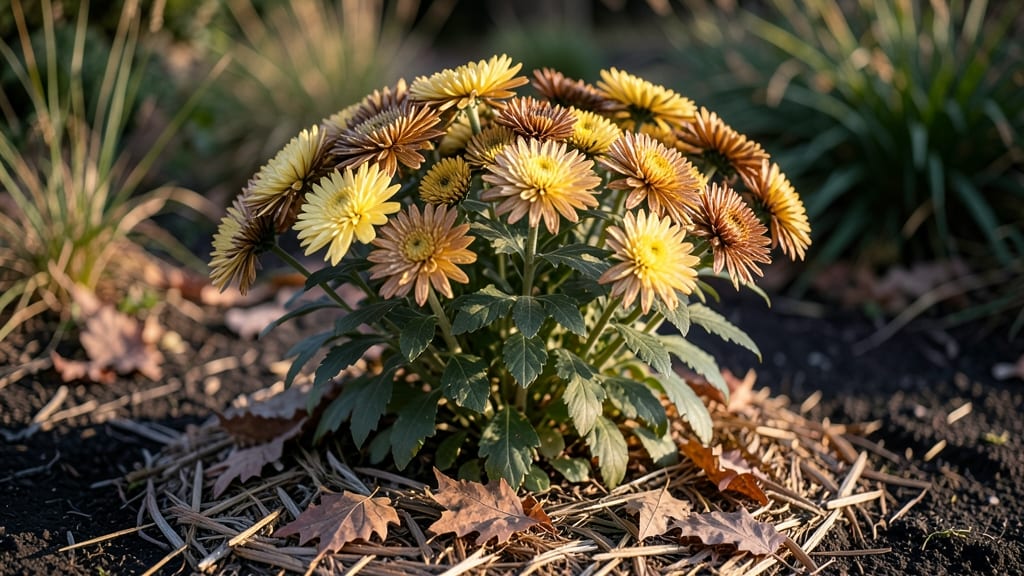
Autumn flower beds bring that cozy, golden-hour glow to your yard when everything else fades. 🌻 I used to dread fall’s muted palette—until I discovered how deep burgundies, fiery oranges, and smoky purples could turn my garden into a living painting.
The secret isn’t just picking pretty flowers; it’s layering textures and bloom times so color never disappears after Labor Day.
Start with chrysanthemums (they bloom late and handle frost) mixed with asters for height and ornamental grasses for movement. Add a few sedum or heuchera for evergreen pops that bridge seasons.
My smallest bed—just 3 feet wide—now gets compliments year-round because I planted for both fall drama and winter structure. The key is grouping plants in odd numbers (3, 5, or 7) so they feel intentional, not random.
You’ll end up with a garden that feels like a warm hug when you walk outside. The velvety petals of black-eyed Susans contrast perfectly with the feathery plumes of Russian sage, while goldenrod adds that signature autumn glow.
Maintenance stays simple: deadhead spent blooms weekly, mulch to protect roots, and water deeply but less often as temperatures drop.
This works for containers, borders, or full-yard displays—just scale the plant quantities. And here’s the best part: these beds look just as stunning in photos as they do in person. Ready to make your yard the neighborhood’s fall favorite?
📚 In This Guide
- What you need
- Instructions
- Tips and common mistakes
- Wrapping up and next steps
What you need
- ● Seasonal flowers: Choose a mix of autumn-blooming perennials (e.g., mums, asters, sedum, or ornamental grasses) and fall bulbs (e.g., tulips, crocus, or daffodils). Aim for 3–5 plants per square foot for a lush look.
- ● Soil amendments: Compost (2–3 gallons per square foot) for nutrients.
- ● Peat moss or coconut coir (1–2 bags) for moisture retention.
- ● Slow-release fertilizer (10–15 lbs per 100 sq ft) for sustained growth.
- ● Mulch: Shredded bark or straw (2–3 inches deep) to protect roots and retain moisture.
- ● Gardening tools: Trowel or hand shovel (for precision planting).
- ● Garden fork (for loosening soil).
- ● Pruners (for trimming dead foliage).
- ● Rake (for leveling soil).
- ● Wheelbarrow (for hauling materials).
- ○ Optional (but helpful!): Knee pads (for comfort).
- ● Garden hose with spray nozzle (for watering).
- ● Measuring tape (for layout planning).
- ● Garden gloves (for protection).
- ● Location: Full sun to partial shade (6+ hours of sunlight daily for most autumn flowers).
- ● Weather: Plant in early autumn (September–October) for best root establishment before winter.
- ● Design plan: Sketch your flower bed layout, including height variations (tall plants in back, shorter ones in front).
- ● Drainage: Ensure the area isn’t prone to waterlogging (amend clay soil with sand if needed).
Step-by-Step guide to designing stunning autumn flower beds
Here’s how to create vibrant, low-maintenance autumn displays that keep blooming until frost.
🌿 Step 1: Clear and Prepare the Planting Area
Remove any spent summer annuals or weeds, then loosen the soil to a depth of 6 inches with a garden fork. This helps roots establish quickly in cooler weather. I always work on a dry day—wet soil compacts easily and can smother new plantings.
Spread a 2-inch layer of compost over the bed and mix it into the top 4 inches of soil. This boosts nutrients for fall-blooming plants like chrysanthemums and asters, which thrive in enriched soil. Avoid fresh manure—it can burn tender roots in autumn’s cooler temperatures.
☀️ Step 2: Select the Right Plants for Seasonal Color
Choose autumn-blooming perennials like mums, sedum, and ornamental grasses for long-lasting color. These plants handle cooler temps and often rebloom after summer’s heat. I like to mix in pansies and snapdragons for late-season pops of color—they tolerate light frosts.
Space plants according to their mature size. For example, sedum needs 12-18 inches between plants, while ornamental grasses can spread 2-3 feet wide. Check plant tags for spacing—they’re your best guide for avoiding overcrowding as the season progresses.
💧 Step 3: Plant with Care for Fall Establishment
Dig holes twice as wide as the root ball but only as deep as the container’s base. This prevents burying stems too deeply, which can rot in autumn’s damp conditions. Gently tease out any circling roots before placing the plant in the hole.
Fill the hole with soil, pressing lightly to remove air pockets. Water deeply right after planting—1 gallon per plant—to settle the roots. Mulch with 2-3 inches of shredded bark or straw to retain moisture and protect roots from temperature swings. Avoid piling mulch against stems to prevent rot.
✂️ Step 4: Maintain for Long-Lasting Autumn Beauty
Water deeply 2-3 times per week until the first frost, focusing on new plantings. You’ll know they’re getting enough moisture when the soil feels damp 2 inches below the surface. Overwatering now can lead to fungal issues as temps drop.
Deadhead spent blooms regularly to encourage more flowers. For perennials like sedum, this isn’t always necessary—they often self-clean. But for mums and pansies, removing faded blooms keeps the bed looking tidy and extends the season.
🪴 Step 5: Plan for Winter Transition
After the first hard frost, cut back annuals like pansies and snapdragons to 2-3 inches above the soil. This prevents them from flopping in winter winds. For perennials, leave the foliage until spring—it insulates roots and adds winter interest.
Add a light layer of mulch (about 1 inch) in late fall to protect roots from freezing and thawing cycles. This is especially important for tender perennials like sedum and heuchera, which can heave out of the ground if left exposed.
Tips & tricks for perfect autumn flower beds
Here's what I've learned after creating autumn displays that stay vibrant until the first frost.
Soil Preparation Secret: When loosening soil to that 6-inch depth in Step 1, add a handful of perlite or coarse sand to improve drainage—especially important in autumn when rain patterns change. This prevents waterlogging that can suffocate new roots. I also recommend working the soil on a cloudy day if possible; morning sunlight helps prevent soil from drying out too quickly after loosening.
Plant Selection Strategy: For maximum impact, aim for a 70-30 ratio of perennials to annuals in your autumn beds. The 70% perennial base (like sedum and mums) provides structure and returns each year, while the 30% annuals (like pansies) give you quick color changes. This balance also helps control costs—perennials are a one-time investment for years of beauty.
Planting Depth Technique: In Step 3, when checking planting depth, use a small stick or pencil as a visual guide. Mark the base of the root ball with a pencil line before removing the plant from its container. This ensures you're planting at exactly the right depth—no deeper, no shallower—than the container's base level. The pencil mark disappears when you backfill, but it's a foolproof way to avoid the common mistake of burying stems too deeply.
Winter Protection Insight: For that final 1-inch mulch layer in Step 5, consider using straw or leaves instead of shredded bark. These materials break down more slowly, providing better insulation against temperature swings. I've found that a combination of straw and leaves works particularly well—straw provides structure while leaves add natural nutrients as they decompose. Just be sure to spread it evenly and avoid piling against stems.
Pro Tips for Autumn Flower Beds
- Here's what I've learned after creating autumn displays that stay vibrant until the first frost.
- Soil Preparation Secret: When loosening soil to that 6-inch depth in Step 1, add a handful of perlite or coarse sand to improve drainage—especially important in autumn when rain patterns change.
- Plant Selection Strategy: For maximum impact, aim for a 70-30 ratio of perennials to annuals in your autumn beds.
Frequently asked questions
Got questions about creating stunning autumn flower beds? You’re not alone! Here are some of the most common queries—and their easy answers—to help you plan like a pro.
When is the best time to plant autumn flower beds?
The ideal time to plant is 4–6 weeks before your first frost—typically late summer to early fall. This gives roots time to establish before winter. For cooler climates, aim for September; in warmer zones, October works well. Check your local frost dates for precision!
What are the easiest flowers for beginner autumn flower beds?
Start with low-maintenance, cold-hardy picks like mums (chrysanthemums), asterns, sedum, or pansies. These thrive in fall colors, tolerate cooler temps, and require minimal fuss. Pro tip: Mix heights (tall mums + trailing lobelia) for instant visual impact!
How often should I water autumn flower beds?
Water deeply 1–2 times per week (more if your area is dry), focusing on the soil—not the leaves. Early morning is best to reduce evaporation and fungal risks. Once established, most autumn flowers need less water, but mulch helps retain moisture and protect roots. Watch for wilting leaves—this is your cue!
What pests or problems should I watch for in fall flower beds?
Keep an eye out for aphids, slugs, and spider mites, which love tender autumn blooms. Use neem oil or diatomaceous earth for organic control. Yellowing leaves? Check for overwatering or fungal issues like powdery mildew. Prevention tip: Space plants for airflow to deter pests.
Can I reuse last year’s soil for autumn flower beds?
Yes, but refresh it first! Mix in 2–3 inches of compost or aged manure to replenish nutrients. If your soil is compacted, add perlite or sand for better drainage. Test your soil’s pH (aim for 6.0–7.0 for most flowers) and amend as needed. Bonus: Mulch with shredded leaves to boost organic matter over time!
Wrapping up and next steps
Creating stunning autumn flower beds is all about embracing the season’s natural beauty while adding a touch of your own creativity. With the right plants, thoughtful design, and a little maintenance, you can turn your yard into a vibrant, welcoming space that celebrates fall’s rich hues.
Whether you’re a seasoned gardener or just starting out, every step you take brings you closer to a yard that feels like a cozy, colorful masterpiece.
Ready to make your outdoor space shine? Start small—pick one corner or a single bed—and let your autumn garden grow! 🌿🍂