
Flowers
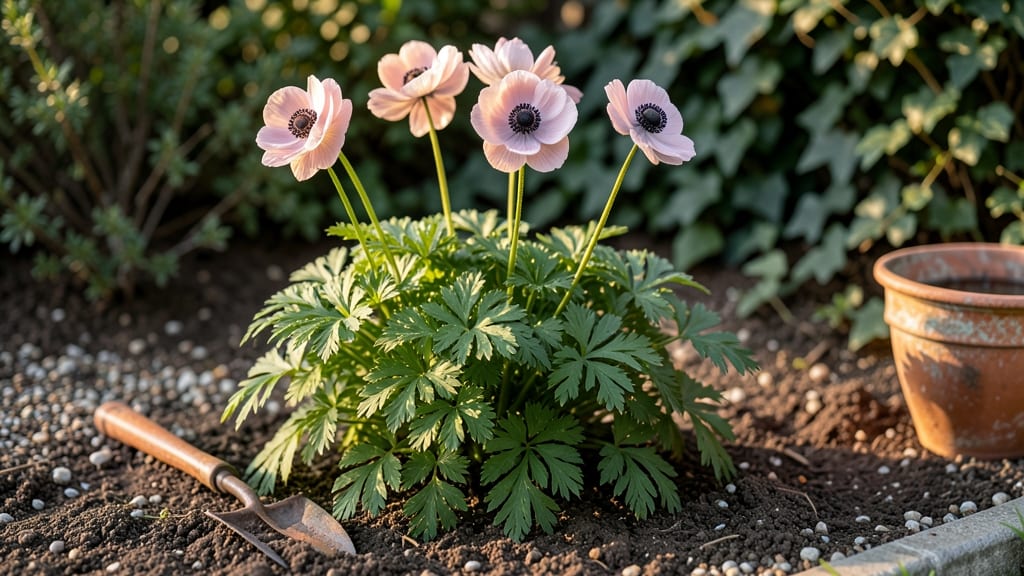
Autumn flowers in pink hues transform your garden into a dreamy, blush-toned escape—just when you need it most. 🌸 There’s something magical about the way soft pink blooms glow against golden foliage and crisp air, creating a scene that feels like a fall postcard come to life.
These flowers don’t just survive the season; they thrive, offering late-season color when many gardens fade to brown.
The best pink autumn bloomers—like pink chrysanthemums, asters, and ornamental kale—bring texture and movement to your beds. Pair them with deep burgundy grasses or warm goldenrod for a contrasting yet cohesive look that pops against the changing leaves.
Even a single cluster of blush-colored blooms can turn a dull corner into a focal point that draws the eye.
What you’ll love most is how effortlessly these flowers bridge summer’s vibrancy and winter’s quiet. Their petals stay fresh longer in cooler weather, and their subtle pink tones create a serene, inviting atmosphere—perfect for cozy evenings spent outside.
Whether you’re planning a full garden makeover or just adding a few pots to your porch, these blooms deliver instant fall charm with minimal fuss.
From container gardens to mixed borders, pink autumn flowers adapt seamlessly to any space. The key is to layer them with other seasonal stars—think purple salvia, bronze sedum, or frost-kissed ferns—to create depth and keep your garden feeling alive well into the colder months.
Let’s make your fall garden the talk of the neighborhood!
📚 In This Guide
- What you need
- Instructions
- Tips and common mistakes
- Wrapping up and next steps
What you need
- ● Pink autumn flowers: Choose from 3–5 varieties like Japanese Anemones (e.g., ‘Honorine Jobert’), Mums (Chrysanthemums) (e.g., ‘Pink Fantasia’), Astilbes (e.g., ‘Fanal’), Roses (e.g., ‘Pink Peace’), or Salvias (e.g., ‘May Night’). Opt for 3–5 mature plants or 50–100 seeds/bulbs for a lush look.
- ● Potting soil: 1–2 bags of high-quality, well-draining garden soil mix (e.g., Miracle-Gro Garden Soil or a 60% topsoil/40% compost blend). For containers, use 10–20 lbs of potting mix (e.g., Black Gold Natural & Organic).
- ● Fertilizer: Slow-release granular fertilizer (e.g., 10-10-10 or 5-10-10) – 1 lb per 10 sq ft of garden bed.
- ● Liquid bloom booster (e.g., Miracle-Gro Bloom Booster) – 1 bottle (32 oz) for feeding.
- ● Mulch: 2–3 bags of shredded bark or straw mulch (to retain moisture and insulate roots).
- ● Garden trowel or hand shovel – for planting seeds/bulbs.
- ● Pruning shears – to trim dead foliage or shape plants.
- ● Gloves – 1 pair of gardening gloves (e.g., Workrite or Fellex) for protection.
- ● Watering can or hose with spray nozzle – for gentle hydration.
- ● Measuring tape or ruler – to space plants 12–24 inches apart (depending on variety).
- ○ Containers (optional) – 3–5 pots (8–12 inches in diameter) if growing in planters.
- ● Epsom salt – 1 lb (for magnesium boost, especially for roses).
- ● Compost – 1–2 bags (to enrich soil before planting).
- ● Plant stakes or cages – for tall varieties like Japanese Anemones.
- ● Slow-release plant spikes (e.g., Osmocote) – for 1–2 spikes per plant.
- ● Decorative stones or gravel – to border garden beds and enhance aesthetics.
How to create a stunning pink autumn flower display
Here's how I design seasonal blooms that keep fall gardens vibrant and inviting.
🌿 Step 1: Choose the Right Pink-Blooming Varieties
Select flowers that thrive in autumn's cooler temperatures and provide continuous color. Mums like 'Autumn Blush' and 'Pink Beauty' offer long-lasting blooms, while asters such as 'Pink Quill' and 'Violet Queen' attract pollinators. Add height with tall garden phlox ('David') and fill gaps with sweet alissum ('Pink Rhapsody'). These varieties bloom sequentially, ensuring your garden stays pink from early September through October.
I always mix textures too—velvety mums contrast beautifully with the feathery foliage of asters. Plant in odd-numbered groupings (3, 5, or 7) for natural-looking clusters. The key is variety in bloom times: start with early asters, then layer in mums and phlox that peak later in the season.
☀️ Step 2: Prepare the Planting Site for Fall Color
Choose a location with 4-6 hours of morning sun and afternoon shade—this protects petals from scorching while keeping blooms vibrant. Amend the soil with 2-3 inches of compost mixed into the top 6 inches to improve drainage and nutrient availability. Pink autumn flowers prefer well-draining soil with a pH between 6.0-7.0—test your soil if possible, or add lime to raise pH if needed.
Here's the thing—don't skip the mulch. Spread 2-3 inches of shredded bark mulch over the soil surface after planting. This conserves moisture, regulates soil temperature, and prevents weeds from competing with your flowers. I always water deeply after mulching to help it settle and begin working its magic.
🌱 Step 3: Plant with Strategic Spacing and Layering
Dig holes twice as wide as the root ball but only as deep as the container's base. Space mums 12-18 inches apart, asters 18-24 inches apart, and phlox 20-24 inches apart. The extra space gives roots room to establish before winter and prevents overcrowding that leads to mildew.
Layer plants by height: place tall phlox at the back, medium-height asters in the middle, and low-growing mums and alissum in front. This creates visual depth and ensures all flowers get sunlight. After planting, water each one deeply to eliminate air pockets and encourage root growth. You'll see new growth within 7-10 days if conditions are right.
💧 Step 4: Maintain with Seasonal Care
Water 1-2 inches per week, aiming for the soil rather than the foliage to prevent fungal diseases. In early autumn, fertilize with a balanced 10-10-10 formula to encourage strong root development. Once blooms appear, switch to a low-nitrogen, high-phosphorus fertilizer (like 5-10-10) to promote flowering. Deadhead spent blooms regularly to extend the season—simply pinch off faded flowers with your fingers or snip with clean scissors.
Watch for powdery mildew on mums, especially in humid weather. If you see white powder on leaves, treat immediately with neem oil or a fungicide. I also recommend spacing plants to improve airflow—this simple step can prevent 90% of fungal issues. In late autumn, cut back dead foliage but leave some stems to provide winter interest and protect emerging buds.
Tips & tricks for perfect autumn flower arrangements
Creating a show-stopping pink autumn display doesn't have to be complicated—just a few strategic moves make all the difference. Here's what I've learned after years of designing seasonal gardens that pop.
Variety in Bloom Times: The secret to continuous color is planting flowers with staggered bloom periods. Start with early asters (like 'Pink Quill') that bloom in September, then add mums ('Autumn Blush') and phlox ('David') that peak in October. This creates a cascading effect where one flower fades just as another begins. I've seen gardens with 10-week color displays using this simple strategy—no single variety can do that alone.
Sunlight Strategy: Those 4-6 hours of morning sun are non-negotiable for pink autumn blooms. The afternoon shade protects delicate petals from scorching while maintaining vibrant color. If your garden gets intense afternoon sun, consider planting near buildings or fences that provide natural shade. I once had a client's mums bleach out because they were planted in full sun all day—adding a simple shade cloth saved the display.
Spacing for Airflow: The recommended spacing (12-18" for mums, 18-24" for asters) isn't just about looks—it's about preventing mildew. Tightly packed plants create humid microclimates where fungal spores thrive. I've seen entire displays lost to powdery mildew because people crowded plants too closely. After that, I made airflow my top priority—it's the difference between a thriving garden and one that struggles.
Deadheading Technique: When you deadhead those spent blooms, don't just snip the flower—cut back to the first set of healthy leaves. This encourages more blooms to form and prevents leggy growth. I use clean scissors for this task (never fingers) to avoid spreading disease. The key is consistency—do this every 3-4 days during peak bloom, and your display will last weeks longer than if you ignore it.
Pro Tips for Autumn Flowers Pink
- Creating a show-stopping pink autumn display doesn't have to be complicated—just a few strategic moves make all the difference.
- Variety in Bloom Times: The secret to continuous color is planting flowers with staggered bloom periods.
- Sunlight Strategy: Those 4-6 hours of morning sun are non-negotiable for pink autumn blooms.
Frequently asked questions
Got questions about adding pink autumn blooms to your garden? Here are some of the most common ones—and their answers!
When is the best time to plant pink autumn flowers?
For most pink autumn flowers like Japanese anemones or pink mums, late summer (August–September) is ideal. This gives roots time to establish before winter. If planting perennials, aim for early spring instead. Pro tip: Check seed packets or plant tags for species-specific timing!
Can I grow pink autumn flowers in containers?
Many pink bloomers thrive in pots, including pansies and dwarf chrysanthemums. Use well-draining soil and containers with drainage holes. Just ensure they get 6–8 hours of sunlight daily and water consistently. Container gardens are perfect for renters or small spaces!
How do I keep pests away from my pink flowers?
Pests like aphids or spider mites love tender autumn blooms. Preventative care helps: Spray neem oil weekly, introduce ladybugs, or use insecticidal soap. Deadhead wilted flowers to reduce hiding spots. For severe infestations, try pyrethrin-based sprays (follow label instructions).
Will pink flowers survive early frost?
Some varieties (like hardy mums) tolerate light frost, but others (e.g., tender asters) may need protection. Cover delicate plants with frost cloth or move potted flowers to a sheltered spot. Mulch the base with straw or leaves to insulate roots. Always check your plant’s hardiness zone!
What are some low-maintenance pink autumn flowers?
If you want easy-care pink blooms, try:
- Pink sedum (drought-tolerant, long-lasting)
- Russian sage (drought-resistant, fragrant)
- Heuchera (ornamental foliage + subtle pink blooms)
Wrapping up and next steps
Autumn’s blush of pink isn’t just a fleeting beauty—it’s a celebration of color, resilience, and the joy of gardening.
From Japanese maples to pink mums, these flowers prove that fall can be just as vibrant as spring, if not more so! 🌸 Whether you’re a seasoned gardener or a curious beginner, embracing these pink-hued blooms is a simple way to transform your outdoor space into a cozy, inviting haven.
Ready to bring more blush tones to your garden? Start small—pick one or two pink autumn flowers to plant this season, or experiment with containers for a pop of color on patios or balconies.
The best time to act is now, while the soil is still warm and the air carries that crisp, inspiring energy. Happy gardening! 🌿