
Flowers
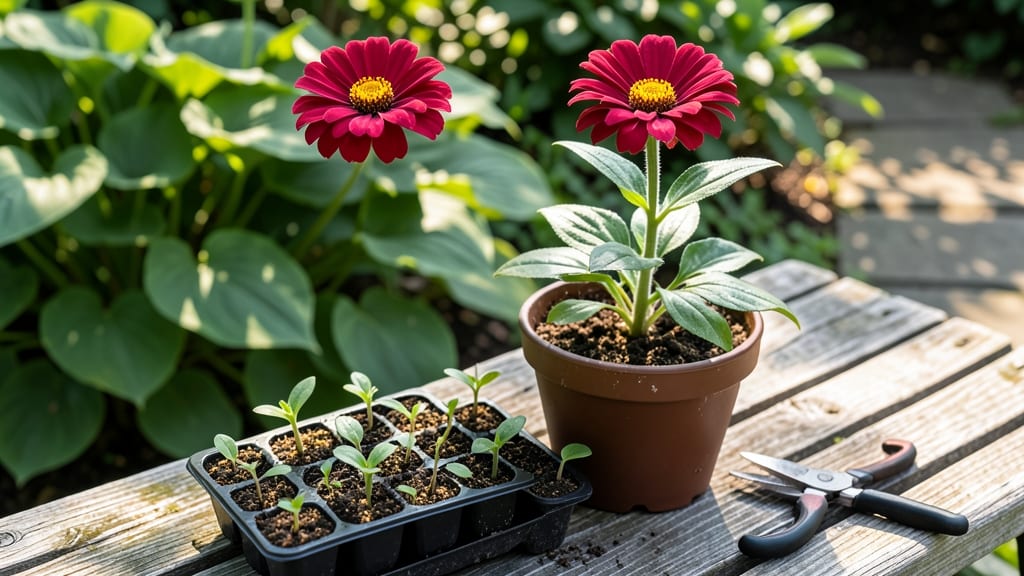
Planting flowers for beginners starts with the right spot and a handful of easy-to-grow varieties—because nothing beats the first time you see those petals pop open after just a few weeks. 🌸 I remember my first attempt with marigolds: I planted them too deep, and they took forever to sprout.
Now I know the secret is loose soil, bright sun, and patience (though the blooms make up for any waiting). You’ll need basic tools—a trowel, gloves, and a watering can—and a sunny patch of ground at least 6 inches deep.
Annuals like zinnias or petunias are perfect starters since they bloom all season without fuss. The key is amending your soil with compost first; even beginner gardeners get better results when roots have room to stretch. By midsummer, you’ll have a border bursting with color, and the best part?
Flowers attract pollinators, which means your veggie garden will thank you too. The care routine is simple: water when the top inch of soil feels dry, deadhead spent blooms, and watch them keep coming. This works for containers too—just use well-draining soil and smaller pots.
Let’s get those first flowers in the ground!
📚 In This Guide
- What you need
- Instructions
- Tips and common mistakes
- Wrapping up and next steps
What you need
- ● Flower Seeds or Seedlings: Beginner-friendly options: Marigolds, Sunflowers, Zinnias, Petunias, or Pansies (pick 3-5 varieties for variety)
- ● Quantity: 1-2 packets per flower type (check seed packet for spacing guidelines)
- ● Potting Soil: Type: Well-draining potting mix (avoid garden soil unless amending)
- ● Quantity: 1-2 bags (5-10 gallons) per 4 sq. ft. of garden space
- ● Containers or Garden Bed: Containers: 5-10 inch pots with drainage holes (1 per seedling or 2-3 seeds per pot)
- ● Garden Bed: Sunny spot with at least 6-8 hours of sunlight daily (or partial shade for shade-loving flowers)
- ● Watering Can or Hose: Spray nozzle for gentle watering (avoid blasting seeds)
- ● Gloves & Hand Trowel: Lightweight gardening gloves to protect hands
- ● Hand trowel (4-6 inches) for planting and soil work
- ● Fertilizer: Slow-release granular fertilizer or liquid bloom booster (follow package instructions)
- ● Mulch: Organic mulch (straw or shredded bark) to retain moisture and suppress weeds
- ● Plant Labels: Small stakes or markers to track flower types (especially useful for beginners!)
- ● Pruning Shears: For trimming dead blooms and encouraging new growth
- ○ Sunlight Meter (Optional): To test your garden’s light conditions if unsure
Step-by-Step instructions for planting flowers for beginners
Here's how to get vibrant blooms without stress—even if you've never gardened before.
🌱 Step 1: Pick the Right Flowers and Location
Start with easy annuals like marigolds, zinnias, or sunflowers—they bloom fast and forgive mistakes. Check the sun exposure where you'll plant: most flowers need at least 6 hours of sunlight daily. Observe your spot for a few days to confirm—if it's shady by noon, opt for shade-tolerant varieties like impatiens or begonias.
Here's the thing—don't overthink soil prep. Most flowers thrive in average garden soil, but work in a 2-inch layer of compost before planting to boost nutrients. This gives roots a nutrient-rich welcome without needing fancy amendments. I always mix compost into the top 6 inches of soil where the roots will spread.
🪴 Step 2: Prepare the Planting Site
Dig holes twice as wide as the root ball but only as deep as the plant's container. This prevents burying stems too deep, which can rot them. Gently remove the plant from its pot and loosen any circling roots with your fingers—this encourages outward growth instead of root-bound stress.
Place the plant in the hole so the top of the root ball sits level with the surrounding soil. Press soil firmly around the base to eliminate air pockets, but don't pack it like concrete. Water deeply right after planting to settle the soil and remove any gaps. You'll know it's right when water drains evenly without pooling.
☀️ Step 3: Water and Mulch for Success
Water immediately after planting, then once a week unless it rains. The key is deep watering—soak the soil until it's 6 inches deep, not just a quick sprinkle. You'll see this when the topsoil looks dark and moist rather than just damp at the surface. Mulch with 2-3 inches of shredded bark or straw to retain moisture and keep weeds down.
Don't skip mulching—it's like giving your flowers a cozy blanket. The mulch should cover the soil surface but stop 2 inches away from plant stems to prevent rot. Replenish mulch every few months as it breaks down. Here's what I do: I spread it evenly in a 3-inch circle around each plant, then water lightly to help it settle.
✂️ Step 4: Maintain and Encourage Blooms
Deadhead spent blooms regularly by pinching off flowers just above a set of leaves. This redirects the plant's energy into producing more flowers instead of seeds. I do this every 2-3 days during peak bloom—it takes less than a minute per plant and makes a huge difference in how long your flowers last.
Fertilize lightly every 4-6 weeks with a balanced, water-soluble fertilizer. Too much fertilizer leads to lush foliage but fewer blooms. I mix ½ teaspoon of 10-10-10 fertilizer per gallon of water and apply it when the soil feels dry to the touch. Always water before and after fertilizing to protect roots.
Tips & tricks for planting flowers like a pro
Let me save you the trial-and-error I went through—these little tweaks will make all the difference between wilting disappointment and show-stopping blooms.
Sunlight Secret: That "at least 6 hours of sunlight" rule is non-negotiable for sun-loving flowers like marigolds and zinnias. Here's what I do: I use a simple trick to track sunlight—place a white plate where you plan to plant and check it every hour. If it's in shadow for more than 2 hours, you'll need shade-tolerant varieties. Morning sun is gentler than afternoon heat, so position taller plants to shade smaller ones if needed.
Root Ball Rescue: When loosening those circling roots in Step 2, don't just pull them apart—gently tease them outward with your fingers. Think of it like unraveling a sweater. This prevents root-bound stress that can stunt growth. Pro tip: If roots are severely tangled, make 2-3 vertical cuts around the root ball with a clean knife before planting. It sounds drastic, but it works wonders for established plants.
Watering Wisdom: That once-a-week watering guideline assumes average conditions. In hot weather or sandy soil, you might need to water every 4-5 days. To test: Stick your finger 2 inches into the soil—if it feels dry, it's time to water. For containers, check daily since they dry out faster. I always water in the morning so leaves have time to dry before evening, which prevents fungal issues.
Deadheading Done Right: When you're pinching off those spent blooms every 2-3 days, don't just yank them off—use clean pruning shears or your fingernail to snip just above a set of leaves. This clean cut encourages bushier growth. For flowers like zinnias, I make my cut at a 45-degree angle to increase surface area for new growth. And here's a bonus: Collect your spent blooms in a bucket and compost them—they'll decompose quickly and make great fertilizer.
Pro Tips for Planting Flowers For Beginners
- Let me save you the trial-and-error I went through—these little tweaks will make all the difference between wilting disappointment and show-stopping blooms.
- Sunlight Secret: That "at least 6 hours of sunlight" rule is non-negotiable for sun-loving flowers like marigolds and zinnias.
- Root Ball Rescue: When loosening those circling roots in Step 2, don't just pull them apart—gently tease them outward with your fingers.
Frequently asked questions
Got questions about planting flowers?
You’re not alone! Here are answers to the most common concerns—whether you’re just starting or troubleshooting a few bumps along the way.
When is the best time to plant flowers?
The ideal time depends on your climate and flower type! For most annuals, plant after the last frost in spring (when soil is at least 60°F). Perennials can go in early spring or fall. Pro tip: Check seed packets or labels—they often list specific timing for your zone!
How often should I water newly planted flowers?
Keep soil consistently moist (not soggy!) for the first 2–3 weeks. Water deeply 2–3 times per week, adjusting for rain. Once established, most flowers need about 1 inch of water weekly. Morning watering is best to reduce evaporation and disease risk.
Can I plant flowers in containers instead of a garden bed?
Containers are perfect for patios, balconies, or small spaces. Use pots with drainage holes, well-draining soil, and choose compact or trailing varieties (like petunias or nasturtiums). Just ensure containers get at least 6 hours of sunlight daily and water more frequently than ground-planted flowers.
What do I do if my flowers aren’t blooming?
Several factors could be at play: not enough sunlight, over-fertilizing (too much nitrogen = leafy growth), or deadheading (removing spent blooms) not done regularly. Check your flower’s light needs, feed with low-nitrogen, high-phosphorus fertilizer, and prune wisely. Patience helps—some perennials take time to establish!
How do I protect flowers from extreme heat or cold?
For heat: Water deeply in the morning, use shade cloth (30–50% coverage), and mulch to retain moisture. For cold: Cover tender plants with frost cloth or blankets on chilly nights. Avoid late-season fertilizing, which can stress plants. Most flowers bounce back with a little TLC!
Still stumped? Drop your question in the comments—we’re happy to help your garden bloom!
Wrapping up and next steps
You’ve got everything you need to start your floral journey—confidence, knowledge, and a green thumb in the making! 🌸 Remember, the key to success is patience, proper care, and a little love for your plants.
Whether you’re growing vibrant annuals or hardy perennials, every bloom you nurture will bring joy and beauty to your space.
Ready to take the next step? Start small—pick one or two easy flowers, like marigolds or sunflowers, and watch your confidence (and garden!) grow. Before you know it, you’ll be sharing tips with fellow beginners! Happy planting! 🌱