
Flowers
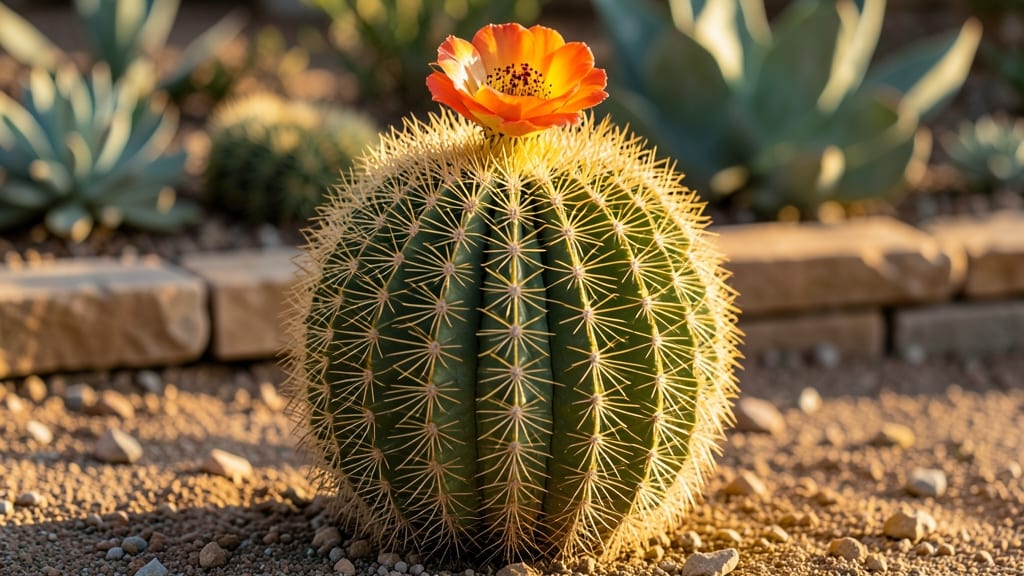
Orange cactus flowers aren’t just a burst of color—they’re a showstopper that turns even small balconies into desert oases. 🌵 I’ve grown Echinopsis and Hylocereus varieties for years, and their vibrant blooms last for days, filling the air with a sweet, citrusy fragrance that’s impossible to ignore.
The key? Mimicking their natural habitat with bright light, fast-draining soil, and a strict watering schedule that prevents rot.
These cacti thrive in containers because they hate soggy roots—just a 4-inch pot with drainage holes works for smaller varieties, while larger types need 6-8 inches of space. Use a cactus/succulent mix or add perlite to regular potting soil to keep roots happy.
Most importantly, place them where they’ll get 6+ hours of direct sun daily, whether on a south-facing windowsill or a patio in full sunlight.
What makes them bloom? A cool winter rest period (50–60°F) triggers those stunning orange flowers in spring. I’ve seen Hylocereus (the dragon fruit cactus) produce blooms so large they weigh down the stems—then watch as they morph into edible fruit!
With the right care, you’ll get months of vibrant color, even in small spaces.
Perfect for beginners and experienced growers alike, these cacti are low-maintenance once established. The biggest mistake? Overwatering—soak the soil, then let it dry completely before watering again. Ready to grow your own desert spectacle? Let’s get started!
📚 In This Guide
- What you need
- Instructions
- Tips and common mistakes
- Wrapping up and next steps
What you need
- ● Cactus Soil Mix: 5–10 gallons (or enough to fill your container) – Use a well-draining cactus/succulent blend (avoid regular potting soil!).
- ● Container: 1–2 large pots (12–18 inches deep) with drainage holes. Terracotta or fabric pots work best!
- ● Orange-Blooming Cactus: 1–2 Echinopsis or Hylocereus varieties (e.g., Echinopsis peruviana or Hylocereus undatus – the dragon fruit cactus!).
- ● Drainage Material: Small pebbles, perlite, or broken pottery (1–2 inches) for the pot’s base.
- ● Gloves: A pair of gardening gloves (cactus spines can be sneaky!).
- ● Trowel: A small hand trowel for planting.
- ● Watering Can: With a narrow spout to avoid overwatering.
- ○ Fertilizer (Optional): Balanced cactus fertilizer (5-10-5 or 2-7-7 ratio) for blooming.
- ● Sunlight Access: A south-facing window or grow lights for indoor setups.
Step-by-step instructions for growing orange-blooming cacti in containers
Here’s how to coax those stunning orange blooms from your cactus—no greenhouse needed.
🪴 Step 1: Choose the Right Container and Drainage
Orange-blooming cacti like Echinocactus or Hylocereus need pots with drainage holes—waterlogged roots will kill them faster than drought. I use unglazed terra cotta for its breathability, but any ceramic or plastic with holes works. The pot should be 2-3 inches wider than the plant’s base to allow root spread without excess soil moisture.
Add a 1-inch layer of coarse gravel or lava rock at the bottom before filling with soil. This creates a drainage reservoir that prevents soggy roots while allowing excess water to escape. Skip this, and you’ll risk root rot—especially in humid climates.
☀️ Step 2: Select Fast-Draining Soil and Position for Light
Cactus soil isn’t just "sandy dirt"—it’s a mix of 50% potting soil, 30% perlite, and 20% coarse sand. I blend mine in a wheelbarrow to ensure even distribution. This ratio mimics the arid conditions cacti thrive in, preventing compaction that traps moisture.
Place your cactus in a spot with 6-8 hours of direct sunlight daily. A south-facing window is ideal, but if you’re using grow lights, position them 12-18 inches above the plant for 14-16 hours of light per day. Without enough light, your cactus will stretch toward the sun (called "etiolation") and produce fewer blooms—or none at all.
💧 Step 3: Water Sparingly and Fertilize Strategically
Water only when the top 2 inches of soil are completely dry—stick your finger in to check. During active growth (spring/summer), water every 7-10 days. In winter, reduce to once every 3-4 weeks. Overwatering is the #1 killer of cacti, so err on the side of too little rather than too much.
Feed with a balanced, water-soluble fertilizer (10-10-10) diluted to half-strength every 4-6 weeks during spring and summer. Skip fertilizer in fall/winter—your cactus is dormant, and excess nutrients can harm it. I also add a slow-release granular fertilizer to the soil at planting time for steady nutrition.
⏰ Step 4: Trigger Blooming with Temperature and Light Shifts
Orange-blooming cacti need a cool period to set flower buds. In late fall, move your cactus to a 50-60°F spot for 6-8 weeks. This mimics winter conditions and signals the plant to bloom. Avoid drafts—steady temperatures are key.
After the cool period, return the cactus to warmth (70-85°F) and bright light. Within 8-12 weeks, you’ll see flower buds forming along the ribs. If buds drop off, it’s usually due to too much water or sudden temperature swings. Keep conditions stable, and you’ll get those vibrant orange blooms.
🌿 Step 5: Maintain and Encourage Repeat Blooms
After blooming, reduce watering slightly but keep the soil slightly moist (not soggy). Deadhead spent flowers by gently twisting them off—this redirects the plant’s energy to new growth. I also rotate the pot quarter-turn weekly to ensure even light exposure, preventing lopsided growth.
Every 2-3 years, repot your cactus into a container 1-2 inches larger to refresh the soil. Use the same fast-draining mix, and avoid disturbing the roots too much—cacti hate being uprooted. With consistent care, your orange-blooming cactus will reward you with seasonal blooms for years.
Tips & tricks for perfect cactus flower orange blooms
These insider tricks will help you coax those stunning orange blooms from your container-grown cacti.
Container and Drainage: While terra cotta is ideal for its breathability, don't overlook plastic pots with drainage holes—they're lightweight and retain moisture slightly better in dry climates. The 2-3 inch pot size recommendation is critical: too small restricts root growth, while too large causes soil to stay wet too long. I've seen cacti thrive in 6-inch pots for years without repotting, proving size matters more than frequency.
Light Exposure: That 6-8 hours of direct sunlight is non-negotiable for orange blooms, but here's the secret: rotate your cactus quarter-turn weekly to prevent lopsided growth from leaning toward the light source. For indoor growers, supplement with LED grow lights positioned 12-18 inches above—these provide the full spectrum needed without excessive heat. I've had success with 14-16 hour light cycles using timers to mimic natural daylight patterns.
Temperature Triggers: The 50-60°F cool period is your secret weapon for blooming. I place my cacti near north-facing windows during winter months, where temperatures naturally drop without drafts. After the 6-8 week cool period, maintain steady warmth (70-85°F) to prevent bud drop—sudden temperature swings are the #1 reason buds fail to open. A simple thermometer near your cactus helps monitor these critical ranges.
Soil Mix: That 50-30-20 soil ratio works wonders, but here's a pro tip: add a handful of chicken grit to the mix for extra drainage and mineral content. The grit helps prevent soil compaction over time, which is especially important in smaller containers where roots have less room to spread. I mix mine in a large bucket to ensure even distribution throughout the pot.
Pro Tips for Cactus Flower Orange
- These insider tricks will help you coax those stunning orange blooms from your container-grown cacti.
- Container and Drainage: While terra cotta is ideal for its breathability, don't overlook plastic pots with drainage holes—they're lightweight and retain moisture slightly better in dry climates.
- Light Exposure: That 6-8 hours of direct sunlight is non-negotiable for orange blooms, but here's the secret: rotate your cactus quarter-turn weekly to prevent lopsided growth from leaning toward the light source.
Frequently asked questions
Got questions about your cactus flower orange? You’re not alone!
Here are some of the most common queries—plus quick answers to help you grow stunning blooms with ease.
How do I encourage my cactus to produce orange flowers?
Orange cactus flowers (like Echinocereus or Hylocereus varieties) thrive with bright light (6+ hours of sun daily) and well-draining soil. In containers, use a mix of cactus/succulent soil with perlite. Water sparingly—only when the top 2 inches of soil are dry—and fertilize lightly in spring/summer with a low-nitrogen bloom booster. Patience is key: some cacti take 2–5 years to flower!
When is the best time to plant an orange cactus flower?
For container-grown cacti, spring (after the last frost) or early summer is ideal—this gives roots time to establish before winter. If repotting, do it in early spring before active growth begins. Pro tip: Avoid planting in fall or winter, as cold temperatures can stress young cacti. Hardier varieties (like Echinocereus) may tolerate cooler climates, but most orange-flowering cacti prefer USDA Zones 9–11.
Why isn’t my orange cactus flowering?
Lack of blooms often stems from environmental factors. Check these first:
- Light: Is it getting enough sun? Move it to a south-facing window or under grow lights (12+ hours/day).
- Age: Many cacti won’t flower until mature (3+ years old).
- Water/fertilizer: Overwatering or high-nitrogen fertilizer can delay blooms. Use a balanced 10-10-10 or bloom-specific formula in spring/summer.
- Stress: Sudden temperature drops or drafts can shock the plant. Keep it in a stable, warm spot (60–85°F).
If issues persist, your cactus may need a rest period—reduce watering in winter to mimic its natural dry season.
What are some low-maintenance orange cactus alternatives?
If you love the look but want easier care, try these container-friendly alternatives:
Plant
Orange Flowers?
Care Level
Kalanchoe blossfeldiana (Flame Flower)
Bright orange blooms
Low (thrives in indirect light)
Portulaca grandiflora (Moss Rose)
Vibrant orange petals
Very low (drought-tolerant)
Bougainvillea (Paper Flower)
Orange bracts (not true flowers)
Moderate (needs pruning, full sun)
Bonus: Zinnia or Marigold annuals also deliver bold orange blooms with minimal fuss!
How do I protect my orange cactus from pests?
Cacti are tough, but mealybugs, scale, or spider mites can still attack. Here’s how to tackle them:
- Prevention: Inspect new plants before bringing them indoors. Keep your cactus dust-free (wipe leaves gently with a damp cloth).
- Treatment: For mild infestations, spray with 70% isopropyl alcohol or insecticidal soap. For severe cases, use neem oil (mix 1 tbsp neem oil + 1 tsp mild soap + 1 quart water).
- Avoid overwatering: Damp soil attracts pests. Let soil dry completely between waterings.
If pests persist, isolate the plant and repeat treatment every 5–7 days.
Wrapping up and next steps
The cactus flower orange is a stunning, low-maintenance addition to your container garden, bringing bold color and desert charm to any space! Whether you’re a seasoned gardener or just starting out, these vibrant blooms prove that beauty and resilience go hand in hand. 🌵✨
Now that you’re equipped with the right knowledge—from soil prep to troubleshooting—why not take the plunge? Grab a pot, pick your favorite variety, and let your orange cactus flower shine. Happy gardening!