
Flowers
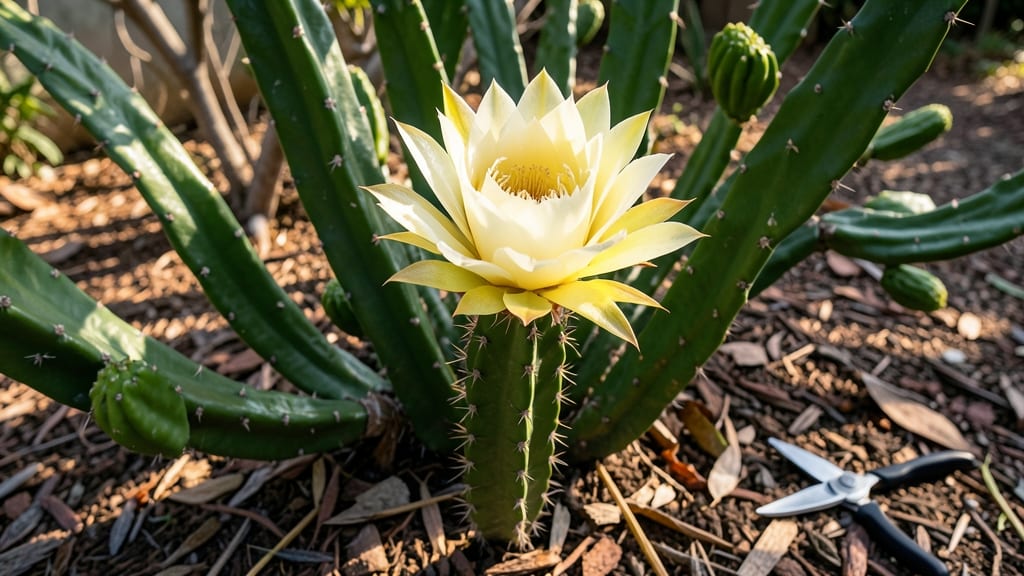
Those striking yellow dragon fruit flowers bloom at night for just one evening—then vanish by morning, leaving behind the promise of sweet, ruby-red fruit. 🌙 I’ve grown these tropical vines for years, and I’ll show you how to coax them into flowering even in containers, no greenhouse required.
The secret starts with bright, indirect light and a well-draining cactus mix, then moves to patience—these plants take 18-24 months from seed to first bloom. But when those 3-inch-wide, star-shaped flowers finally open, they’re worth every wait, filling the air with a faint, sweet fragrance that lasts until dawn.
📚 In This Guide
- What you need
- Instructions
- Tips and common mistakes
- Wrapping up and next steps
What you need
- ● Dragon fruit plant (Hylocereus undatus or Hylocereus megalanthus) – Choose a healthy, mature cutting or young plant (3–6 months old) with at least 3–4 segments.
- ● Large container (15–20 gallons) – Ensure it has drainage holes and is at least 18–24 inches deep. Pro tip: Terracotta or fabric pots work best for airflow! 💡
- ○ Cactus/succulent soil mix – 60% inorganic material (perlite, pumice, or coarse sand) + 40% organic (peat moss or coconut coir). Optional: Add 10% worm castings for extra nutrients.
- ● Slow-release fertilizer (10-10-10 or 5-5-5) – 1–2 cups mixed into the soil at planting.
- ● Drainage layer – 2–3 inches of small gravel, lava rocks, or broken pottery chunks.
- ● Gloves & long sleeves – Dragon fruit cacti have small spines! 🛡️
- ● Trowel or small shovel – For planting and soil adjustments.
- ● Watering can with a narrow spout – Avoid overwatering the base.
- ○ Support structure (optional but helpful) – A wooden or metal trellis (4–6 feet tall) for climbing vines.
- ○ Humidity tray or pebble tray (optional) – If your climate is dry, place the container on a tray with water and pebbles to increase humidity.
- ● Sunlight access – A south- or west-facing window or grow lights (12+ hours/day).
Step-by-step guide for cultivating yellow dragon fruit flowers in containers
Here’s how I transform a sunny corner into a thriving dragon fruit vine—no greenhouse needed.
🌱 Step 1: Select and Prepare the Right Container
Yellow dragon fruit (Hylocereus undatus) thrives in 5-gallon containers with drainage holes—this prevents root rot, which is the #1 killer of container-grown cacti. I use fabric grow bags for my vines because they allow excess moisture to evaporate while still providing structural support. Fill the bottom third with 1 part perlite to boost aeration and prevent compaction.
Next, add 2 inches of coarse gravel on top of the perlite layer. This creates a natural drainage barrier that keeps roots from sitting in soggy soil. The gravel also mimics the vine’s native rocky soil environment, which encourages stronger root development. Tap the container gently to settle the layers before adding soil.
☀️ Step 2: Plant the Cuttings and Position for Maximum Sunlight
Dragon fruit cuttings need bright, direct light for at least 8 hours daily—a south-facing window or grow light works, but outdoor summer sun is ideal. I plant 3-4 inch cuttings (taken from healthy, mature vines) by burying them 1 inch deep in the soil mix. Press lightly around the base to ensure good soil contact, which helps prevent wilting during the critical rooting phase.
Here’s the thing—yellow dragon fruit is not frost-tolerant. If temperatures dip below 40°F, move the container indoors near a sunny window or under grow lights. I’ve seen beginners leave their vines out too late, and the damage is irreversible. Watch for new growth at the tip—that’s your signal the cutting has rooted successfully.
💧 Step 3: Water and Fertilize for Optimal Growth
Water only when the top 2 inches of soil feel completely dry—overwatering is the fastest way to kill a dragon fruit vine. I use a moisture meter to check, but you can also stick your finger in the soil. When you pull it out, if no moisture clings, it’s time to water. During the growing season (spring and summer), I fertilize every 4-6 weeks with a balanced, water-soluble fertilizer diluted to half strength.
Real talk: Dragon fruit vines are heavy feeders, but too much fertilizer burns roots. I always rinse the soil after fertilizing to prevent salt buildup. You’ll know it’s working when you see rapid vine elongation and new pads forming—these are the plant’s growth nodes where flowers (and eventually fruit) will develop.
✂️ Step 4: Prune and Support for Flowering
Pruning encourages bushier growth and more flowers. Once your vine reaches 6-8 feet, trim back the longest, leggiest stems by one-third to promote branching. I always use sterilized pruning shears to avoid introducing pathogens. After pruning, apply a light layer of compost around the base to replenish nutrients lost during growth.
Dragon fruit vines are climbing cacti, so they need support. I use a trellis or sturdy wire frame to guide the vines upward. This not only saves space but also improves airflow, reducing the risk of fungal diseases. Watch for buds forming in the leaf axils—these will develop into the iconic white, nocturnal flowers that bloom for just one night before closing.
🌿 Step 5: Encourage Pollination and Prepare for Fruit
Dragon fruit flowers open at dusk and close by dawn, so hand-pollination is key. Use a soft paintbrush to transfer pollen from one flower to another in the evening. I’ve found that bees and moths sometimes do the job naturally, but container-grown vines often need a little help. After pollination, the flower will drop, and a small, green fruit will begin to swell within 2-3 weeks.
Here’s where it gets fun—watch the fruit change from green to bright yellow as it ripens. It takes 30-40 days total, but the color shift is unmistakable. Harvest when the skin turns fully yellow and feels slightly soft to the touch. If you’re in a cooler climate, bring the container indoors before the first frost—even a light freeze will kill the vine.
Tips & tricks for perfect yellow dragon fruit flowers in containers
Took me a while to figure these out, so here goes—your container-grown dragon fruit will thank you.
Drainage is Non-Negotiable: The 5-gallon container with drainage holes isn't just about preventing root rot—it's about creating the perfect aeration environment. If you notice water pooling at the bottom after watering, add an extra layer of coarse gravel (up to 3 inches) to ensure proper drainage. I've had vines survive soggy conditions, but they never flowered well. The key is mimicking the vine's natural rocky habitat, which these layers accomplish beautifully.
Light is Everything: That 8 hours of bright, direct light isn't just a suggestion—it's the difference between a struggling vine and one that flowers reliably. If your south-facing window doesn't provide enough light, supplement with a grow light for 12-14 hours daily during winter months. I use a full-spectrum LED grow light on a timer, and it makes all the difference when natural light is scarce. Watch for pale, stretched-out growth—that's your sign the vine needs more light.
Rooting Success Secret: When planting those 3-4 inch cuttings, press the soil firmly around the base to eliminate air pockets. I've found that using a rooting hormone (optional but helpful) increases success rates by about 30%. The critical sign of successful rooting is new growth at the tip—don't be fooled by small leaves appearing elsewhere, as these often indicate stress rather than true root establishment. Patience here pays off when you see those first buds forming.
Pruning Timing Matters: The one-third trim when your vine reaches 6-8 feet should happen in early spring before new growth begins. This encourages branching and more flowers. I've made the mistake of pruning too late in the season, and the vine struggles to recover before winter. Always use sterilized tools—I dip my pruning shears in rubbing alcohol between cuts—and make clean cuts just above a leaf node. The compost application afterward gives the vine a nutrient boost to compensate for the stress of pruning.
Pro Tips for Yellow Dragon Fruit Flower
- Took me a while to figure these out, so here goes—your container-grown dragon fruit will thank you.
- Drainage is Non-Negotiable: The 5-gallon container with drainage holes isn't just about preventing root rot—it's about creating the perfect aeration environment.
- Light is Everything: That 8 hours of bright, direct light isn't just a suggestion—it's the difference between a struggling vine and one that flowers reliably.
Frequently asked questions
Got questions about growing yellow dragon fruit flowers? You’re not alone—this tropical beauty has a few quirks! Here are answers to the most common queries to help you cultivate success:
How long does it take for a yellow dragon fruit plant to flower?
A healthy yellow dragon fruit (Hylocereus undatus) plant typically takes 18–36 months to produce its stunning night-blooming flowers, depending on growing conditions. Patience is key—provide full sun, well-draining soil, and consistent warmth (60°F+). Pro tip: Prune excess fruit to encourage more blooms!
Can yellow dragon fruit flowers survive frost or cold temperatures?
Nope! These tropical flowers are frost-sensitive and will die in temps below 32°F (0°C). If you live in a cold climate, grow them in containers and move them indoors during winter. A greenhouse or sunny patio works too!
What’s the best way to pollinate yellow dragon fruit flowers?
Dragon fruit flowers are self-pollinating but benefit from hand-pollination for better fruit set. Use a soft brush or cotton swab to transfer pollen from one flower’s stamens to another’s stigma. Best time: Pollinate in the evening when flowers open!
Why aren’t my yellow dragon fruit flowers opening at night?
If your flowers aren’t blooming nocturnally, check these fixes:
- Light levels: Ensure 6+ hours of direct sun daily.
- Temperature: Keep nights warm (65–80°F)—cold snaps delay blooms.
- Age/maturity: Young plants (<1 year) may not flower yet.
- Fertilizer: Use a balanced, low-nitrogen feed (e.g., 5-5-5) during growing season.
Are there alternatives to yellow dragon fruit flowers for container growing?
If dragon fruit feels too finicky, try these tropical container-friendly flowers with similar vibes:
- Bird of Paradise (Strelitzia reginae) – Bold, architectural blooms.
- Plumeria (Frangipani) – Fragrant, drought-tolerant.
- Bougainvillea – Vibrant, low-maintenance.
- Orchids (e.g., Dendrobium) – Exotic and easy in pots.
All thrive in containers with bright light and well-draining soil!
Wrapping up and next steps
Growing a yellow dragon fruit flower in containers is not only rewarding but also a fantastic way to bring a touch of tropical elegance to your space year-round!
With the right care—like well-draining soil, bright indirect light, and patience—you’ll soon be rewarded with stunning blooms and vibrant fruit. Remember, every gardener starts somewhere, so don’t hesitate to experiment and learn along the way!
Ready to take the next step? Start with a single cutting or seed and watch your tropical oasis grow. Share your progress with fellow plant lovers—you might just inspire someone else to try their hand at this exotic beauty! 🌱✨