
Flowers
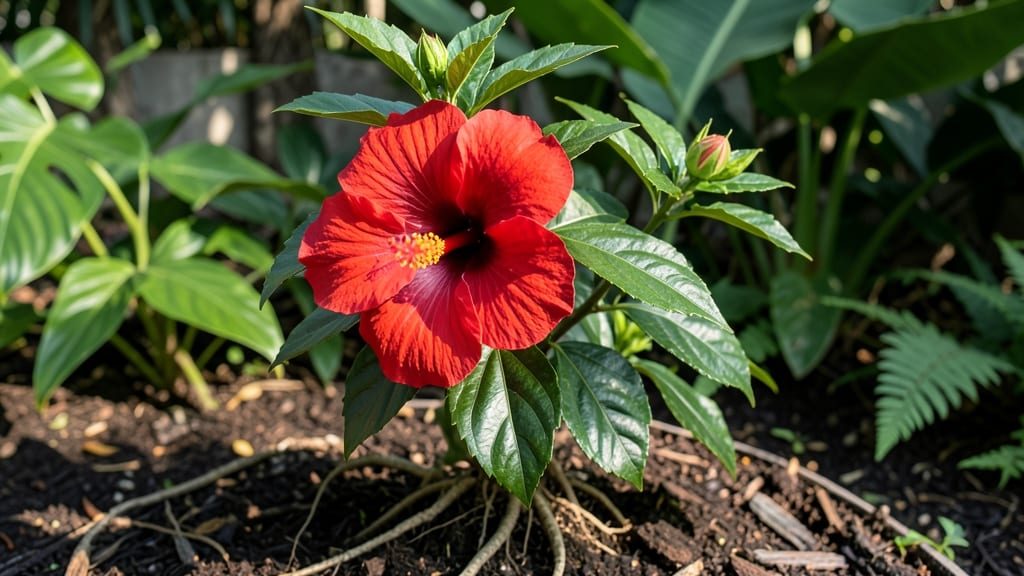
Growing hibiscus jamaica—the vibrant tropical plant behind your favorite hibiscus tea—is easier than you think, even in containers. 🌿 I’ve grown this striking plant for years, and its bold red flowers and edible leaves make it one of the most rewarding additions to any garden.
The key is mimicking its natural tropical habitat with warmth, consistent moisture, and bright light.
This plant thrives in zones 8-11 but can be grown in pots year-round in cooler climates, making it perfect for balconies or patios. Start with well-draining potting mix and a container at least 12 inches deep—hibiscus roots need room to stretch.
Seeds are the easiest way to begin, though cuttings from healthy plants also work well. Once established, it grows 4-6 feet tall, so plan your space accordingly.
You’ll harvest bright red flowers and tangy leaves within 6-8 months, perfect for teas, soups, or garnishes. The flowers even attract hummingbirds, adding a lively touch to your garden.
With the right care—regular watering, balanced fertilizer, and occasional pruning—this plant rewards you with months of lush growth and bold blooms.
Even if you’ve never grown hibiscus before, this guide breaks down every step—from soil prep to pest control—so you can enjoy its tropical beauty without the guesswork. Let’s get your hibiscus jamaica thriving!
📚 In This Guide
- What you need
- Instructions
- Tips and common mistakes
- Wrapping up and next steps
What you need
- ● Hibiscus jamaica seeds or cuttings: 3–5 seeds (or 1–2 healthy cuttings for faster growth). Look for organic, non-GMO seeds for best results.
- ● Containers: 1–2 5–7 gallon pots (with drainage holes) per plant. Terracotta or fabric pots work best to prevent root rot.
- ○ Optional: Self-watering containers if you travel often.
- ● Well-draining potting mix: 2–3 bags of a light, airy mix (e.g., 60% coco coir, 30% perlite, 10% compost). Avoid heavy garden soil!
- ● Slow-release fertilizer: 1–2 cups of balanced organic fertilizer (e.g., 10-10-10 or fish emulsion). Hibiscus loves nutrients!
- ● Pruning shears: Sharp, sterilized shears for trimming (or use clean scissors in a pinch).
- ○ Spray bottle: For misting seedlings (optional but helpful in dry climates).
- ● pH test kit: To check soil pH (ideal range: 6.0–6.5). Adjust with lime or sulfur if needed.
- ○ Mulch (optional): 1–2 inches of straw or wood chips to retain moisture and suppress weeds.
- ● Sunlight access: A south-facing window, grow light, or outdoor space with 6+ hours of direct sunlight daily.
- ● Watering can or hose with nozzle: For gentle, deep watering (avoid soggy soil!).
Step-by-step instructions for growing hibiscus jamaica in containers
Here's how to coax vibrant blooms from this tropical stunner—even in small spaces.
🪴 Step 1: Choose the Perfect Container and Drainage
Select a 5-gallon or larger container with drainage holes—hibiscus roots need room to spread and hate soggy feet. I prefer terracotta because it breathes and helps regulate moisture, but any sturdy plastic or ceramic pot works. Add 2-3 inches of gravel or broken pottery at the bottom to create a drainage layer that prevents root rot.
Here's the thing—hibiscus roots are sensitive to waterlogging. Without proper drainage, the roots suffocate and the plant wilts within days. Test your pot by filling it with water; if it drains completely within 10 minutes, you're good to go. If not, add more gravel or switch to a pot with larger holes.
🌱 Step 2: Prepare the Soil Mix for Tropical Growth
Fill the container with a well-draining potting mix that mimics hibiscus's native soil conditions. I blend equal parts potting soil, perlite, and compost to create a loose, airy medium. Hibiscus thrives in slightly acidic to neutral soil (pH 6.0-7.0), so add a handful of peat moss if your soil tests higher.
Moisten the mix until it's damp but not dripping—you want it to hold moisture without becoming waterlogged. Press it gently around the edges to eliminate air pockets, then create a 3-inch deep planting hole in the center. This ensures the root ball sits just below soil level, preventing stem rot from sitting water.
☀️ Step 3: Plant and Position for Maximum Sunlight
Gently remove the hibiscus from its nursery pot and loosen the roots if they're circling. Place the plant in the hole so the top of the root ball sits 1 inch below the container rim. Fill the hole with soil, pressing lightly to remove air gaps. Water deeply until it runs out the drainage holes—this settles the soil and eliminates air pockets around the roots.
Hibiscus Jamaica demands full sun (6+ hours daily) to bloom profusely. Place your container in the sunnest spot—a south or west-facing window or balcony works best. If you notice leaves yellowing or stems stretching, your plant isn't getting enough light. Move it closer to the window or supplement with a grow light for 14-16 hours daily.
💧 Step 4: Water and Feed for Continuous Blooms
Water when the top 2 inches of soil feel dry—stick your finger in to check. Hibiscus loves moisture but despises soggy roots, so always water at the base rather than overhead. In hot weather, you may need to water daily, while cooler months might only require every 2-3 days. Empty the saucer after watering to prevent root rot from sitting water.
Feed your hibiscus every 2 weeks during the growing season (spring-fall) with a balanced liquid fertilizer (10-10-10) diluted to half strength. This encourages lush foliage and abundant blooms. Stop fertilizing in winter when growth slows. Here's a pro tip: Deadhead spent blooms by pinching them off at the base—this redirects energy to new flowers instead of seed production.
✂️ Step 5: Prune and Maintain for Year-Round Health
Prune in early spring before new growth begins. Cut back one-third of the plant's height to encourage bushier growth and more blooms. Remove any dead, diseased, or crossing branches with clean, sharp pruners. Always cut just above a leaf node to promote new growth. Real talk: Hibiscus responds beautifully to pruning—you'll see fresh, vibrant shoots within weeks.
Over winter, reduce watering but keep the soil slightly moist. If your hibiscus drops leaves, don't panic—it's normal in cooler months. Move it to a bright, cool spot (55-65°F) and resume regular care in spring. With proper winter care, your hibiscus will bounce back stronger and bloom even more prolifically the following season.
Tips & tricks for growing hibiscus jamaica in containers
Between us, these small details make all the difference between a struggling hibiscus and one that bursts with vibrant blooms year after year.
Container Material Matters: While terracotta is ideal for moisture regulation, plastic pots retain heat better in cooler climates. If using plastic, add an extra 1 inch of gravel at the bottom to improve drainage—this prevents the 10-minute drainage test from failing. For urban balconies, consider self-watering containers with built-in reservoirs to maintain consistent moisture without overwatering.
The Soil Science Behind Blooms: That equal parts potting soil, perlite, and compost mix isn't just arbitrary—it creates the perfect air-to-moisture ratio hibiscus craves. For the 3-inch deep planting hole, press the soil firmly around the root ball to eliminate air pockets, which can cause transplant shock. I've found adding a handful of worm castings to the mix gives an extra nutrient boost without altering the pH balance.
Lighting Hacks for Indoor Growers: If your hibiscus isn't getting natural 6+ hours of sunlight, supplement with a full-spectrum LED grow light placed 6-12 inches above the plant for 14-16 hours daily. The key is consistency—hibiscus needs predictable light cycles. Rotate the container weekly so all sides get equal exposure, preventing lopsided growth that can occur when one side gets more light.
Winter Survival Strategy: When temperatures drop below 55°F, move your hibiscus to a south-facing window where it can still get indirect light. Reduce watering to every 5-7 days but never let the soil dry completely. Wrap the container in bubble wrap (except the top) to protect roots from cold drafts—this simple trick has saved my plants from winter die-off multiple times.
Pro Tips for Hibiscus Jamaica Flower
- Between us, these small details make all the difference between a struggling hibiscus and one that bursts with vibrant blooms year after year.
- Container Material Matters: While terracotta is ideal for moisture regulation, plastic pots retain heat better in cooler climates.
- The Soil Science Behind Blooms: That equal parts potting soil, perlite, and compost mix isn't just arbitrary—it creates the perfect air-to-moisture ratio hibiscus craves.
Frequently asked questions
about growing Hibiscus jamaica (also called roselle or Jamaica sorrel) in containers—because even tropical beauties need a little TLC!How much sunlight does a Hibiscus jamaica need daily?
Hibiscus jamaica thrives in full sun (6–8+ hours daily). In containers, place it near a south- or west-facing window or use grow lights if indoors. Too little light? Expect fewer flowers and leggy growth. Pro tip: Rotate pots weekly for even sun exposure!
Why aren’t my Hibiscus jamaica flowers opening?
Bud drop or closed blooms often signal stress. Check these fixes:
- Watering: Keep soil consistently moist (not soggy). Containers dry faster!
- Nutrients: Feed with balanced fertilizer (10-10-10) every 4–6 weeks.
- Temperature: Protect from frost (below 50°F)—this tropical plant hates cold snaps!
What’s the best container size for Hibiscus jamaica?
Start with a 5–7 gallon pot (18–24" deep) for mature plants. Drainage holes are non-negotiable—root rot is a silent killer! Use a mix of potting soil + perlite (60/40) to prevent compaction. Upgrade tip: Add a slow-release fertilizer pellet to the soil at planting!
Can I grow Hibiscus jamaica indoors year-round?
Yes, but with compromises:
- Light: Supplement with 12–14 hours of grow lights daily (LED bulbs work great).
- Heat: Keep temps between 65–85°F. Avoid drafts (e.g., AC vents).
- Humidity: Aim for 50%+—use a humidifier or group plants together.
What can I substitute if I can’t find Hibiscus jamaica seeds?
Try these similar container-friendly hibiscus alternatives:
Plant
Key Differences
Hibiscus rosa-sinensis (Chinese Hibiscus)
Showy, colorful blooms; hardier but needs pruning. Edible petals!
Hibiscus syriacus (Rose of Sharon)
Cold-tolerant (to Zone 5); fragrant but not edible.
Hibiscus mutabilis (Confedate Rose)
Blooms change color! Slower-growing but drought-resistant.
Local tip: Check botanical gardens or tropical plant swaps—they often have cuttings!
Wrapping up and next steps
Growing Hibiscus jamaica—or roselle—is a rewarding journey that brings vibrant color and tropical charm to your space, even in containers! With the right sunlight, soil, and care, this resilient plant can thrive and even reward you with delicious hibiscus tea or striking floral arrangements.
Whether you’re a gardening newbie or a seasoned green thumb, your efforts will bloom into beauty that’s as functional as it is stunning.
Ready to take the next step? Start with a single pot and experiment with different growing conditions—your Hibiscus jamaica will thank you with bold blooms and lush foliage! 🌺