Flowers
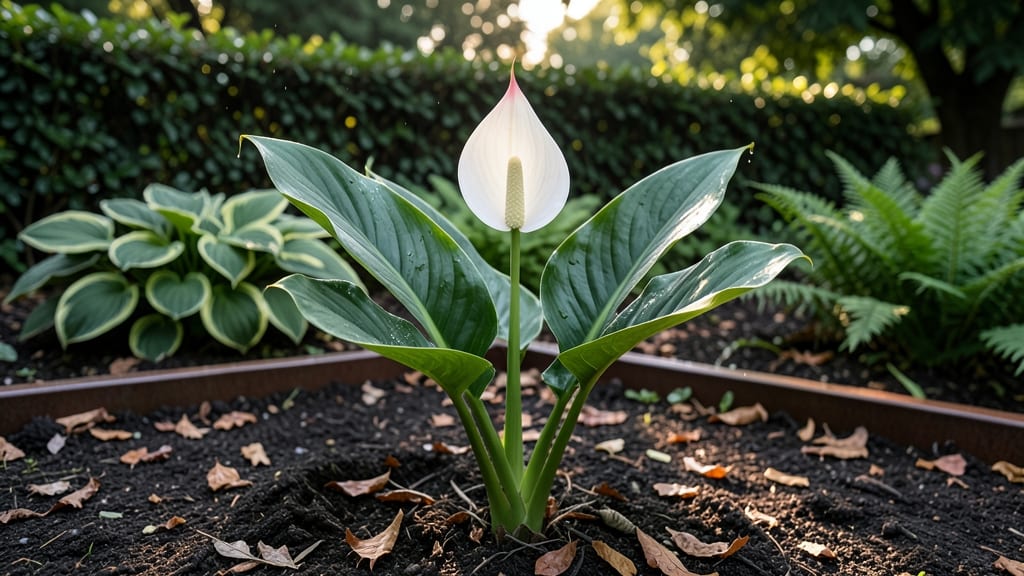
Growing the striking calla lilly flower indoors delivers year-round elegance—those velvety blooms that seem plucked from a ballroom, not your windowsill. 🌿 I’ve kept mine thriving for three winters now, and the secret isn’t complicated: it’s all about the right light, the right soil, and knowing when to let that rhizome rest.
The trick starts with bright, indirect light—think east-facing windows or a grow light for 6-8 hours daily. Too little light, and you’ll get leggy stems and sparse blooms; too much direct sun, and those leaves burn.
Use a well-draining potting mix (add perlite or orchid bark if yours drains like a swamp), and always water at the base—never let those leaves sit in soggy soil.
By summer, your plant will reward you with bold, velvety blooms that last weeks, and the rhizomes grow stronger each year. The key? Let them rest in winter—reduce watering, keep them cool, and they’ll bounce back ready for another show. No greenhouse, no problem.
Works for apartments, sunrooms, or even a bright bathroom. Here’s how to keep them blooming like a pro—without the guesswork.
📚 In This Guide
- What you need
- Instructions
- Tips and common mistakes
- Wrapping up and next steps
What you need
- ● Calla Lily Bulbs: 3–5 Zantedeschia aethiopica or hybrid bulbs (ensure they’re disease-free and firm).
- ● Well-Draining Potting Mix: 1–2 gallons of a blend designed for tropical plants (add perlite or orchid bark for aeration).
- ● Pot with Drainage Holes: 6–8" diameter for 1 bulb; larger pots for multiple bulbs (terracotta or ceramic preferred).
- ● Watering Can or Spray Bottle: For gentle hydration (avoid soggy soil!).
- ● Fertilizer: Balanced liquid fertilizer (10-10-10) or slow-release orchid fertilizer (dilute to half-strength).
- ● Decorative Pot or Cache Pot: For a polished look (ensure it fits snugly over your functional pot).
- ● Grow Lights: LED full-spectrum bulbs (12–14 hours/day) if natural light is <10 hours/day.
- ● Mulch or Peat Moss: To retain moisture and suppress weeds in outdoor plantings.
- ● Pruning Shears: For trimming spent blooms or overgrown foliage.
- ● Floral Preservative: If arranging cut calla lilies (e.g., Chrysal Clear for longevity).
- ● 🌡️ Temperature: Keep bulbs in 60–75°F (15–24°C) during growth; avoid drafts or extreme heat.
- ● ☀️ Light: Bright, indirect light (east/west-facing windows or artificial grow lights).
- ● 💧 Humidity: Aim for 50–70% (use a humidifier or pebble tray if your home is dry).
- ● 🚫 Patience: Calla lilies thrive with consistency—no rushing! Blooms may take 6–12 weeks.
Step-by-step guide for growing calla lilies indoors
Here's how to coax stunning blooms from calla lilies—no green thumb required.
🪴 Step 1: Choose the Right Container and Soil
Calla lilies thrive in pots with drainage holes—no soggy roots allowed. I use a 6-inch diameter container for each plant, filled with a mix of 2 parts potting mix and 1 part perlite. This balance keeps roots aerated while holding moisture without drowning them. Tap the pot gently after filling to settle the soil, but don't pack it down too tightly. You want it loose enough for roots to spread easily.
Here's the thing—callas hate wet feet. If your pot lacks drainage, add a layer of ½-inch pebbles at the bottom first. Then, fill the rest with the prepared mix. The soil should feel like a damp sponge when squeezed—not dripping, but not bone-dry either. This sets the stage for healthy growth without the risk of rot.
☀️ Step 2: Position for Bright, Indirect Light
Calla lilies need bright, indirect light—think east-facing windows or a spot near a west window with sheer curtains. Direct afternoon sun scorches their leaves, while too little light makes them stretch leggy and weak. You'll notice strong growth when leaves stay upright and deep green, not yellowing or wilting.
If your home has dim lighting, supplement with a grow light placed 12-18 inches away for 12-14 hours daily. I use a simple LED bulb on a timer to keep it consistent. Watch for leaves bending toward the light—this means it's too far away. Adjust until the plant grows evenly in all directions.
💧 Step 3: Water Deeply and Maintain Consistent Moisture
Water calla lilies when the top 1-2 inches of soil feel dry to the touch. Stick your finger in—if it comes out clean, it's time. Pour water until it drains freely from the bottom, then empty the saucer to prevent root rot. Overwatering is the #1 killer of indoor callas, so I always err on the side of slightly dry soil rather than soggy.
Real talk: Calla lilies love humidity. If your home is dry, mist the leaves lightly every few days or place the pot on a tray filled with pebbles and water. The pebbles create a humid microclimate without drowning the roots. You'll see the difference in glossy, vibrant leaves instead of crispy edges.
⏰ Step 4: Feed and Encourage Blooms
Start fertilizing in early spring with a balanced liquid fertilizer (like 10-10-10) diluted to half-strength. Feed every 4-6 weeks during the growing season. This gives them just enough nutrients without burning delicate roots. Stop fertilizing in late fall to let the plant rest—it’s preparing for its next bloom cycle.
Here’s the trick for blooms: Calla lilies need a cool, dark period in winter to trigger flowering. Move the pot to a 60-65°F spot with reduced light for 6-8 weeks. You won’t see much growth, but this rest period is what makes those dramatic blooms appear in spring. Think of it like a hibernation—essential for their health.
✂️ Step 5: Prune and Overwinter for Next Year
After blooms fade, cut back the flower stalks to the base with clean scissors. Don’t trim the leaves—they’re still feeding the plant. Once the leaves yellow completely, it’s time to reduce watering and let the plant rest. This is its cue to conserve energy for next year’s growth.
In late fall, repot the rhizome (the thick, corm-like root) into fresh soil if it’s outgrown its container. Divide any offsets (baby rhizomes) if they’ve formed—each can become a new plant. Store the pot in a cool, dark place (like a garage) at 50-60°F until spring. You’ll be amazed when those bold blooms return with minimal effort.
Tips & tricks for perfect calla lily blooms
Here's what nobody tells you about keeping your calla lilies thriving—and blooming—year after year.
Soil Mix Secret: The 2:1 ratio of potting mix to perlite isn't just arbitrary. Perlite creates tiny air pockets that prevent compacting, which is crucial since calla lilies hate soggy roots. I always add a handful of worm castings to my mix for extra nutrients—it gives the plants a gentle boost without overfeeding. The soil should crumble easily when dry but still hold moisture when squeezed. If it sticks together, add more perlite.
Lighting Hack: That 12-14 hour grow light schedule makes all the difference. I've found that positioning the light slightly above the plant (about 15 inches) creates a more even canopy. Notice how the leaves grow—if they're stretching toward the light, it's too far. If they're dark green and upright, you've got it right. Pro tip: Rotate your plant every few days so all sides get equal light exposure.
Watering Wisdom: The "top 1-2 inches dry" rule works, but here's the real trick: Water in the morning so excess moisture evaporates during the day. I use a moisture meter to check—when it reads 3 on the scale, that's my cue. For extra humidity, I place my calla lilies on a pebble tray filled with water. The pebbles keep the pot elevated, preventing root rot while increasing humidity around the leaves. You'll see the difference in glossy foliage within days.
Bloom Trigger: That 6-8 week cool, dark period is non-negotiable for flowering. I move my plants to a basement closet where temps naturally drop to 60-65°F. The key is consistency—no peeking! Any light exposure during this period can disrupt the process. Think of it like training for a marathon: The rest period builds up energy for the big performance when spring arrives.
Pro Tips for Calla Lilly Flower
- Here's what nobody tells you about keeping your calla lilies thriving—and blooming—year after year.
- Soil Mix Secret: The 2:1 ratio of potting mix to perlite isn't just arbitrary.
- Lighting Hack: That 12-14 hour grow light schedule makes all the difference.
Frequently asked questions
Got questions about keeping your calla lily thriving? You’re not alone! Here are some of the most common concerns—plus quick, fuss-free solutions to keep those elegant blooms happy year-round.
How often should I water my calla lily?
Water your calla lily when the top inch of soil feels dry—about once a week, depending on humidity. These tropical beauties hate soggy roots, so always use a pot with drainage holes and avoid letting them sit in water. Pro tip: Yellow leaves? You’re likely overwatering.
Why isn’t my calla lily blooming?
Calla lilies need bright, indirect light (like an east or north-facing window) and a cool-down period in winter (50–60°F). If it’s not blooming, check for these clues:
- Too much heat? Move it away from vents or direct sunlight.
- Not enough light? Supplement with a grow bulb.
- Over-fertilized? Cut back to a balanced liquid feed every 4–6 weeks in spring/summer.
Can I grow calla lilies in water?
Yes! Place a clean, smooth calla lily rhizome (the thick root) in a shallow dish of water, ensuring only the bottom half is submerged. Change the water weekly and keep it in bright, indirect light. Watch out: It may take 4–6 weeks to sprout, and blooms are less reliable than in soil.
What pests should I watch for on calla lilies?
Keep an eye out for spider mites (tiny webs on leaves) and aphids (sticky residue). Treat mild infestations by wiping leaves with a damp cloth and neem oil. For stubborn pests, isolate the plant and spray with insecticidal soap. Prevention tip: Mist leaves regularly to deter mites!
Are calla lilies toxic to pets?
Yes, calla lilies are toxic to cats and dogs if ingested, causing oral irritation, drooling, or vomiting. Keep them out of reach, and opt for pet-safe alternatives like peace lilies or African violets if you have furry friends at home.
Wrapping up and next steps
Ready to bring elegant, low-maintenance blooms into your home? The calla lily is your perfect companion—graceful, resilient, and effortlessly stunning. With just a few simple steps, you can enjoy its beauty year-round, whether you’re a seasoned plant parent or a beginner. 🌿✨
Now that you’re armed with the right tools and answers to common questions, it’s time to grab your calla lily and get growing! Start with a single plant, experiment with care tips, and watch your space transform into a lush, floral sanctuary. Happy planting! 🌸