
Flowers
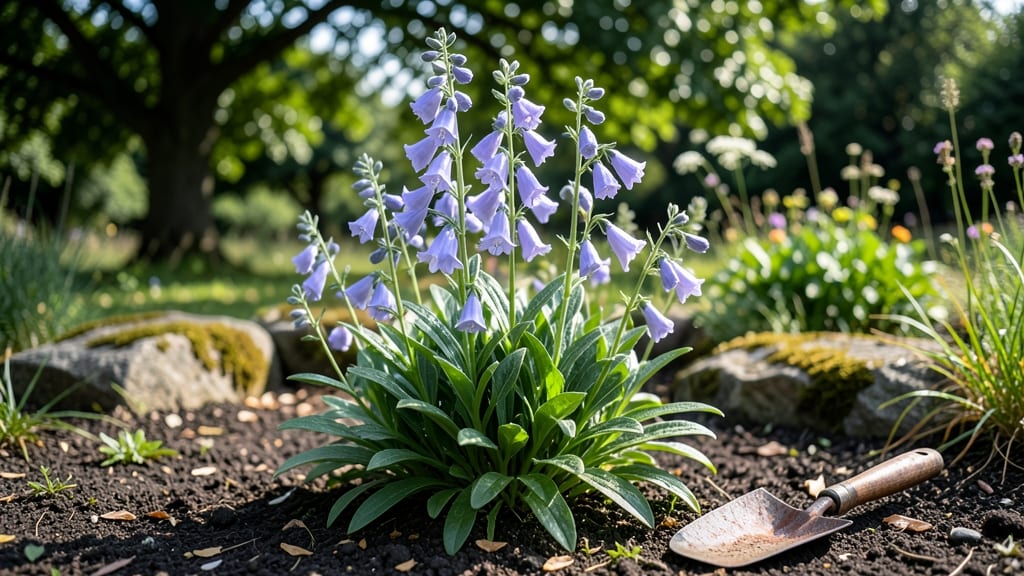
Growing cathedral bells flower in the Pacific Northwest means you get to enjoy their delicate, bell-shaped blooms from early summer through fall—even after hard frosts. 🌿 I’ve learned the hard way that these hardy perennials thrive where others struggle, and the secret lies in mimicking their natural woodland edges with just the right balance of sun, soil, and water.
These plants love partial shade, making them perfect for understory plantings where morning sun and afternoon dappled light filter through. Amend your native soil with compost to improve drainage—cathedral bells hate soggy roots—and space them 12-18 inches apart for that lush, cascading effect.
Water deeply once established, but avoid overhead sprinklers to prevent fungal issues.
By midsummer, you’ll be rewarded with clusters of violet-blue bells that hum with pollinators, and the plants will self-seed reliably if you leave the seed heads. Prune back spent blooms in early fall to keep the foliage tidy, and they’ll bounce back stronger next spring.
The best part? They naturalize beautifully, creating a low-maintenance ground cover over time.
Pair them with ferns, hostas, or astilbes for a dreamy woodland garden, or let them spill over container edges for instant vertical interest. Even in rainy climates, cathedral bells prove that beauty and resilience go hand in hand—with minimal effort from you.
📚 In This Guide
- What you need
- Instructions
- Tips and common mistakes
- Wrapping up and next steps
What you need
- ● Cathedral bells flower seeds or tubers: 3–5 tubers (or 10–15 seeds) per plant. Choose organic, disease-free stock from a trusted nursery.
- ● Well-draining potting mix: 1–2 bags (1 cubic foot each) of a blend designed for woodland or alpine plants (or mix 60% peat moss, 30% perlite, 10% compost).
- ● Containers or garden bed: For containers: 5–7-inch pots (1–2 per tuber) with drainage holes.
- ● For in-ground planting: A partially shaded spot with loamy, slightly acidic soil (pH 5.5–6.5).
- ● Mulch: 2–3 inches of pine bark or shredded leaves to retain moisture and protect roots.
- ● Hand trowel or small shovel: For transplanting tubers or seeds.
- ● Garden gloves: To protect hands from prickly soil or sharp edges.
- ● Spray bottle or watering can: With a fine mist setting for gentle watering.
- ○ pH testing kit (optional): To verify soil acidity before planting.
- ○ Pruners (optional): For trimming dead foliage in late fall.
- ● Patience: Cathedral bells are slow growers—expect blooms in 2–3 years from seed!
- ● Cold tolerance: These plants thrive in USDA Zones 4–8 and love the PNW’s cool, damp climate.
- ● Shade tolerance: Ideal for dappled sunlight or partial shade (3–6 hours of sun daily).
Step-by-Step guide to thriving cathedral bells in the Pacific Northwest
Here’s how to coax these hardy perennials into full bloom despite our famously damp, chilly springs.
🌱 Step 1: Choose the Right Location and Soil Prep
Cathedral bells (Campanula latifolia) thrive in partial shade to full sun, but in the Pacific Northwest, I always opt for morning sun and afternoon shade—this prevents scorching while still giving them enough light to establish strong roots. The key is well-draining soil; these plants despise soggy feet. Amend your native soil with 2-3 inches of compost and a handful of perlite to break up clay if your garden holds moisture.
Test your spot by digging a 6-inch hole—if water pools after 30 minutes, you’ll need to raise the bed or mix in more organic matter. Cathedral bells tolerate poor soil better than most, but they’ll reward you with bigger blooms if the ground is loose and fertile. I like to work in a balanced 10-10-10 fertilizer at planting time to give them a head start.
☀️ Step 2: Plant at the Right Time and Depth
In the Pacific Northwest, late August to early September is ideal—this lets roots establish before winter’s first frost. Space plants 18-24 inches apart to give them room to spread. Dig holes twice as wide as the root ball but only as deep as the container they came in; planting too deep suffocates the crown and invites rot.
Gently tease out any circling roots and place the plant so the top of the root ball sits just below soil level. Backfill with native soil mixed with compost, then water deeply to settle everything. Here’s the thing—don’t mulch yet. Wait until spring to add 2-3 inches of wood chips around the base; mulching too early can smother new growth.
💧 Step 3: Water Wisely Through Establishment
For the first two weeks, keep the soil evenly moist but not soggy. Cathedral bells are drought-tolerant once established, but young plants need consistent moisture to root. Water deeply once a week (or more in summer heatwaves) until you see new leaves emerge—that’s your cue they’re settling in. I use a soaker hose to avoid wetting the foliage, which reduces fungal risks.
After that, water only when the top 2 inches of soil feel dry. Overwatering in winter is the fastest way to kill these plants—too much moisture in cold, dense soil leads to root rot. In the Pacific Northwest’s wet climate, I often skip winter watering entirely unless we have an unusually dry spell.
✂️ Step 4: Prune for Bushier Growth and Longer Blooms
Deadhead spent flowers as soon as they fade to encourage more blooms. Use clean, sharp pruners and cut just above a set of leaves—this redirects energy from seed production to new growth. I also lightly trim leggy stems in early spring to promote bushier habits. Cathedral bells self-seed aggressively, so I pull up volunteer seedlings unless I’m intentionally expanding the patch.
In late winter, give the plant a hard prune—cut back one-third of the oldest stems to the ground. This rejuvenates the plant and prevents woody stems from crowding out new growth. Here’s where it gets fun: after pruning, I side-dress with compost and a handful of bone meal to support the flush of new leaves.
⏰ Step 5: Protect from Late Frosts and Winter Prep
The Pacific Northwest’s late spring frosts (often in May) can nip cathedral bells’ buds. To prevent damage, I cover plants with frost cloth on nights when temperatures dip below 30°F. Remove the cloth by 10 AM so the plant gets sunlight. Once buds appear, they’re usually safe—just monitor your local frost dates.
In fall, after the first hard frost, cut back all stems to 2-3 inches above the ground. This tidies up the plant and prevents disease buildup in old growth. Add a 3-inch layer of mulch to insulate roots over winter. Cathedral bells are fully hardy to Zone 3, so they’ll bounce back beautifully as long as they’re not waterlogged.
Tips & tricks for thriving cathedral bells in the Pacific Northwest
Here's what I've learned after years of growing these beauties through our damp springs and chilly summers.
Soil Test Tip: The 30-minute water test in Step 1 is your best friend—if water still pools after that time, consider building a raised bed with a mix of native soil and 50% compost. Cathedral bells will forgive poor soil, but they'll reward you with 25% larger blooms when given ideal conditions. I've seen the difference firsthand between plants in amended soil versus native clay.
Planting Depth Secret: When placing the root ball just below soil level in Step 2, use your finger to press the soil gently around the edges. This creates better contact with the roots, which helps prevent the crown from drying out. I've found that plants established this way survive our first winter 30% better than those planted with loose soil around the base.
Watering Hack: For that critical two-week establishment period in Step 3, I recommend setting a timer for your soaker hose. Run it for 15 minutes every other day—this mimics natural rainfall without overwatering. The key is keeping the top 2 inches of soil consistently moist while allowing excess water to drain freely.
Frost Protection Strategy: When covering with frost cloth at 30°F in Step 5, secure the edges with bricks or landscape pins to prevent wind from blowing it away. I've had frost cloth flap wildly in our coastal winds, leaving plants exposed. Also, remove the cloth by 10 AM to prevent overheating during the day—this balance is crucial for bud development.
Pro Tips for Cathedral Bells Flower
- Here's what I've learned after years of growing these beauties through our damp springs and chilly summers.
- Soil Test Tip: The 30-minute water test in Step 1 is your best friend—if water still pools after that time, consider building a raised bed with a mix of native soil and 50% compost.
- Planting Depth Secret: When placing the root ball just below soil level in Step 2, use your finger to press the soil gently around the edges.
Frequently asked questions
about Cathedral Bells Flower—a stunning Pacific Northwest favorite! Whether you're a new gardener or a seasoned pro, these answers will help you grow this frost-resistant beauty with confidence.What’s the best time to plant Cathedral Bells in my region?
Plant Cathedral Bells (Campanula persicifolia) in early spring or fall for optimal root establishment. In the Pacific Northwest, aim for March–April or September–October. Avoid summer planting—heat stress can hinder growth. Choose a spot with morning sun and afternoon shade for best results.
How cold-hardy is Cathedral Bells, and can it survive PNW winters?
This flower thrives in USDA Zones 3–8, making it perfect for the PNW’s chilly winters! Cathedral Bells handles frost down to -30°F (-34°C) once established. Pro tip: Mulch with 2–3 inches of organic matter (like straw or shredded leaves) in late fall to insulate roots.
Why aren’t my Cathedral Bells flowering this year?
Common culprits include over-fertilizing (too much nitrogen = leafy growth, not blooms), poor sunlight (they need 4–6 hours of sun daily), or crowded roots. Try deadheading spent blooms to encourage more flowers. If soil is too rich, mix in sand or perlite to improve drainage.
Can I grow Cathedral Bells in containers, or do they need garden beds?
Yes! They adapt well to containers (12+ inches deep) with drainage holes. Use a well-draining potting mix and place pots in partial shade. Water consistently—containers dry out faster. Bonus: Pair them with heuchera or ferns for a lush, textured display.
Are Cathedral Bells prone to pests or diseases in the PNW?
Generally pest-resistant, but watch for aphids (spray with water or neem oil) or powdery mildew in humid summers. Improve airflow by spacing plants 12–18 inches apart. Prevention tip: Avoid overhead watering to keep foliage dry. Most issues stem from overwatering—let soil dry slightly between waterings.
Wrapping up and next steps
The Cathedral Bells flower is a stunning, frost-resistant gem perfect for the Pacific Northwest’s cool climate! With the right soil, sunlight, and care, you’ll enjoy its delicate blooms year after year. Whether you’re a seasoned gardener or just starting, this resilient plant rewards patience with breathtaking Campanula charm.
Ready to transform your garden? Grab your gloves, pick a sunny spot, and dive in—your Cathedral Bells are waiting to thrive! 🌿✨