
Flowers
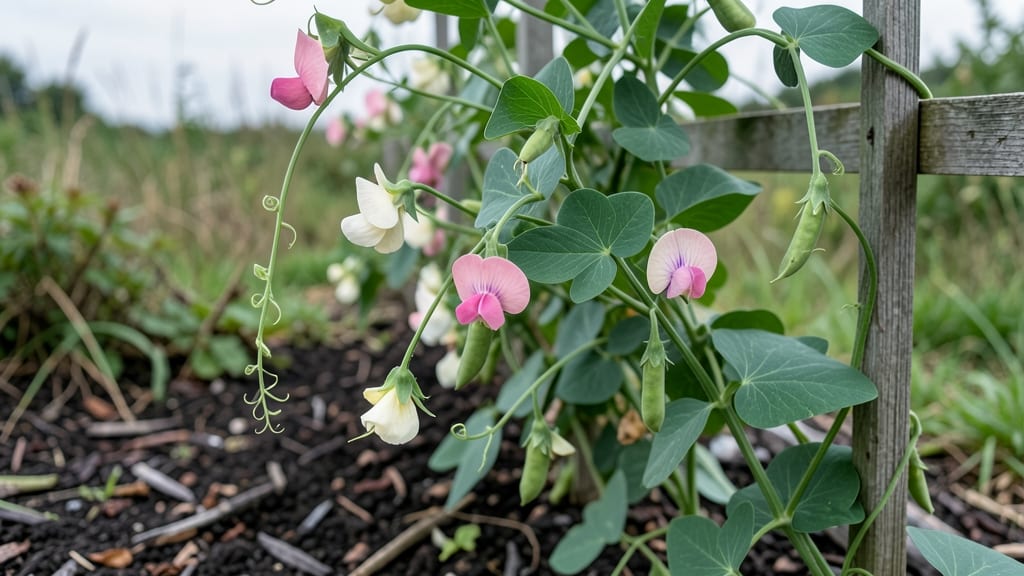
Cutting sweet pea flowers isn’t just about bouquets—it’s the secret to a never-ending harvest of fragrant blooms you can eat too. 🌿 I learned the hard way that skipping pruning means fewer flowers and weaker vines, but once I mastered the timing and technique, my sweet peas became the star of both my garden and my salads.
The right tools and a little know-how make this easier than it looks. You’ll need sharp pruners, a sunny morning for cutting, and a bucket of water to keep stems fresh. Prune just above a leaf node where new growth will emerge, and you’ll trigger bushier plants with more blooms.
Most gardeners overlook this step, but it’s what turns a handful of flowers into a steady stream all season.
What you’ll end up with is a vine loaded with fresh, tender blooms—perfect for garnishes or edible salads. The flowers stay vibrant longer when cut early in the day, and regular pruning keeps air circulating so diseases stay away.
My vines now produce three times as many blooms as they did before I started pruning properly.
Works for both trellised vines and bush varieties, and the same technique applies whether you’re growing for beauty, scent, or the table. Let’s get those flowers looking—and tasting—better than ever.
📚 In This Guide
- What you need
- Instructions
- Tips and common mistakes
- Wrapping up and next steps
What you need
- ● Sweet pea flowers: 6–12 fresh, fully bloomed (but not wilted) flowers—picked in the morning for peak flavor and texture. Pro tip: 💡 Choose blooms with vibrant colors (purple, pink, or white) for the best visual and culinary appeal!
- ● Sharp floral shears or kitchen scissors: 1 pair (clean, sterilized) to snip stems at a 45-degree angle for better water absorption.
- ● Water: 1–2 cups of cool, filtered water (for hydrating stems or rinsing petals).
- ○ Edible flower-safe soap (optional): A mild, residue-free solution (like Castile soap) to gently clean petals if needed.
- ● Cutting board or clean plate: 1 (to lay out flowers for trimming).
- ● Small paring knife or tweezers: 1 (for delicately removing stamens or unwanted debris).
- ● Paper towels or clean kitchen cloth: 1 roll/cloth (to pat petals dry).
- ○ Salad greens or garnish base: Optional (e.g., arugula, butter lettuce, or microgreens for pairing).
- ● Honey or agave syrup: A drizzle (1 tsp) to enhance sweetness.
- ● Citrus zest (lemon/lime): A pinch for a bright contrast.
- ● Edible glitter or gold leaf: For a luxurious touch (use sparingly!).
- ● Clear glass vase or bud vase: To display stems while prepping.
Step-by-step guide to harvesting and using sweet pea flowers
Here's how to pick and preserve these delicate edible blooms at their peak.
🌿 Step 1: Identify the Perfect Time to Cut
Harvest sweet pea flowers in the early morning when dew is still on the petals. This ensures maximum freshness and vibrant color. Look for buds that are just beginning to open—fully bloomed flowers have already released some of their delicate flavor. The standard is to cut stems when about one-third of the flower has unfurled.
Use sharp pruning shears or clean scissors to avoid crushing the stems. Cut at a 45-degree angle just above a leaf node to encourage new growth. This small detail prevents water from pooling on the cut end, which can rot the stem and shorten your bouquet's life.
✂️ Step 2: Harvest with Care for Longer-Lasting Blooms
Gently grasp the stem between your thumb and forefinger, then make a clean cut about 6 inches below the flower cluster. This length gives you room to arrange them in a vase or bundle while leaving enough stem for the plant to continue producing. I always harvest from the bottom of the plant first—this encourages upward growth and keeps the plant balanced.
Remove any leaves that will sit below the waterline in your vase. These will rot and shorten the bouquet's life. Place harvested flowers immediately in a bucket of cool water to maintain freshness until you're ready to use them. If you can't use them right away, store them in the refrigerator with a damp paper towel wrapped around the stems.
💧 Step 3: Prepare Flowers for Culinary Use
Once you're ready to use your sweet pea flowers, give them a gentle rinse under cool water to remove any dirt or insects. Pat them dry with a clean kitchen towel or paper towels. The petals are the edible part, so handle them gently to avoid tearing. You'll see the most delicate petals have a subtle floral flavor that pairs beautifully with salads, desserts, and even cocktails.
For salads, remove the petals from the flower and arrange them on top just before serving. They add a pop of color and a light, almost almond-like flavor. If you're using them in desserts, consider infusing them in simple syrup or sugar for a floral note. Remember, sweet peas are delicate—use them as a garnish rather than a main ingredient to let their subtle flavor shine.
☀️ Step 4: Encourage Continuous Blooming
After harvesting, give your sweet pea plants a drink of water to help them recover. The plants will produce more flowers if you keep them well-watered and fertilized. I like to use a balanced, water-soluble fertilizer every 2-3 weeks during the growing season to keep them blooming prolifically. Prune back any leggy growth to encourage bushier plants with more flower production.
Sweet peas thrive in full sun to partial shade and well-drained soil. If you notice fewer flowers after harvesting, check that your plants have enough support—sweet peas are climbers and need trellises or stakes to grow properly. A well-supported plant will produce more blooms and make harvesting easier for you.
Tips & tricks for perfect sweet pea flowers
These little tricks will help you get the most out of your sweet pea harvest—both in the garden and on your plate.
Timing is Everything: The early morning dew is your secret weapon for keeping sweet pea flowers vibrant. I've found that harvesting when the buds are just one-third open gives you the perfect balance of freshness and flavor. If you miss the morning window, try to harvest within the first hour after sunrise. The cooler temperatures help preserve the delicate petals, and the dew helps keep them hydrated until you can use them. This is especially important if you plan to store them before using in recipes.
Cutting Technique Matters: That 45-degree angle cut isn't just for show—it's a game-changer for stem longevity. When you make the cut just above a leaf node, you're encouraging the plant to grow stronger and produce more flowers. I always use sharp pruning shears because dull blades crush the stems, which can lead to wilting. And remember, those 6 inches of stem length give you flexibility for arranging your bouquets or using them in recipes without sacrificing plant health. This small detail makes all the difference when it comes to keeping your flowers fresh for days.
Preservation Secrets: The cool water bucket isn't just for immediate use—it's your best friend for short-term storage. If you can't use your sweet peas right away, wrap the stems in a damp paper towel and refrigerate them. The key is to keep them hydrated at all times. I've had success storing them this way for up to 3 days without losing any of that delicate floral flavor. For longer storage, consider freezing the petals after removing them from the flowers—just spread them out on a tray and freeze before transferring to a bag. This preserves their color and flavor for up to 3 months.
Pro Tips for Cut Sweet Pea Flowers
- These little tricks will help you get the most out of your sweet pea harvest—both in the garden and on your plate.
- Timing is Everything: The early morning dew is your secret weapon for keeping sweet pea flowers vibrant.
- Cutting Technique Matters: That 45-degree angle cut isn't just for show—it's a game-changer for stem longevity.
Frequently asked questions
Got questions about harvesting and using cut sweet pea flowers? You’re not alone—these edible blooms are as charming as they are versatile! Here’s what you need to know:
When is the best time to harvest sweet pea flowers for eating?
Pick your sweet pea flowers in the morning after the dew has dried but before the sun gets too hot (around 8–10 AM). This ensures the petals are fresh, vibrant, and packed with flavor. Avoid harvesting after rain—the petals can become waterlogged and lose their delicate texture. Pro tip: Harvest buds just as they’re about to open for the most intense aroma and flavor!
Can I use sweet pea flowers from a grocery store or florist for cooking?
Unfortunately, no! Most grocery store or florist sweet pea flowers are treated with preservatives or chemicals (like bud vases or dried arrangements) to extend their shelf life, making them unsafe to eat. Always use organic, pesticide-free sweet peas grown specifically for culinary use. If you’re unsure, opt for homegrown or trusted specialty growers.
How do I store cut sweet pea flowers to keep them fresh longer?
Store your cut sweet pea flowers in a loosely wrapped paper towel inside a plastic bag in the fridge for up to 3–4 days. Avoid sealing them tightly—moisture can cause the petals to wilt faster. For longer storage (up to a week), try freezing the petals on a baking sheet before transferring them to a sealed bag. Pro tip: Trim the stems at an angle and place them in a glass of water for a few hours before using to revive them!
What’s the best way to clean sweet pea flowers before eating?
Gently rinse the petals under cold water and pat them dry with a paper towel. Avoid soaking them, as this can make them soggy. For extra cleanliness, use a soft brush (like a clean toothbrush) to remove any dirt from crevices. Note: If you’re using them in a dish where they’ll be cooked (like a stir-fry or infused oil), a quick rinse is often enough—the heat will kill any lingering bacteria.
What can I do if my sweet pea flowers taste bitter?
Bitter flavors in sweet pea flowers usually mean they’re overripe or stressed (e.g., harvested too late or exposed to heat). To fix this, try blanching the petals in boiling water for 10–15 seconds before using them in dishes—this can mellow the bitterness. Alternatively, pair them with sweet or acidic ingredients, like honey, balsamic glaze, or citrus, to balance the flavor. If the bitterness persists, the flowers may not be fresh enough for eating.
Wrapping up and next steps
Transforming your garden into a culinary playground has never been easier—or more delicious! 🌸 Cutting sweet pea flowers for your salads isn’t just creative; it’s a flavorful and sustainable way to elevate your dishes.
Whether you’re a seasoned gardener or a curious foodie, these edible blooms add a pop of color, a delicate crunch, and a subtly sweet aroma to every bite.
Ready to take the next step? Start small—grow a few sweet pea plants or forage local blooms (when safe!) to experiment with flavors. Share your edible creations with friends or dive deeper into floral cuisine. The garden (and your palate) will thank you! 🌱✨