
Flowers
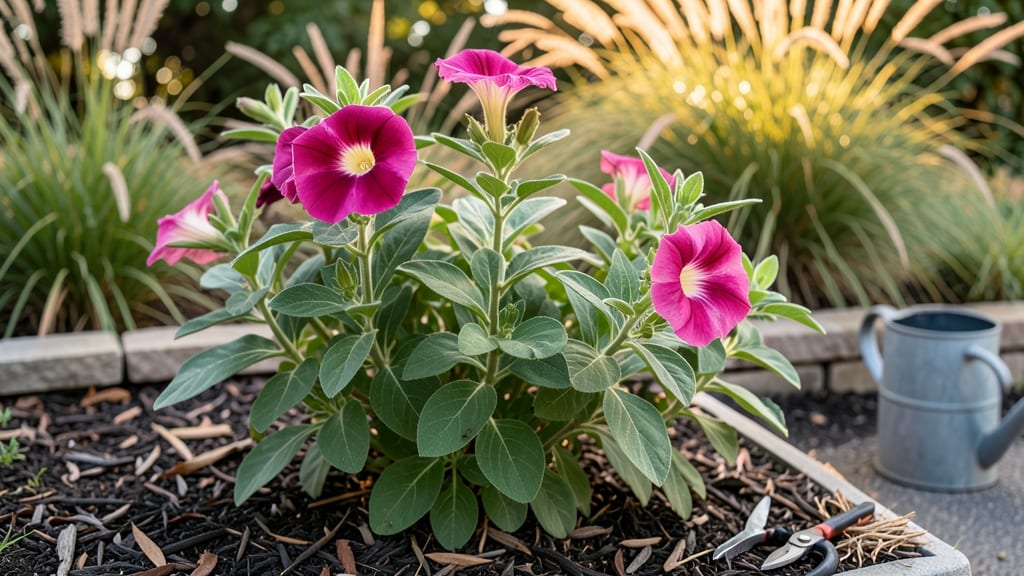
The mysterious four 0 clock flowers burst into life when most gardens are asleep, their trumpet-shaped blooms unfurling as the sun dips below the horizon—like nature’s own lanterns.
These fragrant night-bloomers aren’t just stunning; they’re the secret weapon for adding drama to containers, balconies, or moon gardens where they steal the show after dark.
The key to their success in containers is matching their love of warmth and well-draining soil. Pair them with trailing plants like sweet potato vine or dusty miller to create a cascading effect, or nestle them among succulents for a striking contrast.
Their vibrant colors—pink, yellow, white, and deep purple—make them the star of any evening display, especially when placed near seating areas where you can enjoy their intoxicating scent up close.
With minimal care, you’ll be rewarded with blooms that open reliably at dusk and close by morning, their fragrance lingering like a secret. They thrive in partial shade, making them perfect for urban patios or shaded courtyards where other flowers struggle.
Just keep the soil consistently moist (but not soggy) and pinch back spent blooms to encourage more flowers—it’s that simple.
Whether you’re designing a moon garden, adding tropical flair to a balcony, or simply want flowers that perform when most gardens are quiet, four o’clock flowers deliver.
Their effortless beauty and nighttime magic make them a must-have for any container collection. Let’s get yours planted for a summer of twilight charm.
📚 In This Guide
- What you need
- Instructions
- Tips and common mistakes
- Wrapping up and next steps
What you need
- ● Four O’Clock Flower Seeds: 3–5 seeds per container (or 1 seed per small pot for singles). Opt for organic, non-GMO seeds for best results.
- ● Containers: At least 12-inch diameter pots (or larger) for mature plants—ensure they have drainage holes!
- ○ Self-watering planters (optional but ideal for busy gardeners).
- ● Potting Mix: 1 bag of well-draining, peat-free potting soil (mix in perlite or vermiculite for extra aeration).
- ● Slow-Release Fertilizer: 1 tbsp balanced 10-10-10 or organic fertilizer per container (or liquid fertilizer for foliar feeding).
- ● Drainage Material: Small pebbles or broken pottery shards (½ inch layer at the bottom of containers).
- ● Gloves (to protect hands from prickly stems).
- ● Trowel or small shovel for planting.
- ● Watering can or spray bottle (gentle watering prevents seed washout).
- ● Sunlight Spot: A location with full sun (6+ hours/day) or partial shade (they tolerate heat but avoid scorching).
- ○ Optional Extras: Mulch (straw or shredded bark) to retain moisture.
- ● Decorative stones or mosaic tiles for a boho-chic container look!
- ● Stakes or small cages (if stems need support as they grow).
How to cultivate fragrant four o'clock flowers in containers
These velvety blooms release their signature scent at dusk—here's how to coax their beauty into your patio pots.
Select the Right Containers and Drainage
Choose 12-14 inch diameter containers with drainage holes—four o'clocks (Mirabilis jalapa) despise soggy roots. I prefer unglazed terra cotta because it breathes and prevents waterlogging, but any sturdy pot with at least 2 inches of drainage space works. Add a 2-inch layer of small gravel at the bottom to create an air gap that prevents rot.
Here's the thing—these plants grow 3-4 feet tall when happy, so choose containers that won't tip over in summer breezes. A weighted base or placing pots against a wall solves this. I always test stability by giving the pot a gentle shake before planting—if it wobbles, I add a 2-3 pound decorative stone to the bottom layer.
Prepare Well-Draining Soil Mix
Fill containers with a 50/50 blend of premium potting mix and perlite—this prevents the heavy, tuberous roots from suffocating. Four o'clocks thrive in sandy, gritty soil that mimics their native dry climates. I avoid garden soil entirely; its compaction slows root growth and invites fungal diseases.
Moisten the mix until it holds together when squeezed but doesn't drip. The ideal texture is like a damp sponge—firm enough to support stems but loose enough for roots to spread. Tap the container gently on the table to settle the soil without compacting it. This ensures air pockets remain for those thick, fibrous roots to explore.
Plant Tubers at Proper Depth
Place 2-3 tubers per 12-inch container, spacing them 4-6 inches apart. These aren't seeds—they're potato-like tubers that store energy for dramatic summer blooms. Bury them 2 inches deep, with the eyes (small buds) facing upward. Press soil gently around them but don't pack it down.
Water immediately after planting to settle the soil and remove any air pockets. You'll see sprouts in 10-14 days if conditions are right—look for tiny green shoots breaking through the surface. This is your signal that the tubers have rooted and are ready for growth. Until then, keep soil evenly moist but never soggy.
Position for Sun and Heat
Four o'clocks need full sun—6+ hours daily—but they'll tolerate partial shade in hot climates. I place mine in morning sun with afternoon shade during peak summer to prevent leaf scorch. The key is warmth: these plants thrive in 70-90°F temperatures and may sulk below 60°F.
Watch for leggy growth if light is insufficient—thin, pale stems with leaves spaced far apart mean your plants are stretching toward light. Rotate containers quarter-turn weekly so they grow upright instead of leaning. Once established, they'll reward you with velvety blooms that open at dusk, releasing their intoxicating fragrance.
Water and Feed for Continuous Blooms
Water deeply every 2-3 days during active growth, allowing top 2 inches of soil to dry between waterings. Overwatering causes yellowing leaves and rotting tubers, while underwatering leads to dropped buds. I check moisture by sticking my finger 1 inch deep—if it feels dry, it's time to water.
Feed with a balanced 10-10-10 fertilizer every 4-6 weeks starting when flowers appear. The secret to long blooming is consistent feeding—these plants are heavy feeders. I always water before fertilizing to prevent root burn. Deadhead spent blooms regularly to encourage nonstop summer-long flowers.
Tips & tricks for perfect four o'clock flowers in containers
Here's what nobody tells you about growing these fragrant beauties—details that make all the difference between struggling plants and showstopping displays.
Container Stability Matters: When selecting your 12-14 inch containers, prioritize stability above all else. I've seen these 3-4 foot tall plants topple dramatic displays when summer storms hit. For extra security, place containers against a wall or add a 2-3 pound decorative stone to the bottom layer before planting. This simple precaution prevents the heartbreak of watching your fragrant blooms become a windblown mess.
Soil Texture is Everything: The 50/50 blend of premium potting mix and perlite isn't just a suggestion—it's non-negotiable for these tuberous roots. I learned this the hard way after watching plants wither in compacted garden soil. For even better drainage, add a handful of coarse sand to your mix. The goal is soil that crumbles easily when dry but holds moisture like a damp sponge when wet.
Timing Your Watering: The 2-3 day watering schedule works perfectly when temperatures stay between 70-90°F, but adjust in cooler weather. I check moisture by sticking my finger 1 inch deep—if it feels dry, water deeply until it runs from the drainage holes. The key is preventing the top 2 inches from drying completely between waterings, which triggers that dreaded bud drop. A moisture meter can help maintain consistency, especially for beginners.
Heat Tolerance Secrets: While four o'clocks thrive in 70-90°F temperatures, they actually perform better in hotter climates than most container plants. In extreme heat (above 90°F), move containers to morning sun with afternoon shade to prevent leaf scorch. The plants will still produce those signature dusk-opening blooms, but with healthier foliage. I've even grown them successfully in 100°F+ conditions by providing afternoon shade and increasing water frequency to every 1-2 days.
Pro Tips for Four 0 Clock Flowers
- Here's what nobody tells you about growing these fragrant beauties—details that make all the difference between struggling plants and showstopping displays.
- Container Stability Matters: When selecting your 12-14 inch containers, prioritize stability above all else.
- Soil Texture is Everything: The 50/50 blend of premium potting mix and perlite isn't just a suggestion—it's non-negotiable for these tuberous roots.
Frequently asked questions
Got questions about growing Four O’Clock Flowers (Mirabilis jalapa) in containers? You’re not alone!
Here are answers to the most common queries to help you nurture these fragrant, vibrant blooms with confidence.
What’s the best soil mix for container-grown Four O’Clock Flowers?
Use a well-draining potting mix blended with perlite or sand (20-30%) to prevent root rot. These plants thrive in slightly acidic to neutral soil (pH 6.0–7.0). Avoid heavy garden soil—it compacts and traps moisture, which they hate! Pro tip: Add a handful of compost for nutrients.
Why aren’t my Four O’Clock Flowers blooming?
These night-bloomers need full sun (6+ hours daily) and warmth (ideal temps: 70–85°F). If flowers are sparse, check for:
- Underwatering (soil should stay lightly moist but not soggy)
- Overcrowding (thin plants if roots are tangled)
- Nutrient deficiency (feed with balanced fertilizer every 4–6 weeks)
Can I grow Four O’Clock Flowers from seed in containers?
Start seeds indoors 8–10 weeks before last frost or direct-sow after soil warms (60°F+). Plant seeds ¼ inch deep in small pots, keep moist, and transplant seedlings to 12+ inch containers when they’re 3–4 inches tall. No transplant shock!
Are Four O’Clock Flowers toxic to pets?
Yes, they’re toxic to cats and dogs if ingested. Symptoms include vomiting, diarrhea, or drooling. Keep containers out of reach or opt for pet-safe alternatives like Nicotiana (flowering tobacco) or Calendula. When handling plants, wash your hands to avoid accidental skin irritation.
How do I overwinter Four O’Clock Flowers in containers?
These tropicals are annuals in cold climates, but you can save them for next year! Move containers to a bright, cool (50–60°F) spot (like a garage) and reduce watering. Prune back foliage, and repot in spring. Warning: They may not rebloom as vigorously—treat them as fresh starts annually for best results!
What are some low-maintenance alternatives to Four O’Clock Flowers?
If you love their fragrance and color but want easier care, try:
- Sweet Alyssum (mild scent, drought-tolerant)
- Petunias (prolific bloomers, container-friendly)
- Moonflower (Ipomoea alba) (nocturnal blooms, fast-growing)
- Marigolds (hardy, pest-repellent)
Wrapping up and next steps
Four O’clock flowers aren’t just a fragrant, low-maintenance addition to your garden—they’re a versatile and rewarding choice for container gardening. Whether you’re drawn to their vibrant colors, sweet evening scent, or ease of care, these blooms prove that beauty and simplicity go hand in hand. 🌸
Ready to bring their magic to your balcony, patio, or windowsill? Start small—pick a sunny spot, grab a container, and let these resilient flowers do the rest. Soon, you’ll be enjoying their nighttime perfume and chatting with neighbors about your thriving green thumbs! 🌿
- Next step: Pick your favorite variety and review the supplies you’ll need to get started.