
Companion Plants
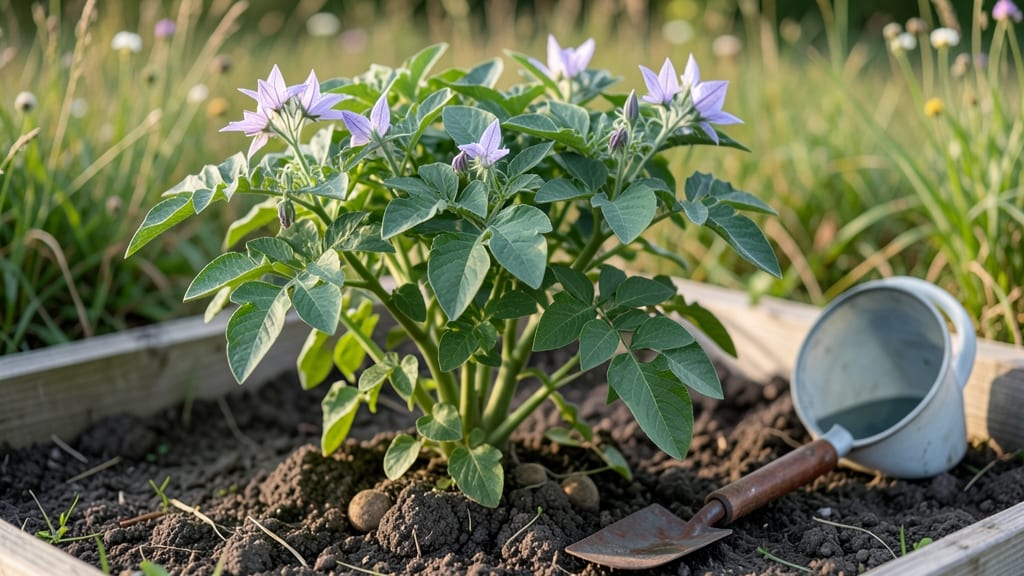
When potato plants start flowering, panic sets in—but those blooms aren’t the real prize. 🌱 I’ve watched my own plants send up delicate purple or white flowers, only to wonder if they’d ever produce the potatoes I planted for.
The truth? Those flowers are actually a sign your plants are thriving, but they can divert energy from the tubers you’re after.
Flowering is completely normal, especially in warm weather, but it does mean your potatoes need extra attention. The key is managing how your plant directs its energy—pruning those flowers can help focus growth on the tubers below ground.
I’ve found that even a simple pinch of the blooms can make a noticeable difference in harvest size, especially for varieties like Yukon Golds or Russets.
You’ll end up with larger, more abundant potatoes if you keep the plant’s focus where it matters most. The tubers will swell faster, and you’ll avoid the frustration of digging up small, underdeveloped harvests.
With the right approach, your flowering plants can still deliver a bountiful crop—just don’t let those pretty blooms distract you from the real goal.
This works for both in-ground and container-grown potatoes, though container plants may need slightly more frequent checks. The same principles apply whether you’re growing in full sun or partial shade—just adjust your pruning timing to match your local climate. Let’s make sure those flowers don’t steal your harvest!
📚 In This Guide
- What you need
- Instructions
- Tips and common mistakes
- Wrapping up and next steps
What you need
- ● Garden gloves (1 pair) – Nitrile or leather for durability
- ● Hand trowel or small spade – For gentle digging (6–8" blade ideal)
- ● Pruning shears – Sharp, clean pair to trim foliage
- ● 5-gallon bucket or mesh bag – For harvesting (2–3 buckets per plant)
- ○ Compost or well-aged manure – 1–2 gallons per plant (optional but helpful)
- ● Mulch (straw, grass clippings, or leaves) – 1–2 inches thick for protection
- ● Garden hose with spray nozzle – For post-harvest watering
- ● Potato harvesting knife – For precision (if digging by hand)
- ● Garden fork – For loosening soil without damaging tubers
- ● Plant marker flags – To label harvested spots and avoid re-digging
- ● Fungicide (copper-based or neem oil) – Prevents rot during curing (1 tsp per gallon of water)
- ● Shade cloth or tarp – For curing potatoes in direct sun (if temps exceed 85°F)
How to handle flowering potato plants without losing your harvest
Here's how to redirect your potato plant's energy back to tubers.
🌱 Step 1: Identify the Right Time to Act
Flowering means your potato plant is shifting focus from tuber production to seed creation. The moment you see buds appear, take action—this is your last chance to maximize the harvest. Don't wait until flowers fully open; act when you first spot the buds forming.
Check your plant's leaves for the classic potato flower shape—delicate, star-like blooms on tall stems. If your variety is known for early flowering (like 'Yukon Gold'), you'll have about 10-14 days to work before the plant fully shifts energy. For later varieties, you might have 3-4 weeks—but don't count on it.
✂️ Step 2: Prune Flowers and Side Shoots
Use clean, sharp pruning shears to snip off flower stems at their base. Cut just above a leaf node to avoid leaving stubs that can rot. Here's the key: remove both flowers and any side shoots growing from the main stem. These side shoots compete with tubers for energy.
Work in the morning when plants are hydrated and can recover quickly. I like to wear gloves—potato leaves can be prickly, and the sap isn't the most pleasant stuff to handle. After pruning, give the plant a light watering to help it recover.
💧 Step 3: Boost Soil Nutrition and Watering
Immediately after pruning, feed your plant with a low-nitrogen, high-phosphorus fertilizer (like 5-10-10) to encourage tuber development. Mix 1 tablespoon per plant into the soil around the base, then water deeply to help the roots absorb it. This shift in nutrition signals the plant to focus on tubers instead of flowers.
Water consistently from now on—1-2 inches per week—keeping the soil evenly moist but never soggy. Mulch with 2-3 inches of straw to retain moisture and prevent soil temperature swings. Warm soil speeds up tuber growth, so aim to keep it between 60-70°F.
☀️ Step 4: Provide Optimal Light and Airflow
Move your potato plants to the sunniest spot possible—6-8 hours of direct sunlight daily. If your garden gets afternoon shade, consider relocating them temporarily to a sunnier area. Flowering plants often grow taller and leggier, so they might need staking now to prevent lodging.
Improve airflow around the plants by spacing them 12-18 inches apart if they're crowded. Good airflow reduces disease risk and helps the plant recover faster from pruning. If you're growing in containers, ensure they're large enough—at least 12 inches deep and 18 inches wide per plant.
🌿 Step 5: Monitor for Regrowth and Harvest Timing
Watch for new growth at the leaf nodes after pruning. Strong, healthy regrowth means your plant is redirecting energy to tubers. If you see new flowers forming, repeat the pruning process immediately—this time might be your last chance to salvage the harvest.
Time your harvest carefully. For new potatoes, dig when the plant shows signs of wilting or when flowers have fully bloomed (even if you pruned them). For full-sized tubers, wait until 2-3 weeks after flowering—but don't delay beyond the plant's natural dormancy period, or you'll lose yield.
Tips & tricks for saving your flowering potato harvest
Don't panic when your potato plants start flowering—here's how to turn things around.
Timing is Everything: In Step 1, when you spot those first flower buds, you've got a limited window. Early bloomers like 'Yukon Gold' give you just 10-14 days to act, while later varieties might offer 3-4 weeks. I've learned the hard way that waiting until flowers fully open means you've already lost valuable tuber production time—act at the first sign of buds!
Pruning Precision: When you're following Step 2, make every cut count. Use sterilized shears and cut just above a leaf node to prevent rot. I always remove both flowers AND side shoots—those side shoots are sneaky energy vampires that drain resources from your tubers. And here's a pro move: work in the morning when plants are hydrated, and always follow up with a light watering to help recovery.
Soil Temperature Secret: The instructions mention keeping soil between 60-70°F, but let me tell you—this isn't just about comfort, it's about speed. Warmer soil (closer to 70°F) accelerates tuber growth by up to 30%. If your soil runs cooler, consider using black plastic mulch to absorb heat during the day. Just don't let it get above 80°F or you'll scorch those developing tubers.
Regrowth Check: After pruning in Step 5, watch for new growth at the leaf nodes. This is your plant's way of saying "I'm redirecting energy to tubers!" If you see flowers forming again, you've got one last chance—prune immediately. I've seen plants that seemed doomed come back with amazing yields after this final intervention.
Pro Tips for My Potato Plants Are Flowering
- Don't panic when your potato plants start flowering—here's how to turn things around.
- Timing is Everything: In Step 1, when you spot those first flower buds, you've got a limited window.
- Pruning Precision: When you're following Step 2, make every cut count.
Frequently asked questions
Got questions about your flowering potato plants? You're not alone! Here are some of the most common concerns—and quick fixes—to keep your harvest thriving.
Why are my potato plants flowering so early?
Early flowering usually means your potatoes are maturing faster than expected. This can happen due to long daylight hours, warm soil, or variety-specific traits (like early-maturing types). While it’s normal, it signals harvest time is near—dig up "new potatoes" (small tubers) now to avoid missing them!
Should I remove the flowers to get bigger potatoes?
No—removing flowers won’t increase tuber size, but it can delay harvest if you’re growing for storage potatoes. Flowers mark the end of the plant’s energy focus on tubers, so if you’re after large harvests, let them bloom naturally. For new potatoes, pinch flowers off to keep the plant producing smaller, tender tubers longer.
My potato flowers are dying. Is my plant sick?
Wilted or dead flowers are normal as the plant shifts energy to tubers. But if leaves yellow, stems rot, or blossoms drop suddenly, check for pests (like Colorado potato beetles) or diseases (e.g., blight). Act fast: Prune damaged foliage and improve airflow to prevent spread.
Can I still harvest potatoes if the flowers are brown and crispy?
Brown, dried flowers mean the plant is done producing above ground—but tubers are likely still growing below. Wait 2–3 weeks after flowers die to let tubers fully mature, then carefully dig. Pro tip: Use a fork to avoid piercing tubers, and store harvested potatoes in a cool, dark, dry place (like a cardboard box).
Will flowering potatoes taste different?
Not necessarily! Flowering signals maturity, but tuber flavor depends on variety and growing conditions. Some varieties (like Yukon Gold) sweeten as they mature, while others (like Russets) may become waxier. Test a few—roast or boil a sample to check! If flavor is off, adjust cooking methods (e.g., boiling for creaminess or baking for richness).
Wrapping up and next steps
Don’t let those blooms fool you—your potato harvest is still within reach! 🌱 Whether your plants are flowering early or late, taking action now (like pinching blooms, adjusting sunlight, or choosing the right companion plants) can help you salvage a bountiful crop.
Stay patient and proactive, and soon you’ll be enjoying homegrown spuds straight from your garden.
Next step: Check your plants weekly and adjust care as needed. Happy growing—your future mashed potatoes are counting on you! 🥔✨