
Flowers
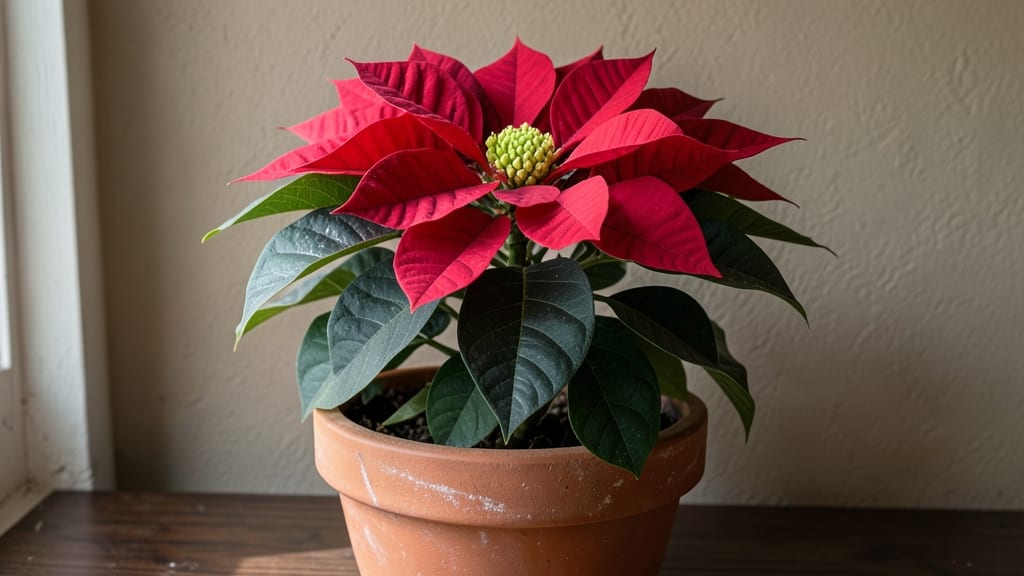
December month flower care starts with poinsettias—those vibrant holiday stars that turn any space into a festive wonderland. 🌟 I’ve kept mine looking showy for years by mastering the light, water, and temperature tricks most people miss.
The secret isn’t complicated: it’s about understanding what these plants really need during the darkest month.
Your poinsettia thrives with bright, indirect light—think 6-8 hours daily—and cooler nights (around 60°F). Overwatering is the silent killer, so let the top inch of soil dry out between drinks.
Most people drown them thinking they’re tropical, but poinsettias hate soggy roots. With the right care, those bold reds and whites stay lush well into January.
What you’ll end up with is a plant that doesn’t just survive December—it shines through it. The glossy leaves stay vibrant, the bracts stay deep in color, and you avoid the sad, leggy look that ruins holiday photos.
Plus, you’ll learn how to coax next year’s blooms from this one plant, turning a seasonal beauty into a year-round keeper.
Works for indoor spaces, balconies, or even as a gift that keeps giving. Here’s how to keep yours thriving when everyone else’s fades by New Year’s.
📚 In This Guide
- What you need
- Instructions
- Tips and common mistakes
- Wrapping up and next steps
What you need
- ● Poinsettia plant(s) – Choose healthy plants with vibrant red, pink, white, or even variegated bracts (the colorful "petals"). Look for ones with firm stems and lush foliage.
- ● Well-draining potting mix – A blend of peat moss, perlite, and compost (e.g., 50% peat, 30% perlite, 20% compost) works best. Avoid heavy garden soil.
- ● 6- to 8-inch pots – Ensure pots have drainage holes to prevent root rot. Plastic or terracotta pots work well.
- ● Balanced liquid fertilizer – A 20-20-20 or 10-10-10 NPK ratio fertilizer, diluted to half-strength for feeding.
- ● Watering can with a narrow spout – Helps direct water to the soil without wetting the leaves.
- ● Misting bottle or spray nozzle – Keeps humidity levels up, especially in dry indoor environments.
- ● Pruning shears or sharp scissors – For trimming leggy stems and shaping the plant.
- ● Aluminum foil or black plastic wrap – Used to cover the plant for 14-hour dark periods (more on this later!).
- ● Grow lights (LED or fluorescent) – If your poinsettia isn’t getting enough natural light (6+ hours of bright, indirect light daily).
- ● Humidity tray or pebble tray – Adds moisture to the air, especially useful in dry climates.
- ● Plant food or slow-release fertilizer granules – For a low-maintenance nutrient boost over time.
- ● Decorative pots or holiday-themed planters – Elevate your poinsettia’s festive flair!
- ● Thermometer/hygrometer – Monitors temperature (ideal: 60–70°F) and humidity (aim for 40–50%).
Step-by-step guide to keeping your poinsettia vibrant all holiday season
Here’s how I’ve kept my poinsettias looking fresh through December and beyond—no wilting, no browning, just bold color.
💧 Step 1: Water Only When Soil Feels Dry
Poinsettias hate soggy roots but won’t tolerate dry soil either. Stick your finger 1 inch deep into the soil—if it feels dry, it’s time to water. Pour water slowly until it drains from the bottom, then empty the saucer after 10 minutes. Overwatering causes those dreaded yellow leaves, while underwatering makes them crispy.
Here’s the thing—poinsettias store water in their stems, so they’ll look fine for a few days even if you forget. But don’t let them sit in waterlogged soil for more than 24 hours. I water mine every 3-4 days in December, but adjust based on your home’s warmth and humidity.
☀️ Step 2: Place Near Bright, Indirect Light
Poinsettias need 6-8 hours of bright, indirect light daily—think east or north-facing windows. Direct sun scorches the leaves, while dim light stretches stems and fades colors. If your home is dim, supplement with a grow light kept 12-18 inches away for 12 hours a day.
Watch for these signs: Leaves turning pale yellow? Too much sun. Stems stretching tall and leggy? Not enough light. I rotate my poinsettia a quarter turn every few days so it grows evenly—no lopsided color or weak spots.
🪴 Step 3: Keep Temperatures Steady and Humid
Poinsettias thrive in 65-75°F during the day and 55-60°F at night. Drafts from doors or windows make them drop leaves fast. Avoid placing them near heaters or air conditioners—temperature swings stress them out.
Humidity matters too. If your home feels dry (like most indoor spaces in winter), mist the leaves lightly 2-3 times a week or set the pot on a tray of pebbles with water. Just don’t let the pot sit in standing water—root rot is the silent killer of holiday plants.
✂️ Step 4: Prune and Fertilize for Next Year’s Blooms
After the holidays, cut back stems to 4-6 inches above the soil. This encourages bushier growth for next December’s flowers. Use clean pruners and make cuts at a 45-degree angle just above a leaf node. Don’t skip this—it’s how you get that full, lush poinsettia again.
Feed with a balanced liquid fertilizer (like 10-10-10) every 4-6 weeks from spring through summer. Stop fertilizing in fall to let the plant focus on setting buds. I swear by this routine—my poinsettias bloom brighter every year because I start early.
Tips & tricks for perfect poinsettia care
Common pitfalls—and how to sidestep every one—so your poinsettia stays vibrant through the holidays.
Lighting Secret: The 6-8 hours of bright, indirect light is non-negotiable for those deep red hues. If your windows aren't cutting it, invest in a basic LED grow light—I use a 12-inch distance as my rule of thumb. Pro tip: Move your poinsettia a quarter turn daily to prevent lopsided growth from leaning toward one light source. Uneven light exposure is what causes those pale yellow patches on one side.
Temperature Matters: Those 65-75°F daytime temps and 55-60°F nights are your sweet spot. Here's what I do when my thermostat gets finicky: Place your poinsettia on a stable surface away from heating vents or drafty windows. I've seen leaves drop overnight when plants sit near open windows—especially when cold air rushes in during holiday gatherings. A simple trick? Use a small space heater with a thermostat set to 65°F if your room runs cooler than that.
Watering Wisdom: The 10-minute drain time after watering is crucial—it prevents those root-rot nightmares. I've ruined three poinsettias this way before learning this lesson. Use a pot with drainage holes (even if it's not the prettiest), and always check the saucer after watering. If you're traveling, group your plants together—they'll create their own microclimate with higher humidity, buying you an extra day or two without water.
Pruning Payoff: That 4-6 inch cut back after the holidays might seem drastic, but it's what transforms a leggy plant into next year's showstopper. Use clean pruners and make your cuts at a 45-degree angle—this prevents water from pooling on the wound. I've found that pinching off the top set of leaves right after blooms fade encourages even more branching. It's counterintuitive, but those new shoots will give you a fuller plant by December.
Pro Tips for December Month Flower
- Common pitfalls—and how to sidestep every one—so your poinsettia stays vibrant through the holidays.
- Lighting Secret: The 6-8 hours of bright, indirect light is non-negotiable for those deep red hues.
- Temperature Matters: Those 65-75°F daytime temps and 55-60°F nights are your sweet spot.
Frequently asked questions
Got questions about December’s star flower, the poinsettia? Here are answers to the most common ones—so you can keep your holiday blooms vibrant and healthy!
Why do my poinsettia leaves turn yellow or drop?
Yellowing or dropping leaves are usually signs of overwatering or underwatering. Check the soil—it should be slightly moist but not soggy. Also, avoid drafts (like cold windows) or sudden temperature swings, which stress the plant. If leaves drop early, it’s often due to poor lighting or shock from buying a pre-stressed plant.
Can I keep my poinsettia alive after December?
With the right care, poinsettias can thrive for years. Move them to a bright, indirect spot (like an east-facing window) and reduce watering once leaves drop. In late winter, trim leggy stems and fertilize lightly. They’ll reward you with colorful blooms next December!
What’s the best way to make my poinsettia rebloom?
Reblooming requires 12+ hours of darkness daily for 6–8 weeks (starting in October). Use a box or tent to cover the plant from 5 PM to 8 AM—no light leaks! Keep temps between 60–70°F and water moderately. Consistency is key—skip this, and you’ll get just one cycle of color.
Are poinsettias toxic to pets?
Yes, poinsettias are mildly toxic to cats and dogs if ingested. They can cause mouth irritation, vomiting, or drooling, but they’re not life-threatening. Keep them out of reach, and call your vet if your pet nibbles. Opt for pet-safe alternatives like African violets or spider plants if needed.
Can I grow a poinsettia from a cutting?
It’s possible but tricky! Take a 4–6 inch cutting below a leaf node, dip it in rooting hormone, and plant it in moist soil. Cover with a plastic bag to retain humidity and place in bright, indirect light. Roots may take 4–6 weeks—be patient! Once rooted, treat it like a mature plant for blooming.
Wrapping up and next steps
December’s poinsettia isn’t just a festive centerpiece—it’s a symbol of holiday joy and vibrant color! 🎄 With the right care, you can keep its bold hues glowing long after the season. Remember: bright light, moderate water, and a cozy spot are your best friends for a thriving plant.
Ready to elevate your holiday decor? Start by gifting (or keeping!) a poinsettia this year—and share these care tips with fellow plant lovers. Who knows? You might just inspire someone to fall in love with December’s star flower too!