
Orchid Care
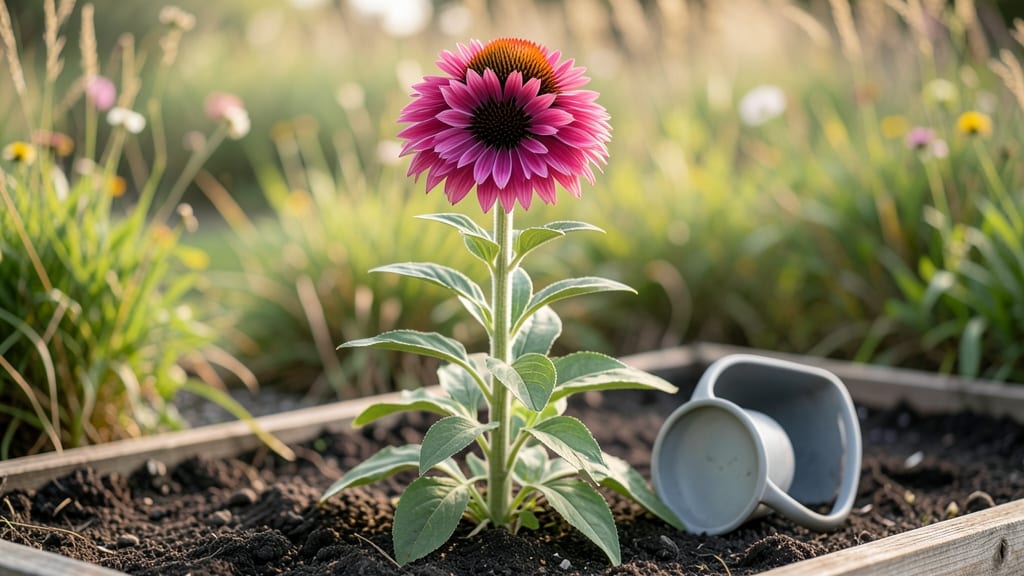
Growing double scoop coneflower means your garden stays vibrant even when frost paints the air. 🌿 These frost-resistant blooms defy winter's chill, rewarding you with bold, layered petals that hummingbirds and bees adore.
My first batch surprised me—still standing tall after a late-season freeze, their centers packed with seeds for next year's show.
The secret lies in their adaptability: they thrive in average garden soil, need just 6 hours of sun daily, and handle drought once established. Plant them in spring or fall, spacing 18-24 inches apart, and watch them multiply over time.
Their deep roots make them low-maintenance, but they'll reward you with 3-4 inches of cheerful blooms from midsummer through fall.
You'll love how they attract pollinators while adding texture to borders or meadow-style plantings. The double-layered petals make them stand out in any setting, and their long vase life means fresh-cut flowers for indoor arrangements too. Just be patient—full bloom takes about 90 days from planting.
Perfect for beginners and experienced gardeners alike, these tough perennials handle everything from deer browsing to urban heat islands. With minimal care, you'll enjoy their striking presence for years—some plants live for decades. Ready to add some frost-proof beauty to your landscape?
📚 In This Guide
- What you need
- Instructions
- Tips and common mistakes
- Wrapping up and next steps
What you need
- ● Double scoop coneflower seeds or nursery-grown plants: Seeds: 1–2 packets (50–100 seeds per packet) for direct sowing
- ● Plants: 3–5 mature plants (3–4" pots) for transplanting
- ● Well-draining soil: 1 cubic yard of native prairie mix or garden loam amended with compost (pH 6.0–7.5)
- ○ Perlite or sand (optional, for improving drainage)
- ● Sunlight access: Full sun (6+ hours/day) for optimal blooms
- ● Watering supplies: Watering can or hose with a gentle spray nozzle
- ● Garden tools: Trowel or hand shovel
- ● Garden fork (for loosening soil)
- ● Pruners (for deadheading)
- ○ Fertilizer (optional): Low-phosphorus, slow-release fertilizer (e.g., 10-10-10 or 5-5-5) for established plants
- ● Mulch: 2–3 inches of organic mulch (e.g., straw or shredded leaves) to retain moisture
- ○ Container gardening (optional): 5-gallon pots with drainage holes (for patio or balcony growing)
Step-by-step guide to planting and caring for double scoop coneflower
Here's the foolproof method I've used to grow hardy, frost-tolerant coneflowers that bloom reliably from spring to fall.
🌱 Step 1: Choose the Perfect Planting Location
Double Scoop Coneflowers thrive in full sun—at least 6-8 hours daily—but tolerate partial shade in hot climates. I always pick a spot with well-draining soil since they hate soggy roots. If your soil is heavy clay, mix in 2-3 inches of compost before planting to improve drainage.
Dig a hole twice as wide as the root ball but only as deep. This prevents burying the crown too deep, which can cause rot. Gently loosen the roots if they're circling tightly in the container—this encourages outward growth instead of strangling itself.
☀️ Step 2: Plant at the Right Time and Depth
Spring or early fall are ideal planting times. In colder zones, you can even plant in late summer—these plants handle frost like a champ. Space them 18-24 inches apart for mature size, giving them room to spread without overcrowding.
Place the plant so the top of the root ball sits level with the soil surface. Press the surrounding soil firmly to eliminate air pockets, then water deeply until moisture reaches 6 inches down. Mulch with 2-3 inches of organic mulch to retain moisture and regulate soil temperature.
💧 Step 3: Water Deeply and Maintain Consistent Moisture
Water once a week during the first growing season, providing 1-1.5 inches of water each time. Let the top 2 inches of soil dry out between waterings—this prevents fungal diseases while keeping roots hydrated. Overwatering is the #1 killer of coneflowers, so resist the urge to water daily.
Once established, these plants are drought-tolerant and need water only during prolonged dry spells. You'll know they're happy when they produce strong, upright stems and vibrant purple-pink blooms that last from midsummer to frost.
✂️ Step 4: Prune for Longer Blooming and Pest Control
Deadhead spent blooms in early fall to encourage a second flush of flowers. I snip off the faded flower heads with clean pruners, cutting just above the first set of healthy leaves. This redirecting energy to new growth instead of seed production.
In late winter or early spring, cut back the entire plant to 4-6 inches above the ground. This removes dead foliage and encourages fresh, vigorous growth. The plants bounce back quickly and often produce blooms the same season.
🪴 Step 5: Fertilize Lightly for Healthy Growth
Use a balanced, slow-release fertilizer (10-10-10) in early spring when new growth appears. Apply only ½ the recommended dose—coneflowers don't need much food to thrive. Over-fertilizing leads to weak stems and fewer blooms.
I also top-dress with 1-2 inches of compost in early spring and again after the first flush of blooms. This provides steady nutrients without risking root burn. Avoid high-nitrogen fertilizers—they promote leafy growth at the expense of flowers.
Tips & tricks for perfect double scoop coneflower growth
These hard-won insights will help you cultivate coneflowers that outperform even the hardiest perennials in your garden.
Sunlight Strategy: While 6-8 hours of full sun is ideal, don't despair if your site gets less. In hotter climates, I've seen Double Scoop Coneflowers thrive with just 4-5 hours of morning sun and afternoon shade—they'll just produce slightly smaller blooms. The key is avoiding intense afternoon heat that can stress the plants. For maximum performance, position them where they'll catch that golden morning light.
Soil Preparation Secret: The 2-3 inches of compost recommendation isn't just about drainage—it's about creating the perfect microbial environment. I like to mix in a handful of mycelium-rich soil or worm castings along with the compost. This jumpstarts beneficial fungi and bacteria that help the roots establish quickly. Think of it as giving your coneflowers a probiotic boost right from planting.
Watering Wisdom: That 1-1.5 inches per week guideline works perfectly, but timing matters more than quantity. I water deeply in the morning between 6-8 AM when evaporation rates are lowest. This gives the roots time to absorb moisture before the heat of the day. A simple soil probe test—pushing a screwdriver into the soil—helps verify you're reaching that 6-inch moisture depth without overdoing it.
Pruning Precision: When cutting back to 4-6 inches in late winter, I use clean, sharp pruners and make cuts at a 45-degree angle just above a leaf node. This creates a larger surface for water absorption and prevents the cut from sitting exposed to air and potential rot. The angled cut also helps rainwater run off rather than pool on the stem.
Pro Tips for Double Scoop Coneflower
- These hard-won insights will help you cultivate coneflowers that outperform even the hardiest perennials in your garden.
- Sunlight Strategy: While 6-8 hours of full sun is ideal, don't despair if your site gets less.
- Soil Preparation Secret: The 2-3 inches of compost recommendation isn't just about drainage—it's about creating the perfect microbial environment.
Frequently asked questions
Got questions about growing double scoop coneflower? You’re not alone! Here are answers to the most common queries to help you cultivate these stunning perennials with ease.
How cold-hardy is double scoop coneflower?
This variety is extremely frost-resistant, thriving in USDA Zones 3-9. It handles winter temperatures down to -40°F (-40°C) and often returns year after year with minimal care. Just ensure well-draining soil to prevent root rot in heavy winters.
When is the best time to plant double scoop coneflower?
Plant in early spring (after the last frost) or early fall (6-8 weeks before the first frost). Spring planting gives roots time to establish before summer heat, while fall planting lets them settle before winter dormancy. Avoid planting in extreme heat or cold.
Can I grow double scoop coneflower in containers?
Yes! Use a 12-inch or larger pot with well-draining soil and ensure it has drainage holes. Containers dry out faster, so water regularly during the growing season. Place in full sun for best blooms, and overwinter indoors (or in a garage) if temperatures drop below 20°F (-7°C).
Why aren’t my double scoop coneflowers blooming?
Common culprits include overcrowding (divide clumps every 3-4 years), poor soil (amend with compost), or too much shade (they need 6+ hours of sun). Deadhead spent blooms to encourage reblooming, and fertilize lightly in spring with a balanced 10-10-10 formula.
What are some low-maintenance alternatives to double scoop coneflower?
If you want similar drought-tolerant, pollinator-friendly perennials, try:
- Black-eyed Susan (Rudbeckia hirta) – Bright yellow blooms, thrives in poor soil.
- Purple Coneflower (Echinacea purpurea) – Classic pollinator magnet, deer-resistant.
- Russian Sage (Perovskia atriplicifolia) – Silvery foliage, drought-proof, and long-lasting blooms.
- Daylilies (Hemerocallis) – Hardy, colorful, and adaptable to many conditions.
Wrapping up and next steps
Growing double scoop coneflower is a rewarding journey that brings vibrant color and resilience to your garden—even in colder climates! 🌱 With the right soil, sunlight, and a little patience, these hardy perennials will flourish year after year, offering stunning blooms and attracting pollinators.
Whether you're a seasoned gardener or just starting, their low-maintenance nature makes them a perfect addition to any outdoor space.
Ready to double down on success? Grab your gloves, mark your calendar for planting season, and watch your garden transform into a pollinator paradise. Start small, experiment, and enjoy the process! 🌸