
Flowers
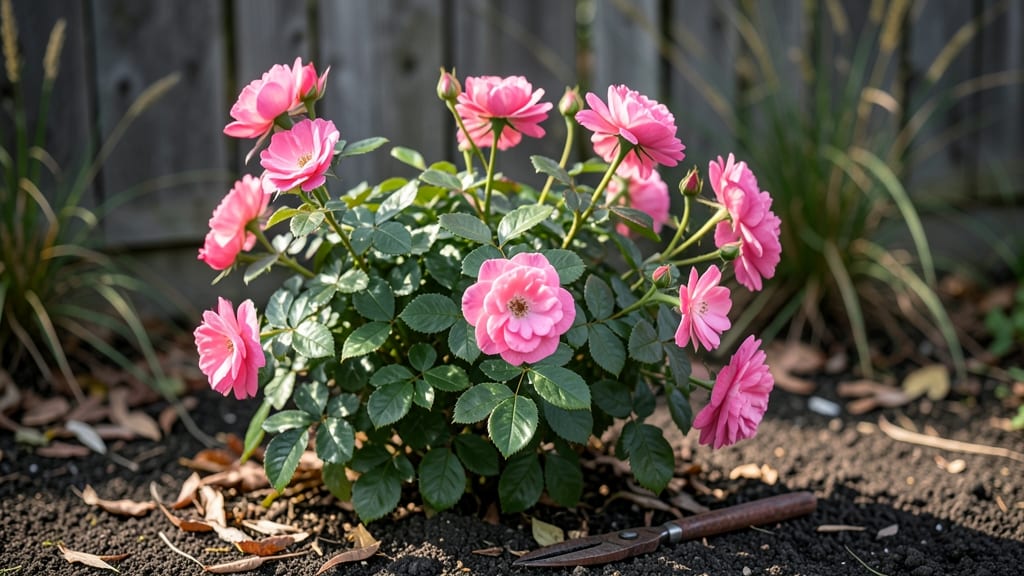
Flowers in soil aren’t just about sticking seeds in dirt and hoping for the best—they’re about creating the perfect foundation where roots can thrive and blooms can flourish. 🌸 I learned this the hard way after my first garden season, when my petunias wilted despite my best intentions.
The secret lies in soil that breathes, drains, and holds just enough moisture to support growth without drowning roots.
Start with the right mix: most flowers need a blend of 60% topsoil, 30% compost, and 10% perlite or sand for drainage. Test your soil’s pH—most flowers prefer 6.0 to 7.0, though acid-loving plants like azaleas need something closer to 5.0.
A simple soil test kit (or even a DIY vinegar/baking soda test) saves you from guesswork and wasted plants.
Once planted, consistency is key. Water deeply once a week (or more in heatwaves) rather than shallow daily doses, and mulch to keep moisture locked in.
You’ll see the first signs of success in 2-4 weeks: vibrant green leaves, then buds that swell into bold, long-lasting blooms—no black thumb required.
This method works for containers, raised beds, or in-ground gardens, and adapts to nearly any climate. Even apartment balconies can host thriving flowers with the right soil prep. Let’s get those roots growing!
📚 In This Guide
- What you need
- Instructions
- Tips and common mistakes
- Wrapping up and next steps
What you need
- ● Flower Seeds or Seedlings: Choose easy-to-grow varieties like marigolds, sunflowers, or petunias (3–5 plants per pot or 10–15 seeds per square foot for in-ground planting).
- ● Organic seeds (non-GMO preferred) for best results.
- ● Potting Soil or Garden Soil: Well-draining potting mix (5–10 lbs for containers; 2–3 cubic feet for in-ground beds).
- ○ Optional: Mix in compost (1 part compost to 3 parts soil) for nutrient-rich growth.
- ● Containers or Garden Bed: Containers: 5–7 inch diameter pots (1 per plant) with drainage holes.
- ● In-ground: A sunny spot (6+ hours of light) with loose, fertile soil.
- ● Watering Can or Hose: Spray nozzle or gentle watering can to avoid displacing soil.
- ○ Fertilizer (Optional but Recommended): Slow-release granular fertilizer (e.g., 10-10-10 NPK) or liquid bloom booster (follow package rates).
- ● Gloves (to protect hands from soil and thorns).
- ● Trowel or Small Shovel (for transplanting or loosening soil).
- ● Mulch (straw or shredded bark to retain moisture).
- ● Plant Labels (if growing multiple varieties).
- ● Pruning Shears (for deadheading or shaping plants).
- ● Check your USDA Hardiness Zone (most flowers thrive in Zones 3–10).
- ● Know your last frost date (seed packets provide planting windows!).
- ● Ensure access to 6+ hours of sunlight daily (adjust for shade-loving flowers like impatiens).
Step-by-step guide to cultivating year-round blooms in garden beds
Here’s how to create a thriving, low-maintenance flower garden that delivers continuous color.
🌱 Step 1: Prepare the Soil for Season-Long Success
Start by testing your soil’s pH and nutrient levels—most flowers thrive in 6.0-7.0 pH and well-draining soil. If your soil is heavy clay or sandy, amend it with 2-3 inches of compost mixed into the top 12 inches. This improves aeration and moisture retention without compacting.
For nutrient-rich blooms, incorporate 1 cup of 10-10-10 fertilizer per 100 square feet of bed. Work it into the soil before planting, but avoid overdoing it—excess nitrogen encourages leafy growth at the expense of flowers. A light raking afterward levels the surface and removes debris that could harbor pests.
☀️ Step 2: Select and Plant Flowers for Continuous Color
Choose a mix of annuals, perennials, and biennials to ensure blooms year-round. For example, plant pansies (cool-season) alongside marigolds (warm-season) and coreopsis (perennial). Space plants according to their mature size—12-18 inches apart for most flowers—to prevent overcrowding and improve airflow.
Dig holes twice as wide as the root ball but no deeper. Gently remove plants from containers, tease apart roots if pot-bound, and place them in the hole so the top of the root ball sits flush with soil level. Press soil firmly around the base to eliminate air pockets, then water deeply to settle everything.
💧 Step 3: Establish a Watering Routine for Resilient Growth
Water deeply once or twice a week, depending on rainfall, to encourage strong root systems. Aim for 1 inch of water per week, delivered in the early morning to reduce evaporation and fungal risks. Use a soaker hose or drip irrigation to target roots directly—this prevents leaf wetness that invites disease.
Mulch with 2-3 inches of organic mulch (like shredded bark) to retain moisture, suppress weeds, and regulate soil temperature. Keep mulch 2 inches away from stems to avoid rot. In hot climates, reapply mulch annually; in cooler regions, it may last two seasons before breaking down.
✂️ Step 4: Prune and Maintain for Prolonged Blooming
Deadhead spent blooms weekly to redirect energy into new flowers. For perennials, cut back one-third of the foliage in early spring to stimulate fresh growth. Avoid heavy pruning in fall—this can weaken plants before winter dormancy. Instead, trim only dead or damaged stems.
Fertilize lightly every 6-8 weeks with a balanced, slow-release formula (like 10-10-10) during the growing season. Over-fertilizing leads to lush leaves but fewer blooms. Watch for yellowing leaves—a sign of overfeeding or nutrient imbalance—and adjust accordingly.
⏰ Step 5: Adjust Care for Seasonal Transitions
In fall, reduce watering slightly as temperatures drop, but keep soil moist enough to prevent dormancy stress. For tender perennials, apply a 2-inch layer of mulch to insulate roots through winter. In spring, remove old mulch and replace it with fresh to avoid smothering new growth.
Monitor for pests like aphids or powdery mildew—neem oil or insecticidal soap are effective organic treatments. If leaves yellow between veins, it’s likely a nutrient deficiency (usually iron or magnesium). Apply a chelated iron supplement or Epsom salt (1 tablespoon per gallon of water) to correct it.
Tips & tricks for perfect year-round flower gardens
Took me years to figure out the secrets behind gardens that bloom reliably—here’s what actually works.
Soil Prep Secret: The 6.0-7.0 pH range is non-negotiable for vibrant blooms, but don’t just test—act! If your soil tests high, mix in 2-3 inches of compost into the top 12 inches and let it sit for 2 weeks before planting. This gives beneficial microbes time to colonize and break down organic matter. Pro tip: Sprinkle a handful of wood ash (from untreated wood) for alkaline soils to naturally raise pH by 0.5-1.0 points over time.
Planting Precision: When digging holes twice as wide as the root ball, use a trowel to loosen the sides vertically—this encourages roots to spread outward rather than circling. Press soil firmly around the base to eliminate air pockets, then water deeply until moisture reaches 6 inches down. The key is getting that root ball settled properly from day one, or you’ll deal with transplant shock later.
Watering Wisdom: That 1 inch per week target is perfect, but timing matters just as much. Early morning watering (before 9 AM) prevents fungal diseases by letting foliage dry quickly. For container gardens, weigh pots after watering—when they’re 20% lighter, it’s time to water again. This method eliminates guesswork and keeps roots consistently moist without overwatering.
Seasonal Transition Strategy: In fall, don’t just reduce watering—adjust your schedule. Water every 10-14 days instead of weekly, and always check soil moisture 2 inches down with your finger. For tender perennials, that 2-inch mulch layer is your winter insulation. In spring, remove old mulch before new growth appears—smothered shoots won’t survive.
Pro Tips for Flower In Soil
- Took me years to figure out the secrets behind gardens that bloom reliably—here’s what actually works.
- Soil Prep Secret: The 6.0-7.0 pH range is non-negotiable for vibrant blooms, but don’t just test—act!
- Planting Precision: When digging holes twice as wide as the root ball, use a trowel to loosen the sides vertically—this encourages roots to spread outward rather than circling.
Frequently asked questions
Got questions about growing flowers in soil? You’re not alone! Here are some of the most common concerns—plus simple solutions to keep your garden thriving with minimal fuss.
What’s the easiest type of flower to grow in soil for beginners?
Start with sun-loving annuals like marigolds, zinnias, or petunias—they’re hardy, fast-growing, and forgive mistakes. For perennials, try black-eyed Susans or coneflowers; they return yearly with almost no effort. Pro tip: Avoid fussy plants like orchids or tropicals unless you’re ready to mimic their native climates!
How long does it take for flowers to grow in soil?
Most annuals bloom in 6–12 weeks from seed, while perennials may take 6–12 months to establish and flower. Fastest bloomers? Cosmos and nasturtiums can pop up in as little as 4–6 weeks. Patience pays off—just keep the soil moist (but not soggy) until roots develop!
How often should I water flowers planted in soil?
Water deeply 1–2 times per week, aiming for 1 inch of water per week (adjust for rain). Morning watering is best to reduce evaporation and fungal risks. Signs of overwatering: Yellow leaves, moldy soil, or flowers wilting despite damp earth. Signs of underwatering: Crispy edges or drooping petals.
Can I grow flowers in poor-quality soil?
Amend your soil with compost or aged manure (2–3 inches mixed into the top 6–12 inches) to boost nutrients. For sandy soil, add organic matter like peat moss; for clay soil, mix in perlite or coconut coir. Quick fix: Use raised beds or containers with high-quality potting mix if your native soil is rocky or compacted.
What do I do if my flowers aren’t blooming?
Check these fixes:
- Light: Most flowers need 6+ hours of sun daily—move them to a sunnier spot.
- Nutrients: Feed with a balanced fertilizer (10-10-10) every 4–6 weeks.
- Deadheading: Snip spent blooms to encourage new flowers.
- Overcrowding: Thin seedlings or divide mature plants for better airflow.
Wrapping up and next steps
Growing a flower in soil is simpler than you think—even for busy gardeners! With the right container, soil mix, and a little sunlight, you can enjoy vibrant blooms year-round. Remember, consistency in watering and occasional pruning are your best friends for a thriving garden. 🌸
Ready to turn your green thumb into a flourishing one? Start small: grab a single plant, follow the tips above, and watch your confidence (and blooms!) grow. What’s one flower you’ll try first?