
Blooming
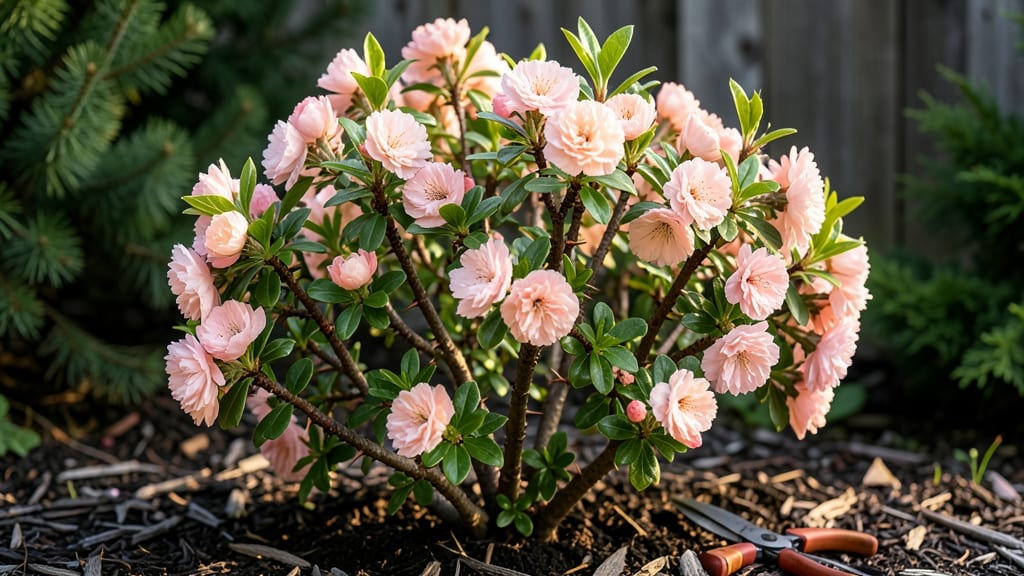
That Double Take peach flowering quince is the unsung hero of early spring gardens—bursting with pink blossoms that smell like cotton candy and candy apples all at once. 🌸 I planted mine last April, and by May, neighbors were stopping to ask what I'd done to "make the whole yard smell so good."
The secret? This shrub thrives on neglect, blooms before most roses even wake up, and handles drought like a champ once established.
You don’t need fancy soil—just a spot with 6+ hours of sun and well-draining ground. Mine lives in a partially shaded corner with rocky soil, and it’s happier than my prize-winning roses.
Water it once a week after planting, then forget about it. Prune in late winter to shape it, and you’ll get three weeks of nonstop fragrance that hummingbirds can’t resist.
The real magic happens when it’s covered in blooms and you can’t tell where the shrub ends and the air begins. It’s the kind of plant that makes you want to sit under it with a book and stay there all day.
Plus, the edible fruit (yes, really!) adds a tart twist to jams—though most people plant it just for the show.
Works in zones 5-8, handles urban pollution better than most, and even deer usually leave it alone. Once you’ve got one, you’ll wonder why you didn’t plant it years ago. Let’s get yours growing!
📚 In This Guide
- What you need
- Instructions
- Tips and common mistakes
- Wrapping up and next steps
What you need
- ● Double Take Peach Flowering Quince: 1-3 plants (bare-root, container-grown, or seeds—see notes below)
- ● Note: Bare-root plants are ideal for spring planting; container-grown offer flexibility year-round.
- ● Well-draining soil: Mix of native soil + compost (or potting mix for containers). Aim for a pH of 6.0–7.0.
- ● Organic mulch: 2–3 inches of wood chips or shredded bark to retain moisture and suppress weeds.
- ● Slow-release fertilizer: 10-10-10 or similar (apply at planting and again in early spring).
- ● Garden trowel or spade (for digging)
- ● Gloves (to protect your hands from thorns!)
- ● Watering can or hose with a gentle spray nozzle
- ○ Optional but helpful: Pruning shears (for shaping after flowering)
- ● Soil pH test kit (to ensure optimal growing conditions)
- ● Container (15–20 gallons) if growing in pots
- ● Full sun to partial shade (6+ hours of sunlight daily for best blooms).
- ● Space! These shrubs grow 8–10 feet wide and tall—plan accordingly.
- ● Patience: Flowering quince can take 2–3 years to reach full bloom potential.
Step-by-step guide to planting and caring for Double Take peach flowering quince
Here's how to establish this fragrant, low-maintenance shrub for years of effortless spring blooms.
🌱 Step 1: Choose the Perfect Planting Spot
Find a location with full sun to partial shade—at least 6 hours of sunlight daily—where the soil drains well. Double Take thrives in well-amended ground with a pH between 6.0 and 7.0, though it tolerates a range. Avoid low spots where water pools after rain.
I dig a hole twice as wide as the root ball but only as deep—planting too deep buries the graft union and weakens the plant. Loosen the roots slightly if they’re circling in the container, then place the shrub so the top of the root ball sits 1 inch above ground level. This prevents rot while allowing for settling.
☀️ Step 2: Plant and Water for Immediate Support
Backfill the hole with native soil mixed with 2-3 inches of compost (use the 4 cubic feet you’ve prepped). Water deeply as you fill, tamping down gently to remove air pockets. The soil should settle naturally—don’t pack it too firmly, or roots will struggle to expand.
After planting, water deeply again until moisture reaches 12 inches down. You’ll see the soil surface darken and bubbles rise—this confirms proper saturation. Mulch with 3 inches of organic mulch (like shredded bark) around the base, keeping it 3 inches away from the trunk to prevent rot. This conserves moisture and keeps roots cool.
💧 Step 3: Establish a Watering Routine
Water once a week during the first growing season, providing 1 gallon per plant each time. Double Take is drought-tolerant once established, but young plants need consistent moisture to root deeply. Check soil moisture by sticking your finger 2 inches down—if it feels dry, water again.
Here’s the thing—overwatering is the real enemy. Yellowing leaves or wilting despite damp soil signals root rot. If you notice this, reduce watering and ensure the mulch isn’t smothering the base. Once the shrub reaches 3 feet tall, it’ll handle dry spells with ease.
✂️ Step 4: Prune for Shape and Health
Prune late winter or early spring before new growth begins. Remove dead, diseased, or crossing branches first—these compete for energy and invite pests. Cut just above a bud or lateral branch to encourage outward growth. Double Take’s natural shape is compact, so minimal pruning keeps it tidy.
If your shrub grows leggy, prune back one-third of the oldest stems to the ground in late winter. This rejuvenates growth and promotes bushier, more floriferous branches. Avoid heavy pruning after flowering—you’ll sacrifice next year’s blooms.
🌿 Step 5: Feed and Protect for Long-Term Beauty
Apply a balanced 10-10-10 fertilizer in early spring, using ½ cup per plant. This gives Double Take the nutrients it needs for vibrant blooms without overfeeding. Water thoroughly after applying to help granules reach the roots.
While Double Take is disease-resistant, watch for aphids or spider mites on new growth. Spray with neem oil if you spot clusters of tiny insects. The shrub’s fragrant flowers naturally deter many pests, but occasional checks keep it thriving. With proper care, your Double Take will reward you with pink-and-white blooms for decades.
Tips & tricks for perfect Double Take peach flowering quince
Here's what nobody tells you—these tricks will help your Double Take thrive without the guesswork.
Location is Everything: That 6 hours of sunlight is non-negotiable for vibrant blooms. I always check sunlight patterns throughout the day—morning sun is ideal, but afternoon shade helps in hot climates. Avoid spots where cars or buildings cast shadows for most of the day, as this can stress the plant prematurely.
The Planting Depth Secret: When you're placing your shrub in the hole, that 1 inch above ground level matters more than you think. The graft union (where the top and rootstock meet) should be clearly visible above soil level. If buried, it can rot and kill your plant. I use a small stake to mark the correct depth before planting to avoid mistakes.
Watering Wisdom: That first deep watering after planting is critical—aim for moisture reaching 12 inches down. I test this by pushing a long screwdriver into the soil; if it comes out clean, you're good. Overwatering is the silent killer here, so always check soil moisture 2 inches down before watering again during the first year.
Pruning Pro Tip: When you're pruning those leggy stems in late winter, cut back to just above a bud or lateral branch. This encourages outward growth rather than tall, sparse branches. I like to prune on a dry day when the plant is dormant—this reduces stress and gives you a clear view of what to remove.
Pro Tips for Double Take Peach Flowering Quince
- Here's what nobody tells you—these tricks will help your Double Take thrive without the guesswork.
- Location is Everything: That 6 hours of sunlight is non-negotiable for vibrant blooms.
- The Planting Depth Secret: When you're placing your shrub in the hole, that 1 inch above ground level matters more than you think.
Frequently asked questions
Got questions about the Double Take Peach Flowering Quince? You’re not alone! Here are answers to the most common queries from gardeners eager to grow this fragrant, low-maintenance beauty.
How long does it take for Double Take Peach Flowering Quince to bloom after planting?
The first flowers typically appear within 2–3 years of planting, though some may bloom sooner in ideal conditions. Patience pays off—once established, it rewards you with prolific, fragrant blooms in early spring for decades!
Is Double Take Peach Flowering Quince deer-resistant? Can rabbits or other pests bother it?
While not fully deer-proof, this quince is less appealing than many shrubs due to its bitter leaves. However, rabbits and deer may nibble young plants. Protect seedlings with wire mesh or repellent sprays until established. Mature shrubs rarely face serious damage.
Can I grow Double Take Peach Flowering Quince in a container? What’s the best pot size?
Yes! This quince thrives in containers with at least 15–20 gallons of soil (a 24-inch diameter pot works well). Ensure drainage holes and use a well-draining potting mix. Move pots to partial shade in summer to prevent stress.
Why isn’t my Double Take Peach Flowering Quince blooming? Troubleshooting tips?
Common culprits include:
- Too much shade – Needs 6+ hours of sun for best blooms.
- Over-fertilizing with nitrogen – Use a balanced 10-10-10 fertilizer in early spring instead.
- Young age – It may take 2–3 years to establish blooming.
- Pruning at the wrong time – Avoid heavy cuts after mid-summer.
Are there any alternatives to Double Take if I want similar fragrance but fewer thorns?
If thorns are a concern, consider:
- Chaenomeles speciosa ‘Nivalis’ – Thornless, white blooms, equally fragrant.
- Philadelphus (Mock Orange) – Smooth stems, intense fragrance, but shorter-lived.
- Deutzia – Delicate clusters, fewer thorns, but slightly less hardy.
Does Double Take Peach Flowering Quince attract pollinators like bees?
Its bright pink blooms and sweet fragrance are a magnet for bees, butterflies, and hummingbirds in early spring. Plant it near native perennials to create a pollinator paradise.
Wrapping up and next steps
The Double Take Peach Flowering Quince isn’t just a pretty face—it’s a fragrant, low-maintenance superstar for any garden or patio! With its stunning blooms, sweet scent, and resilience, it’s the perfect choice for gardeners who crave beauty without the fuss.
Whether you’re a seasoned green thumb or a beginner, this plant proves that easy care doesn’t mean sacrificing showstopping results.
Ready to add a splash of spring color to your space? Grab your gloves, pick a sunny spot, and get planting! Your future self—and your nose—will thank you. 🌸✨