
Shrubs
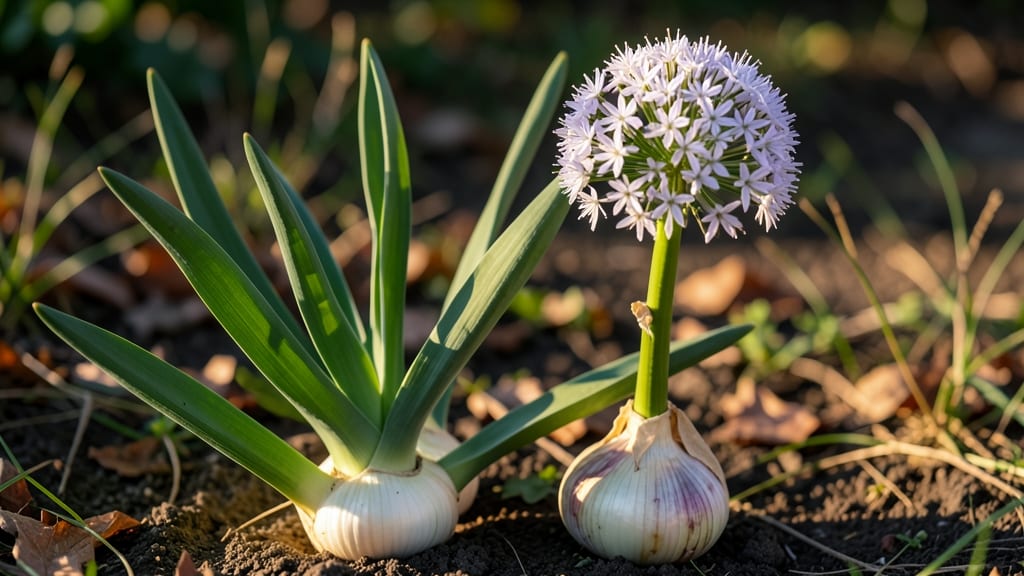
Elephant garlic flowering might seem like a nuisance, but those tall stalks are actually a sign of a thriving plant—and understanding them is the secret to bigger bulbs year after year. 🌱 I’ve learned that removing flower stalks isn’t always necessary, and sometimes letting them bloom can actually improve next season’s harvest.
The key is knowing when to act and when to let nature take its course.
Flowering usually happens in late spring or early summer, depending on your climate, and those purple blooms are energy-intensive for the plant. If you’re growing elephant garlic for its massive cloves, you’ll want to decide early whether to snip the stalks or let them go.
The right choice depends on your goals—whether you prioritize bulb size or don’t mind a few flowers for the bees.
After flowering, focus on keeping the soil moist but not soggy and fertilizing lightly to support bulb development. By harvest time in late summer, you’ll be rewarded with cloves that are often twice the size of regular garlic.
The trick is balancing care without overdoing it—too much water or fertilizer can actually reduce bulb quality.
This method works in most climates, from mild coastal areas to cooler inland zones, as long as you adjust watering based on rainfall. Whether you’re a first-time grower or a seasoned gardener, mastering elephant garlic flowering will transform your harvests. Let’s dive into the details!
📚 In This Guide
- What you need
- Instructions
- Tips and common mistakes
- Wrapping up and next steps
What you need
- ● Elephant garlic bulbs: 5–10 mature bulbs (each with 3+ cloves) for optimal flowering.
- ● Well-draining potting mix: 10–15 gallons (or enough to fill containers 12–18" deep). Use a blend of cactus/succulent mix + perlite (50/50 ratio) for aeration.
- ● Containers: 2–3 large pots (18–24" diameter) with drainage holes, or a raised bed if planting in-ground.
- ● Slow-release fertilizer: 1 cup balanced 10-10-10 or organic bulb fertilizer (e.g., fish emulsion).
- ● Grow lights or sunny window: Full-spectrum LED grow lights (12–16 hours/day) if indoors, or a south-facing window with 6+ hours of direct light.
- ● Watering can or spray bottle: With a gentle nozzle to avoid bulb rot.
- ● Pruning shears: Sharp, sterilized shears for trimming spent blooms.
- ● Heat mat: For cooler climates (70–75°F range speeds up flowering).
- ● Humidity tray: With pebbles and water to maintain 40–60% humidity.
- ● Flowering booster: 1 tsp kelp meal or phosphorus-rich fertilizer (e.g., bone meal) to encourage blooms.
- ● Support stakes: 18–24" tall for taller varieties (e.g., Allium ampeloprasum).
- ● Thermometer/hygrometer: To monitor ideal temps (65–80°F) and humidity.
How to encourage elephant garlic to flower reliably
Here's my foolproof method for coaxing those dramatic flower stalks—no frost drama required.
🌱 Step 1: Choose the Right Cloves and Plant Strategically
Break apart a head of elephant garlic into individual cloves, but leave the papery skins intact—this prevents moisture loss and disease. Plant the largest, firmest cloves 4-6 inches deep in well-draining soil. The deeper you plant, the more energy the bulb stores for flowering, so don't skimp on depth.
Space cloves 12 inches apart in rows 24 inches apart—this gives roots room to spread and prevents competition. I like to plant in early fall or late winter, about 8-10 weeks before your last frost, but if you're forcing blooms year-round, plant in containers with 12-inch depth for full control.
☀️ Step 2: Provide Consistent Light and Nutrients
Elephant garlic needs full sun (6-8 hours daily) to flower reliably. If your climate has short days, supplement with a grow light for 14-16 hours daily starting in late winter. You'll see the difference in leaf vigor—plants under light grow upright and glossy, while those in dim spaces stretch and yellow.
Feed with a balanced fertilizer (10-10-10) when shoots reach 6 inches tall, then switch to a low-nitrogen, high-phosphorus formula (5-10-10) once flower stalks appear. This shift encourages blooming over leafy growth. Water deeply once a week until top 2 inches of soil feel dry—consistency is key, but soggy soil causes rot.
⏰ Step 3: Monitor Growth and Support Flower Stalks
When flower stalks emerge, they'll grow 2-3 feet tall and can flop under their own weight. Install bamboo stakes or small cages at planting to avoid bending or breaking. You'll notice the first buds form about 6-8 weeks after planting—this is your cue to reduce nitrogen and increase phosphorus.
Watch for purple-tinged flower buds as a sign of maturity. If you're growing in containers, move them to a cooler spot (50-60°F) at night to mimic natural vernalization, which triggers blooming. Deadhead spent flowers to redirect energy back to bulb development—this ensures next year's harvest will be even larger.
🌿 Step 4: Harvest and Store for Next Season's Blooms
When the flower stalks turn brown and dry, cut them back to 2 inches above the ground but leave the bulbs in the soil. They'll need 8-10 more weeks to mature fully. You'll know they're ready when the lower leaves yellow and the cloves feel firm when squeezed.
Dig carefully with a fork to avoid piercing the bulbs. Cure them in a shady, dry place for 2 weeks—this hardens the skins and prevents rot. Store in a cool, dark spot (40-50°F) until replanting. The larger the bulb you harvest, the bigger the flower stalks next season.
Tips & tricks for perfect elephant garlic flowering
These straightforward strategies will help you coax those stunning blooms without stressing over seasonal timing.
Clove Selection Matters: When breaking apart your elephant garlic head, look for cloves that are plump and firm—they'll produce the largest bulbs and most dramatic flower stalks. I always save the biggest ones for flowering projects, as they store more energy for blooming. The papery skins are your best defense against rot, so keep them intact during planting.
Lighting Strategy for Indoor Growers: If you're forcing blooms year-round, that 14-16 hours of grow light makes all the difference. I've found that LED grow lights with a full spectrum (especially red/blue wavelengths) work best for encouraging flowering. Position them just 6-12 inches above the plants—they'll grow toward the light if they're too far, leading to leggy stems.
Fertilizer Timing is Critical: The switch from 10-10-10 to 5-10-10 fertilizer when flower stalks appear is non-negotiable. This shift tells the plant to focus energy on blooms rather than leaf production. I like to apply the high-phosphorus fertilizer when I first notice those tiny purple buds forming—it's like giving them a final push to show off.
Container Depth Check: For container growing, that 12-inch depth requirement is crucial. Shallow containers restrict root growth, which directly impacts bulb size and flowering potential. I've had success with 5-gallon buckets or deep window boxes—just make sure there are drainage holes to prevent soggy soil.
Pro Tips for Elephant Garlic Flowering
- These straightforward strategies will help you coax those stunning blooms without stressing over seasonal timing.
- Clove Selection Matters: When breaking apart your elephant garlic head, look for cloves that are plump and firm—they'll produce the largest bulbs and most dramatic flower stalks.
- Lighting Strategy for Indoor Growers: If you're forcing blooms year-round, that 14-16 hours of grow light makes all the difference.
Frequently asked questions
Got questions about elephant garlic flowering?
You’re not alone! Here are some of the most common queries—plus straightforward answers to keep your plants thriving and blooming year-round.
Why does my elephant garlic flower?
Elephant garlic (Allium ampeloprasum) flowers as a natural part of its life cycle, signaling it’s ready to produce seeds. While flowering doesn’t harm the plant, it can divert energy from bulb growth. If you’re growing it for culinary use, you may want to snip the flower stalk early to redirect nutrients back to the bulbs.
How long does it take for elephant garlic to flower?
Timing depends on your climate and planting season, but most elephant garlic plants bolt (send up a flower stalk) 6–12 months after planting. In warmer regions, you might see flowers as early as late winter, while cooler zones may delay blooming until spring or early summer. Pro tip: Plant in fall for a head start—this mimics its natural Mediterranean rhythm!
Will frost damage my flowering elephant garlic?
Great news: elephant garlic is highly frost-tolerant, even when flowering! Light frosts won’t harm the plant, and heavy freezes (below 20°F/-7°C) may only slow growth temporarily. The real risk is wet, cold soil, which can rot bulbs. Mulch with straw or leaves to insulate roots and keep blooms safe through winter.
Can I still harvest bulbs if my elephant garlic flowers?
Yes! Flowering doesn’t ruin the bulbs—it just means they’ll be slightly smaller. For the largest harvest, remove the flower stalk when it’s 6–12 inches tall. If you’re okay with smaller bulbs, let it flower naturally. Bonus: The flowers are edible (mild onion flavor) and make stunning garnishes for dishes!
What can I do if my elephant garlic refuses to flower?
If your plant is healthy but stubbornly skip-flowering, check these fixes:
- Light exposure: Ensure it gets 6+ hours of sunlight daily—partial shade can delay blooming.
- Soil nutrients: Test for low nitrogen or phosphorus. A balanced fertilizer (like 10-10-10) in early spring can encourage flowering.
- Age of bulbs: Older bulbs (3+ years) may flower less vigorously. Divide and replant clumps every 2–3 years for fresh growth.
Wrapping up and next steps
Watching your elephant garlic bloom is a rewarding experience—proof of its hardiness and beauty! 🌱 With the right care, you can enjoy year-round flowers without worrying about frost damage. Whether you’re a seasoned gardener or just starting, these tips make it simple to cultivate stunning blooms effortlessly.
Ready to turn your garden into a fragrant, flower-filled paradise? Start by planting a few bulbs today—your future blooms will thank you! For extra inspiration, explore companion plants or creative ways to display those gorgeous flowers.