
Flowers
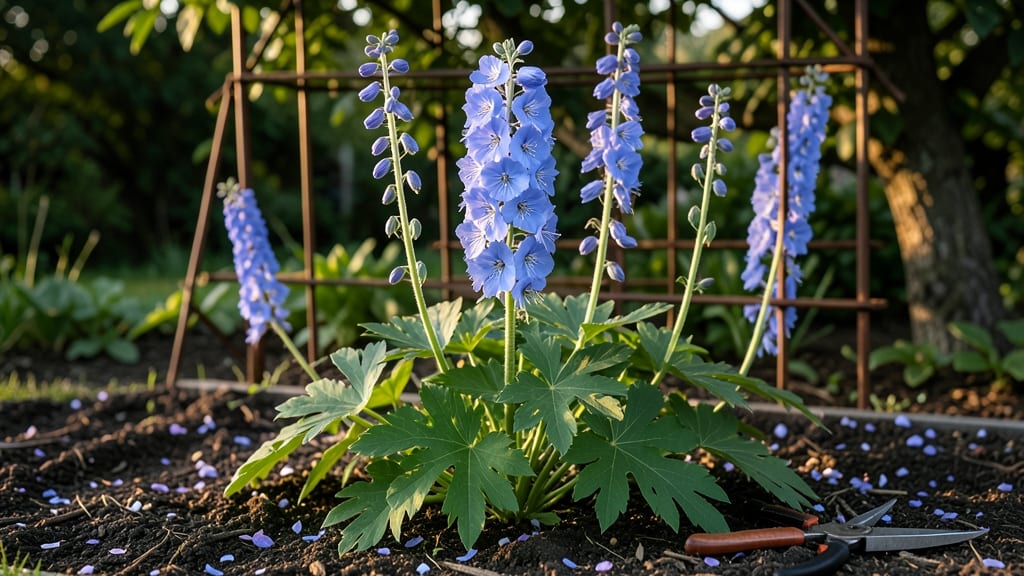
The flowers of a Happy Valley garden thrive with frost-proof perennials that defy Pacific Northwest winters—hellebores, astilbes, and hardy geraniums keep your garden vibrant even when rain, chill, and early snow arrive. 🌸 neighbors’ plants retreat.
This isn’t just about surviving the cold; it’s about crafting a year-round canvas of color and texture. Picture drifts of jewel-toned hellebores in winter, followed by ferns unfurling in spring, then coneflowers glowing in summer, and finally golden sedums blazing in autumn.
The key? Layering plants by height, repeating colors in odd-numbered clusters, and using evergreens as structural anchors.
You’ll end up with a garden that feels like a living painting—soft, inviting, and full of life no matter the season. The fragrance of winter jasmine mingling with spring peonies, the rustle of ornamental grasses swaying in summer breezes, and the quiet hum of bees on late-blooming asters.
This is gardening that works with nature, not against it.
Perfect for small urban yards or sprawling countryside plots, this style adapts to any space. Whether you’re starting with a single raised bed or transforming an entire landscape, the principles stay the same: bold colors, textural contrast, and plants that refuse to quit.
Let’s bring that joyful, resilient beauty to your garden.
📚 In This Guide
- What you need
- Instructions
- Tips and common mistakes
- Wrapping up and next steps
What you need
- ● Frost-resistant flower varieties (5–10 plants per type): Heather (Calluna vulgaris) – 3–5 plants (dwarf varieties like 'Firefly' or 'Silver Knight')
- ● Camellias (Camellia japonica) – 2–4 plants (e.g., 'Nuccio’s Pearl' or 'Winter’s Star')
- ● Daphnes (Daphne odora) – 3 plants (fragrant winter bloomers like 'Aureomarginata')
- ● Winter Jasmine (Jasminum nudiflorum) – 1–2 vines (for cheerful yellow blooms)
- ● Hellebores (Helleborus niger) – 5–7 plants (classic 'Christmas Rose')
- ● Soil amendments (per 10 sq ft): Compost (2–3 gallons) – improves drainage and fertility
- ● Peat moss or coconut coir (1–2 gallons) – for acid-loving plants like heather
- ● Slow-release organic fertilizer (e.g., 10-10-10, 1 lb)
- ● Mulch (5–10 bags): Pine bark or shredded cedar (3–4 inches deep) to insulate roots.
- ● Garden trowel or transplant spade (for delicate root systems)
- ● Pruning shears (sterilized with rubbing alcohol)
- ● Garden gloves (to protect from thorns and sap)
- ● Watering can or hose with a gentle spray nozzle (avoid blasting roots!)
- ○ pH testing kit (optional but helpful—aim for acidic (5.0–6.0) for heather/camellias)
- ● Climate zone: USDA Zones 5–8 (Pacific Northwest is ideal!)
- ● Sunlight: Partial shade to full sun (6+ hours/day for camellias; dappled shade for heather)
- ● Water source: Drip irrigation or soaker hose recommended for consistent moisture
- ● Time commitment: 1–2 hours for planting + 10–15 mins weekly for maintenance
- ● Frost cloth (for young plants in unexpected freezes)
- ● Decorative rocks or gravel (to enhance drainage in containers)
- ● Bird feeders (to attract pollinators and deter pests naturally!)
- ● Garden journal (track blooms, soil changes, and frost dates)
Step-by-Step guide for designing a Pacific Northwest frost-resistant flower garden
This resilient layout thrives through PNW winters while delivering year-round color.
🌱 Step 1: Select Native and Cold-Hardy Plant Pairings
Focus on plants that naturally thrive in USDA Zones 7-9, where winter temperatures dip but rarely stay below 15°F for long. Pacific Coast iris (Iris tenax), sword fern (Polystichum munitum), and western columbine (Aquilegia formosa) form the backbone of a frost-resistant palette. These species have evolved to handle 30-40°F nighttime temperatures without damage.
I always include at least three layers: tall structural plants (like Pacific dogwood), mid-height bloomers (such as Oregon grape), and ground covers (like creeping phlox). This creates visual depth while protecting lower-growing plants from wind and frost. Mix evergreens like salal (Gaultheria shallon) with deciduous bloomers like Pacific rhododendron to ensure year-round interest.
☀️ Step 2: Position Plants by Sun and Frost Tolerance
Group sun-loving perennials (like blanket flower) in the southern half of your bed, where they receive 6+ hours of direct light but benefit from afternoon shade in summer. In contrast, shade-tolerant bloomers (such as bleeding heart) thrive in the northern or eastern sections, where morning sun warms the soil without scorching.
Here's the thing—microclimates matter. The area against your home's south-facing wall stays 5-10°F warmer than open spaces. I always place my most frost-sensitive plants (like hardy geraniums) within 3 feet of the foundation. For containers, elevate them on 4-inch pot feet to prevent frost from pooling around the base.
💧 Step 3: Prepare Soil for Winter Resilience
Amend your native soil with 3 inches of compost and 1 inch of coarse sand to improve drainage—the PNW's heavy clay can suffocate roots during wet winters. I test soil pH first; most native bloomers prefer 5.5-6.5, so I might add elemental sulfur if needed. Never use fresh manure, as it can "burn" tender roots during cold snaps.
Mulch heavily with 4-6 inches of shredded bark or cedar chips after the first frost. This insulates roots while preventing soil heave—a common issue in freeze-thaw cycles. I always leave 2 inches of space between mulch and plant stems to avoid rot. Water deeply before mulching to encourage root growth before winter dormancy.
✂️ Step 4: Prune and Protect Before First Frost
Cut back dead or damaged foliage in early fall, but leave seed heads and dried stems on perennials like coneflower. These provide winter interest and shelter for beneficial insects. For tender perennials (like heuchera), I mound 6 inches of straw mulch around the base before temperatures drop below 25°F. This simple step prevents root damage in most winters.
Group containers together and wrap them in burlap if nighttime temps approach 20°F. I've found that black plastic pots absorb heat during the day and radiate it at night, creating a 5°F warmer microclimate than terracotta. Move potted plants to a sheltered location (like against a garage wall) if possible.
🌿 Step 5: Winter Maintenance for Spring Readiness
Check for dormant pests (like scale) in late winter and treat with neem oil if needed. I always prune dead branches from evergreens in February, when new growth hasn't started yet. This prevents disease spread while allowing sunlight to reach the center of the plant.
Top-dress with 1-2 inches of compost in early spring before new growth appears. This feeds roots without overwhelming tender shoots. Water deeply when soil temperatures reach 45°F—this is your signal that roots are ready to resume growth. Most PNW natives appreciate 1 inch of water per week during dormancy, but never waterlogged soil.
Tips & tricks for designing a Pacific Northwest frost-resistant flower garden
Creating a garden that thrives through PNW winters takes more than just picking cold-hardy plants—it's about understanding how to protect them from the unique challenges of our climate.
Layering for Protection: The three-layer approach in Step 1 isn't just about aesthetics—it's a strategic defense against frost. I've found that the ground cover layer (like creeping phlox) acts as a windbreak for lower-growing plants, while the tall structural plants (Pacific dogwood) create a canopy that shields mid-height bloomers from harsh winds. This natural layering can make the difference between plants surviving and thriving through our 30-40°F nighttime temperatures.
Microclimate Mastery: Step 2 reveals how your garden's microclimates can create a 5-10°F temperature difference between locations. I recommend placing your most sensitive plants within 3 feet of your foundation—this simple adjustment can mean the difference between frost damage and winter survival. For containers, those 4-inch pot feet aren't just for looks; they prevent frost from pooling around the base, which can be deadly in temperatures below 20°F.
Soil Preparation Secrets: The 3 inches of compost and 1 inch of coarse sand in Step 3 aren't arbitrary measurements—they're specifically designed to combat our region's heavy clay soil. I've seen gardens where proper soil amendment prevented root suffocation during wet winters. Remember to test your soil pH first; most native bloomers prefer 5.5-6.5, and adjusting with elemental sulfur can make all the difference in plant health.
Winter Protection Hacks: When you're applying that 4-6 inches of mulch in Step 3, leave those 2 inches of space between mulch and stems—it prevents rot while still insulating roots. And that 6 inches of straw mulch around tender perennials in Step 4? It's your best defense against temperatures dropping below 25°F. I've had clients swear by wrapping containers in burlap when temps approach 20°F, creating that crucial 5°F warmer microclimate.
Pro Tips for Flowers Happy Valley
- Creating a garden that thrives through PNW winters takes more than just picking cold-hardy plants—it's about understanding how to protect them from the unique challenges of our climate.
- Layering for Protection: The three-layer approach in Step 1 isn't just about aesthetics—it's a strategic defense against frost.
- Microclimate Mastery: Step 2 reveals how your garden's microclimates can create a 5-10°F temperature difference between locations.
Frequently asked questions
Got questions about cultivating frost-resistant blooms in the Pacific Northwest? You’re in the right place! Here are answers to the most common queries about Flowers Happy Valley—from planting tips to troubleshooting chilly-season challenges.
What are the best frost-resistant flowers for Happy Valley’s climate?
Happy Valley’s damp, cool summers and freezing winters call for hardy blooms like heuchera (coral bells), astilbe, saxifraga, and dwarf coneflowers. These thrive in USDA Zones 5–7, handling temps down to –20°F. For year-round color, pair perennials with evergreen shrubs like pieris or skimmia.
How do I protect flowers from late spring frosts?
Late frosts (common in Happy Valley’s May–June transitions) can damage tender blooms. Use frost cloth or row covers over sensitive plants like peony or lilac. Water soil before frost to release heat, and avoid overhead irrigation—wet petals freeze faster! For container plants, move them to a sheltered spot or indoors.
When is the ideal time to plant frost-resistant flowers in Happy Valley?
Plant bare-root perennials in early spring (March–April) or fall (September–October) to establish roots before extreme cold. Container-grown flowers can go in anytime the soil isn’t frozen. Pro tip: Amend soil with compost for better drainage—Happy Valley’s clay-heavy soil can suffocate roots!
What can I do if my flowers look wilted after a freeze?
Don’t panic! Many frost-resistant flowers rebound once temps rise. Trim blackened or mushy stems with clean pruners, leaving healthy growth. Water deeply but sparingly—overwatering stresses recovering plants. If leaves stay crispy, the plant may be dead; dig up a section to check for green roots.
Are there low-maintenance alternatives to traditional perennials?
Try ground covers like ajuga (bugleweed) or creeping thyme for zero-fuss coverage. Ornamental grasses (e.g., fountain grass) add texture with minimal care. For pollinators, lavender and Russian sage thrive in Happy Valley’s conditions and deter pests naturally.
How do I prevent fungal diseases in damp Happy Valley gardens?
Fungal issues (like powdery mildew) love the PNW’s humidity. Improve airflow by spacing plants 12–18 inches apart. Water at the base in the morning, and avoid overhead sprinklers. Pro tip: Apply neem oil preventatively or use copper fungicide if you spot white powder on leaves.
Wrapping up and next steps
Flowers Happy Valley isn’t just a dream—it’s a reality waiting to bloom in your garden! 🌸 With frost-resistant favorites like Pacific Dogwood, Rhododendrons, and Heather, you can enjoy vibrant colors and lush greenery year-round, no matter the weather. Whether you’re a seasoned gardener or just starting, these resilient plants make beauty effortless.
Ready to transform your space? Start small—pick one or two plants from our list, gather your tools, and dive in! 🌱 Your Happy Valley garden is just a shovel’s throw away.