Flowers
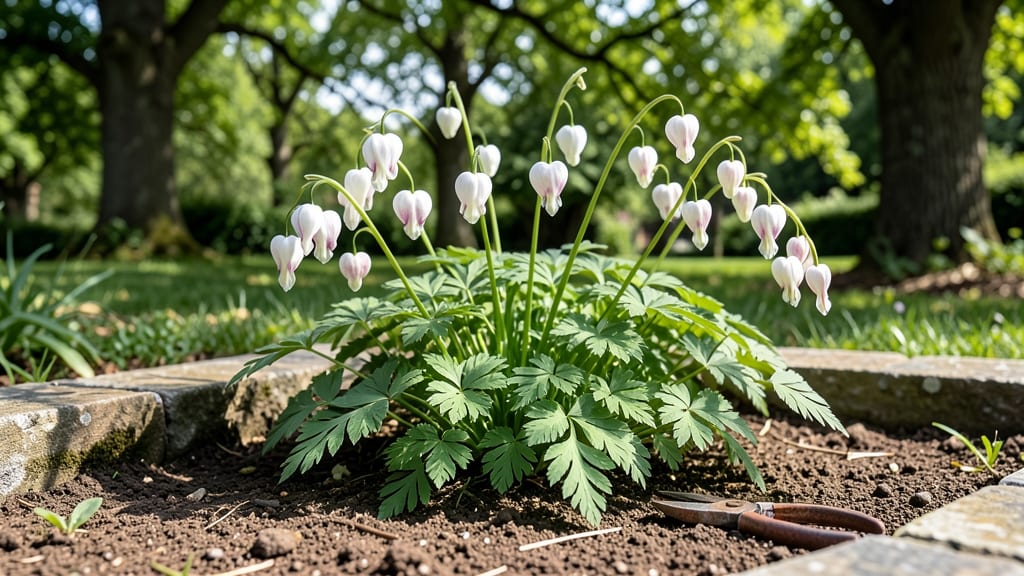
White bleeding heart flowers (Dicentra spectabilis) bring dreamy, heart-shaped blooms to shady corners where most plants struggle. 🌿 I grew mine in a spot that got only morning sun, and they thrived—delicate white flowers cascading like lace in early spring.
The secret lies in mimicking their native woodland habitat, where cool roots and dappled light keep them happy all season.
You’ll need rich, well-draining soil that stays moist but never soggy—think leaf mold or compost mixed into your garden bed. Plant in early fall or late winter when the ground is workable but not baking hot, and space them 12-18 inches apart for those signature cascading stems.
They’re frost-tough, so don’t worry about late frosts—they’ll bounce back once temperatures warm.
By mid-spring, you’ll have 3-4 weeks of breathtaking blooms before the foliage fades, but the show isn’t over. After flowering, let the leaves die back naturally—they store energy for next year’s performance.
A light mulch of shredded leaves keeps roots cool and conserves moisture, while occasional watering during dry spells prevents wilting.
Here’s the best part: these plants multiply over time, sending up new shoots that you can divide and share with fellow gardeners. Just avoid overcrowding, and you’ll have decades of effortless elegance in your shady garden. Let’s get those roots in the ground!
📚 In This Guide
- What you need
- Instructions
- Tips and common mistakes
- Wrapping up and next steps
What you need
- ● Bleeding Heart Tubers: 2–4 healthy tubers (size: 1–2 inches in diameter)
- ● Pro tip: Choose tubers with firm, plump stems—avoid any that feel soft or shriveled! 💡
- ● Well-Draining Soil: 2–3 bags (1–2 cubic feet each) of peat-based or organic potting mix (amend with compost for fertility)
- ○ Optional: Perlite or coarse sand (1 part per 4 parts soil) for extra drainage in heavy clay
- ● Garden Space: Partial to full shade (4–6 hours of indirect light daily)
- ● Moist, humus-rich soil (pH 6.0–7.0)
- ● Planting Supplies: Garden trowel or hand shovel
- ○ Garden gloves (optional but recommended!)
- ● Mulch (2–3 inches of shredded bark or leaf mold)
- ● Slow-release fertilizer (balanced 10-10-10, 1 tbsp per plant)
- ● Circular garden ring or edging (to define planting areas)
- ● Drip irrigation system or watering can with a rose attachment
- ● Epsom salt (1 tbsp dissolved in water) for magnesium boosts (if leaves yellow)
Step-by-Step instructions for cultivating white bleeding heart flowers
Here's how to coax these graceful perennials into thriving, frost-hardy specimens.
🌱 Step 1: Select and Prepare Planting Sites
White bleeding hearts (Dicentra spectabilis) thrive in partial to full shade with well-draining, humus-rich soil at a pH of 6.0-7.0. Choose a location where they'll receive morning sun and afternoon shade—this prevents leaf scorch while maintaining enough light for flowering. I always test soil drainage by digging a 6-inch hole, filling it with water, and checking if it drains within 30 minutes. Slow drainage leads to root rot, and these plants despise soggy feet.
Amend heavy clay soil with 2-3 inches of compost mixed into the top 12 inches of soil. Bleeding hearts appreciate organic matter but resist nitrogen-heavy fertilizers, which encourage leafy growth at the expense of those iconic heart-shaped blooms. If your soil is sandy, incorporate 1 part peat moss into the planting hole to improve moisture retention.
🌿 Step 2: Plant Tubers at the Right Depth and Spacing
Bleeding hearts grow from tubers, not traditional roots, so planting depth matters. Position tubers 2 inches below the soil surface with the eyes (growth points) facing upward—this ensures they emerge correctly. I space tubers 12-18 inches apart in rows 18-24 inches apart to allow for air circulation and future growth. Crowding leads to mildew and weak stems.
Cover the tubers with soil and water deeply until moisture reaches 6 inches down. The soil should feel damp but not saturated—think of a wrung-out sponge. Mulch with 2-3 inches of shredded bark or leaf mold to retain moisture and regulate soil temperature. This mulch layer also suppresses weeds, which compete aggressively with bleeding hearts for nutrients.
☀️ Step 3: Provide Consistent Moisture and Light Conditions
Bleeding hearts demand consistent moisture—never let the soil dry out completely, but avoid waterlogging. I water deeply once weekly during the growing season, aiming for 1 inch of water per week, and more during droughts. Check moisture by sticking your finger 2 inches into the soil; if it feels dry, water thoroughly. Overhead watering can cause fungal issues, so I use drip irrigation or a soaker hose placed at the base of the plants.
While they tolerate shade, these plants still need bright, indirect light to flower well. If your garden is deep shade, supplement with a shade cloth (30-50% coverage) during peak summer sun. Leggy growth with sparse blooms signals insufficient light. You'll know you've got the balance right when plants produce strong stems and abundant flower spikes by early spring.
✂️ Step 4: Prune and Maintain for Longevity
Bleeding hearts go dormant in late summer after flowering. Once foliage turns yellow and dies back, cut stems down to the ground with clean, sharp shears. This prevents disease and makes next year's growth stronger. I never remove old foliage until it's completely brown—it provides some winter protection and adds organic matter as it decomposes.
Divide tubers every 3-4 years in early spring or fall to prevent overcrowding. Dig up clumps, separate the tubers, and replant immediately. Each tuber should have at least one growth eye. Fertilize lightly in early spring with balanced 10-10-10 fertilizer—too much nitrogen reduces flowering. I've found that compost tea applied monthly during the growing season keeps plants healthy without chemical inputs.
Tips & tricks for perfect white bleeding heart flower cultivation
These pro-level insights will help you transform your shady garden corner into a thriving sanctuary for these delicate perennials.
Soil Preparation Insight: The 30-minute drainage test in Step 1 is non-negotiable—this prevents the #1 killer of bleeding hearts, root rot. I've seen tubers drown in poorly draining soil despite perfect planting technique. For extra insurance, mix in 1 part perlite to your compost amendment if your soil is particularly dense. This creates tiny air pockets that improve drainage without sacrificing moisture retention. The goal is soil that holds water like a damp sponge, not a soaked rag.
Tuber Orientation Technique: When planting in Step 2, imagine the eyes (growth points) as little arrows pointing toward heaven. I've made the mistake of planting them sideways, which results in stunted growth or no emergence at all. Pro tip: Use a toothpick to gently mark the correct orientation if you're unsure which side is up. The 2-inch depth is crucial—too shallow and they'll bake in summer heat, too deep and they'll struggle to push through.
Watering Wisdom: The weekly 1-inch watering in Step 3 is your baseline, but adjust for your microclimate. In my experience, morning watering prevents fungal issues better than evening watering, even though both deliver the same amount. For the first two weeks after planting, I water every other day to establish roots—this mimics natural spring rainfall patterns that bleeding hearts prefer. Use a rain gauge or tuna can to measure your water output accurately.
Light Balance Secret: That "bright indirect light" in Step 3 isn't just poetic language—it's a specific light spectrum. Bleeding hearts need at least 4-6 hours of dappled sunlight daily to produce their signature blooms. I test light conditions by placing a white piece of paper under the plant for an hour—if it shows clear shadows, you've got the right balance. Too much direct sun causes leaf scorch, while too little results in those sad, sparse stems.
Pro Tips for White Bleeding Heart Flower
- These pro-level insights will help you transform your shady garden corner into a thriving sanctuary for these delicate perennials.
- Soil Preparation Insight: The 30-minute drainage test in Step 1 is non-negotiable—this prevents the #1 killer of bleeding hearts, root rot.
- Tuber Orientation Technique: When planting in Step 2, imagine the eyes (growth points) as little arrows pointing toward heaven.
Frequently asked questions
Got questions about cultivating white bleeding heart flowers? You’re not alone! Here are answers to the most common queries—from planting tips to troubleshooting—so you can grow these delicate beauties with confidence.
When is the best time to plant white bleeding heart flowers?
The ideal time to plant Dicentra spectabilis is in early spring or early fall, when soil temperatures are cool (50–60°F). This gives roots time to establish before summer heat. Avoid planting in mid-summer, as the heat can stress young plants. For container gardening, you can plant anytime, but spring is best for outdoor beds.
Are white bleeding heart flowers truly frost-resistant?
These perennials thrive in USDA Zones 3–9 and handle frost beautifully. In fact, they often reappear stronger after winter if mulched properly. However, newly planted specimens may need winter protection (like a thick layer of mulch) until established. Their heart-shaped leaves and flowers are a sign of resilience in shady gardens.
What’s the best companion plant for white bleeding heart flowers?
Pair them with hostas, ferns, or astilbes for a lush, woodland-inspired look. Avoid planting near sun-loving perennials like daylilies, as bleeding hearts prefer partial to full shade (2–4 hours of morning sun max). For contrast, try Hellebores (Lenten roses) or Lungwort—both love similar conditions and bloom at different times.
Why are my white bleeding heart flowers wilting or turning yellow?
Yellowing leaves often signal overwatering or poor drainage. Ensure soil stays moist but not soggy—these plants hate “wet feet.” Wilting can also mean root rot (check for mushy stems) or too much sun. Move to a shadier spot if leaves scorch. Divide mature clumps every 3–4 years to refresh growth and improve airflow.
Can I grow white bleeding heart flowers in containers?
Yes! Use a 12–16-inch pot with well-draining soil mixed with peat moss or compost. Place in a spot with dappled shade and water regularly (containers dry out faster). Choose containers with drainage holes to prevent root rot. Bonus tip: Add a slow-release fertilizer in spring for extra vigor!
How do I propagate white bleeding heart flowers?
Divide mature clumps in early spring or fall for easy propagation. Dig up the plant, separate the roots (each section should have 3–5 stems), and replant immediately. No need for cuttings—this method is foolproof! Water thoroughly after transplanting to reduce shock. Pro tip: Label new divisions to track growth patterns.
Wrapping up and next steps
The white bleeding heart flower brings timeless beauty and resilience to shady gardens, thriving even in cooler climates. With the right care—moist, well-draining soil, partial shade, and gentle pruning—you’ll enjoy its delicate blooms year after year. Now that you’re armed with tips and answers, why not plant one this season?
🌱 Next steps:
- Pick your favorite white bleeding heart variety and order plants or seeds.
- Mark your calendar for spring planting (or early fall in mild zones).
- Share your progress with fellow gardeners—tag us @GardenLovers!