
Flowers
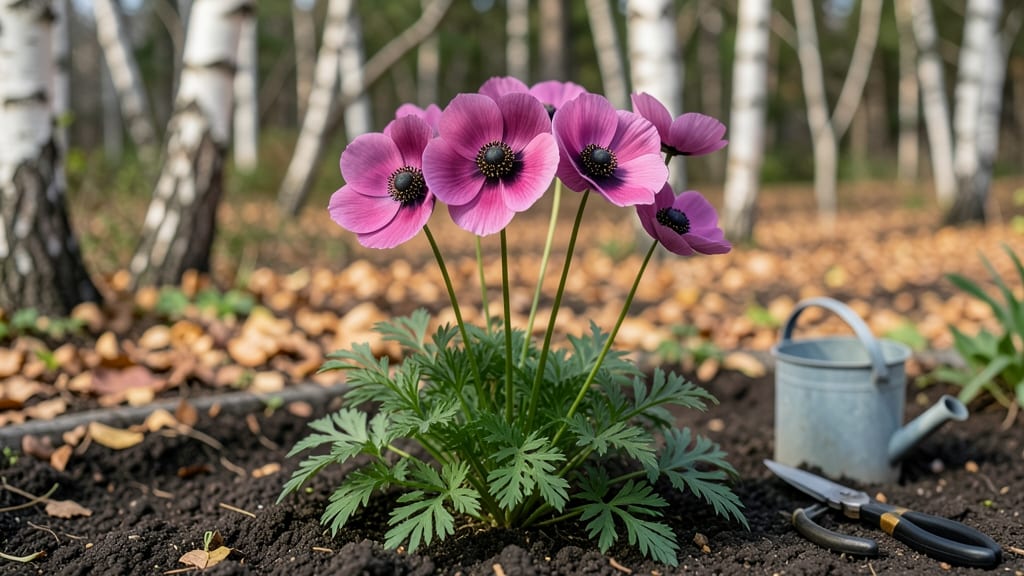
If you adore ranunculus for their shockingly lush, layered petals and dreamy springtime charm, you’re in luck—these flowers similar to ranunculus deliver the same delicate drama. 🌸 These blooms share ranunculus’s signature ruffled edges and soft, papery textures, making them perfect for cutting gardens, bouquets, or cottage-style beds where you want that romantic, slightly wild look without the fuss.
Think anemones with their dark centers and silky petals, peony varieties like ‘Sarah Bernhardt’ that spill like cascading waterfalls, or windflowers (anemone hybrids) that mimic ranunculus’s layered structure but bloom even earlier.
For low-maintenance picks, tulips in frilled varieties (like ‘Darwin Hybrid’ types) or dahlia cultivars with quilled centers offer similar visual impact with fewer care demands. These all thrive in spring’s cool weather and bring that same "I woke up in a fairy tale" vibe to your garden.
What you’ll love most is how effortlessly they pair—drop anemones and ranunculus together in a vase for a bouquet that looks like it was painted by Monet, or tuck peony sprays alongside shasta daisies for a border that feels both structured and whimsical.
The best part? Most of these blooms return year after year, so your spring garden keeps getting more embarrassingly productive (and photogenic) with each passing season.
Whether you’re designing a cutting garden for bouquets or a low-fuss border, these ranunculus lookalikes deliver the same dreamy, layered romance with less fuss. The key is matching their sunlight needs—most prefer morning sun and afternoon shade—and deadheading spent blooms to keep them producing.
Start with just two or three varieties, and you’ll have a spring display that makes neighbors ask, "What are those gorgeous flowers?"
📚 In This Guide
- What you need
- Instructions
- Tips and common mistakes
- Wrapping up and next steps
What you need
- ● Seeds: Choose from 1 packet (50-100 seeds) of any of these ranunculus-like varieties: Anemone (Anemone coronaria)
- ● Windflower (Anemone hupehensis)
- ● Pasqueflower (Pulsatilla vulgaris)
- ● Clematis (Clematis montana – for vine-like options)
- ● Potting Soil: 1 bag (5-10 lbs) of well-draining, peat-based or coconut coir mix (pH 6.0-7.0).
- ● Containers or Garden Bed: For seeds: 4-6 inch pots or trays with drainage holes.
- ● For mature plants: 12+ inch pots or a sunny garden bed (6+ hours of light/day).
- ● Fertilizer: Balanced liquid fertilizer (10-10-10 or 20-20-20) or slow-release granules for soil.
- ● Mulch: 1-2 inches of organic mulch (straw or shredded bark) to retain moisture.
- ● Watering Can or Spray Bottle: Fine-mist nozzle for seedlings.
- ○ Gloves & Pruners: Optional but helpful for handling delicate stems.
- ● Fresh/Cut Flowers: 3-5 stems of ranunculus-like blooms (e.g., anemones, poppies, or ranunculus themselves!).
- ● Floral Preservative: 1 packet or bottle (e.g., Floralife) to extend vase life.
- ● Vase or Container: Glass vase: 6-12 inch height with a narrow neck for single stems.
- ● Bouquet holder: Low, wide base for grouped arrangements.
- ○ Floral Foam (Optional): 1 block for securing stems in vases.
- ● Scissors or Knife: Sharp, clean pair for trimming stems at a 45-degree angle.
- ○ Ribbon or Twine: Optional for wrapping stems or tying bouquets.
- ● 🌡️ Temperature: Most ranunculus-like flowers thrive in 50-70°F (10-21°C) during germination.
- ● ✨ Light: Provide bright, indirect light for seedlings to prevent legginess.
- ● 🎯 Watering: Keep soil consistently moist but not soggy—overwatering causes root rot!
- ● 💡 Arranging Hack: Remove lower leaves from stems before placing in water to reduce bacterial growth.
How to design a spring garden with ranunculus-like delicate blooms
Here’s how to curate a spring garden featuring flowers that mirror ranunculus’ layered elegance.
🌱 Step 1: Select Flowers with Ranunculus Characteristics
Ranunculus blooms are prized for their papery, multi-layered petals and soft, romantic forms. To replicate that look, focus on flowers with ruffled edges, layered petals, or delicate, frilly textures. Anemone, peonies, and scabiosa all share that same ethereal quality. Anemones, in particular, mimic ranunculus with their dark-centered, layered blooms, while peonies offer lush, voluminous petals that create a similar romantic effect.
For height variation, pair these with delicate grasses like fountain grass or ornamental wheatgrass, which add movement and texture without competing for attention. I always include pulsatilla (pasqueflower) for its airy, balloon-like blooms—it’s a springtime showstopper that feels like a cousin to ranunculus. Write down your selections and note their mature heights to plan spacing.
☀️ Step 2: Plan for Sunlight and Soil Preferences
Most ranunculus-like flowers thrive in full sun to partial shade, with 6+ hours of sunlight daily being ideal. Anemones and peonies, for example, prefer morning sun and afternoon shade in hotter climates to prevent wilting. Test your garden’s sun exposure by marking the sunniest and shadiest spots with stakes—this ensures you place sun-lovers in the right locations.
Soil should be well-draining and rich in organic matter, as ranunculus and its lookalikes dislike soggy roots. Amend heavy clay soil with 2-3 inches of compost before planting. I like to mix in a handful of bone meal for phosphorus, which encourages strong root development and abundant blooms. A soil pH between 6.0 and 7.0 is perfect for most of these flowers.
🪴 Step 3: Arrange for Layered Visual Impact
Ranunculus gardens feel magical because of their height variation and cascading layers. Start with tallest plants at the back, like peonies or delphiniums, then add mid-height flowers such as anemones or scabiosa in the middle. Fill the front with low-growing fillers like primroses or sweet alyssum to create a soft, textured edge.
Group 3-5 of the same variety together for a bold impact—this mimics ranunculus’ natural clustering in meadows. For example, plant five anemone crowns in a loose circle surrounded by pulsatilla and ornamental grasses. This creates a focal point that draws the eye, just like a ranunculus bouquet. Space plants 12-18 inches apart to allow airflow and prevent disease.
💧 Step 4: Water and Maintain for Long-Lasting Blooms
After planting, water deeply to settle the soil around roots, then maintain 1 inch of water per week, either from rainfall or irrigation. Ranunculus-like flowers are drought-tolerant once established, but consistent moisture during the first growing season ensures strong root systems. I water in the early morning to reduce evaporation and fungal risks.
Mulch with 2-3 inches of shredded bark or straw to retain moisture and suppress weeds. Remove spent blooms regularly to encourage continuous flowering. For perennials like peonies, cut back foliage in late fall or early winter to promote fresh growth in spring. Avoid heavy pruning in early spring—this is when buds form for next year’s blooms.
✂️ Step 5: Extend the Season with Cut Flowers
Ranunculus-like blooms make stunning cut flowers, and their layered petals hold up beautifully in arrangements. Harvest stems in the early morning when moisture levels are highest—this ensures longevity. Cut stems at a 45-degree angle just above a leaf node to encourage more blooms.
To prolong vase life, change the water every 2-3 days and trim stems by 1 inch each time. Add a flower food packet to the water to prevent bacterial growth. I like to mix these blooms with eucalyptus or dusty miller for contrast—their silvery foliage makes the ruffled petals pop even more. Store cut stems in the fridge overnight if you can’t arrange them immediately.
Tips & tricks for perfect ranunculus-inspired spring gardens
Creating a garden that captures ranunculus' ethereal beauty doesn't have to be complicated—just strategic. Here are the key insights that'll elevate your spring garden from charming to showstopping.
Layering Secret: The magic of ranunculus gardens lies in their layered depth. In Step 3, when arranging your plants, consider adding three-dimensional elements like ornamental onions or alliums between your tallest and mid-height flowers. These spherical blooms create unexpected focal points that mimic ranunculus' natural clustering while adding architectural interest. The key is to place them where they'll peek through your taller plants, creating that "found in nature" effect that makes gardens feel so special.
Color Theory Insight: Ranunculus blooms often feature soft, romantic color palettes with subtle contrasts. When selecting your flowers in Step 1, aim for a 70-20-10 color ratio—70% dominant color (like soft pink or lavender), 20% complementary hue (think white or pale yellow), and 10% unexpected accent (deep burgundy or sage green). This creates visual harmony while maintaining that delicate, layered look. For example, pair five anemone crowns in blush pink with three scabiosa in white and one pulsatilla in deep purple for instant drama.
Soil Science: While the instructions mention compost and bone meal, here's the deeper soil strategy for Step 2: Create a moisture-retaining base layer by mixing 1/3 compost, 1/3 coconut coir, and 1/3 perlite before adding your topsoil. This combination improves drainage while maintaining moisture—critical for those delicate spring blooms. I also recommend adding a slow-release fertilizer like Osmocote at planting time to provide consistent nutrients throughout the growing season without risking root burn.
Cut Flower Extension: For Step 5, when harvesting your ranunculus-like blooms, here's a pro trick: Immediately place harvested stems in ice water for 10 minutes before arranging. This shock treatment helps preserve the delicate petal layers and extends vase life by 2-3 additional days. The cold water also helps prevent bacterial growth that can cause those beautiful blooms to wilt prematurely. Store your cut stems in the fridge overnight if you can't arrange them immediately—this is especially important for anemones, which are particularly sensitive to temperature fluctuations.
Pro Tips for Flowers Similar To Ranunculus
- Creating a garden that captures ranunculus' ethereal beauty doesn't have to be complicated—just strategic.
- Layering Secret: The magic of ranunculus gardens lies in their layered depth.
- Color Theory Insight: Ranunculus blooms often feature soft, romantic color palettes with subtle contrasts.
Frequently asked questions
Got questions about ranunculus doubles?
You’re not alone! Here are some of the most common queries—plus quick answers to help you pick the perfect spring blooms for your garden.
What are the best long-lasting alternatives to ranunculus?
If you love ranunculus but want flowers that stay fresh longer, try anemones (2–3 weeks in a vase) or tulips (7–10 days). For even more durability, opt for peony or dahlia cuttings—they hold their shape beautifully!
When is the ideal planting time for ranunculus-like flowers?
Most ranunculus doubles thrive when planted in early spring (March–April) or late summer (August–September). For cooler climates, wait until after the last frost. If using bulbs (like tulips or daffodils), plant them in fall for spring blooms.
Why do my ranunculus doubles wilt so fast?
Ranunculus are thirsty! Wilting often happens from overwatering (root rot risk) or underwatering. Trim stems at an angle, change vase water every 2 days, and avoid direct sunlight. For garden plants, ensure well-draining soil and mulch to retain moisture.
Can I mix ranunculus with other flowers in arrangements?
Pair them with euphorbia (for texture), snapdragons (for height), or solidago (golden accents). Avoid heavy blooms like roses—they can crush ranunculus’ delicate layers. For bouquets, use floral tape to secure stems and support stems with chicken wire if needed.
Are there perennial ranunculus doubles?
Most ranunculus are tender perennials (die back in winter) or annuals. For true perennials with similar looks, try windflowers (Anemone) or columbines. These return yearly with minimal care and offer the same layered charm!
Wrapping up and next steps
From Anemones to Peonies, these ranunculus look-alikes bring the same dreamy charm to your garden while offering unique twists in color, texture, and care. Whether you’re drawn to bold Hellebores or delicate Tulips, each flower promises a stunning spring display with minimal fuss. 🌸
Ready to elevate your floral arrangements? Start small—pick one or two favorites, test their growing conditions, and let your garden bloom with confidence! Need more inspiration? Browse our seasonal guides or shop curated flower bundles to find your perfect match.