
Orchid Care
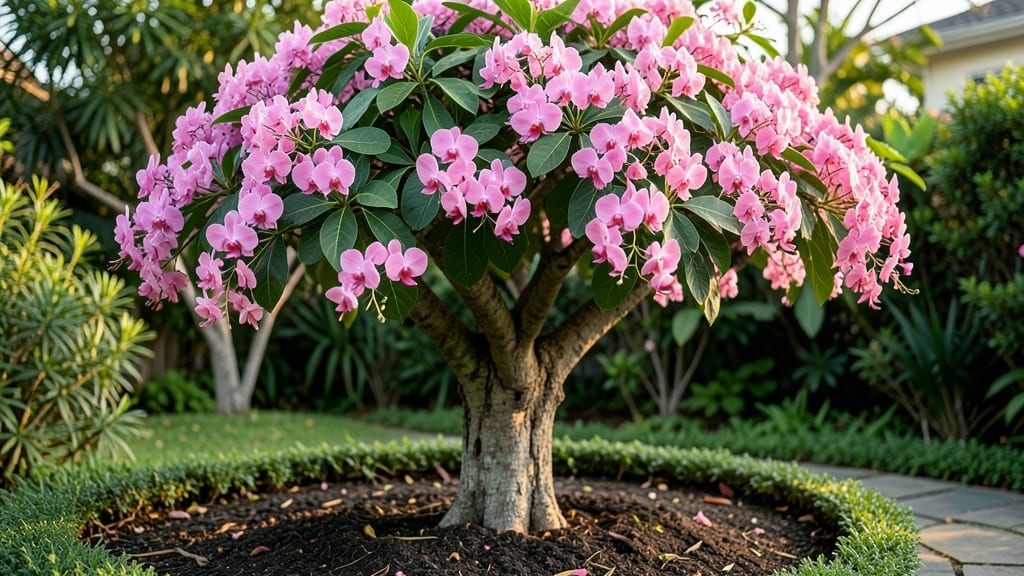
The hong kong orchid tree flower transforms your garden into a vibrant, year-round display of magenta blooms— effortlessly thriving in the city’s subtropical climate.
I’ve grown mine in both urban planters and backyard beds, and the secret isn’t complicated: it’s all about sunlight, well-draining soil, and a light touch with water. The tree’s adaptability makes it perfect for small spaces, balconies, or even large containers—no green thumb required to keep it blooming.
Here’s the thing—this tree loves heat and humidity, which means Hong Kong’s climate is basically its dream vacation spot. Plant it in full sun (at least 6 hours daily) and use a mix of garden soil with sand or perlite to prevent soggy roots.
Water deeply but only when the top 2 inches of soil feel dry—overwatering is the fastest way to kill its blooming potential. The real magic? It rarely needs pruning beyond shaping after flowering, so you’ll spend more time admiring it than fussing over it.
By mid-spring, you’ll see clusters of pinkish-purple flowers that last for weeks, followed by seed pods that add texture to the scene. In Hong Kong’s mild winters, it stays evergreen, while in cooler months, a light trim keeps it compact.
The best part? It attracts pollinators and fits seamlessly into urban gardens, whether you’re growing it in a 5-gallon container or as a standalone tree. Let’s get yours thriving!
Fair warning: Watch for aphids in Hong Kong’s humid summers—they love new growth too. A quick spray of water usually sends them packing, but if they stick around, neem oil works like a charm.
For local supplies, check out Hong Kong Orchid Centre or City Garden for healthy young trees ready to bloom. Once established, this tree is practically indestructible—just give it space to stretch its roots and bask in the sun.
📚 In This Guide
- What you need
- Instructions
- Tips and common mistakes
- Wrapping up and next steps
What you need
- ● Hong Kong Orchid Tree Seedlings or Cuttings: 1-2 healthy saplings (aged 1-3 years for best establishment)
- ● Ensure roots are intact and free of disease (check for pink or black spots)
- ● Well-Draining Soil Mix: 50% garden soil (or potting mix for containers)
- ● 30% permeable material (e.g., coarse sand, perlite, or orchid bark)
- ● 20% organic compost (for nutrients)
- ○ Container (Optional but Recommended for Urban Growers): 15-20 gallon pot with drainage holes (terracotta or fabric pots preferred)
- ● OR a raised garden bed (minimum 12" depth)
- ● Basic Gardening Tools: Trowel or hand shovel
- ● Pruning shears (sterilized with rubbing alcohol)
- ● Gloves (to protect from thorns!)
- ● Fertilizer: Balanced slow-release fertilizer (10-10-10 NPK ratio) or orchid-specific fertilizer (diluted to half-strength)
- ○ Optional: Epsom salt (1 tbsp/month for magnesium boost)
- ● Mulch: 2-3 inches of wood chips or straw mulch (to retain moisture and regulate temperature)
- ● Support (for Heavy Blooms): Bamboo stakes or tree rings (if planting in windy areas)
- ● Sunlight: Full sun (6+ hours/day) or partial shade (especially in Hong Kong’s humid summers)
- ● Temperature: Thrives in 60–90°F (15–32°C); protect from frost (<32°F/0°C)
- ● Humidity: Prefers moderate humidity (40–70%); mist leaves occasionally in dry climates
- ● Water Source: Access to soft, pH-neutral water (rainwater or filtered tap water)
How to grow a thriving Hong Kong orchid tree
Here's the simple approach I've used to keep my orchid tree blooming nonstop for years.
Choose the Right Location for Year-Round Growth
Place your Hong Kong orchid tree where it gets bright, indirect light—think east or west-facing windows, or under a sheer curtain on a south window. Direct midday sun will scorch its glossy leaves, while too little light means fewer flowers. I've seen plants struggle in dim corners, so avoid north-facing spots unless you supplement with a grow light.
This tree thrives in 65-75°F temperatures year-round. If your home dips below 55°F at night, move it away from drafty windows or doors. The key is consistency—sudden temperature swings stress the plant and cause buds to drop before opening.
Water Deeply but Sparingly
Water only when the top 2 inches of soil feel completely dry—stick your finger in to check. Overwatering is the #1 killer of orchid trees because their roots need oxygen. I water mine every 7-10 days in summer and stretch it to 10-14 days in winter when growth slows.
Use room-temperature water and pour slowly until it drains freely from the bottom. Empty the saucer after 10 minutes to prevent root rot. You'll know you're doing it right when the soil is moist but not soggy, and the leaves stay plump and dark green.
Feed Lightly During Blooming Season
Start fertilizing in early spring with a balanced 20-20-20 liquid fertilizer diluted to half strength. Apply every 4-6 weeks while the tree is actively growing and flowering. I cut back to monthly feedings in fall and stop completely in winter when the plant rests.
Never fertilize a dry plant—always water first. The roots need to be active to absorb nutrients. If you notice brown leaf tips, you're overdoing it. Flush the soil with plain water after 3-4 feedings to prevent salt buildup.
Prune Only When Necessary
This tree's claim to fame is its minimal pruning needs. Only trim when you see brown, crispy leaves at the bottom or when leggy growth stretches too far. Use clean, sharp pruners to cut just above a leaf node at a 45-degree angle.
Never prune more than one-third of the plant at once. The tree blooms on old wood, so avoid heavy cuts that remove flowering stems. After pruning, wipe the cuts with rubbing alcohol to prevent disease. You'll encourage bushier growth without sacrificing those beautiful flowers.
Step 5: Encourage Continuous Blooming
To keep flowers appearing year-round, maintain consistent light and water—no long dry spells or sudden light changes. I've found that moving the plant outdoors for a few hours of morning sun in summer boosts flowering without risking sunburn.
Deadhead spent blooms by snipping the stem just above the next leaf node. This redirects the plant's energy to new buds rather than seed production. With proper care, you'll see fresh flowers emerging every 4-6 weeks throughout the year.
Tips & tricks for year-round Hong Kong orchid tree blooms
These simple tricks will help you avoid common pitfalls and keep your orchid tree flowering beautifully all year.
Lighting Insight: If your east or west window doesn't provide enough light during winter months, consider adding a small LED grow light for 4-6 hours daily. I've seen orchid trees in dim offices thrive with just 12 inches of grow light distance—it's a game-changer for consistent blooming. The key is mimicking that bright, indirect light we aim for in Step 1.
Temperature Consistency: The 65-75°F range is your sweet spot, but don't panic if your home fluctuates slightly. Orchid trees are more forgiving than you might think—they'll tolerate brief dips to 55°F, but avoid letting them stay below that for more than a few hours. I've kept mine blooming happily in bedrooms with nighttime temps around 60°F by simply moving it away from cold windows.
Watering Technique: That 10-minute drainage rule in Step 2 is crucial—don't rush it! The extra time ensures excess water completely exits the pot, preventing those dreaded root issues. I've found using a terra cotta pot helps with natural moisture regulation, but if you're using plastic, you might need to check soil moisture more frequently since it retains water longer.
Pruning Strategy: When you notice those brown, crispy leaves at the bottom, don't hesitate to trim them—they're actually stealing energy from your flowering stems. I've found that pruning at a 45-degree angle (as mentioned in Step 4) not only looks professional but also helps water run off the cut more effectively, reducing the risk of disease. Just remember to sterilize your pruners with rubbing alcohol between cuts.
Pro Tips for Hong Kong Orchid Tree Flower
- These simple tricks will help you avoid common pitfalls and keep your orchid tree flowering beautifully all year.
- Lighting Insight: If your east or west window doesn't provide enough light during winter months, consider adding a small LED grow light for 4-6 hours daily.
- Temperature Consistency: The 65-75°F range is your sweet spot, but don't panic if your home fluctuates slightly.
Frequently asked questions
Got questions about the stunning Hong Kong Orchid Tree (Bauhinia × blakeana)? You’re not alone! Below are answers to the most common queries—from blooming secrets to care hacks—so you can keep your tree thriving with minimal fuss.
When does the Hong Kong Orchid Tree flower, and how long do the blooms last?
The Hong Kong Orchid Tree typically blooms year-round in tropical climates, with peak flowering in spring and fall. Each cluster of magenta-pink flowers lasts 2–3 weeks, but new buds constantly replace them. In cooler areas, expect spring-only blooms but with longer-lasting flowers (4–6 weeks) per flush.
Can this tree survive cold winters, or do I need to protect it?
The Hong Kong Orchid Tree is tender to frost—temperatures below 25°F (-4°C) can damage or kill it. If you live in a USDA Zone 9 or colder, grow it in containers and bring it indoors (or wrap the pot in bubble wrap) during winter. In the ground, mulch heavily and plant near a south-facing wall for extra warmth.
How often should I prune my Hong Kong Orchid Tree, and does it need heavy trimming?
One of its biggest perks? Minimal pruning! Lightly trim dead or crossing branches in late winter to encourage bushier growth. Avoid heavy pruning—it stimulates new growth but may reduce flowering. Shape it lightly in spring if needed, but never cut more than 1/3 of the foliage at once.
Are Hong Kong Orchid Tree flowers fragrant, and do they attract pollinators?
While the flowers aren’t heavily scented, they emit a light, sweet fragrance—especially in the morning. They’re highly attractive to bees and butterflies, making them a great pollinator-friendly choice. For extra buzz, plant near native pollinator plants like lavender or salvia.
What are some hardier alternatives if I want similar-looking flowers but with less maintenance?
If the Hong Kong Orchid Tree seems too delicate, try these low-maintenance, frost-tolerant options:
- Crape Myrtle (Lagerstroemia): Drought-resistant, blooms summer–fall, and thrives in Zones 7–9.
- Japanese Tree Lilac (Zanthoxylum piperitum): Cold-hardy (Zone 6), fragrant white blooms, and minimal pruning needed.
- Royal Poinciana (Delonix regia): Vibrant orange flowers, drought-tolerant, but needs Zone 10+ warmth.
Wrapping up and next steps
The Hong Kong orchid tree (Bauhinia × blakeana) is a stunning, low-maintenance beauty that rewards gardeners with vibrant blooms year-round—with just a little care! 🌸 Whether you’re a seasoned plant parent or a beginner, its resilience and striking flowers make it a must-have for any urban or tropical garden.
Now that you know the basics—from soil needs to pruning tips—why not take the next step?
- Plant one today! Start with a healthy sapling or propagate from cuttings for a personal touch.
- Experiment with placement—try it in pots, along fences, or as a focal point in your yard.
- Share the love—inspire others with your blooming success and spread the joy of this iconic tree!
Your garden (and future pollinators) will thank you! 🌿✨