
Planting
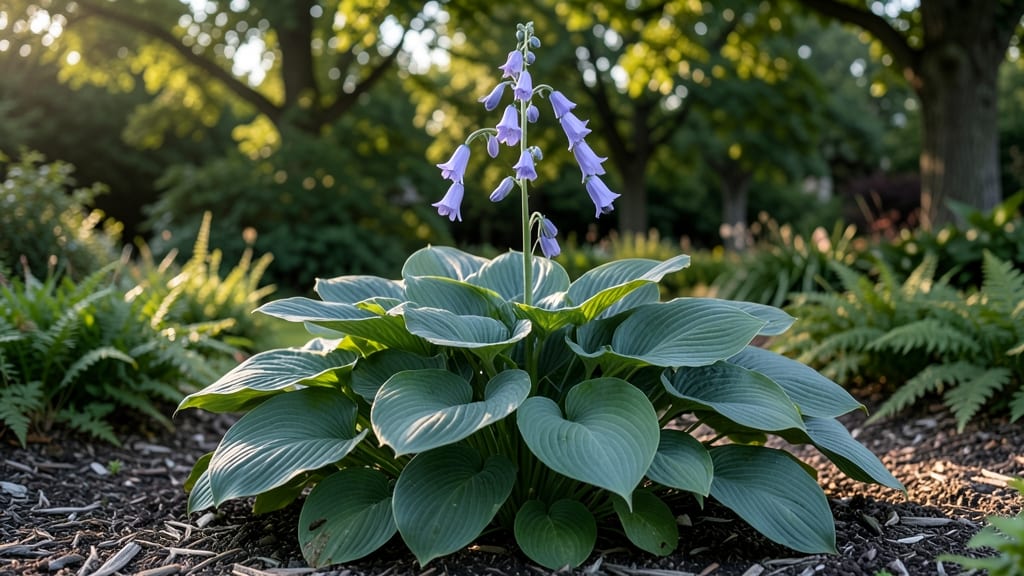
Hosta plants surprise you every summer with their delicate flower spikes—those lacecap or funnel-shaped blooms that rise like tiny exclamation points above the lush foliage. 🌿 I’ll never forget the first time I saw mine burst into bloom in early July, a splash of lavender or white against the deep green leaves.
Most gardeners overlook these flowers, but they’re actually a sign your hosta is thriving, not just surviving.
The blooms appear on mature plants (usually after 2-3 years) when given the right conditions: partial shade and consistently moist soil. Too much sun scorches the leaves, while too little light stunts the flower stalks.
The good news? Once you’ve got the basics right, flowering becomes almost automatic—just like clockwork, though the exact timing shifts slightly each year based on your local climate.
Here’s the thing about hosta flowers: they’re beautiful, but they’re not the main event. The real star is the foliage, which stays vibrant long after the blooms fade. That said, if you love the flowers, leave them—just know they’ll drain energy from the plant.
For bigger, showier leaves next season, snip them off after they brown. Either way, you’ll end up with a shade garden that’s the envy of the neighborhood.
Whether you’re growing hostas for their leaves, their flowers, or both, the key is patience. First blooms might take a few years, but once they arrive, they’ll keep coming back—year after year, season after season.
Now let’s talk about how to coax those flower spikes into being their most spectacular selves.
📚 In This Guide
- What you need
- Instructions
- Tips and common mistakes
- Wrapping up and next steps
What you need
- ● Hosta plants: 1–3 mature hosta plants (depending on desired garden size; choose varieties like Hosta 'Blue Angel' or Hosta 'Halcyon' for vibrant blooms).
- ○ Optional: Seeds (if starting from scratch; germination can be slow—patience is key!).
- ● Garden soil: Well-draining, rich in organic matter (amend with compost if needed).
- ● Mulch: 2–3 inches of shredded bark or leaf mold to retain moisture.
- ● Watering can or hose: With a gentle spray nozzle for delicate seedlings or newly planted hostas.
- ● Garden gloves: To protect your hands from soil and sharp foliage.
- ● Trowel or transplant spade: For digging holes (6–12 inches deep/wide).
- ● Slow-release fertilizer: Balanced (10-10-10) or organic options like composted manure.
- ● Location: Partial to full shade (dappled sunlight is ideal for blooms).
- ○ pH test kit (optional): Hostas prefer slightly acidic to neutral soil (6.0–7.5).
- ● Pruners (sterilized): For trimming spent blooms or dividing mature clumps.
- ○ Stakes or cages (optional): To support tall varieties like Hosta 'Guacamole'.
- ● Patience: Hostas take 2–3 years to establish and flower fully!
Step-by-step guide to encouraging stunning hosta flowers
Here's how to coax those dramatic late-season blooms from your shade-loving hostas.
🌱 Step 1: Choose the Right Varieties for Flowering
Not all hostas produce flowers—focus on cultivars known for their blooms like 'Halcyon,' 'June,' or 'Royal Standard.' These varieties reliably produce those tall, candelabra-like flower spikes that add vertical drama to shade gardens. I always check the plant label before buying, because some fancy foliage varieties like 'Blue Angel' or 'Francee' prioritize leaves over flowers.
Even within flowering varieties, size matters. Smaller hostas like 'Francee' produce proportionally smaller (but still showy) flower spikes, while giants like 'Sum and Substance' can reach 5 feet tall when in bloom. Match your hosta's mature size to your garden space—tall varieties need room to sway without crowding neighboring plants.
☀️ Step 2: Provide the Right Light Conditions
Hostas need partial shade to flower well—typically 3-6 hours of morning sun and afternoon shade. Too much direct sun scorches leaves, while too little shade results in weak stems that can't support flower spikes. I've seen hostas in deep shade produce leaves but no flowers at all.
Watch for these visual cues: Leaves should stay lush and green, not yellow or crispy. If your hostas are in full shade (like under large trees), consider moving them to a spot with dappled light or supplementing with a shade cloth that filters 30-50% of sunlight. The goal is to keep foliage healthy while giving plants enough energy to produce flowers.
💧 Step 3: Water and Feed for Maximum Bloom Production
Consistent moisture is key—hostas hate drying out, especially when flower buds form. Water deeply 1-2 times per week, aiming for 1 inch of water each time. You'll know you're doing it right when the soil feels moist 2-3 inches down but not soggy. Overwatering leads to rot, while underwatering causes buds to drop.
Feed with a balanced fertilizer (10-10-10 or 20-20-20) in early spring when new growth appears, then again in early summer as flower buds form. I use about 1 tablespoon per plant for smaller varieties and 2 tablespoons for large ones. Avoid high-nitrogen fertilizers—they promote leaf growth at the expense of flowers.
✂️ Step 4: Prune Strategically to Encourage Flowering
Deadhead spent flower spikes in late summer to redirect the plant's energy into next year's blooms. Simply snip off the faded flowers with clean pruners, cutting back to where the stem meets the foliage. This prevents seed production, which can weaken the plant.
Here's the thing—don't cut back foliage until after the first frost. The leaves photosynthesize until they die back naturally, storing energy for next year's growth. If you remove leaves too early, your hosta won't have enough reserves to produce strong flower stems in spring.
⏰ Step 5: Protect Flowers Through Late Season
Hosta flowers often appear in late summer to early fall, just as temperatures start dropping. If a hard frost is forecasted before the flowers fade naturally, cover them with frost cloth to protect the stems. This gives the plant time to complete its reproductive cycle and store energy for next year.
Watch for slugs and snails—they love hosta flowers as much as you do. I've lost entire flower spikes overnight to these pests. Set out beer traps or apply iron phosphate bait around the base of plants if you notice damage. A few chewed flowers won't kill your hosta, but protecting them ensures a better show next season.
Tips & tricks for perfect hosta flowers
Real talk: Getting hostas to flower isn't just luck—it's about understanding their quirks. Here's what I've learned after years of trial and error with these shade-loving stars.
Variety Matters More Than You Think: I've seen gardeners spend hours perfecting light and soil only to end up with leafy hostas that never bloom. The key is starting with the right cultivars. Look for 'Halcyon' or 'June'—these are proven performers. Even within flowering varieties, size affects bloom quality. Smaller hostas like 'Francee' produce delicate but charming flowers, while giants like 'Sum and Substance' need space to show off their 5-foot-tall flower spikes. If you're limited on space, opt for dwarf varieties—they'll still give you that vertical drama without overpowering your garden.
Light Is the Foundation: Those 3-6 hours of morning sun aren't just a suggestion—they're non-negotiable for strong flower stems. I've had hostas in full shade produce beautiful leaves but floppy, weak flower stalks that couldn't stand upright. The afternoon shade is equally important—it prevents leaf scorch while still giving plants enough energy for flowering. If you're working with deep shade (like under mature trees), supplement with a 30-50% shade cloth during the brightest hours of the day. Think of it as giving your hostas a controlled sunbath while protecting their sensitive leaves.
Watering Wisdom for Blooms: The 1-2 times per week rule is a great starting point, but timing matters just as much. Water deeply in the morning so the soil has time to dry slightly before evening—this prevents fungal issues that can rot flower buds. I check moisture by sticking my finger 2-3 inches down; if it feels dry, that's your cue. And here's the thing about fertilizer: that 1 tablespoon for small plants and 2 for large ones? Use it in early spring and early summer only. Too much nitrogen later in the season will give you lush leaves but no flowers—your hosta will be too busy making foliage to bother with blooms.
Pruning Pitfalls to Avoid: Deadheading in late summer is crucial, but timing is everything. Cut back to where the stem meets the foliage—don't leave any stubs. I've made the mistake of cutting too low and accidentally removing next year's flower buds. And about that foliage—leave it until after the first frost. Those leaves are working overtime to store energy for next year's blooms. I've seen hostas that were pruned too early produce only half the number of flower spikes the following season. Patience pays off with hostas!
Pro Tips for Hosta Plant Flowers
- Real talk: Getting hostas to flower isn't just luck—it's about understanding their quirks.
- Variety Matters More Than You Think: I've seen gardeners spend hours perfecting light and soil only to end up with leafy hostas that never bloom.
- Light Is the Foundation: Those 3-6 hours of morning sun aren't just a suggestion—they're non-negotiable for strong flower stems.
Frequently asked questions
Got questions about hosta plant flowers? You’re not alone! Whether you’re a seasoned gardener or just starting, these common queries can help you get the most out of your shade-loving beauties.
When do hosta flowers bloom, and how long do they last?
Hosta flowers typically bloom in late summer to early fall (August–September), depending on your climate. The flower spikes can last 3–6 weeks, adding delicate charm to your garden. Some varieties, like Hosta ‘Halcyon’, produce fragrant blooms that attract pollinators—perfect for a late-season show!
Why aren’t my hostas flowering this year?
Don’t worry—hostas prioritize foliage growth over flowers, especially in their first few years. Mature plants (3+ years old) with enough sunlight (4+ hours/day) and well-draining soil are more likely to bloom. Over-fertilizing with high-nitrogen feeds can also suppress flowers. Try a balanced fertilizer (like 10-10-10) in early spring instead.
Can I cut back hosta flowers after they fade?
Yes! Once the blooms fade and turn brown, you can snip the flower stalks at the base to keep your hosta looking tidy. This also redirects energy to next year’s growth. Pro tip: Leave the leaves until they yellow naturally—they protect the crown and store nutrients for spring!
Are there hostas with showy flowers, or are they all subtle?
While most hosta flowers are delicate and understated, some stand out! Varieties like Hosta ‘Blue Angel’ (lavender blooms) or Hosta ‘Francee’ (fragrant white flowers) add height and texture. For bold color, pair them with heuchera, astilbe, or ferns in your shade garden.
Do hosta flowers attract pests like slugs or snails?
Hosta flowers themselves aren’t a major pest magnet, but slugs and snails love the tender new leaves that emerge after flowering. To protect your plants, use organic slug baits, copper barriers, or handpick pests in the evening. Bonus: Birds and bees adore the blooms—great for a thriving ecosystem!
Wrapping up and next steps
Hostas may be prized for their lush foliage, but their late-season flowers bring a stunning surprise to shade gardens! 🌸 From delicate lavender blooms to striking purple spikes, these flowers not only add beauty but also attract pollinators.
Whether you're a seasoned gardener or just starting out, hosting these plants in your garden is a rewarding choice.
Ready to elevate your shade garden? Start by selecting the right hosta varieties for your space, then give them the care they need to thrive. With a little patience, you’ll be enjoying their vibrant blooms—and maybe even some adorable slugs—year after year!