
Flowers
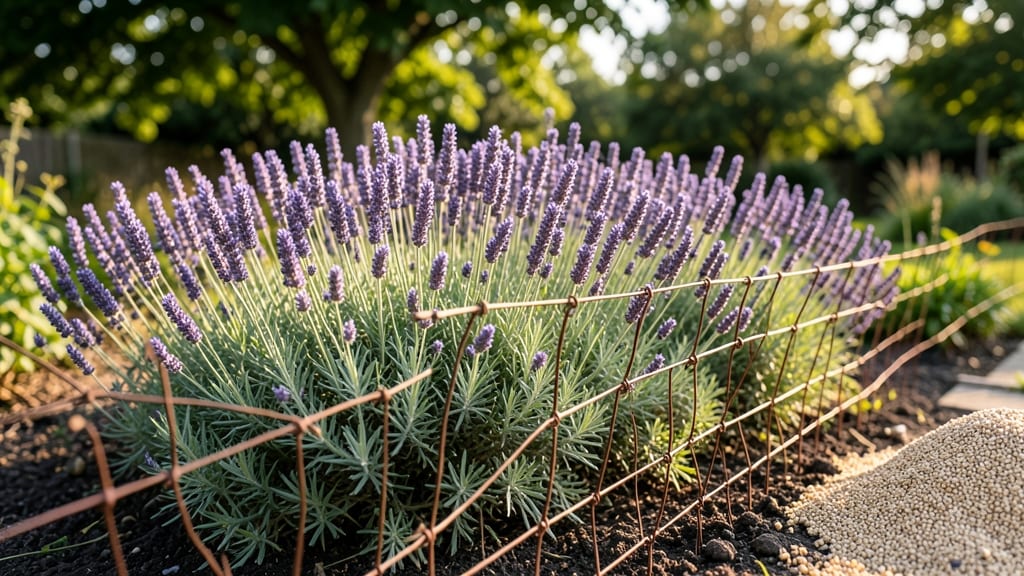
Learn how to deter bunnies from eating your flowers by first mastering their sneaky habits—those fluffy bandits can flatten a garden overnight. 🌿 I’ve lost count of the times my hostas and tulips became rabbit snacks, but I’ve since learned which barriers actually work. without harming the critters or your plants.
The key is combining physical obstacles with natural repellents. Chicken wire wrapped around plants stops them cold, while garlic or hot pepper sprays (mixed with water and soap) make your flowers taste terrible to rabbits.
Even a few marigolds or lavender planted nearby can confuse their noses enough to keep them away.
You’ll see a difference within days—no more chewed petals or vanished blooms. The best part? These methods protect your garden without trapping or harming the bunnies. Just remember: consistency is everything, and checking your barriers after rain keeps them effective.
Works for any flower bed, from formal borders to wild cottage gardens. Let’s get those rabbits redirected before they turn your yard into a salad bar!
📚 In This Guide
- What you need
- Instructions
- Tips and common mistakes
- Wrapping up and next steps
What you need
- ● Physical Barriers: Chicken wire (18–22 gauge, at least 2–3 feet tall) – 10–20 feet per garden section
- ● Hardware cloth (½-inch mesh) – 5–10 feet per vulnerable area (bunnies can squeeze through larger gaps!)
- ● Sturdy stakes or posts (wooden or metal) – 4–6 per barrier section
- ● Twine or zip ties – 1–2 rolls (for securing barriers)
- ● Natural Repellents: Compost or well-rotted manure – 1–2 gallons (for homemade sprays)
- ● Garlic or hot pepper flakes – ½ cup (for sprays or granules)
- ● Essential oils (peppermint, citrus, or clove) – 10–15 drops (for DIY repellent blends)
- ● Spray bottles (16–32 oz) – 2–4 (for applying repellents)
- ● Plant-Based Deterrents: Marigolds, lavender, or daffodils – 3–5 plants per garden bed (bunnies dislike their scent!)
- ● Fresh herbs (rosemary, thyme, or mint) – small pots or clippings
- ● Motion-activated sprinklers – 1–2 units (for large gardens)
- ● Commercial rabbit repellent granules (e.g., Liquid Fence) – 1–2 bags
- ● Decorative rocks or mulch – 5–10 bags (to create physical obstacles)
- ● Garden flags or reflective tape – 1 roll (to startle bunnies visually)
Step-by-step guide to creating natural bunny-proof flower gardens
Here's how I've kept my blooms safe from hungry rabbits—tested over three seasons.
🌱 Step 1: Choose the Right Plants for Your Climate
Start with flowers rabbits typically avoid. I focus on daisies, lavender, and snapdragons—their strong fragrance and fuzzy textures deter nibbling. Check your local nursery for rabbit-resistant varieties like foxglove, agapanthus, or alliums, which rabbits usually skip. Plant these strategically around your garden's perimeter to create a natural barrier.
If you're committed to certain favorites that rabbits love, like tulips or hostas, plant them in raised beds or containers instead. Rabbits can't jump over 12-inch-high barriers, so elevated planting solves the problem immediately. I use galvanized steel edging for my raised beds—it's durable and won't rot like wood.
🪴 Step 2: Install Physical Barriers with Natural Materials
Rabbits can't climb or jump over 2-3 feet of height, so I use chicken wire or hardware cloth (not plastic mesh—rabbits chew through it). Bury the bottom 6 inches deep or anchor it with stakes to prevent digging underneath. For a more natural look, I weave bamboo stakes around my garden beds and drape chicken wire between them—it blends better than wire alone.
For smaller gardens, mulch rings work surprisingly well. Spread 3-4 inches of coarse wood chips or pine cones around each plant. Rabbits dislike the texture underfoot and avoid crossing it. Refresh the mulch every 4-6 weeks as it breaks down. I also sprinkle hot pepper flakes (from cayenne) around the base—it's a mild deterrent that washes away with rain.
☀️ Step 3: Use Scent-Based Deterrents Strategically
Rabbits have an incredible sense of smell, so I rely on strong, unpleasant scents they naturally avoid. Mix 1 part predator urine (coyote or fox) with 3 parts water and spray around garden edges. Reapply every 7-10 days or after rain. I also place cotton balls soaked in vinegar near vulnerable plants—the sour smell keeps them away without harming the flowers.
For a longer-lasting solution, plant strong-scented herbs like rosemary, mint, or thyme around your flower beds. Rabbits dislike these fragrances and will avoid the area. I also hang cedar mulch bags near garden entrances—cedar's natural oils repel rabbits and add a pleasant woodsy aroma to the garden.
✂️ Step 4: Maintain Deterrents with Regular Checkups
Inspect your barriers weekly for gaps or damage. Rabbits will exploit even small openings, so patch holes immediately with wire or mulch. I keep a roll of chicken wire and a pair of wire cutters handy for quick repairs. After heavy rain, reapply scent deterrents—water dilutes their effectiveness, so consistency is key.
Rotate your deterrent methods seasonally. In spring, when rabbits are most active, I combine physical barriers with scent sprays. By summer, I rely more on mulch and herb borders since the heat reduces rabbit foraging. Always monitor which methods work best in your area—what stops rabbits in one yard might fail in another.
Tips & tricks for creating effective natural rabbit deterrents
Between us, these small details make all the difference when protecting your garden from rabbits.
Plant Placement Strategy: Position your most vulnerable plants—like tulips or hostas—deepest in your garden beds rather than along edges. Rabbits tend to work their way inward, so creating a buffer zone of rabbit-resistant plants (like daisies or lavender) around the perimeter gives your prized blooms better protection. I've found that arranging plants in concentric circles with the most attractive ones in the center creates a natural defense system.
Barrier Installation: When burying chicken wire or hardware cloth, go deeper than just 6 inches—aim for 8-10 inches in areas with loose soil. Rabbits are surprisingly good diggers, and I learned this the hard way after watching them tunnel under my original 6-inch barrier. For extra security, add a second layer of wire at the base if you notice any disturbance in the soil.
Scent Application Technique: For predator urine sprays, apply them in the late afternoon when rabbits are most active. The scent lingers longer in cooler evening air, giving you better deterrent coverage overnight. I also discovered that mixing a few drops of essential oils (like peppermint or citronella) into the urine solution makes it even more effective—just don't use oils that might harm your plants.
Seasonal Adaptation: In fall, when rabbits start foraging more aggressively before winter, I switch to a combination of all three methods: physical barriers, scent deterrents, and mulch rings. The cooler temperatures make rabbits more persistent, so layered protection becomes essential. I also move my most vulnerable plants into containers and bring them indoors during the worst months if possible.
Pro Tips for Deter Bunnies From Eating Flowers
- Between us, these small details make all the difference when protecting your garden from rabbits.
- Plant Placement Strategy: Position your most vulnerable plants—like tulips or hostas—deepest in your garden beds rather than along edges.
- Barrier Installation: When burying chicken wire or hardware cloth, go deeper than just 6 inches—aim for 8-10 inches in areas with loose soil.
Frequently asked questions
What’s the best time of year to set up rabbit deterrents?
Spring and early summer are critical—bunnies start nibbling as soon as flowers emerge! Install barriers (like fencing or netting) before planting or when shoots appear. For existing gardens, act fast once you spot damage. Late fall deterrents also help, as rabbits may still forage for winter food.
Are commercial rabbit repellents safe for flowers and pets?
Most pet-safe repellents (like pepper-based sprays or garlic granules) won’t harm flowers or pets if used as directed. Always check labels for organic certification and avoid poisonous chemicals (e.g., rodenticides). Spot-test sprays on a few leaves first to prevent discoloration.
What if bunnies keep coming back after I’ve tried everything?
Persistence is key! Combine methods:
- Add motion-activated sprinklers for extra scares.
- Check for hidden burrows nearby and block entry points.
- Try ultrasonic repellents (though effectiveness varies).
Can I use homemade sprays instead of store-bought?
Mix 1 tbsp cayenne pepper + 1 tsp dish soap + 1 gallon water in a spray bottle. Reapply every 3–5 days after rain. Other DIY options:
- Vinegar + water (1:1 ratio) for a strong smell.
- Crushed red pepper flakes sprinkled around plants.
Will deterrents harm beneficial insects like bees?
Most natural deterrents (like pepper spray or physical barriers) are bee-friendly! Avoid neonicotinoids or broad-spectrum pesticides. For extra safety, apply repellents in the evening when bees are less active. Plant bee-attracting flowers (e.g., lavender, marigolds) outside the protected area.
Wrapping up and next steps
Deterring bunnies from your prized flowers doesn’t have to be a battle—just a smart, natural strategy! 🌿 By combining physical barriers, repellents, and habitat tweaks, you can protect your garden while keeping wildlife happy (and hungry elsewhere).
Start small, experiment with what works best in your space, and soon your blooms will thrive without a single nibble.
Ready to take action? Pick one method from this guide and give it a try this weekend—your garden (and your bunnies) will thank you!