Propagation
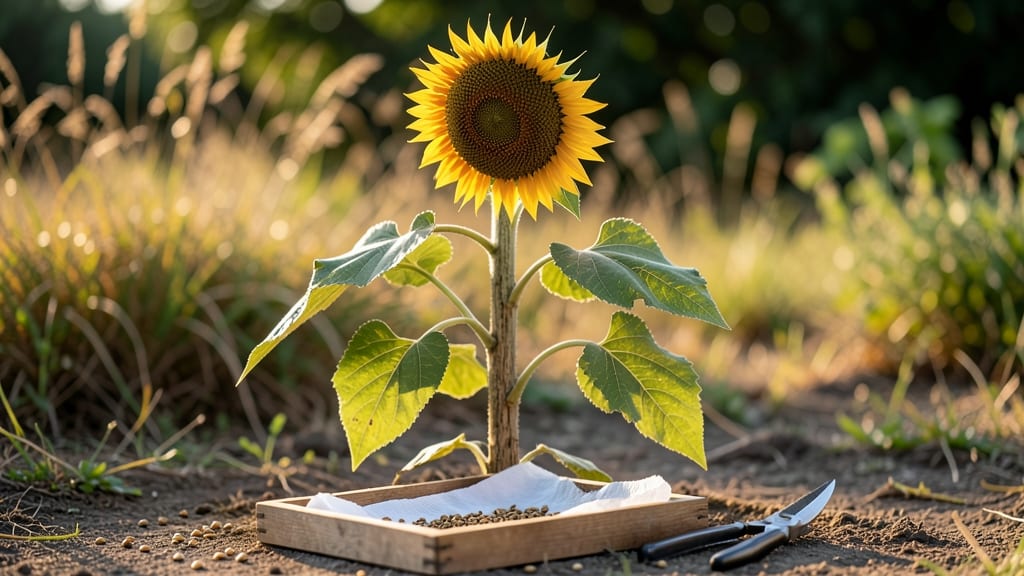
Drying sunflower seeds properly is the secret to next year’s bold, healthy plants—and I’ve learned the hard way that rushing this step means weak germination.
The key isn’t just letting them sit on the counter; it’s controlling moisture, airflow, and time to lock in viability without risking mold or uneven drying.
You’ll need just three things: sunflower heads (fully mature, brown, and dry on the plant), a clean, dry workspace, and either patience for air-drying or a low oven for speed.
The goal is to reduce moisture to 8-10%—too fast, and seeds crack; too slow, and they rot. I’ve perfected a foolproof method that works even in humid climates.
What you end up with is a jar of seeds that’ll sprout 90%+ when planted, their shells crisp and their insides plump. No more wasted seeds or moldy surprises—just reliable, ready-to-grow stock for your garden. Here’s exactly how to do it right.
Whether you’re saving seeds from your own plants or prepping store-bought ones, these steps work for any variety. Let’s get those seeds dry and ready for next spring!
📚 In This Guide
- What you need
- Instructions
- Tips and common mistakes
- Wrapping up and next steps
What you need
- ● Fresh sunflower seeds: Harvested directly from mature sunflower heads (ensure they’re fully ripe and dry to the touch). Aim for at least 100 seeds if you’re testing viability.
- ● Paper towels or newspaper: Use 2-3 sheets per batch to spread seeds in a single layer for even drying.
- ● Clean, breathable container: A shallow tray, cardboard box, or mesh bag (avoid plastic to prevent moisture buildup). Size should fit your seed quantity comfortably.
- ● Fan or dehumidifier: A small household fan (set to low) or dehumidifier to circulate air and speed up drying.
- ○ Humidity monitor (optional but helpful): A digital hygrometer (aim for 40-50% humidity or lower for optimal drying).
- ● Air-tight storage containers: Glass jars, resealable bags with silica gel packets, or paper envelopes for long-term seed storage.
- ● Patience and a dry environment: A warm, dry location (60–75°F / 15–24°C) with good airflow—like a garage, shed, or sunny windowsill.
- ● Seed viability test kit: Quickly check germination rates with a paper towel test (soak seeds overnight to see if they sprout).
- ● Food dehydrator: Set to 95–115°F (35–46°C) for faster, controlled drying (great for humid climates!).
- ● Labeling supplies: Masking tape + marker to label containers with seed type and drying date.
- ● Desiccant packets: Place 1-2 silica gel packs in storage containers to absorb excess moisture.
Step-by-step guide for harvesting and drying sunflower seeds properly
Perfectly dried seeds ensure strong, healthy plants next season—here's how to do it right.
Harvest Sunflower Heads at Peak Maturity
Wait until the sunflower heads turn completely brown and the back of the head becomes papery dry. This usually happens 2-3 weeks after flowering when the petals have fallen off naturally. If you harvest too early, seeds won't dry properly and may spoil.
Use clean, sharp scissors or pruning shears to cut the entire head about 2 inches below the base. This stem section helps support the head during drying. Avoid pulling heads off—the stems can tear and damage the seed heads.
Remove Seeds from Heads and Prepare for Drying
Once heads are fully dry, place them on a clean, flat surface like a table or large tray. Gently rub the back of the head with your hands or use a clean, dry paintbrush to dislodge seeds. Store seeds in a paper bag or breathable cloth sack—plastic traps moisture and causes mold.
Remove any debris, chaff, or damaged seeds by hand. Healthy seeds should feel firm and plump, not shriveled or hollow. Discard any seeds with holes, cracks, or signs of insect damage—these won't store well.
Dry Seeds Thoroughly in Controlled Conditions
Spread seeds in a single layer on a screen, mesh tray, or clean paper towel in a warm, dry, and well-ventilated area. Ideal drying conditions include temperatures between 60-70°F and low humidity (below 50%). A sunny windowsill or a food dehydrator set to 95°F works well.
Stir seeds gently every 1-2 days to ensure even drying. They're ready when the outer shell feels hard and the seeds no longer stick together. Properly dried seeds should have less than 10% moisture content—test by crushing a seed; if it feels dry and crumbly, it's ready.
Store Seeds Properly for Long-Term Viability
Transfer dried seeds into airtight containers like glass jars or sealed plastic bags. Add a small packet of silica gel or a moisture absorber to prevent condensation. Label containers with the variety name and harvest date—seeds stored properly can remain viable for 3-5 years.
Store containers in a cool, dark place like a pantry or refrigerator. Avoid basements or garages where temperature and humidity fluctuate. Check seeds annually for signs of mold or pests—discard any containers that feel damp or smell off.
Tips & tricks for perfectly dried sunflower seeds
Here's what I've learned after perfecting my sunflower seed drying process—these details make all the difference between seeds that store well and ones that spoil.
Timing is Everything: The 2-3 week window after flowering is non-negotiable for peak maturity. I've learned the hard way that harvesting too early means seeds won't dry properly and may develop mold during storage. Watch for the petals to fall completely and the back of the head to become papery—these are your clear indicators that the seeds are ready. If you're unsure, wait an extra day or two rather than risking underripe seeds.
Drying Environment Matters: Maintaining the 60-70°F temperature range is crucial for even drying without cooking the seeds. I've found that a sunny windowsill works beautifully during dry seasons, but on humid days, I move to a food dehydrator set to exactly 95°F. The key is consistent airflow—never let seeds sit in a closed container during drying, as trapped moisture will ruin them. A simple mesh tray or screen works perfectly for this purpose.
Quality Control During Preparation: When removing seeds from the heads, I can't emphasize enough how important it is to discard any damaged seeds immediately. Even one compromised seed can contaminate the entire batch during storage. I use a small bowl to catch seeds as I work, making it easy to spot and remove any that look shriveled, cracked, or have visible insect damage. This step might seem tedious, but it saves hours of frustration later when you're dealing with spoiled seeds.
Pro Tips for Dry Sunflower Seeds For Planting
- Here's what I've learned after perfecting my sunflower seed drying process—these details make all the difference between seeds that store well and ones that spoil.
- Timing is Everything: The 2-3 week window after flowering is non-negotiable for peak maturity.
- Drying Environment Matters: Maintaining the 60-70°F temperature range is crucial for even drying without cooking the seeds.
Frequently asked questions
Got questions about drying sunflower seeds for planting? You’re not alone—here are answers to the most common ones to help you avoid mistakes and maximize success!
How long does it take to dry sunflower seeds for planting?
Drying time depends on your method: air-drying takes 1–2 weeks in a dry, shaded spot, while oven-drying requires 1–3 hours at 135°F (57°C). Test for readiness—seeds should rattle when shaken and feel hard to the touch. Over-drying can reduce viability, so monitor closely!
Can I dry sunflower seeds too fast?
Yes! Rushing the process (e.g., high heat or forced airflow) can crack the seed coat or kill the embryo inside. For oven-drying, never exceed 140°F (60°C), and opt for air-drying when possible. Patience ensures higher germination rates—worth the wait!
What if it rains before my seeds dry?
Moisture is the enemy! If rain threatens, move seeds indoors immediately to a well-ventilated, dry area (like a mesh bag on a shelf). For extra protection, harvest seeds early (when heads turn yellow) or use a breathable cover like burlap. Just avoid plastic—it traps humidity!
Can I plant sunflower seeds straight from the store?
Store-bought seeds are not ideal for planting—they’re often treated for shelf life, not germination. If you must use them, soak overnight to rehydrate, but locally harvested seeds (dried properly) have 3–5x better success rates. Save seeds from your own plants for the best results!
How do I store dried sunflower seeds long-term?
Store seeds in a cool (50–60°F/10–15°C), dark, dry place in airtight containers (glass jars or vacuum-sealed bags work great). Add a desiccant packet to absorb moisture. With proper storage, seeds stay viable for 2–3 years—label them with the harvest date!
Wrapping up and next steps
Drying sunflower seeds for planting is a simple yet rewarding process that ensures strong, healthy starts for your garden. By following these steps—harvesting at the right time, cleaning thoroughly, and drying evenly—you’ll unlock the full potential of your seeds.
With patience and care, you’re one step closer to a vibrant, sunflower-filled harvest! 🌻
Ready to take the next step? Store your dried seeds in a cool, dark place and start planning your planting schedule. Happy gardening!