
Flowers
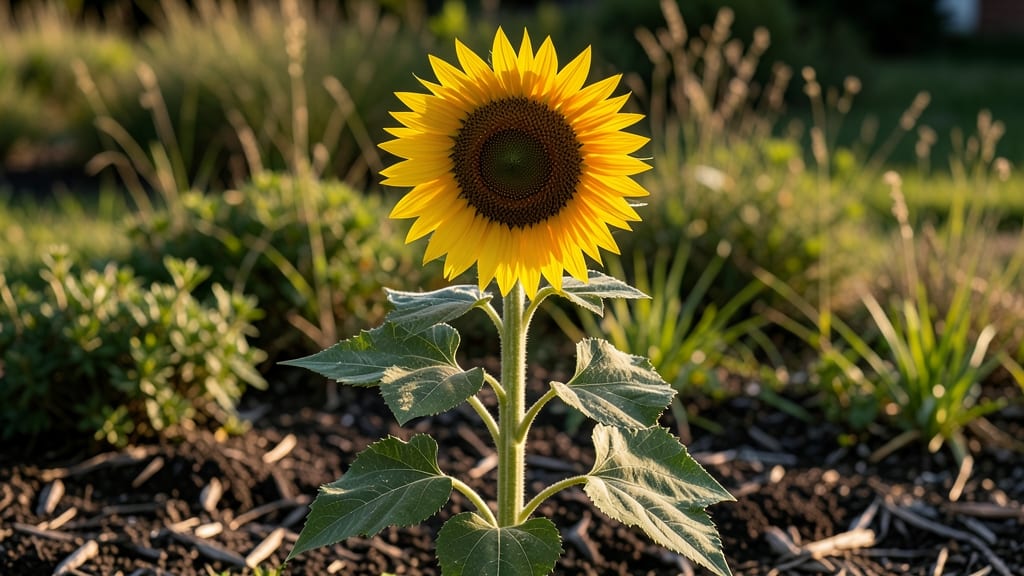
How to grow tall sunflowers starts with the right variety and a little patience—my 12-foot Russian Mammoth nearly knocked out my porch light last summer. 🌻 The secret isn’t just water or sun, but strong stems from the ground up.
I’ll show you how to pick varieties that grow tall, prep soil that supports them, and avoid the floppy stems that collapse under their own weight.
You’ll need well-draining soil, full sun, and a sturdy support system (like stakes or cages) for varieties over 8 feet. Plant seeds deep—1-2 inches—and thin seedlings to 18-24 inches apart to give roots room to anchor.
Water deeply once a week, keeping the soil moist but not soggy, and watch those stems thicken like tree trunks. With the right care, you’ll have sunflowers tall enough to block the neighbor’s view—and that’s the real reward.
📚 In This Guide
- What you need
- Instructions
- Tips and common mistakes
- Wrapping up and next steps
What you need
- ● Sunflower seeds: Choose tall varieties like Russian Giant (10–14 ft) or Mammoth (12–16 ft). Buy 10–20 seeds per plant (or pre-sprouted seedlings for faster growth).
- ● Well-draining soil: A mix of 60% topsoil, 30% compost, and 10% perlite/sand (pH 6.0–7.0). Test your soil’s nutrients—sunflowers love phosphorus and potassium!
- ● Sunflower pots or garden bed: For containers: 5-gallon pots (minimum) with drainage holes, 12–18 inches deep (deeper = taller stems!). Use 3–5 pots if growing multiple plants.
- ● For in-ground: Space seeds 12–18 inches apart in rows 2–3 feet apart to avoid competition.
- ● Watering can or hose: With a gentle spray nozzle to avoid damaging stems.
- ● Fertilizer: Balanced 10-10-10 or organic compost tea (apply at planting and when flowers bloom).
- ○ Stakes or trellis (optional but recommended): Bamboo stakes (3–4 ft tall) or metal garden stakes (1–2 per plant).
- ● Soft plant ties (nylon or fabric, not wire!) to secure stems.
- ● Pruning shears: For trimming lower leaves (sterilize with rubbing alcohol).
- ● Mulch: Straw or wood chips to retain moisture and suppress weeds.
- ● Epsom salt: 1 tbsp per gallon of water (spray on leaves weekly for magnesium boost).
- ● Sunflower-specific fertilizer: High in phosphorus (e.g., bone meal) to encourage root and stem growth.
- ● Garden twine: For extra support if winds are strong in your area.
- ● Seedling heat mat: If starting indoors in cool climates (keeps soil at 70–75°F).
Step-by-Step instructions for cultivating towering sunflowers
Here's how I've grown sunflowers reaching over 10 feet—with sturdy stems that don't flop.
🌱 Step 1: Choose the Right Variety and Plant at Peak Time
Select a giant sunflower variety like 'Russian Giant' or 'Mammoth'—these are bred for height and strong stems. Plant seeds 4-6 weeks before your last frost date when soil temperatures reach at least 60°F. Cold soil slows germination, and you'll end up with weak stems that struggle to support their own weight.
I always test soil temperature with a thermometer—if it's cooler, wait. The first true leaves should appear within 7-10 days if conditions are right. If germination takes longer, check moisture levels; seeds need consistently damp (not soggy) soil to sprout.
☀️ Step 2: Position for Maximum Sunlight and Airflow
Sunflowers need full sun (6-8 hours daily) to grow tall and strong. Plant them in a location with south-facing exposure where they won't be shaded by trees or buildings. I space my plants 18-24 inches apart in rows 3 feet apart—this prevents overcrowding, which weakens stems and invites disease.
Here's the thing—sunflowers grow fast, but their stems need support. If you notice stems leaning toward the light, gently guide them upright with a soft tie to a stake (I use 3-foot bamboo stakes inserted at planting). This prevents the classic "floppy sunflower" look that happens when stems grow too quickly for their own strength.
💧 Step 3: Water Deeply and Consistently
Water deeply once a week (about 1-2 gallons per plant) rather than light daily watering. This encourages deep root growth, which is critical for supporting 10-foot stems. I water in the early morning so foliage dries quickly—wet leaves at night invite fungal diseases like powdery mildew.
Watch for wilting in the afternoon heat—this is normal as long as the soil is moist. If leaves stay wilted overnight, water immediately. Overwatering is just as bad; sunflowers hate soggy roots. Stick your finger 2 inches into the soil—if it's dry, water; if it's damp, wait.
✂️ Step 4: Fertilize and Support for Maximum Height
After the first set of true leaves appears, apply a balanced fertilizer (10-10-10) at half strength. I mix 1 tablespoon per gallon of water and apply it every 4 weeks during the growing season. Too much nitrogen makes stems weak and prone to snapping—focus on potassium and phosphorus for stem strength.
When plants reach 3-4 feet tall, insert a 6-foot stake next to each stem and tie it loosely with soft gardening twine. Don't cinch it tight—sunflowers grow fast, and stems need room to thicken. Check ties weekly and adjust as stems grow. This support lets them focus energy on height instead of bracing against wind.
🌿 Step 5: Deadhead and Monitor for Pests
Once the first flower bud forms, remove any side buds that appear lower on the stem. This directs all the plant's energy into one massive bloom instead of multiple smaller ones. Pinch off buds with your fingers—no need for shears. I do this once a week until the main bud opens.
Watch for sunflower moths or beetles—they can chew leaves and stems. If you see damage, spray with neem oil (I mix 1 tablespoon per quart of water) in the evening. Avoid chemical pesticides; they harm pollinators and can weaken stems. Healthy plants resist pests better than stressed ones.
Tips & tricks for perfect sunflower cultivation
Here's what nobody tells you about growing sunflowers that'll actually reach those sky-high goals.
Soil Temperature Secret: That 60°F soil temperature isn't just a suggestion—it's non-negotiable for strong stems. I've tried planting in cooler soil, and the resulting plants always wilted under their own weight. Use a soil thermometer to confirm before planting. If your soil runs cooler, consider black plastic mulch to warm it up faster—it can raise soil temps by 10°F or more.
Staking Strategy: Don't wait until your sunflowers are already leaning to stake them! Insert those 3-foot bamboo stakes at planting time in Step 2. The stakes help guide root growth downward while the plant is still establishing itself. I've seen stems snap midway up when staking was delayed—prevention is key here. The loose ties should feel like a gentle hug, not a straitjacket.
Watering Wisdom: Those 1-2 gallons per week might seem like a lot, but it's worth it for deep root development. I've noticed that plants watered more frequently develop shallow roots that can't support the height we're aiming for. Water at the base rather than overhead to prevent fungal issues, and always water in the morning so foliage dries completely before nightfall.
Fertilizer Focus: The 10-10-10 balanced fertilizer at half strength is perfect, but timing matters. Apply it when you see the first true leaves—not before. Early feeding can make stems soft and prone to snapping. I've also found that a side dressing of compost around the base after the first feeding gives an extra boost without overfeeding. And remember: potassium and phosphorus are your friends for stem strength!
Pro Tips for Grow Tall Sunflowers
- Here's what nobody tells you about growing sunflowers that'll actually reach those sky-high goals.
- Soil Temperature Secret: That 60°F soil temperature isn't just a suggestion—it's non-negotiable for strong stems.
- Staking Strategy: Don't wait until your sunflowers are already leaning to stake them!
Frequently asked questions
Got questions about growing towering sunflowers? Here are answers to the most common ones—so you can avoid pitfalls and grow giants with confidence!
How long does it take for sunflowers to reach their full height?
Most tall sunflower varieties take 80–120 days from seed to full height (6–14 feet!). Dwarf varieties mature faster (60–70 days), while giants like 'Russian Giant' or 'Mammoth' take the longest. Check your seed packet for exact timelines—patience pays off with those sky-high stems!
Can I grow sunflowers from store-bought seeds, or do I need special seeds?
Store-bought sunflower seeds (from the grocery store) are edible, not bred for height or blooms. For tall varieties, buy heirloom or hybrid seeds from nurseries or online (look for labels like "giant" or "tall"). Pro tip: Save seeds from your best-performing plants for next year’s free, organic stock!
Why are my sunflowers wilting or dying before they grow tall?
Wilting often signals underwatering, overwatering, or poor drainage. Sunflowers need 1–2 inches of water per week (more in extreme heat). Check soil moisture—it should be damp but not soggy. Yellowing leaves? You might be overwatering. Brown edges? Underwatering or heat stress. Mulch helps retain moisture!
Do sunflowers need full sun, or can they grow in partial shade?
Sunflowers thrive in full sun (6+ hours daily), but they’ll tolerate 4–6 hours if given rich soil and consistent water. In partial shade, they’ll grow shorter and leggy with fewer blooms. For maximum height, plant them in the sunniest spot in your garden—think south-facing for Northern Hemisphere gardens.
Can I grow sunflowers in containers, or do they need a garden bed?
Yes! Sunflowers adapt well to large containers (at least 12–18 inches deep) with drainage holes. Use a lightweight potting mix and fertilize regularly. Dwarf varieties ('Teddy Bear') work best in pots, while giants need sturdy supports (like cages or stakes) to prevent tipping. Just ensure the pot is wide enough for their root spread!
Wrapping up and next steps
Growing tall, majestic sunflowers is all about patience, proper care, and a little sunshine! 🌞 With the right soil, spacing, watering routine, and support, you’ll soon be rewarded with towering blooms that brighten any garden.
Remember, even the tallest sunflowers start as tiny seeds—so get your hands dirty and enjoy the journey!
Ready to watch your sunflowers reach new heights? Start planting today and track their progress with pride. Happy gardening! 🌱