
Propagation
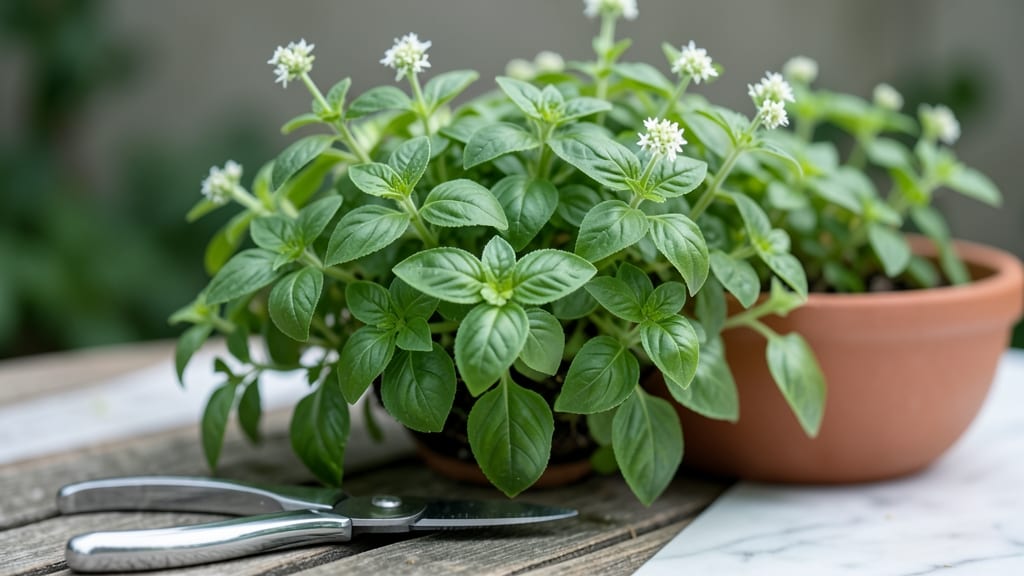
Here’s how to prevent basil from flowering before those first flower buds appear—because once they do, your plant’s focus shifts from leaf production to seed-making, leaving you with bitter, sparse foliage. 🌱 I’ve watched my own basil go from a lush, purple-stemmed powerhouse to a leggy, flowering shadow in just two weeks—until I learned the simple tricks to keep it leafy.
The secret lies in three key moves: pruning aggressively when you spot buds, harvesting regularly to encourage new growth, and managing sunlight so the plant doesn’t get stressed. Most gardeners wait too long to pinch those flowers, but the earlier you act, the more leafy bounty you’ll get.
Even a single flower stem will trigger the plant’s shift, so stay vigilant—especially in hot weather when basil bolts faster.
What you’ll end up with is a basil plant that stays compact, vibrant, and productive for months. The leaves stay tender, the stems stay purple, and you’ll harvest twice as much as a flowering plant.
No more bitter surprises in your pesto—just fresh, sweet basil whenever you need it. The best part? These techniques work for both container-grown and in-ground basil.
Fair warning: this requires weekly checks during peak growing season, but the payoff is worth it. Once you master the rhythm, you’ll never let your basil flower again. Let’s get those pruners ready—your next harvest starts now.
📚 In This Guide
- What you need
- Instructions
- Tips and common mistakes
- Wrapping up and next steps
What you need
- ● Fresh basil plant (potted or in-ground, preferably Genovese, Sweet, or Thai basil for best results)
- ● Sharp pruning shears (sterilized with rubbing alcohol or soapy water to prevent disease)
- ○ Clean gloves (optional but recommended to avoid transferring oils from hands)
- ● Well-draining potting mix (if replanting cuttings—use a light, airy blend like 60% peat moss, 30% perlite, 10% compost)
- ● 6-inch pots or containers (with drainage holes, 2–3 per plant if propagating cuttings)
- ● Watering can or spray bottle (with room-temperature water)
- ● Balanced liquid fertilizer (e.g., 10-10-10 or fish emulsion, diluted to half-strength)
- ● Grow lights or sunny windowsill (12+ hours of bright, indirect light daily)
- ○ Rooting hormone (to boost cutting success, optional but speeds up growth)
- ● Pruning spray bottle (for misting cuttings to encourage rooting)
- ● Plant labels (to track basil varieties and pruning dates)
Step-by-Step guide to keeping basil leafy and productive
Here's how I keep my basil thriving all season—no flowers in sight.
🌱 Step 1: Identify the First Signs of Flowering
Basil sends up its first flower buds when days lengthen in late spring. Look for tiny white or purple clusters forming at the leaf axils—these are your early warning signals. The moment you spot even one bud, act immediately. Waiting just a few days lets the plant shift energy from leaves to flowers, and you'll notice stems hardening and leaves becoming bitter.
Run your fingers gently along the main stem and side branches. You'll feel the slight bump where buds form—this is your tactile cue to prune. I check my plants every 3-4 days during peak growing months to catch buds before they set seed. The earlier you remove them, the more leafy growth you'll encourage.
✂️ Step 2: Perform the Pinch-Prune Technique
Use clean, sharp scissors or your fingers to pinch off flower buds at their base. Never cut through the stem—this can damage the plant's vascular system. Instead, grasp the bud between your thumb and forefinger and pull firmly upward until it snaps cleanly. You'll hear a crisp sound when done correctly.
For established plants, I also remove the top set of leaves when pinching—this redirects the plant's energy toward lateral branching. Aim to keep your basil bushy with 4-6 main stems radiating from the base. This open structure prevents buds from hiding in dense foliage and makes future pruning easier.
🌿 Step 3: Prune for Bushier Growth After Flower Removal
After removing flowers, focus on maintaining the plant's shape. Cut back any leggy stems by about one-third their length just above a leaf node. This encourages new lateral shoots to form, creating a fuller plant. I always make cuts at a 45-degree angle to increase surface area for water absorption.
Here's the thing—basil grows fastest when it has plenty of light and warm temperatures. After pruning, move your plant to the sunniest spot available (at least 6-8 hours of direct sun daily). You'll see new growth emerging within 7-10 days if conditions are right. If growth stalls, check for yellowing leaves, which could indicate overwatering or nutrient deficiencies.
⏰ Step 4: Establish a Regular Pruning Schedule
To keep basil flowering-free all season, prune every 2-3 weeks during active growth. This maintains the plant's energy focus on leaf production rather than reproduction. I set a calendar reminder because basil grows so quickly that buds can appear between checks.
Your goal is to always have 4-6 main stems with multiple side branches. When you see stems growing longer than 6 inches without new leaves forming, it's time to prune again. This prevents the plant from becoming top-heavy and ensures continuous harvestable leaves. Regular pruning also makes basil more compact, perfect for container growing.
Tips & tricks for preventing basil flowering
Here's what nobody tells you about keeping your basil leafy and productive all season long.
Bud Detection Timing: The 3-4 day check interval in Step 1 is your best defense against flowering. I've learned this the hard way—when I skipped weekly inspections, buds formed so quickly that my plants went from lush to bitter in just 10 days. Look closely at the leaf axils where stems meet leaves; early detection makes all the difference.
Pruning Precision: When performing the pinch-prune in Step 2, focus on removing buds at their base where they meet the stem. This prevents the plant from wasting energy trying to grow flowers. For established plants, I also remove the top set of leaves during pinching—this redirection of energy toward lateral growth is what creates that bushy, productive structure we want.
Light Requirements: The 6-8 hours of direct sun mentioned in Step 3 is non-negotiable for basil's growth. If your basil starts flowering prematurely, it might be getting too much indirect light. Move it to a spot with bright, direct sunlight—this helps maintain vigorous leaf production. You'll notice new growth emerging within 7-10 days when light conditions are optimal.
Pruning Schedule: The 2-3 week pruning interval in Step 4 works best when you maintain 4-6 main stems. When stems exceed 6 inches without new leaf formation, that's your cue to prune again. This regular maintenance prevents the plant from becoming top-heavy and ensures continuous harvestable leaves throughout the growing season.
Pro Tips for Prevent Basil From Flowering
- Here's what nobody tells you about keeping your basil leafy and productive all season long.
- Bud Detection Timing: The 3-4 day check interval in Step 1 is your best defense against flowering.
- Pruning Precision: When performing the pinch-prune in Step 2, focus on removing buds at their base where they meet the stem.
Frequently asked questions
Got questions about keeping your basil happy and leafy? Here are some common concerns—and answers—to help you grow the freshest herbs all season long!
Why does basil flower so quickly?
Basil flowers as a natural response to stress, like heat, drought, or long daylight. Once it blooms, leaves become bitter and growth slows. Preventing flowers means giving your plant ideal conditions—consistent watering, partial shade, and regular pruning—to keep it focused on leafy growth instead of reproduction.
How often should I prune to stop flowering?
Prune basil every 2–4 weeks during its growing season (spring to fall). Pinch off the top set of leaves just above a pair of lower leaves to encourage bushier growth. If you see flower buds forming, snip them immediately—they’ll steal energy from your plant’s leaves. Pro tip: Morning pruning gives stems time to heal before evening humidity sets in.
Can I still use basil if it starts flowering?
Yes, but the flavor changes! Flowering basil leaves turn bitter due to higher essential oil levels. For cooking, use the younger, lower leaves first—they’re milder. If you’re growing basil for pesto or salads, harvest leaves before flowers open. For medicinal uses (like tea), some find flowering basil soothing, but it’s best avoided in culinary dishes.
What’s the best alternative if my basil keeps flowering?
Try these tricks to reset your basil’s growth cycle:
- Move it indoors (near a sunny window) for cooler temps.
- Use shade cloth (30–50%) to reduce sunlight stress.
- Switch to container growing for better control over water/light.
- Plant Genovese or Thai basil varieties—they’re slower to flower.
My basil is flowering—did I kill it?
Not at all! Flowering isn’t fatal, but it does signal your basil needs adjustments. Trim the flowers, check for pests (like aphids), and adjust care:
- Water deeply 1–2x/week (let soil dry slightly between waterings).
- Fertilize lightly with balanced liquid fertilizer (10-10-10).
- Avoid overcrowding—basil needs 6+ hours of sunlight/day.
Wrapping up and next steps
Preventing basil from flowering is all about timely pruning, optimal light, and a little TLC—and trust us, the effort is worth it! With the right techniques, you’ll enjoy a bountiful harvest of fragrant, tender leaves all season long. 🌿
Now that you’re armed with the know-how, grab those shears and get pruning! Start small, stay consistent, and soon you’ll be the proud gardener of the lushest basil patch on the block. Happy growing! 🌱