
Flowers
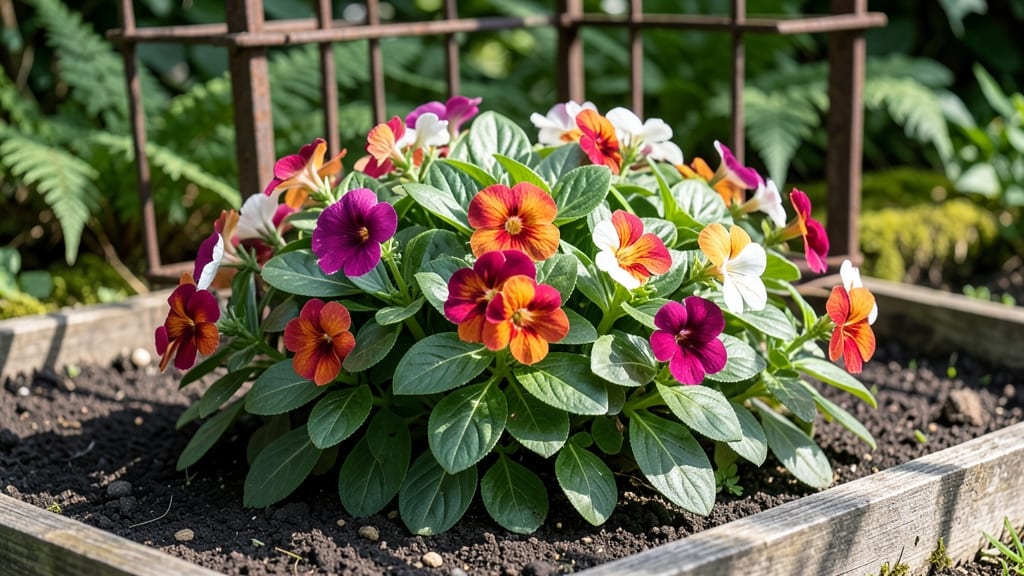
Growing New Guinea impatiens transforms shady spots into bursting color that outshines anything in full sun. 🌿 These aren't your grandmother's impatiens—they're the bold, velvety hybrids with jewel-toned blooms that thrive where other flowers give up.
My first batch took over a shady corner in just six weeks, proving they're not just pretty but practically indestructible in the right conditions.
The secret lies in their love for moist, well-draining soil and dappled light—think morning sun with afternoon shade, not scorching afternoon rays. You'll need containers with drainage holes or a rich garden bed amended with compost, plus consistent moisture (never soggy).
Overwatering is the #1 killer, but once established, they drink like thirsty hummingbirds—just don't let them wilt between waterings.
By midsummer, you'll have a lush, continuous bloom showstopper that hummingbirds can't resist. The foliage stays glossy and compact, perfect for hanging baskets or spilling over container edges.
Prune leggy stems in spring to encourage bushier growth, and deadhead spent blooms to keep them producing—though they often self-clean with minimal effort.
Whether you're filling a shady patio corner or creating a container display, these thrive where others fail. The key is patience—start seeds indoors 8-10 weeks before last frost, or buy sturdy transplants in spring. Your shade garden will thank you with nonstop color from early summer through frost.
📚 In This Guide
- What you need
- Instructions
- Tips and common mistakes
- Wrapping up and next steps
What you need
- ● New Guinea Impatiens plants: Choose Impatiens hawkeri varieties (e.g., ‘Super Elfin,’ ‘Accent,’ or ‘Java’). Buy 3–5 mature plants or seed packets (if starting from scratch).
- ● Well-draining potting mix: 10–20 gallons of a light, airy blend (e.g., 50% peat moss, 30% perlite, 20% compost). Avoid heavy clay soil.
- ● Containers or garden beds: Containers: 5–7-inch pots with drainage holes (1 plant per pot). Use hanging baskets (12+ inches wide) for cascading varieties.
- ● Garden beds: Amend soil with 2–3 inches of compost and ensure partial to full shade (dappled sunlight max).
- ● Slow-release fertilizer: 10–15–10 NPK ratio (e.g., Osmocote). Apply 1 tbsp per plant at planting.
- ● Watering can or hose with a gentle spray nozzle: New Guinea Impatiens hate soggy roots—keep soil consistently moist but not waterlogged.
- ● Garden trowel or small shovel: For transplanting seedlings or amending soil.
- ● Pruning shears: Sharp, clean pair to trim leggy stems or deadhead spent blooms.
- ○ Mulch (optional): 1–2 inches of shredded bark or pine needles to retain moisture and suppress weeds.
- ○ Support stakes or trellis (optional): For trailing varieties (e.g., ‘Java’ series), use lightweight stakes or a small wire trellis.
- ○ Liquid fertilizer (optional): Balanced 20-20-20 (diluted to half-strength) for a mid-season boost every 4–6 weeks.
- ● Fungicide (preventative): Copper-based spray (e.g., Bonide Copper Fungicide) to guard against powdery mildew in humid climates.
Step-by-step guide to cultivating lush new Guinea impatiens
Here's my foolproof method for transforming shady spots into vibrant, blooming canopies.
🌱 Step 1: Select and Prepare the Right Location
New Guinea impatiens thrive where others falter—partial to full shade with 4-6 hours of dappled sunlight daily. Avoid deep shade; you'll see fewer blooms if they get less than 3 hours of indirect light. I always scout the site in morning light, checking for moisture retention—these plants hate drying out.
Test soil moisture by pressing your finger 1 inch deep—if it feels dry, this spot needs better water retention. Amend heavy clay with 2-3 inches of compost to improve drainage while holding moisture. The goal is soil that stays consistently damp but never soggy.
🪴 Step 2: Plant with Proper Spacing and Depth
Dig holes twice as wide as the root ball but only as deep as the container. Gently remove plants from pots and tease apart congested roots—crowded roots lead to weak stems that flop under blooms. I always water each plant thoroughly before transplanting to reduce shock.
Space plants 10-12 inches apart for a dense canopy effect. Press soil firmly around roots to eliminate air pockets, then water deeply to settle everything. The first flush of new growth tells you the roots have established—watch for bright green leaves within 7-10 days.
☀️ Step 3: Provide Consistent Moisture and Light
Water immediately after planting, then maintain 1-1.5 inches of water weekly, adjusting for rain. New Guinea impatiens wilt dramatically when thirsty—don't wait until leaves droop to water. I use a rain gauge to track moisture; these plants prefer steady dampness over occasional deep soakings.
Rotate plants quarter-turn weekly to prevent lopsided growth toward light sources. You'll notice stems stretching toward windows or skylights if light is uneven. Supplement with a shade cloth (30-50%) during peak afternoon sun to prevent leaf scorch.
✂️ Step 4: Prune for Continuous Blooms and Shape
Pinch back tips of new growth when plants reach 6 inches tall to encourage bushier forms. This isn't just about looks—pruned plants develop more flower stems. I always use clean, sharp scissors to avoid tearing tissue, and I never cut more than ⅓ of the plant's height at once.
Deadhead spent blooms regularly—this prevents seed pods from forming and redirects energy to new flowers. You'll see a second flush of blooms within 2-3 weeks of consistent deadheading. For leggy plants, cut back to 4-6 inches above ground in early summer to promote fresh, compact growth.
Tips & tricks for perfect new Guinea impatiens canopies
Here's what I learned the hard way about keeping these shade-loving beauties thriving year after year.
Location Intelligence: That 4-6 hours of dappled sunlight is non-negotiable for vibrant blooms. I've seen plants in deep shade produce flowers, but they'll be sparse and lack the deep color you want. Test your spot by observing how sunlight moves through the area at different times of day—morning sun is gentler and better than harsh afternoon rays. For areas with less than 3 hours of light, consider supplementing with a grow light for 4-6 hours daily during the growing season.
Soil Secrets: The 1-inch moisture test is your best friend. If your soil feels dry at that depth, you're either overwatering (which causes root rot) or under-amending. For heavy clay soils, work in that 2-3 inches of compost right into the hole before planting—don't just top-dress. I've found that adding a handful of perlite to the planting hole helps maintain that perfect damp-but-not-soggy balance, especially in hot climates where evaporation is rapid.
Transplanting Technique: That thorough pre-planting watering makes all the difference. I learned this after seeing several plants wilt dramatically post-transplant. Water each plant until it's completely saturated, then wait 10-15 minutes before handling. The roots will be more pliable and less likely to break. When teasing apart congested roots, work gently but firmly—you're not trying to separate them completely, just loosening the center to encourage outward growth.
Pruning Payoff: The 6-inch pinch-back rule creates a bushier plant that actually supports more blooms. I used to wait until plants were much taller before pruning, and I'd end up with leggy stems that couldn't hold the flowers. For that first flush of blooms, watch for the 7-10 day growth window—this is when roots are establishing but not yet competing with flowers. Pinching then gives you the best of both worlds: established roots and future blooms.
Pro Tips for Impatiens Flowers New Guinea
- Here's what I learned the hard way about keeping these shade-loving beauties thriving year after year.
- Location Intelligence: That 4-6 hours of dappled sunlight is non-negotiable for vibrant blooms.
- Soil Secrets: The 1-inch moisture test is your best friend.
Frequently asked questions
Got questions about New Guinea impatiens? You’re not alone! These stunning shade-loving beauties are packed with personality—and sometimes, so are their care quirks. Here’s what gardeners ask most often, answered in a flash.
How do I keep New Guinea impatiens blooming all season?
Feed them regularly with a balanced, water-soluble fertilizer (every 2–4 weeks during active growth). Deadhead spent blooms to encourage new flowers, and never let them dry out—they thrive in consistently moist (not soggy) soil. A little shade in hot afternoons can also extend their bloom time!
When is the best time to plant New Guinea impatiens?
Start after the last frost when soil temps are above 55°F (13°C). They’re tender perennials, so treat them as annuals in most climates. For a head start, sow seeds indoors 8–10 weeks before transplanting—just know they’re slower to germinate (4+ weeks!). If buying starts, choose healthy, compact plants with vibrant leaves.
Why are my New Guinea impatiens wilting or drooping?
Overwatering or poor drainage are the top culprits—these plants hate soggy roots. Check soil moisture by sticking your finger 1 inch deep; water when dry. Heat stress can also cause wilting, so provide afternoon shade in hot zones. If leaves turn yellow, it might be nutrient deficiency—time for a light feeding!
Can I grow New Guinea impatiens in containers?
They’re perfect for pots, hanging baskets, or window boxes. Use a well-draining mix (add perlite or orchid bark) and a container with drainage holes. For baskets, line them with sphagnum moss to retain moisture. Pro tip: Group 3–5 plants together for a lush, cascading display!
Are New Guinea impatiens deer- or pest-resistant?
Unfortunately, no! Deer love them, and pests like aphids or spider mites may visit if plants are stressed. To deter deer, use repellent sprays or plant them near deer-resistant companions like coleus or ferns. For pests, blast them off with water or use neem oil as a preventative spray.
What’s the difference between New Guinea and garden impatiens?
New Guinea impatiens (Impatiens × hawkeri) are hardier, larger, and more heat-tolerant than classic Impatiens walleriana. They boast bold foliage (purple, silver, or chartreuse) and bigger blooms, but they’re not as cold-hardy. Garden impatiens are better for cooler climates but may fade in intense heat—New Guinea types win for long-term shade drama!
Wrapping up and next steps
New Guinea Impatiens flowers are the ultimate showstoppers for shade gardens—packing bold colors, lush foliage, and effortless charm into a compact package. 🌿 Whether you’re a seasoned gardener or just starting, these beauties thrive with minimal fuss, offering year-round vibrancy in even the trickiest spots.
Now that you’re armed with care tips and troubleshooting tricks, it’s time to roll up your sleeves and plant!
Next steps:
- Pick your favorite Impatiens varieties and grab the supplies.
- Find that perfect shady nook in your garden (or balcony!) and get growing.
- Share your progress—tag us on social media with #NewGuineaImpatiens for a chance to be featured!
Your shade garden is about to get a major glow-up—let’s make it happen! 🌈✨