
Blooming
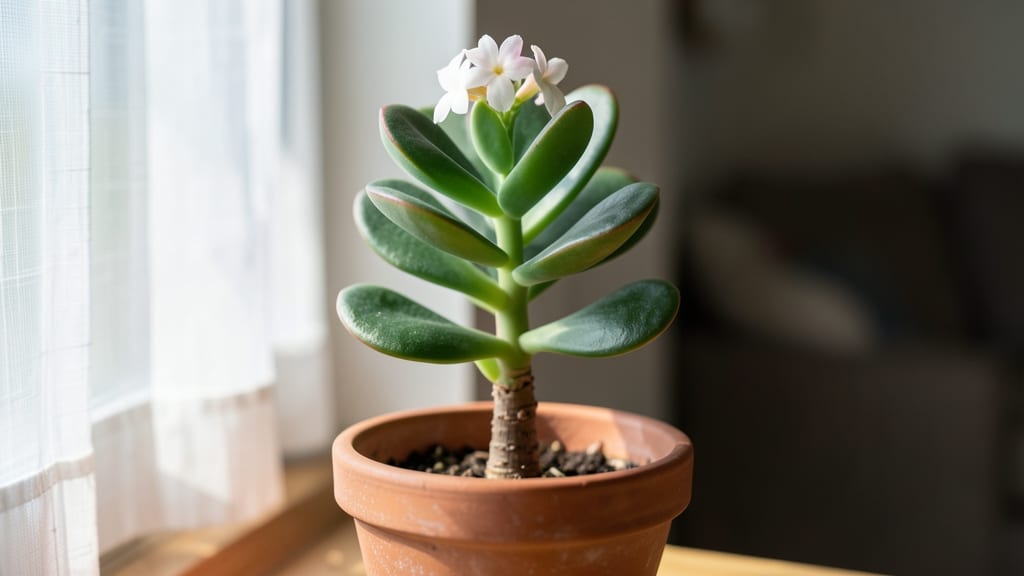
Your jade plant flowering might feel like waiting for a once-in-a-lifetime event—but it’s not as rare as you think. 🌸 With the right light, patience, and a few simple tweaks, those delicate pink blooms can appear even on mature plants.
I’ve watched mine go from stubborn stems to a burst of color after adjusting just two things: winter sunlight and fertilizer timing.
The key is treating your jade like the desert survivor it is. Bright, direct winter sun (even if it’s cold outside) triggers blooming, while summer shade keeps it from stressing. Most gardeners overwater in spring, thinking it helps—but jade roots rot faster than they flower.
Let the soil dry completely between waterings, and you’ll avoid the #1 mistake that stops blooms.
When you get it right, the reward is worth the wait: clusters of star-shaped pink flowers that last for weeks. The plant itself stays lush and sturdy, proving patience pays off.
With these adjustments, you’ll see buds forming within 12-18 months—and that first bloom will change how you garden forever.
Works for indoor plants, sunny patios, or even windowsills. Let’s turn that waiting game into a success story—your jade’s got this.
📚 In This Guide
- What you need
- Instructions
- Tips and common mistakes
- Wrapping up and next steps
What you need
- ● Mature Jade Plant (Crassula ovata): At least 3–5 years old (younger plants rarely bloom).
- ● Well-draining soil mix: Combine 50% cactus/succulent soil, 30% perlite or pumice, and 20% coarse sand (or orchid bark for extra aeration).
- ● 10–12 inch pot: Terracotta or ceramic with drainage holes (avoid plastic—it traps moisture!).
- ● Balanced fertilizer (5-5-5 or 10-10-10): Diluted to half-strength (use during active growth, spring–summer).
- ○ Slow-release fertilizer pellets: Optional but helpful for steady nutrition (follow package rates).
- ● Pruning shears or sharp scissors: Sterilized to avoid disease (rubbing alcohol wipe works!).
- ● Spray bottle with room-temperature water: For gentle hydration (avoid soaking!).
- ● Grow lights or sunny windowsill: 6+ hours of bright, indirect light daily (south/west-facing is ideal).
- ○ Thermometer (optional): To monitor temps—ideal range: 65–75°F (18–24°C).
- ● Patience & a notepad: Track watering, light, and fertilizer schedules like a pro!
How to encourage your jade plant to bloom pink flowers
Here's how I've coaxed stubborn jade plants into flowering—patience and precision are key.
🌱 Step 1: Mimic Winter Dormancy for 6-8 Weeks
The first secret to flowering is tricking your jade into thinking winter has arrived. Move it to a cool spot (50-55°F) with bright, indirect light—a north-facing window or under grow lights works best. I place mine near an unheated garage window where temps naturally dip at night.
Water only when the soil feels completely dry to touch—about every 3-4 weeks. Overwatering now will prevent buds from forming. You'll know you're on track when the plant looks slightly shriveled, like it's conserving moisture. This dormancy period is non-negotiable for flower signals.
☀️ Step 2: Gradually Reintroduce Warmth and Sun
After 6-8 weeks of cool treatment, slowly reintroduce warmth by moving your jade to a room-temperature spot (around 65-70°F). Place it in direct morning sunlight for 2-3 hours daily, then gradually increase exposure to 4-6 hours of bright light over two weeks. Jade plants need this light buildup to trigger flowering hormones.
Watch for new growth at the stem tips—this signals the plant is breaking dormancy. If leaves yellow or drop, you're moving too quickly. The goal is steady adaptation, not shock. I like to rotate the pot weekly so all sides get even light exposure, which prevents lopsided growth.
💧 Step 3: Feed and Hydrate for Bud Formation
Once your jade is back in warmer conditions, switch to a balanced liquid fertilizer (10-10-10) diluted to half-strength every 4-6 weeks. I start fertilizing in early spring and continue through summer. The key is consistency—don't skip feeds, but don't overdo it either. Too much nitrogen will produce leaves, not flowers.
Water when the top 2 inches of soil dry out, but avoid soggy conditions. Jade plants store water in their leaves, so they prefer dry spells between waterings. You'll see flower buds forming as small bumps in the leaf axils (where leaves meet stems). These buds take 6-12 months to mature into blooms, so don't expect overnight results.
⏰ Step 4: Maintain Ideal Conditions Through Bloom Season
During the spring and summer growing season, keep your jade in bright light (south or west window) with temperatures between 65-75°F. If you notice leaves turning red or purple, it's a sign of too much direct sun—move it back a foot or use a sheer curtain. The goal is sun exposure without scorching.
Watch for tiny star-shaped buds emerging from the leaf axils. These are your first sign of impending flowers! Once buds appear, reduce fertilizer to quarter-strength to encourage blooming over leafy growth. Pink flowers typically appear in late spring or early summer, but some varieties may bloom in fall if conditions are right.
Tips & tricks for encouraging jade plant flowering
Patience pays off with jade plants—here's how to maximize your chances of those stunning pink blooms.
Temperature Precision: That 50-55°F dormancy range is critical. If your home stays above 60°F, consider moving your jade to a basement or unheated garage during winter. I've seen plants bloom reliably when kept at exactly 52°F nightly—just a few degrees above the minimum makes all the difference. Use a thermometer to monitor temperatures, especially if you're using a grow light setup.
Light Transition Strategy: When gradually increasing sunlight in Step 2, start with just 1 hour of morning sun on day one, then add 30 minutes daily until reaching 4-6 hours. Sudden exposure shocks the plant—think of it like sunbathing after winter. I place my plants near an east-facing window first, then move them to brighter spots as they adapt. Watch for leaves turning pale green as a sign they're getting enough light.
Fertilizer Timing: The 4-6 week feeding schedule works best when you fertilize right after watering. This gives roots time to absorb nutrients before the next watering. I use a spray bottle to apply diluted fertilizer to the soil surface rather than pouring it directly—this prevents root burn. Once buds appear, switch to quarter-strength fertilizer every 8 weeks to support flowering without encouraging new leaf growth.
Bud Formation Watch: Those tiny star-shaped buds in Step 4 are your first visible sign of success! They'll appear as small green bumps in the leaf axils about 3-4 months after breaking dormancy. If buds form but then drop off, your plant might need more light or a slightly warmer spot (around 68-70°F). I keep a small notebook to track when buds appear—it's incredibly rewarding to see the progression over months.
Pro Tips for Jade Plant Flowering
- Patience pays off with jade plants—here's how to maximize your chances of those stunning pink blooms.
- Temperature Precision: That 50-55°F dormancy range is critical.
- Light Transition Strategy: When gradually increasing sunlight in Step 2, start with just 1 hour of morning sun on day one, then add 30 minutes daily until reaching 4-6 hours.
Frequently asked questions
Got questions about your jade plant’s rare pink blooms? You’re not alone!
Here are answers to the most common queries—from impatient gardeners to seasoned plant parents.
How often does a jade plant flower?
A healthy jade plant (Crassula ovata) typically flowers every 3–5 years when mature (3+ years old). Some may bloom annually if conditions are perfect, but don’t stress—patience is key! Overwatering or poor light can delay blooms. Pro tip: Bright, indirect light and winter chill (50–60°F) trigger flowering.
Why isn’t my jade plant flowering?
Jade plants are slow to bloom, but these issues can stall flowers:
- Insufficient light: Move to a sunbath (4+ hours of direct light daily).
- Lack of dormancy: Reduce watering in winter (let soil dry fully).
- Over-fertilizing: Too many nutrients = leafy growth, not flowers.
- Young age: Plants under 3 years old rarely bloom.
Fix it: Mimic their South African habitat—bright light + a dry winter rest.
Can I make my jade plant flower faster?
While you can’t rush nature, these tweaks may encourage blooms sooner:
- Cold treatment: Place outdoors in cool (50–60°F) temps for 4–6 weeks.
- Light cycle: Supplement with a grow light (14+ hours/day in winter).
- Water wisely: Drench thoroughly, then let soil dry completely before watering again.
Remember: Rushing can stress the plant—balance is key!
Do jade plant flowers smell?
Jade plant flowers are fragrant but subtle—think light, sweet, and slightly citrusy. Some describe it as a delicate, honey-like scent, while others detect a faint floral note. The aroma peaks in the evening, adding a charming bonus to their rare blooms!
What do I do after my jade plant flowers?
Once blooms fade, don’t panic—here’s what to do:
- Prune dead flowers: Snip spent stems at the base to redirect energy to leaves.
- Adjust care: Return to normal watering (let soil dry 1–2 inches deep).
- Fertilize lightly: Use a balanced, diluted fertilizer (½ strength) in spring/summer.
Fun fact: Jade plants may rebloom on the same stem—give it time!
Wrapping up and next steps
Watching your jade plant bloom with delicate pink flowers is a rewarding experience—one that proves patience and care pay off! 🌸 While it may take years, the journey is as beautiful as the blooms themselves. Now that you’re equipped with the right knowledge, why not share your progress? Snap a photo of your thriving plant, tag us, or even gift a cutting to a fellow plant lover.
The next step? Keep nurturing your green friend and enjoy the magic of nature’s slow, stunning surprises!